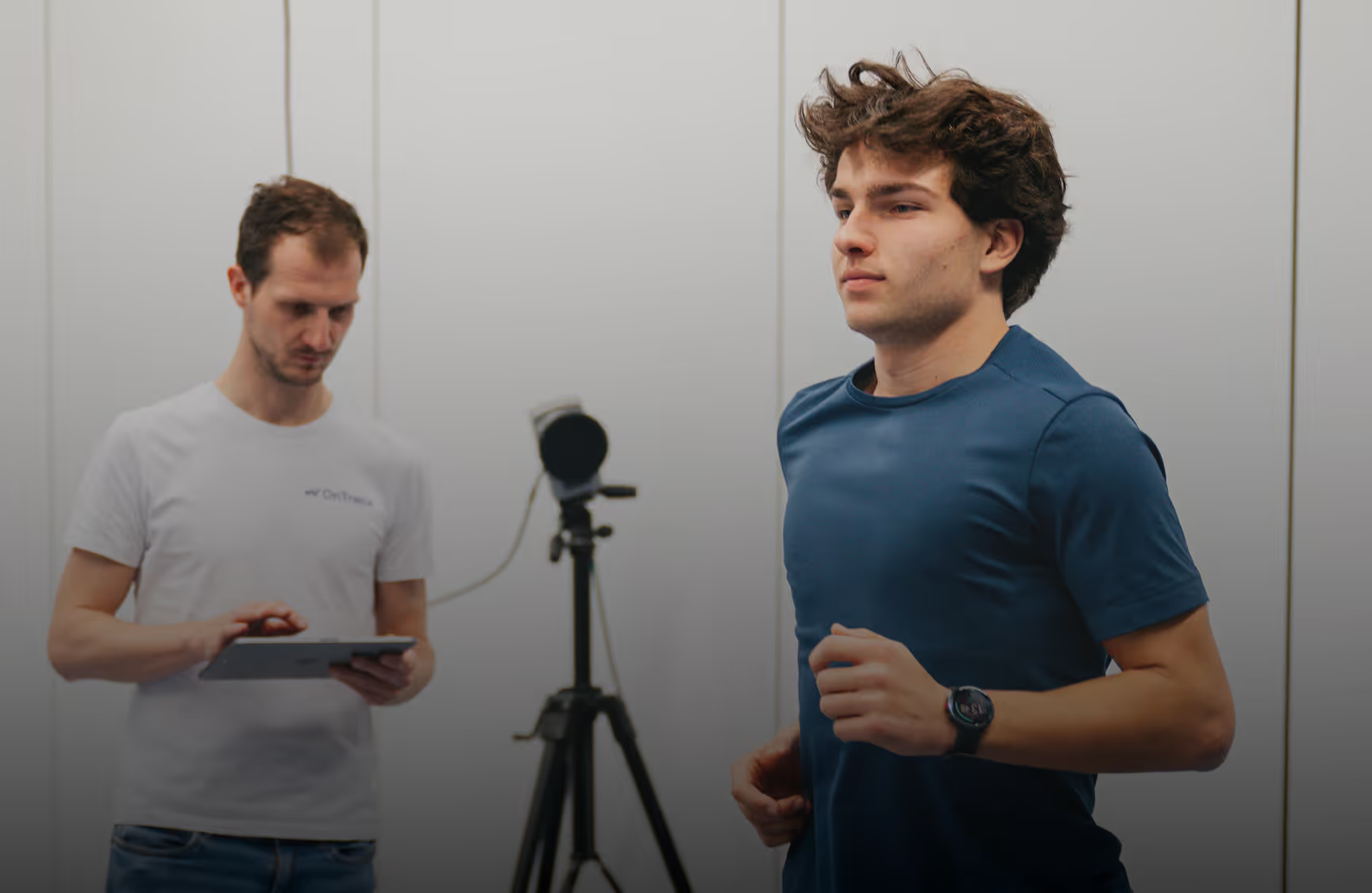
Track cumulative load, in-the-field.
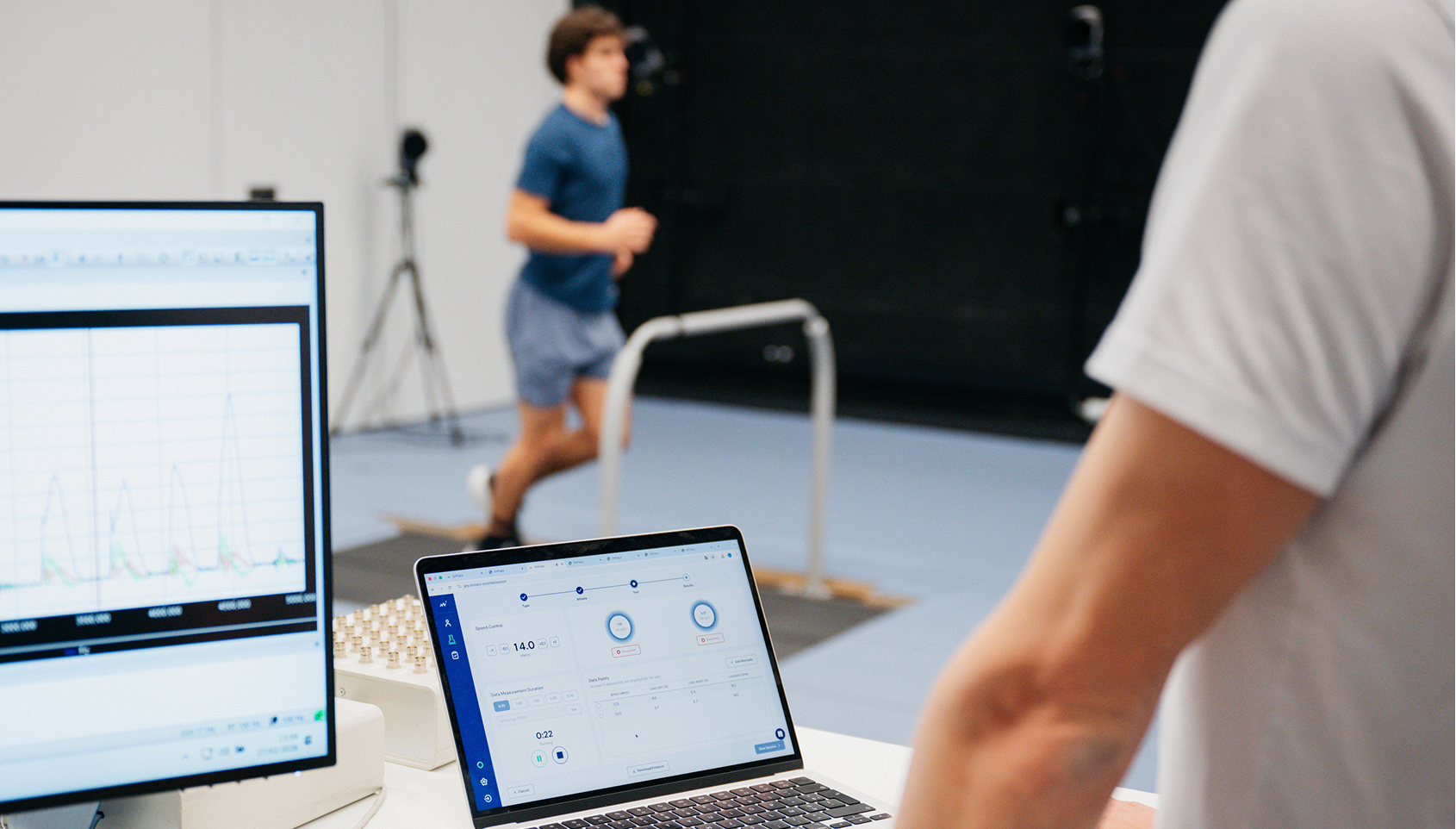
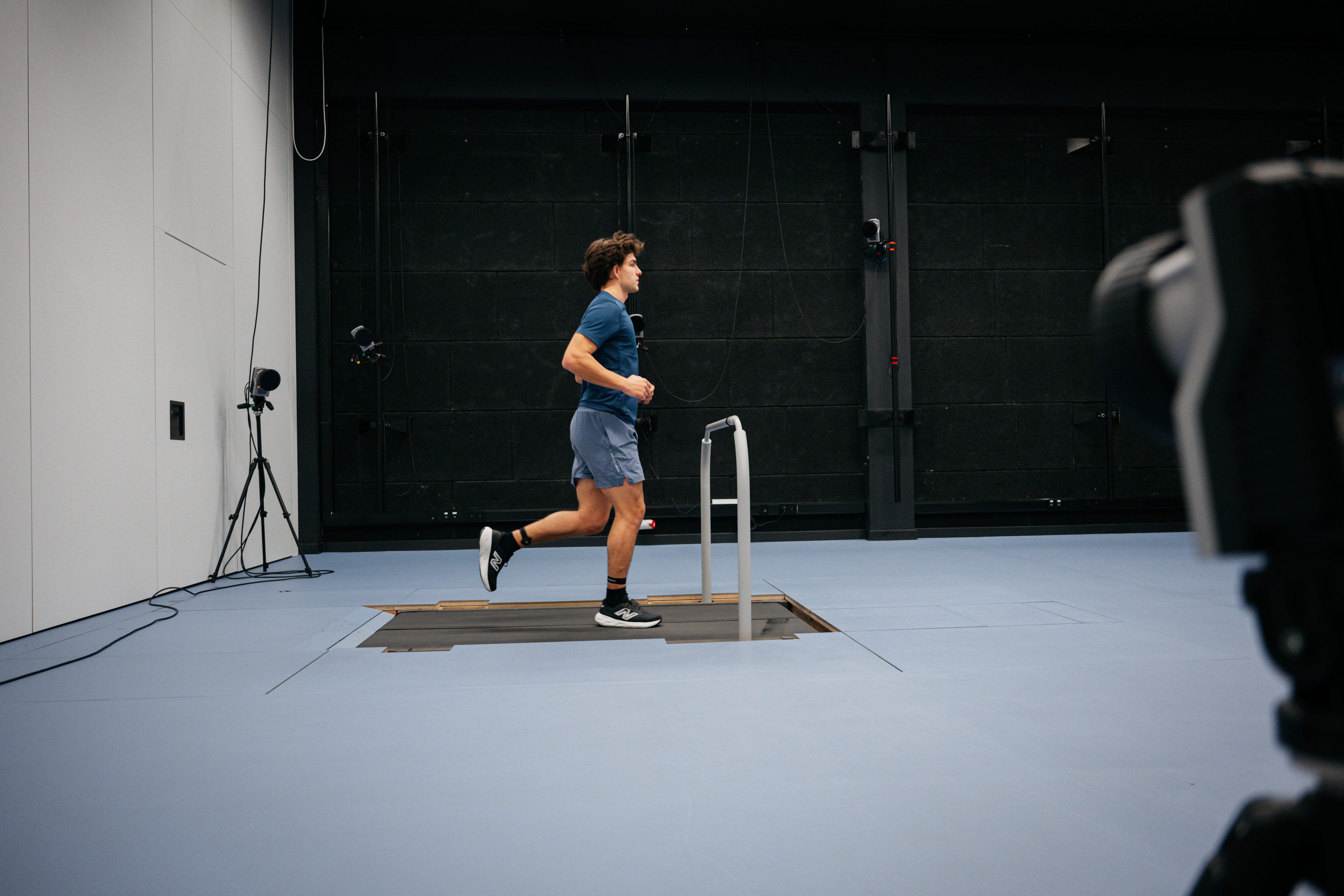
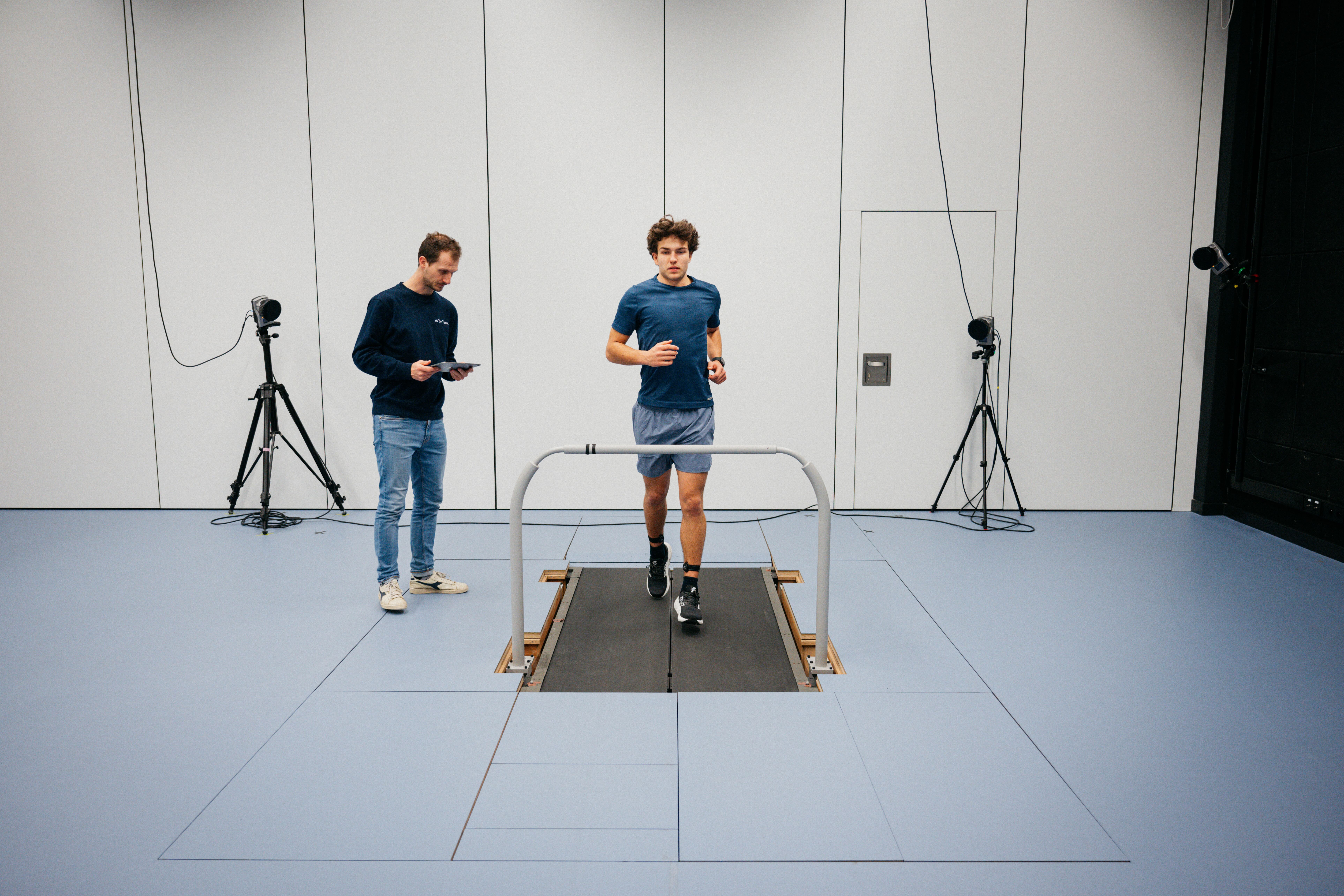
We work with researchers to translate biomechanical and training load data into insights that matter in real-world running practice.
We work with researchers to translate biomechanical and training load data into insights that matter in real-world running practice.
.jpeg)
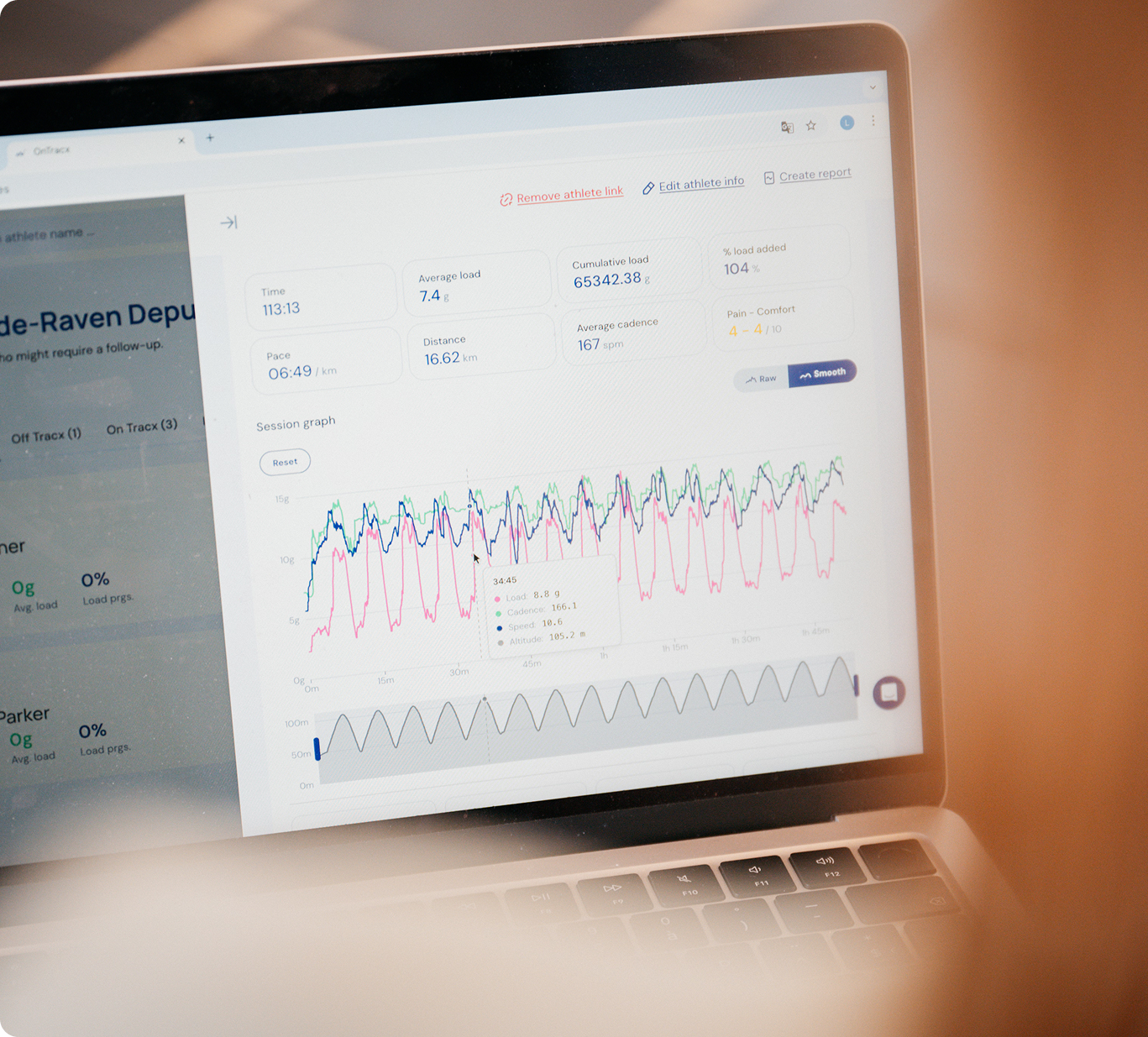
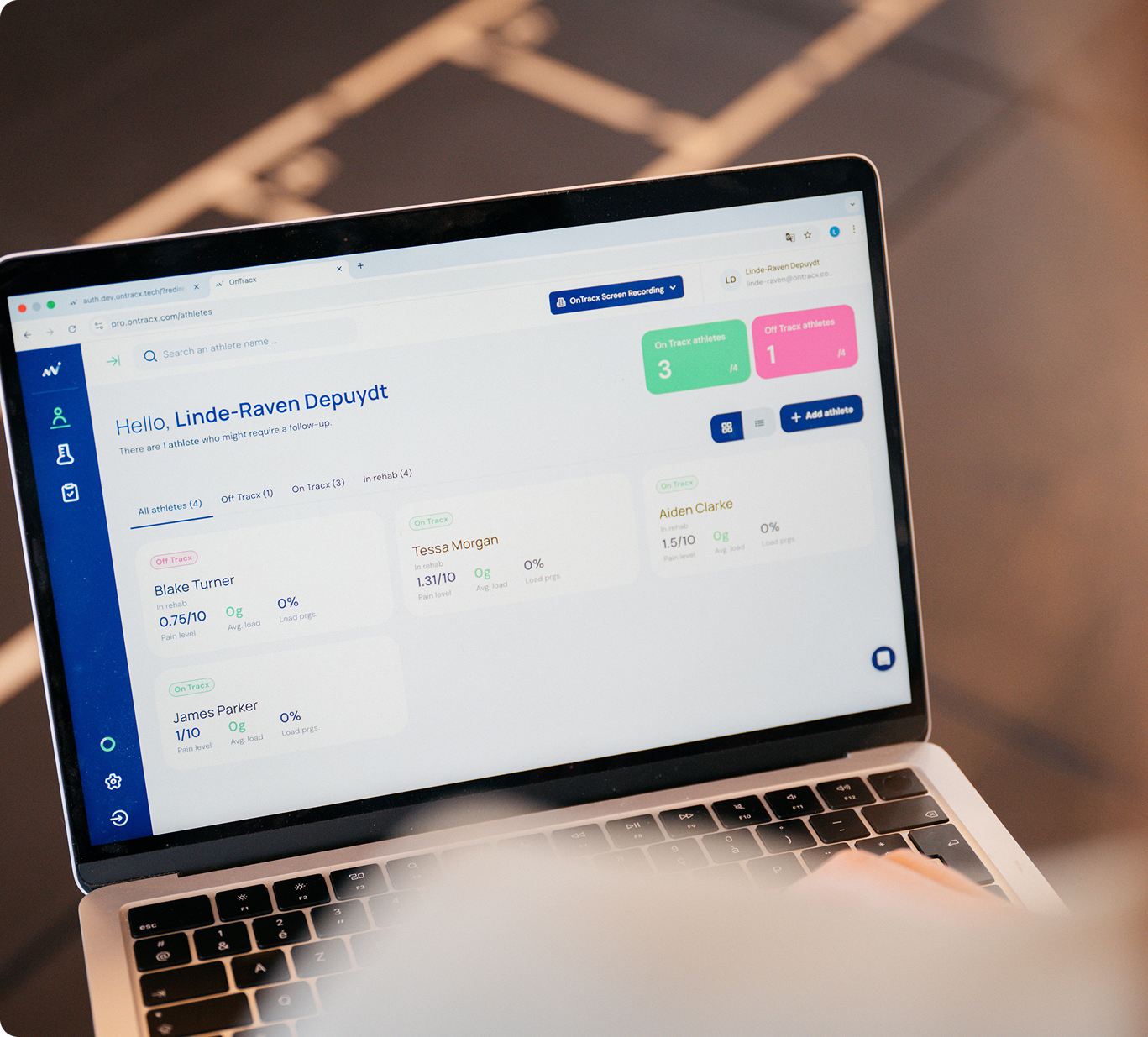
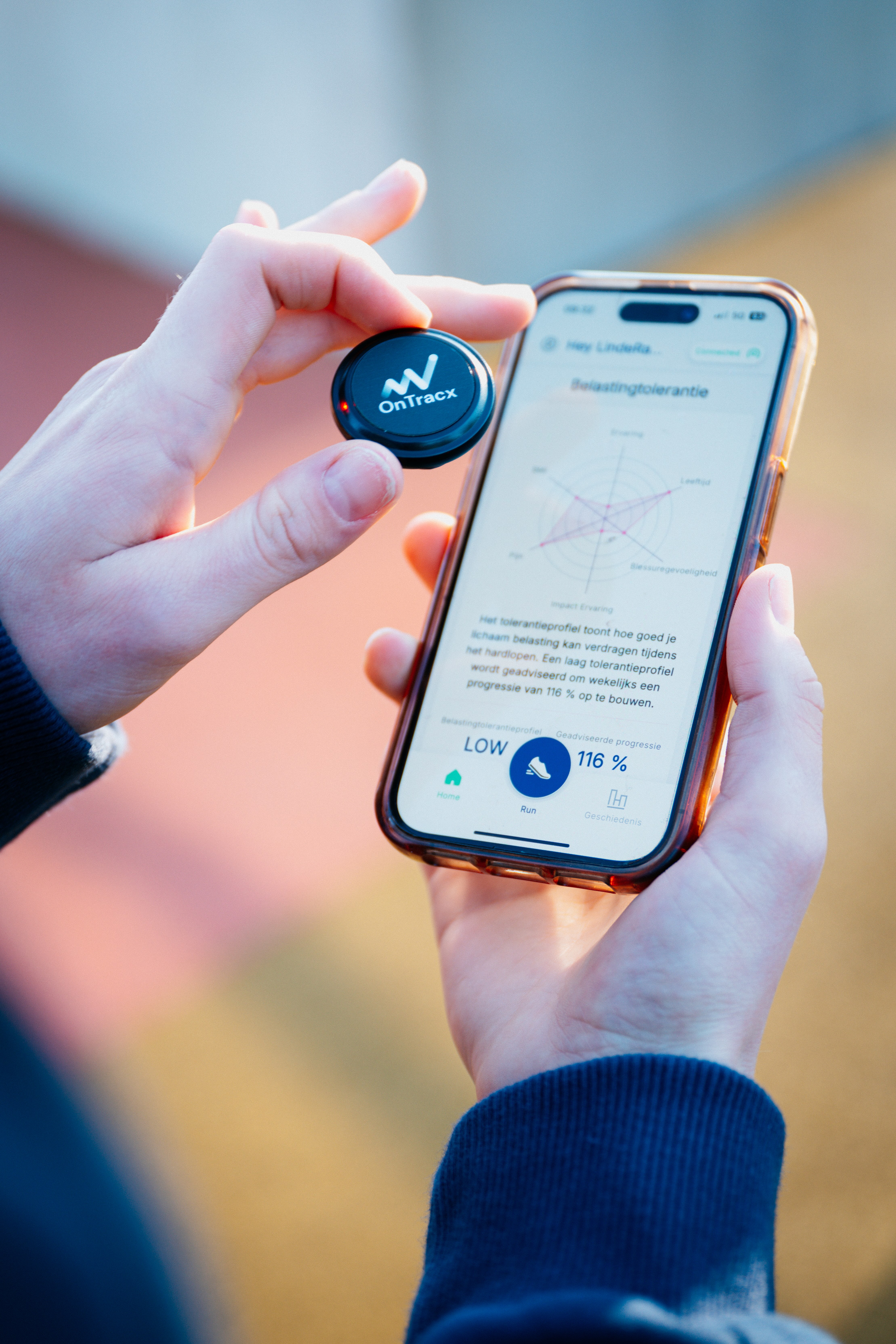
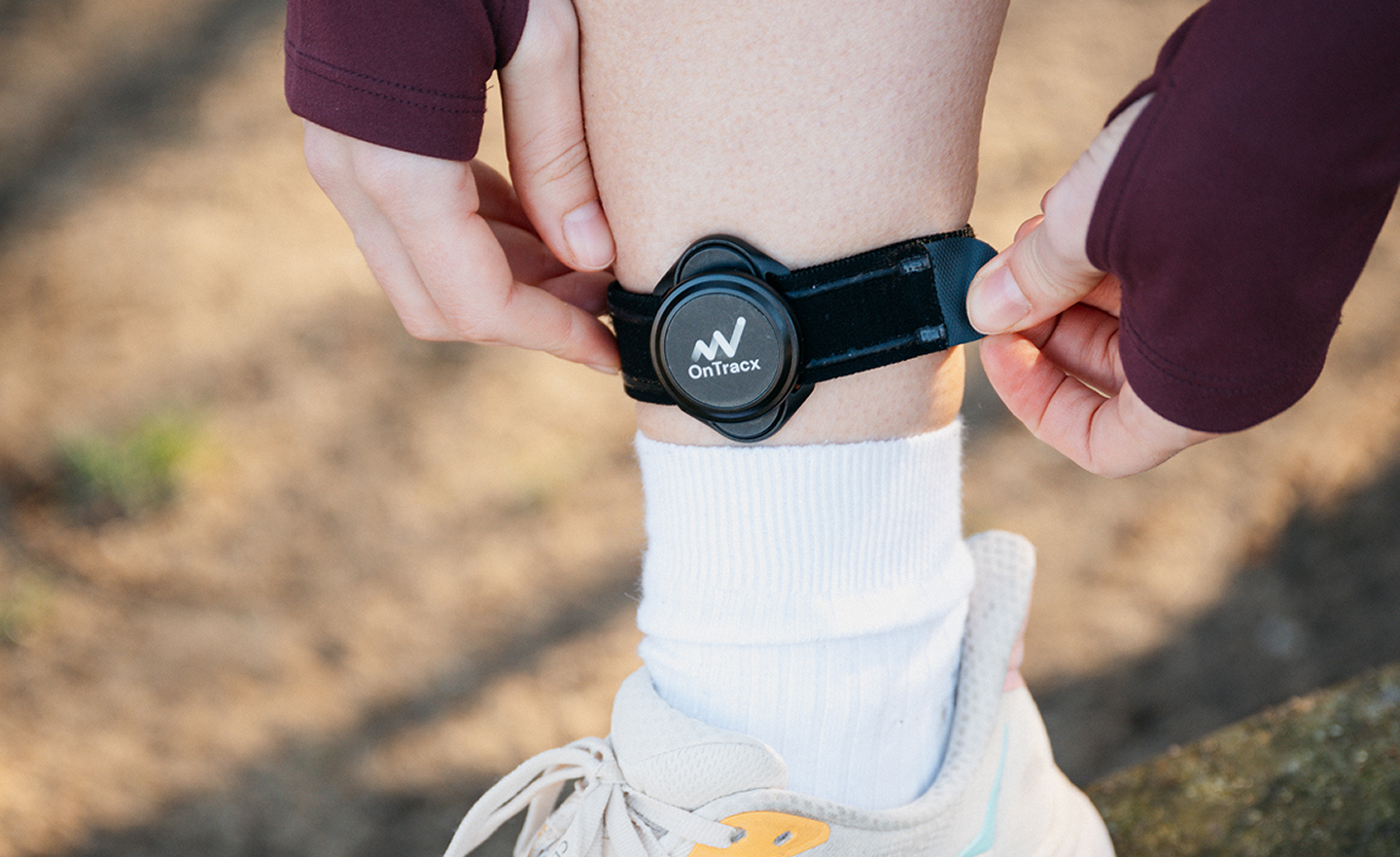
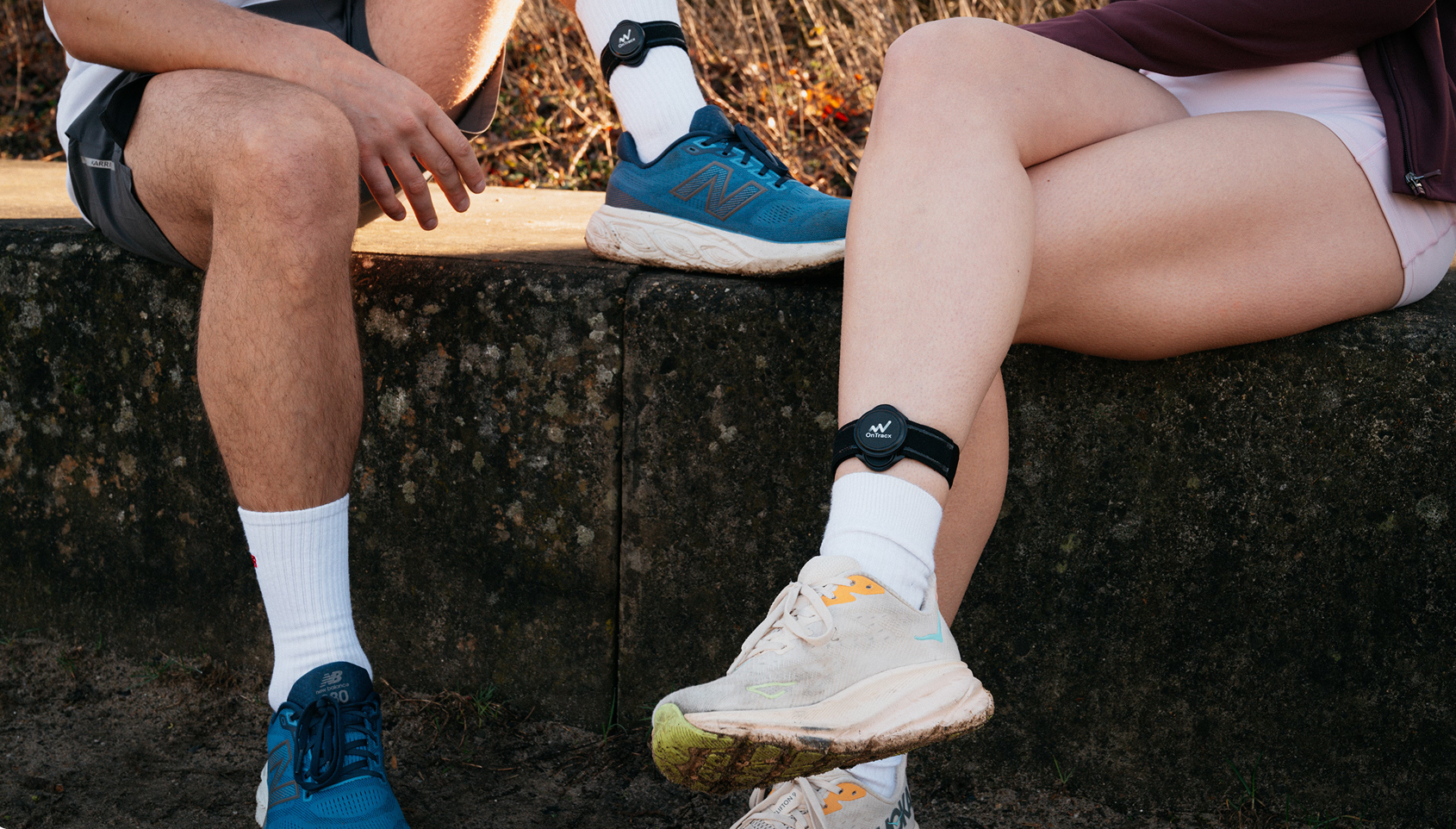
OnTracx combines a lightweight wearable sensor with a scalable data platform, enabling high-resolution biomechanical load tracking outside the lab.
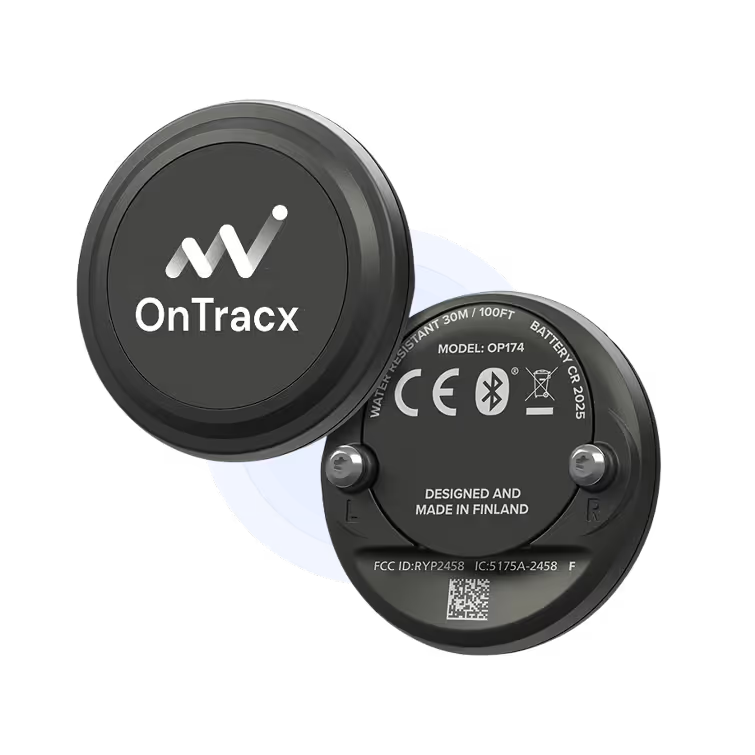
Our sensor calculates peak tibial acceleration instantly, saving you valuable processing time.
Water resistant up to 30 m / 100 ft so rain, sweat, or puddles won’t slow you down.
Only 10 g (0.35 oz) with a 36.6 mm diameter and 10.6 mm thickness—barely noticeable while you run.
Bluetooth keeps your runs synced to the app effortlessly.
Up to 1 month of typical running, or 8+ hours of continuous tracking.
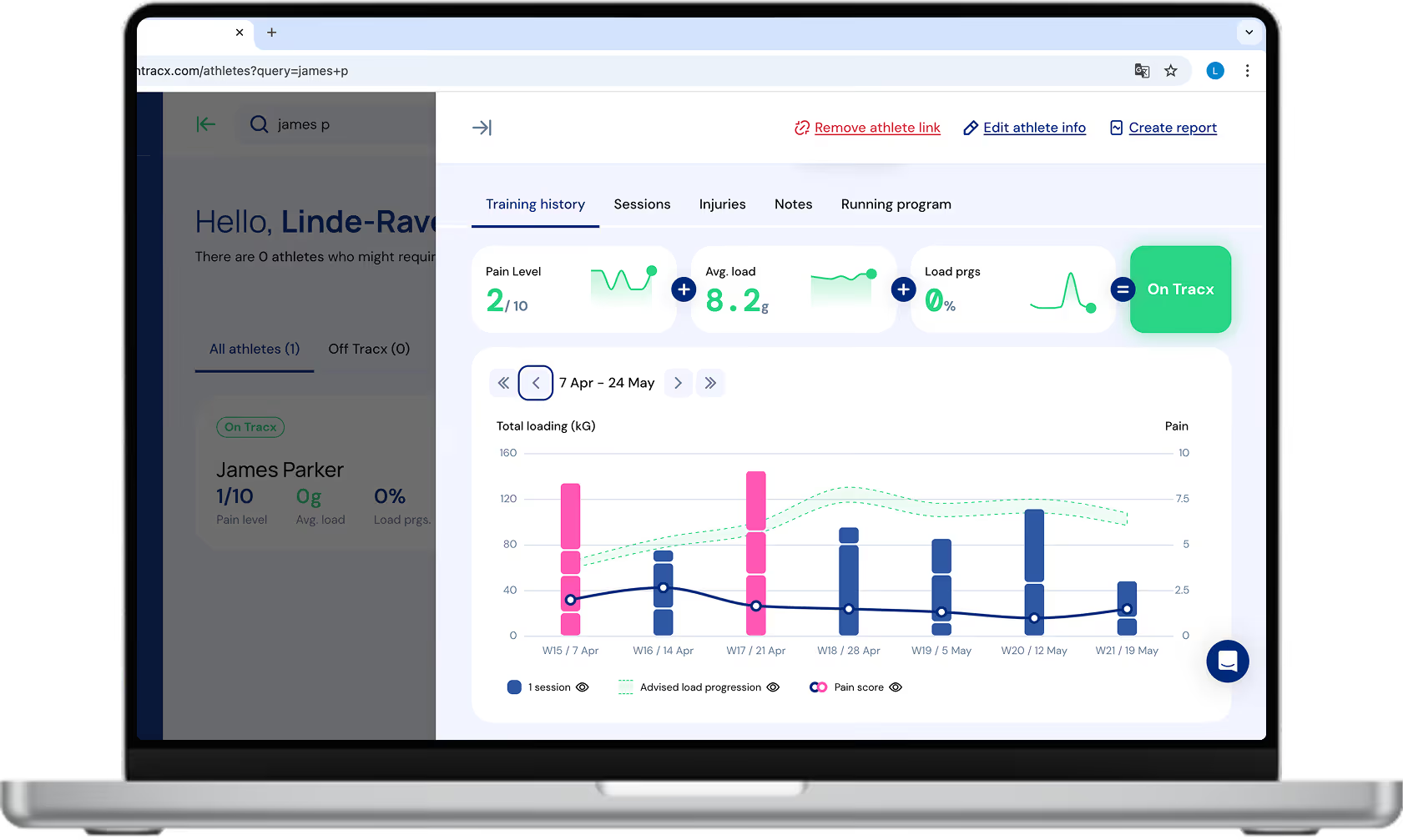
We’re a Ghent University spin-off, founded by three doctoral-level experts, with a growing team of in-house research talent.
We’re passionate about collaborating with researchers to bring running load insights from lab to real-world practice.
Extend validated biomechanical research beyond controlled settings and into everyday running, where real decisions are made.
Enable continuous, high-quality data collection during normal training and competition without altering athlete behavior or routines.
Work together to transform robust measurements into practical insights that support better research, care, and performance in the field.
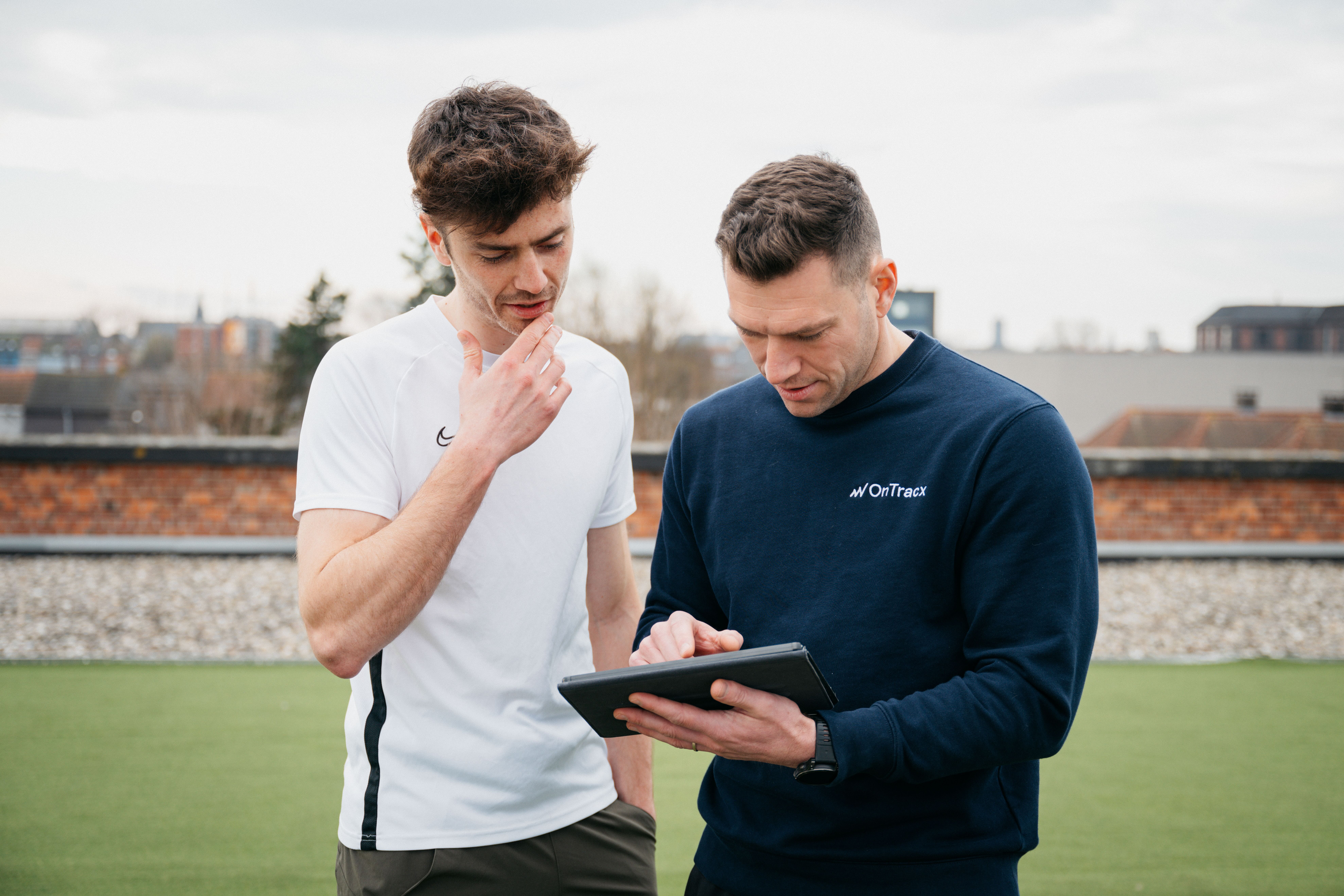
OnTracx delivers real world running load insights to your workflow.










































































Veerle Segers - Professor Running Biomechanics Ghent University
Read user stories

.avif)
OnTracx is built on biomechanical principles, co-developed with professionals, and validated against laboratory references. Explore our resources to understandhow we measure load and provide actionable insights.
We collaborate with universities, sports science institutes, and clinical research groups to design and implement field-based biomechanical studies.