Go back to all insights

Biomechanical adaptations following a music-based biofeedback gait retraining program
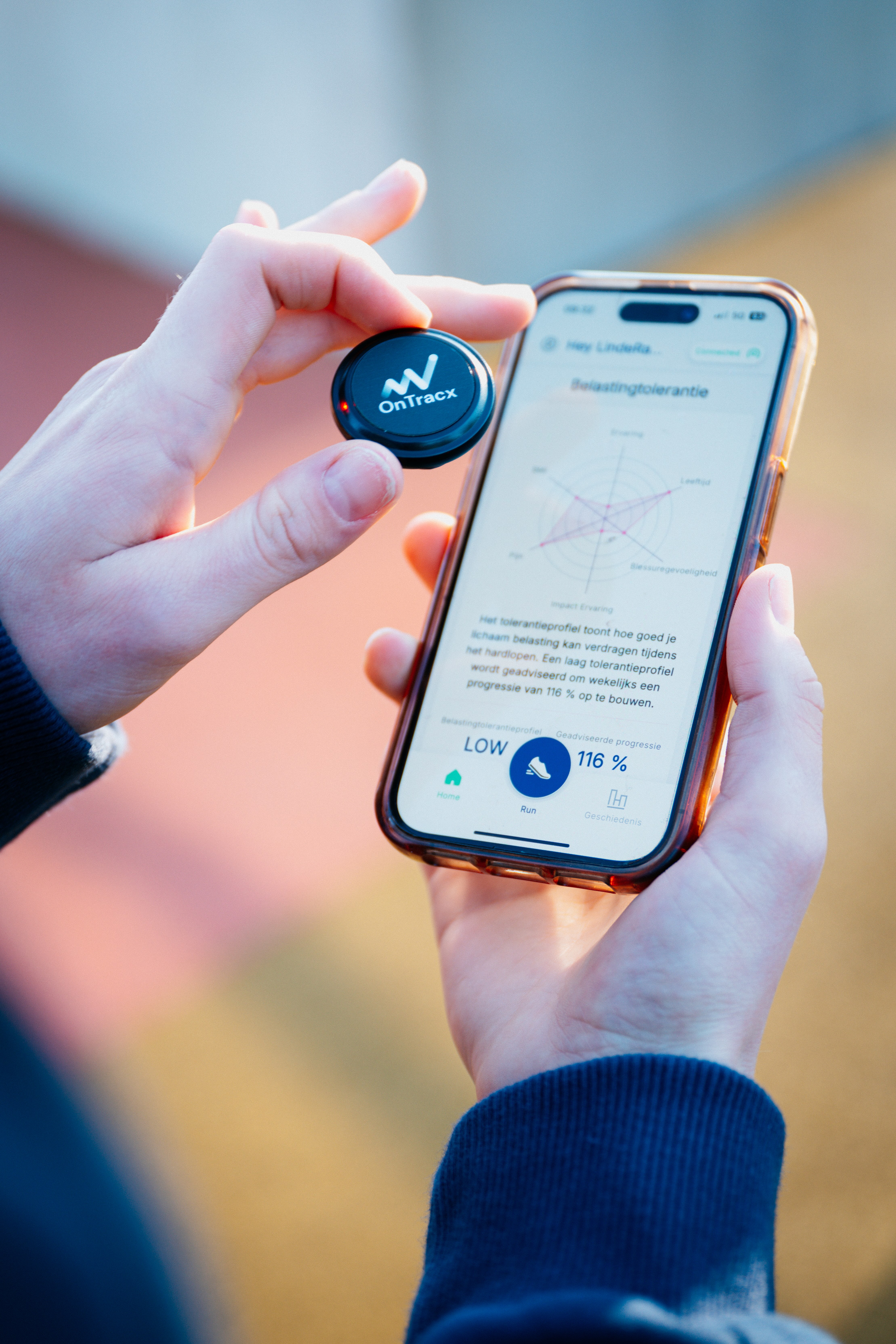
With real-time feedback on load, people can adjust running styles resulting in reduced impact forces.
21
/
04
/
2022
10
min read
Download this resource
Get instant access to our free resource and have it delivered straight to your inbox.
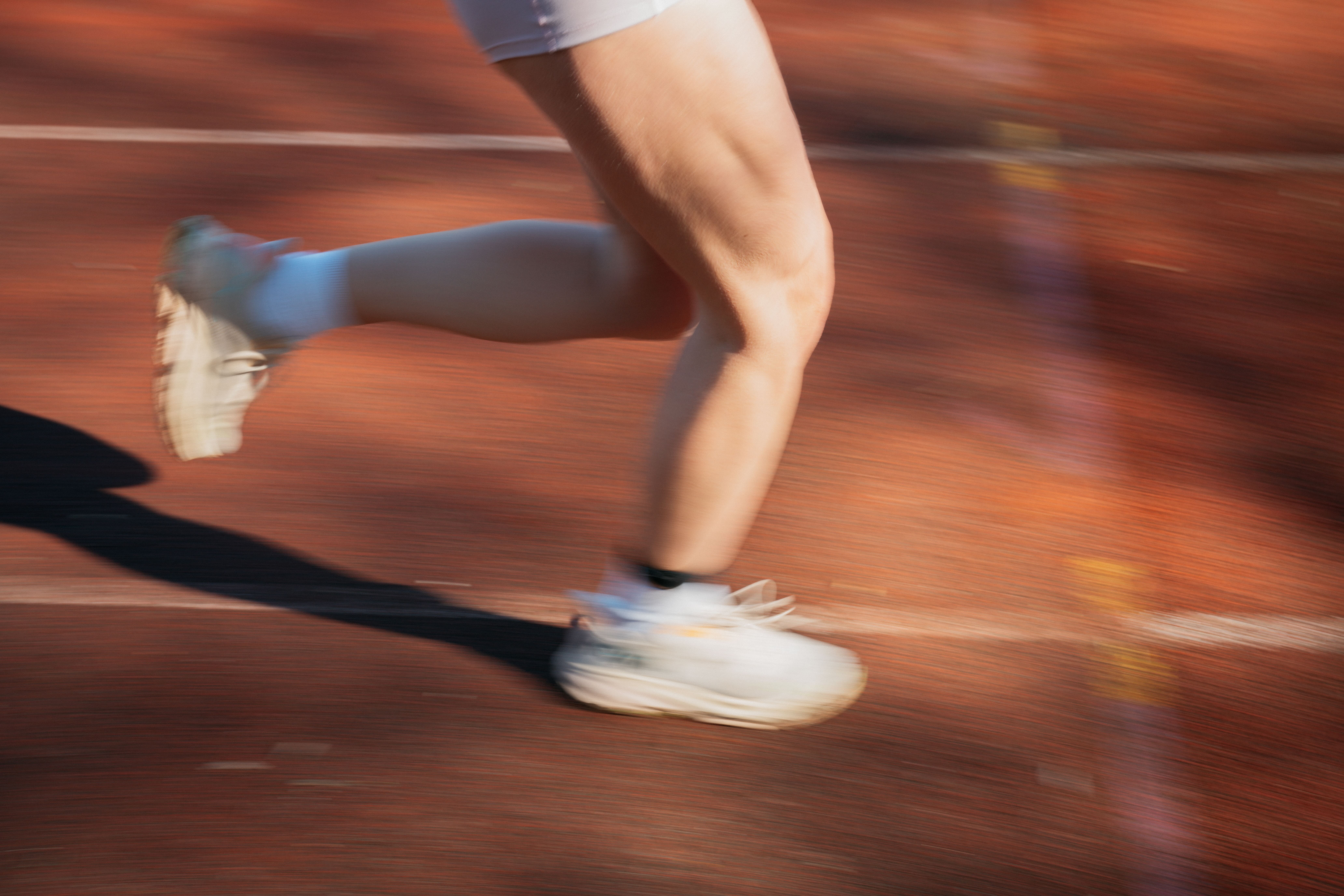
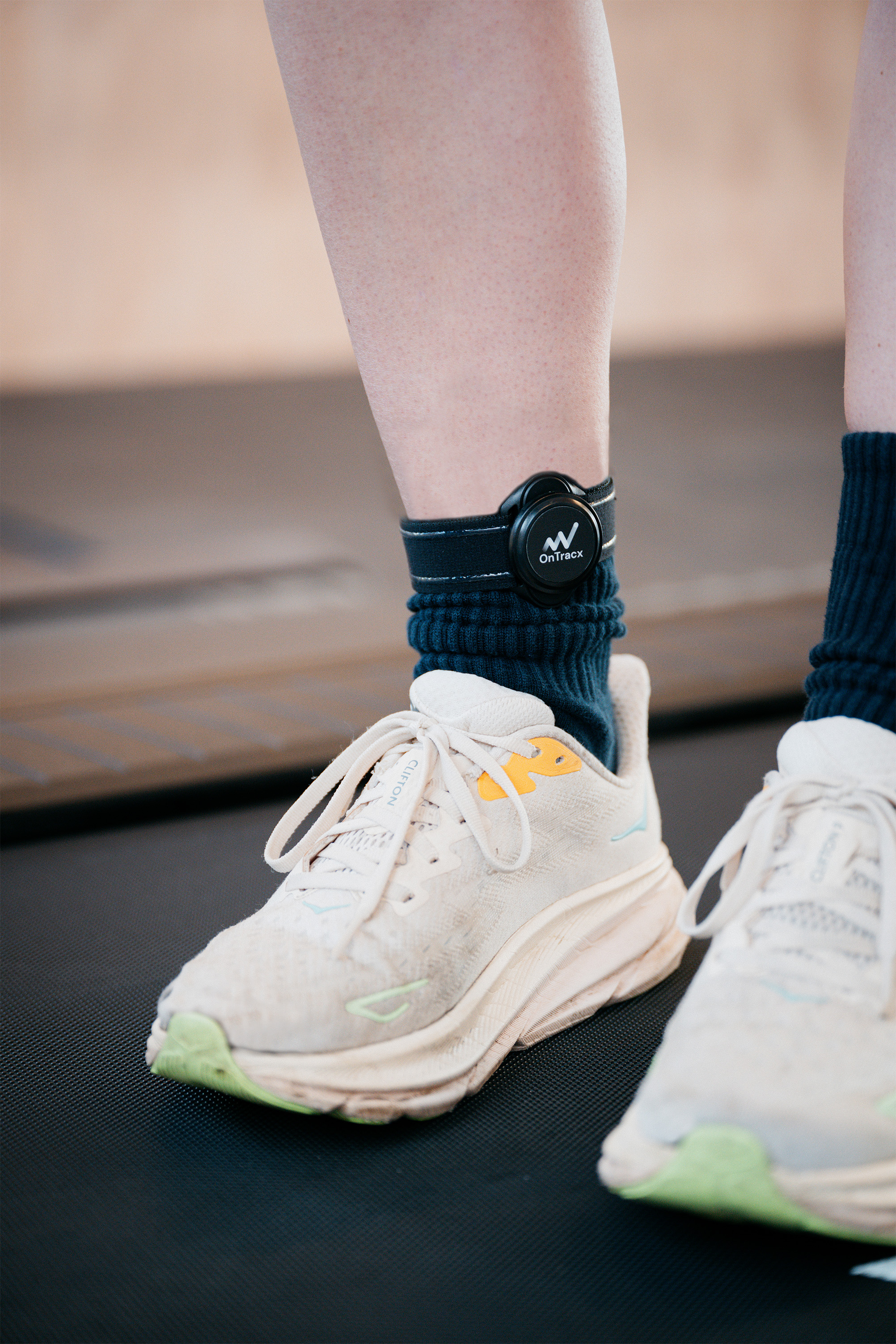
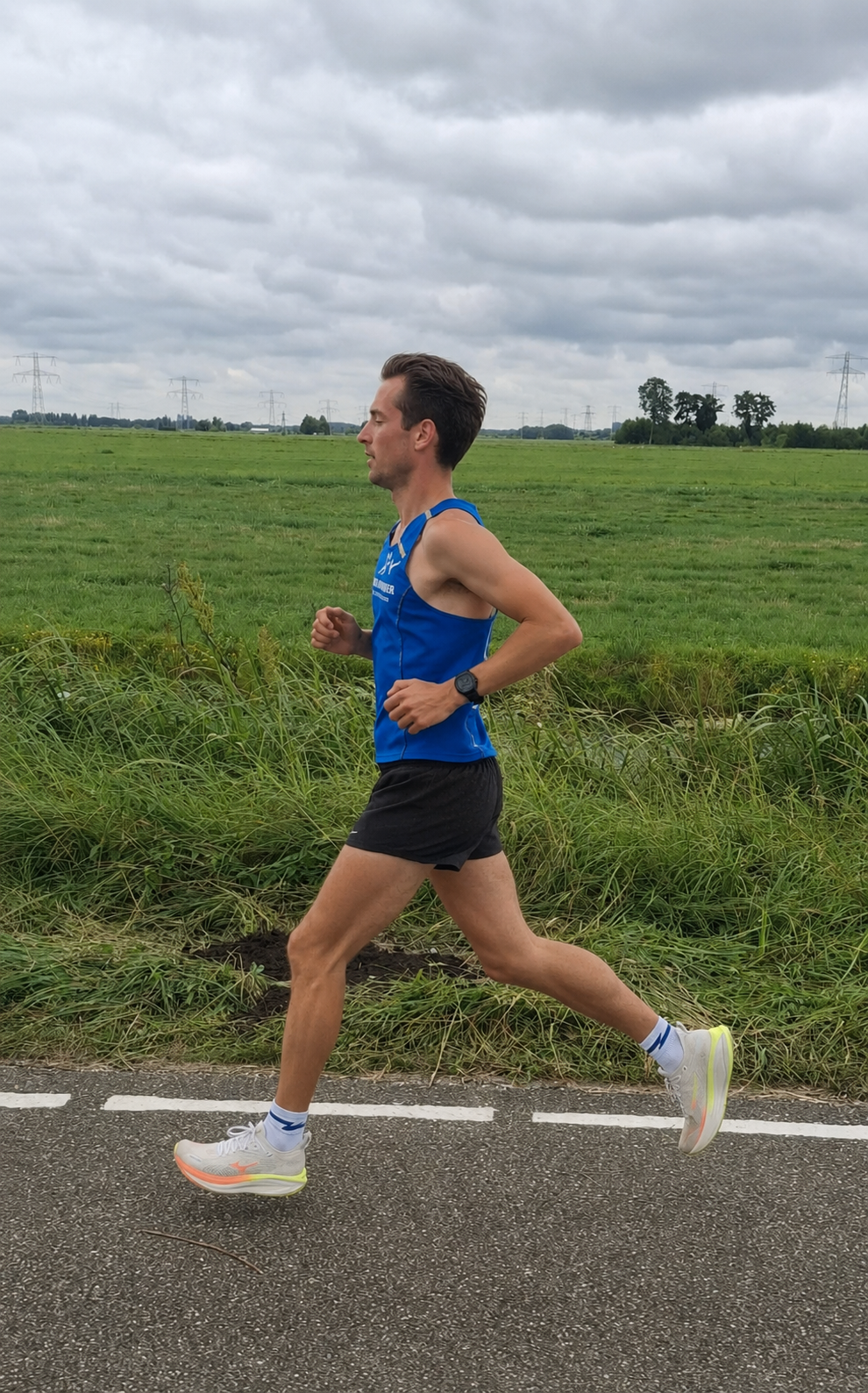
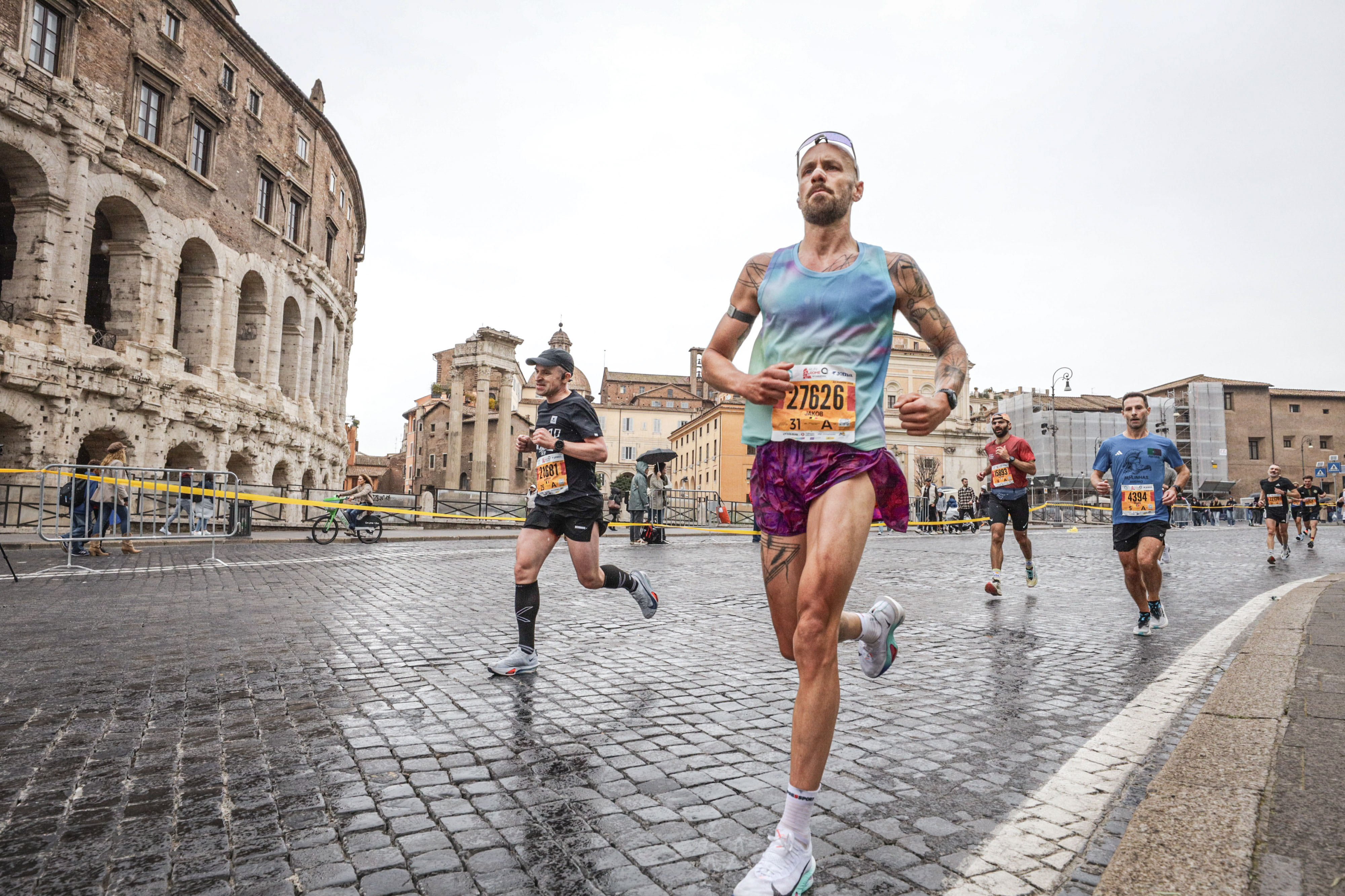
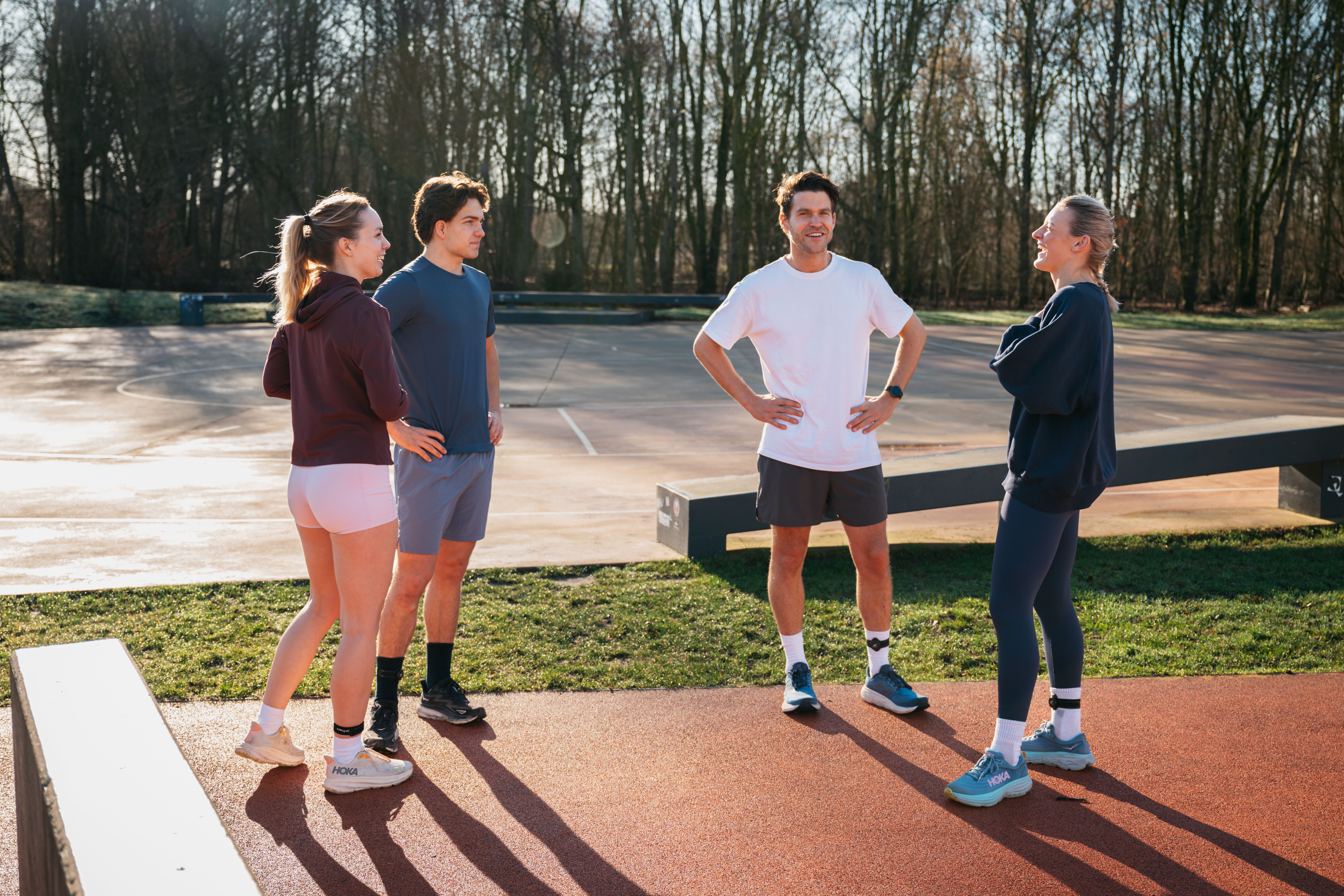
Providing runners with real-time feedback on load allows them to adjust their running style, leading to lower impact forces and potentially reducing injury risk. This study demonstrates that wearable biofeedback can effectively guide gait adaptations in outdoor running conditions.
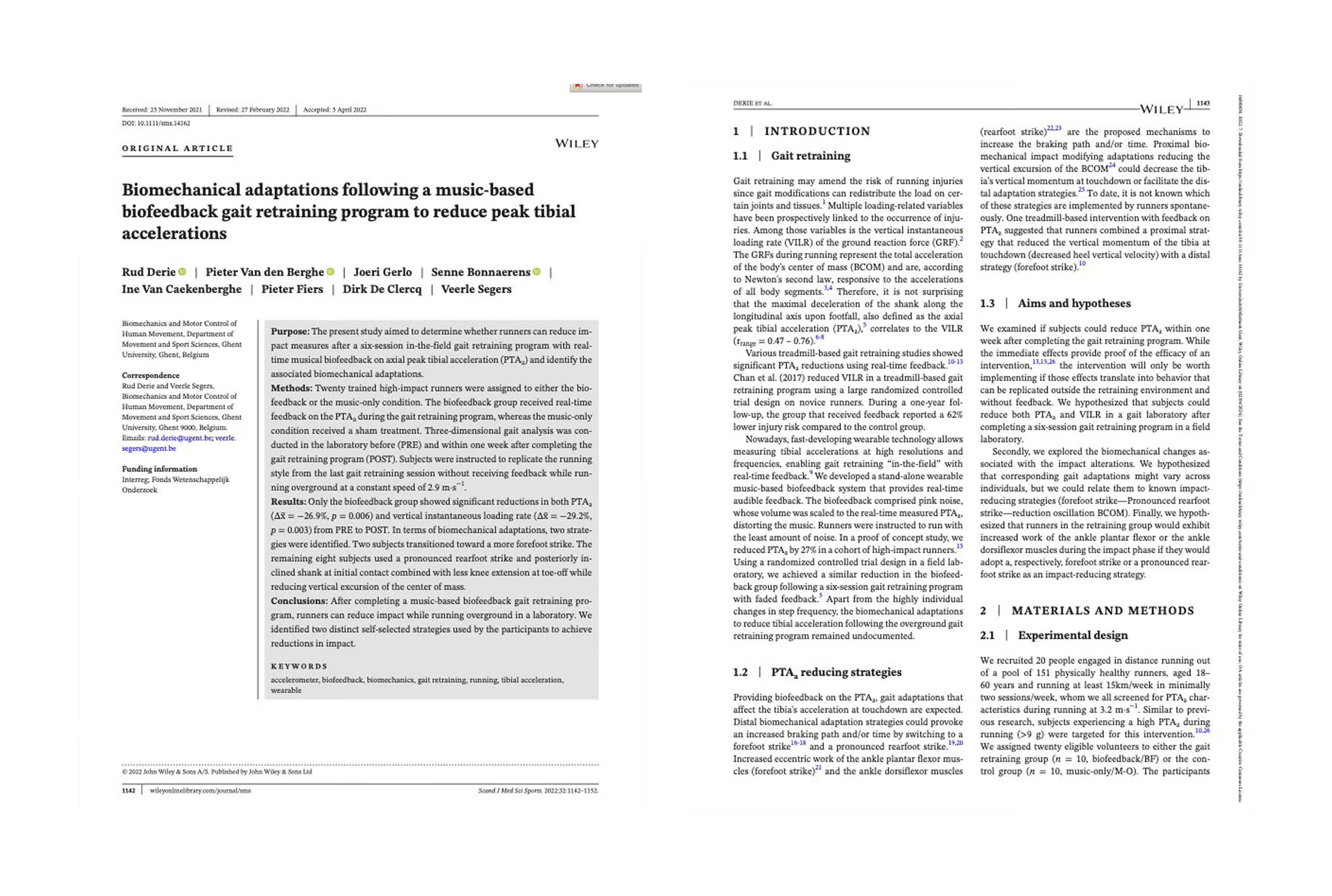
Biomechanical adaptations following a music-based biofeedback gait retraining program to reduce peak tibial accelerations
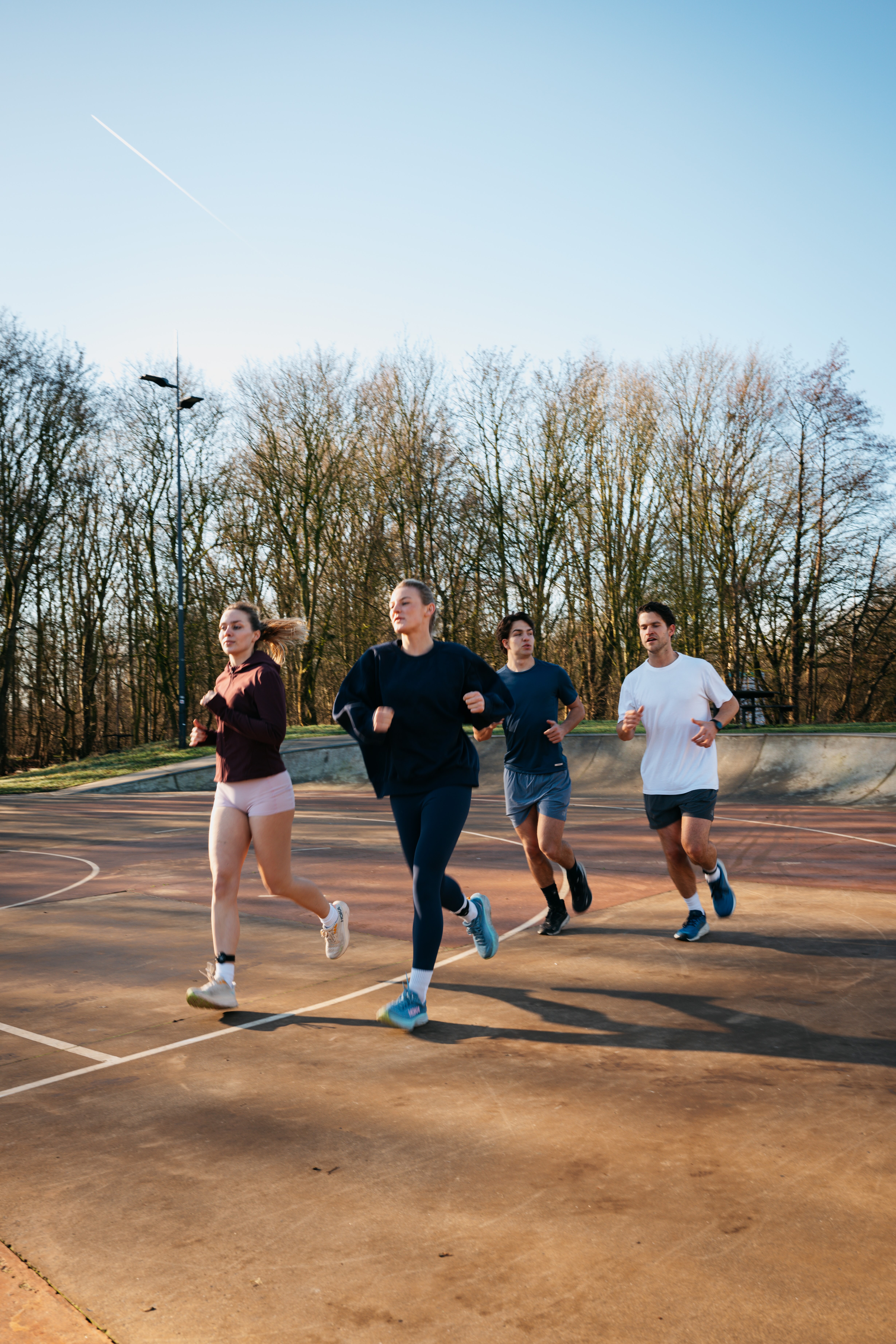
The present study aimed to determine whether runners can reduce impact measures after a six-session in-the-field gait retraining program with real-time musical biofeedback on axial peak tibial acceleration (PTAa ) and identify the associated biomechanical adaptations.
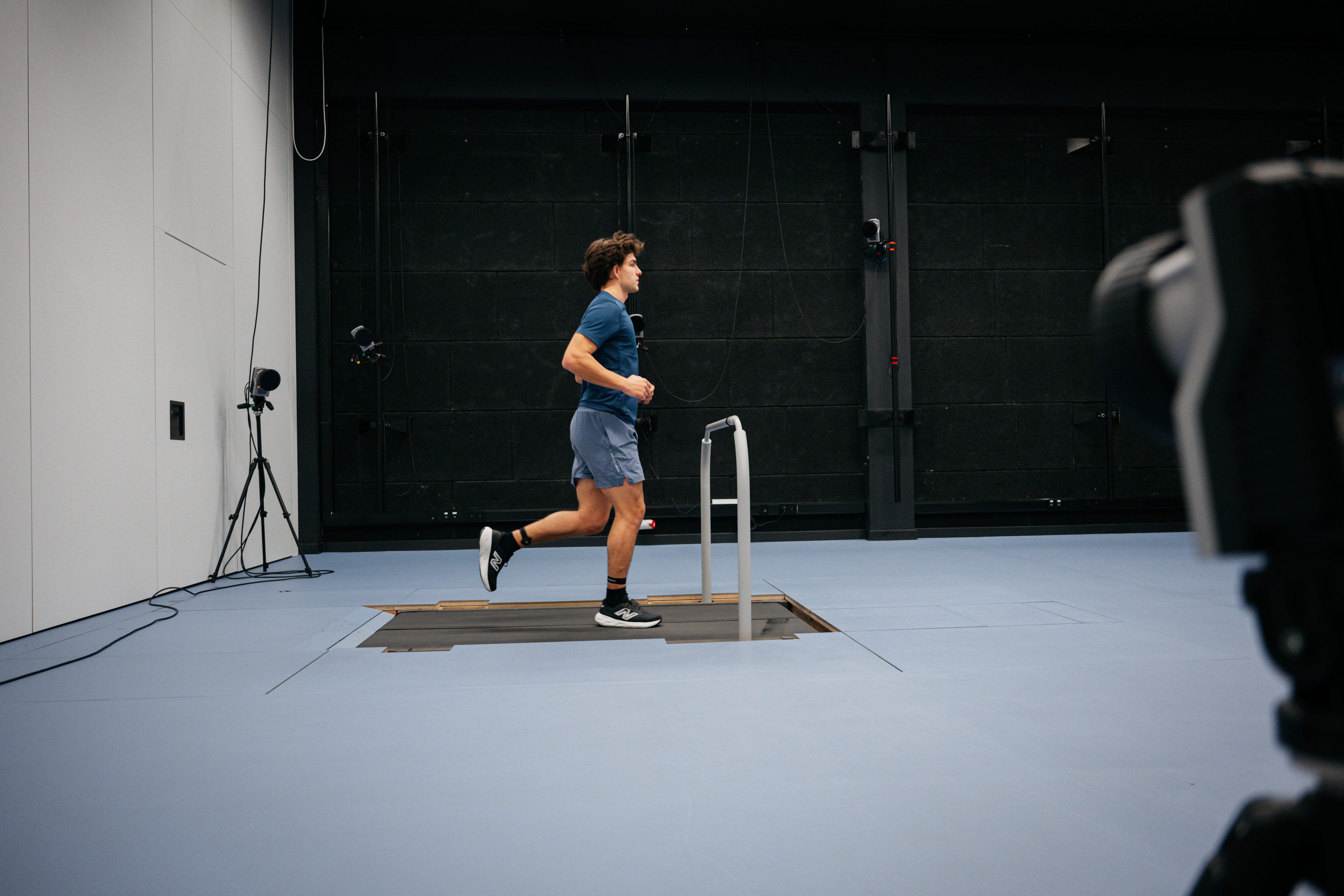
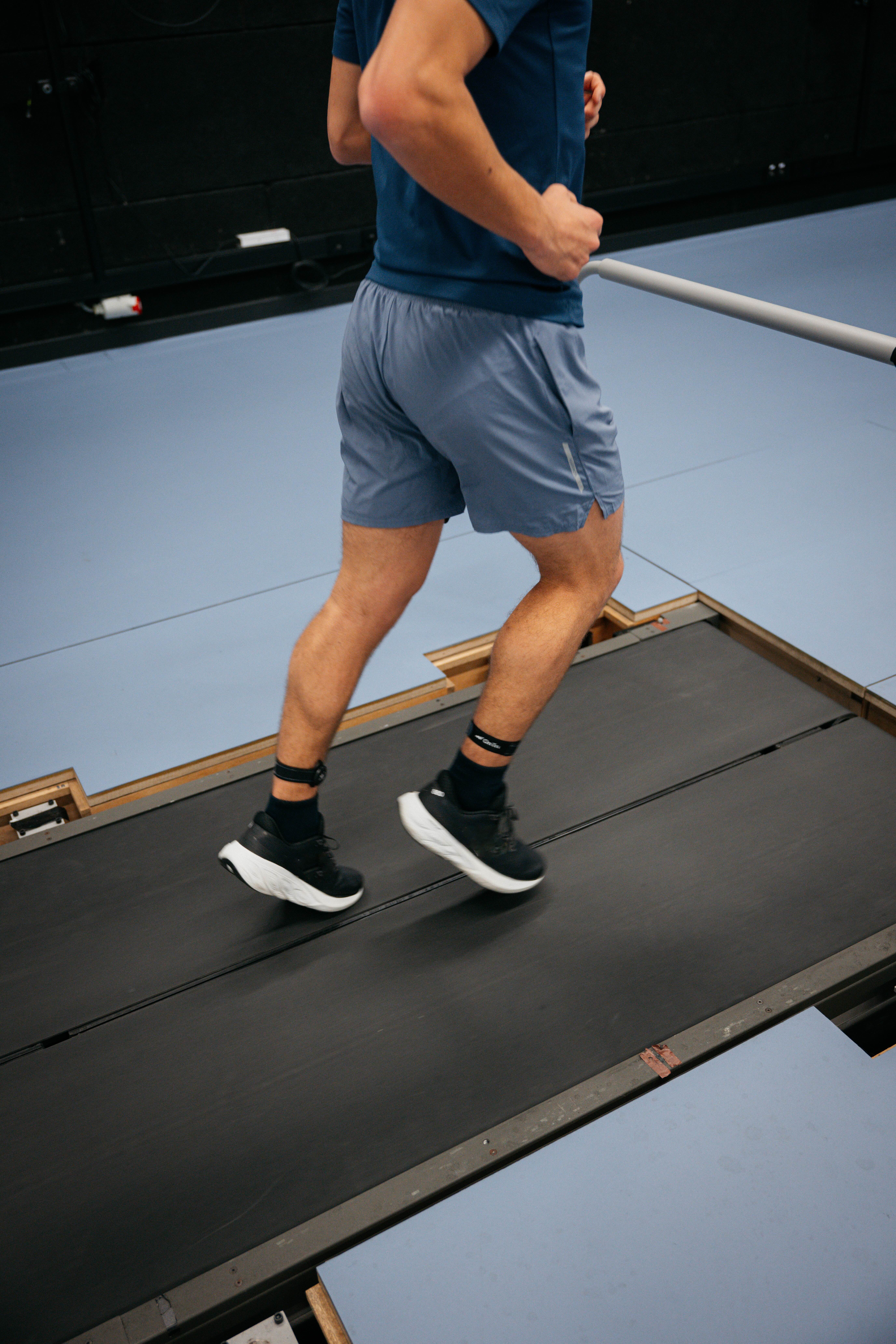
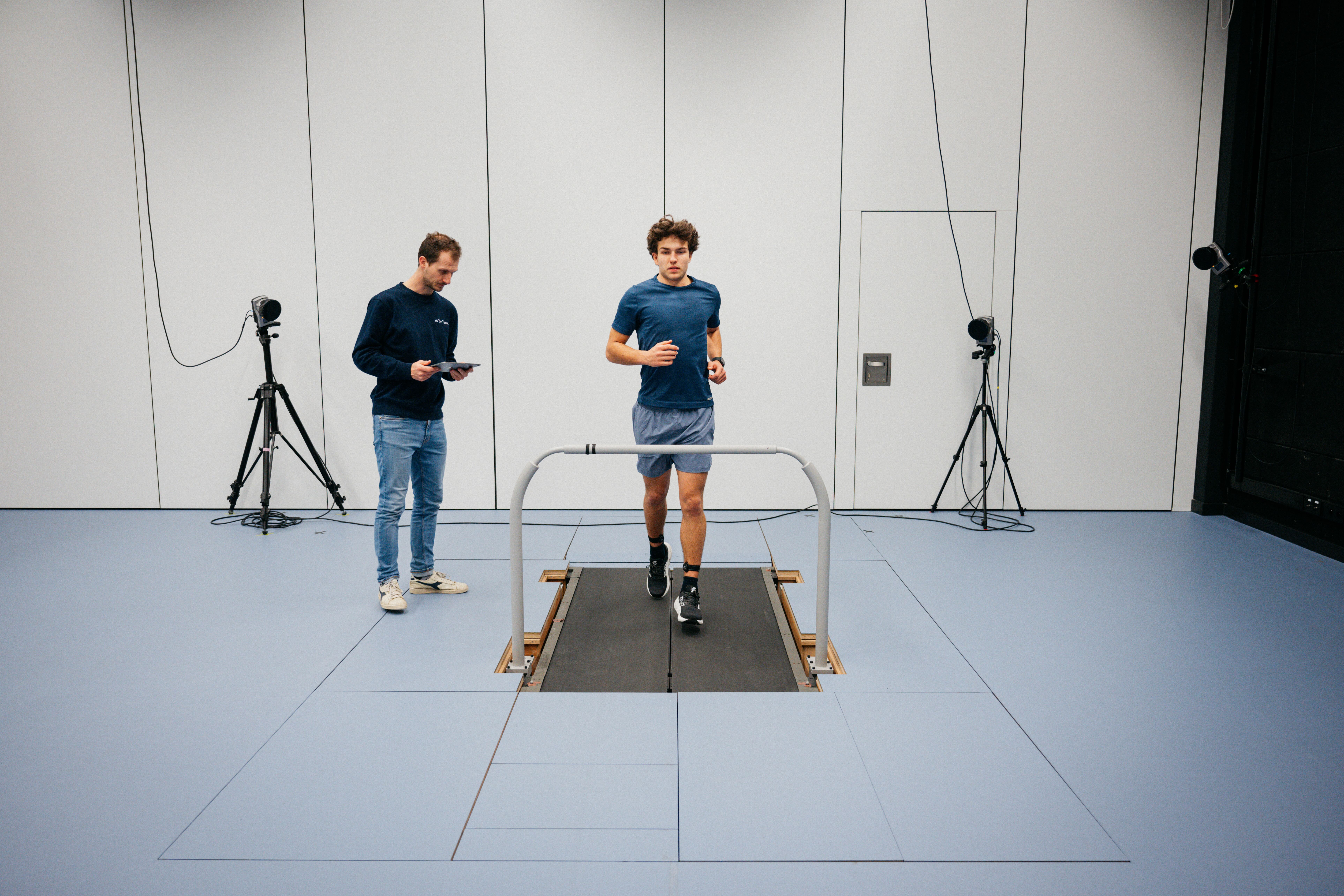
Twenty trained high-impact runners were assigned to either the biofeedback or the music-only condition. The biofeedback group received real-time feedback on the PTAa during the gait retraining program, whereas the music-only condition received a sham treatment. Three-dimensional gait analysis was conducted in the laboratory before (PRE) and within one week after completing the gait retraining program (POST).
.png)






%20(5).png)

%20(3).avif)
%20(4).avif)

.jpg)