Breakdown of common training errors that may lead to running injuries and how to prevent them
10
/
03
/
2025
5
min read

TABLE OF CONTENTS
auteur
Senne Bonnaerens
Share


The role of mechanical load in overuse injuries
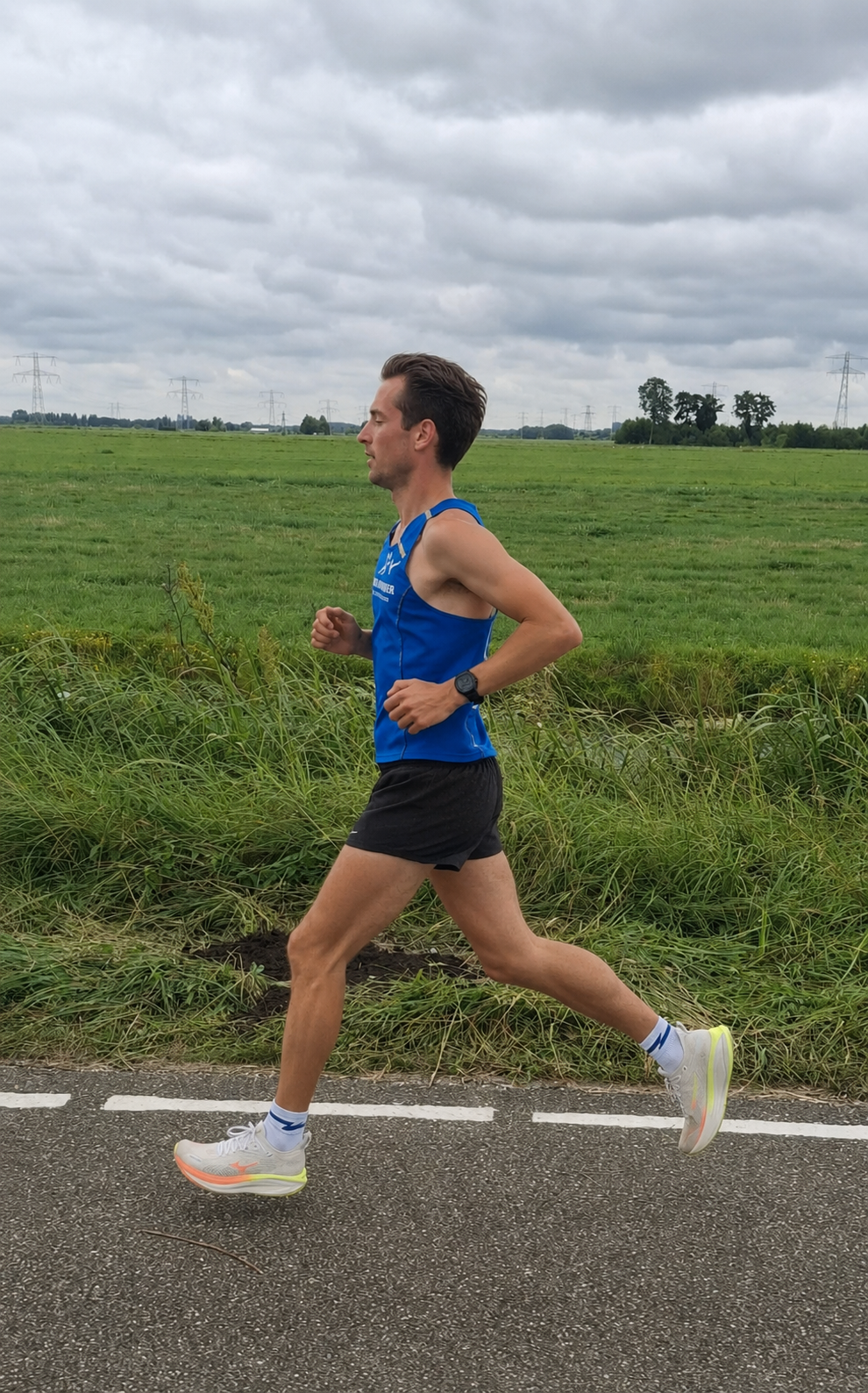
Running is one of the simplest and most accessible types of exercise, but despite its simplicity, many runners find themselves sidelined by injuries. Overuse injuries are a major problem, with studies estimating that up to 79% of runners experience them at some point (Buist et al., 2007).
While some might think these injuries are just bad luck, the reality is that most overuse injuries are caused when the load on your body becomes too high. This because every time your foot hits the ground, there’s a certain force your muscles and bones need to absorb (also called mechanical load) to prepare for the next step. Once that load becomes too high for your body to handle (also called load tolerance), overuse injuries occur.
Often however, the occurrence of running injuries are attributed to for example a ‘wrong’ running style, choice of footwear, surface type, and so on. Although this is (partly) true, it actually comes down to how these parameters influence the mechanical load that runners experience.
For example:
“Footwear with ‘more’ cushioning material can lower the experienced load, thereby reducing the risk of overuse injuries. However, science shows us that this type of footwear can also change the running style of runners in such a way, that it increases the load – thus having a higher risk of sustaining an injury”.
So all these parameters, such as footwear, surface type, running style, speed, and so on – all have an influence on the experienced load. Unfortunately, that effect is quite complex and can be different for every runner.
Doesn’t a gradual increase in training volume suffice to run injury-free?
Unfortunately, no.
One commonly cited guideline for injury-free running is the 10% rule. This rule suggests that runners should not increase their training volume by more than 10% per week to prevent injuries. Unfortunately, the 10% rule does not significantly reduce the amount of injuries according to research by Buist et al. (2007), because the experienced load does not only depend on volume, but also on the aforementioned parameters (and even much more).
For example:
“Running 5k at 10 km/h or at 12 km/h can increase the experienced load up to 30% -although running exactly the same volume”.
The key to injury prevention lies in managing this mechanical load effectively, as research shows that 80% of running injuries are caused by excessive load, rather than just training volume. This means that a high number of these injuries could be avoided with the right training plans.
Let’s have a look at the most common training errors
Abrupt changes in load are a major factor in overuse injuries, as the body needs time to progressively adapt to increasing demands. Research by Nakaoka et al. (2021) suggests that runners who often experience load spikes, whether due to increased volume, intensity, or sudden shifts in training patterns, are at a higher risk of injury. Understanding how these training errors contribute to load spikes is key to preventing injuries and ensuring safer, more consistent progress.
- Too much, too soon: Rapid increases in volume, frequency, or intensity have a large effect on the experienced load. Don't assume that gradual distance increases equal gradual load increases and avoid increasing multiple factors at once. Read more about it in this blog post.
- Peak long runs: A recent study from Frandsen et al. (2025) shows that if your peak long runs are more than 10% longer than your longest run the last 30 days, your risk of an overuse injury rise significantly. Read more about it in our other blog post.
- Too much high-intensity training: Increasing speed has an enormous effect on load, which is very individually tuned. Too much high-intensity, especially for people with low load tolerance, is one of the main reasons for sustaining an injury.
- Too high initial load: Starting with high amounts of load can lead to early-stage injuries. Research indicates that beginners or those returning after a break should introduce lower initial training loads and progressively build up to allow physiological adaptation (Gabbett, 2016).
“In these cases, the question quickly arises what too much or too high load actually means? By using OnTracx, you can measure mechanical load in a very simple way, and avoid these common training errors that may result in overuse injuries.”
How the use of Acute:Chronic Workload Ratio (ACWR) helps you prevent training errors
Acute:Chronic Workload Ratio (ACWR) is a method used to measure and manage training load over time, helping to balance load and recovery to reduce injury risk. It compares acute workload (short-term training load, typically over one week) with chronic workload (long-term training load, averaged over several weeks). This ratio provides insight into whether an athlete is progressing at a sustainable rate or increasing their risk of injury.
By integrating ACWR monitoring into training plans, athletes and coaches can avoid many of the common training errors that lead to overuse injuries. For instance, instead of increasing training volume, intensity, and frequency simultaneously, a structured progression using ACWR as a guideline can ensure that each adjustment is within an athlete’s adaptive capacity and increase load in a controlled manner.
Research suggests that an ACWR between 0.8 and 1.3 is the optimal range for improving performance while keeping injury risk low. When the ratio exceeds 1.5, it indicates a rapid spike in workload that the body may not be prepared to handle, significantly increasing the likelihood of injury. Conversely, an ACWR below 0.8 suggests insufficient training, which may leave athletes underprepared and more susceptible to injury when workloads eventually increase.

Importance of load management in return-to-run & post-rehab
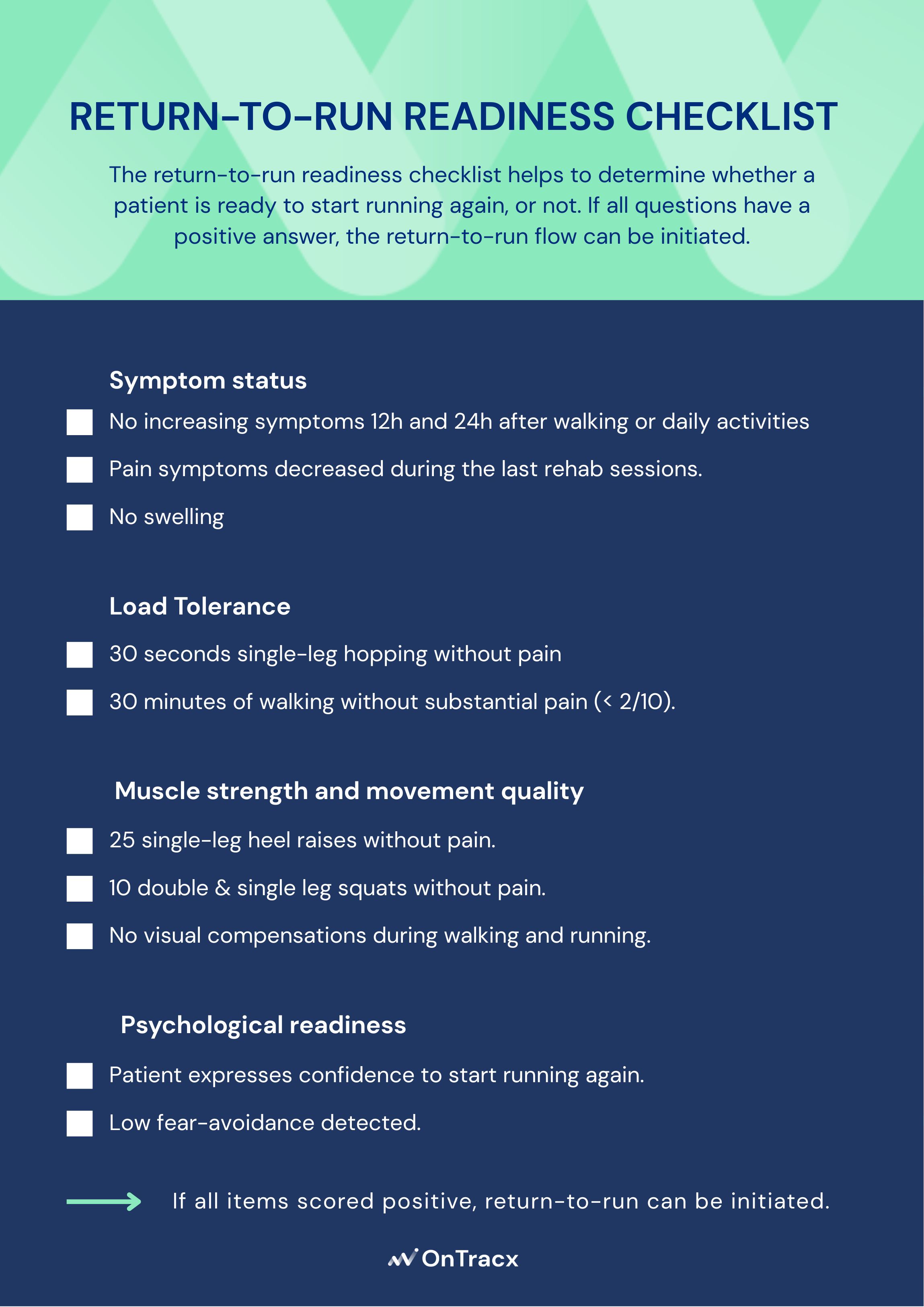
A common pitfall in the return-to-run process is underestimating the difference in load per repetition between rehab exercises and actual running. While a single repetition of the most common rehab exercises (e.g., squat jumps, step-ups,…) applies a relatively low load to the body, each running step produces much higher amounts of load. However, the big difference is that we take much more steps during running, compared to the amount of exercises performed in rehab.
For example:
“Research highlights that even low-intensity running can generate 12 times more total load compared to a typical rehab session when accounting for total repetitions.”
This study by Paquette et al. (2022) indicates that there is an abrupt transition from rehab exercises to running, which can create large load spikes, increasing the risk of re injury – as is shown in the graph below:

A call for individualized training approaches using wearable technology
Every runner responds differently to factors that affect load, making one-size-fits-all guidelines ineffective for injury prevention. Variables like running speed, style, footwear, and surface type all influence how the body absorbs mechanical load. Understanding these individual differences is key to optimizing training and reducing injury risk.
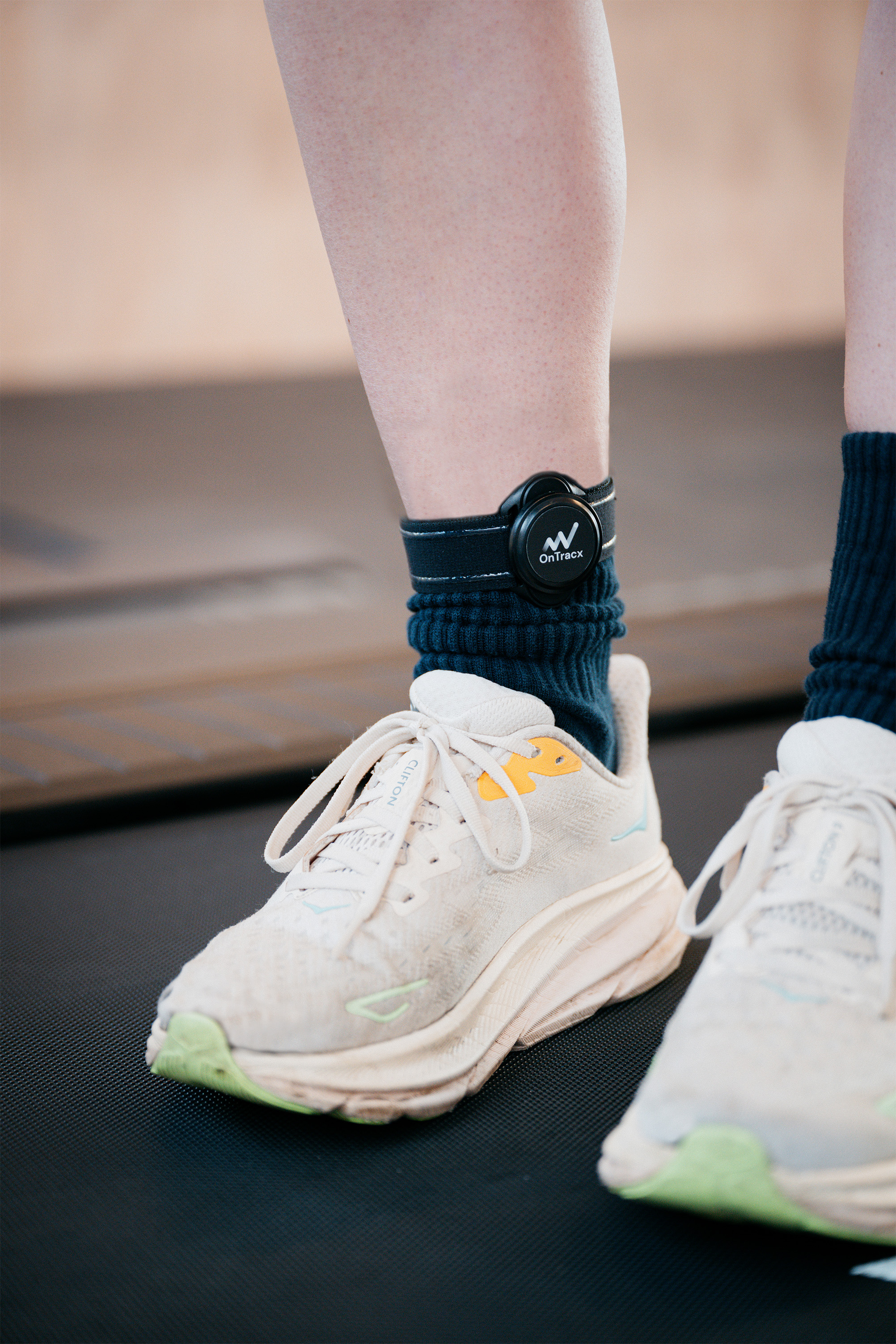
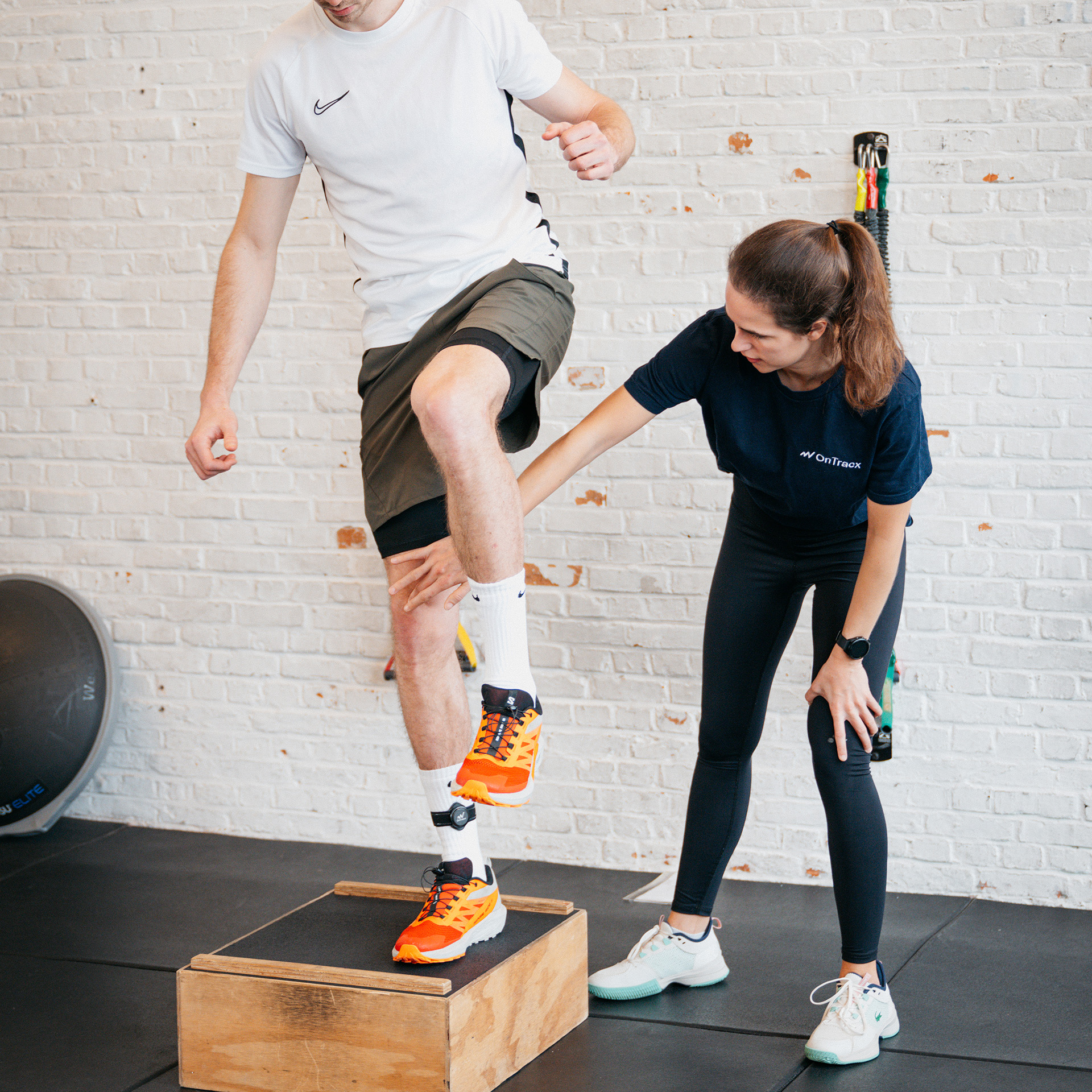
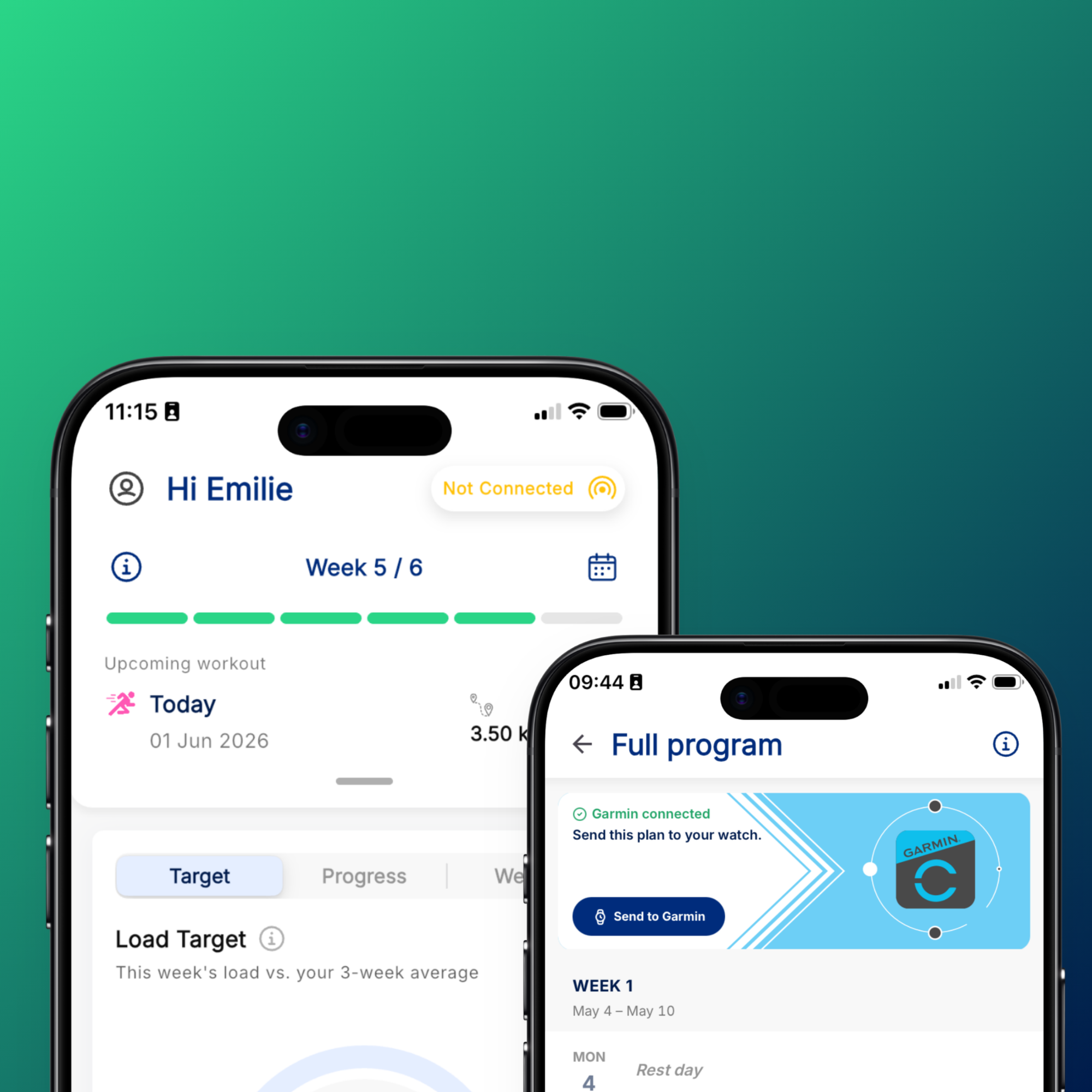
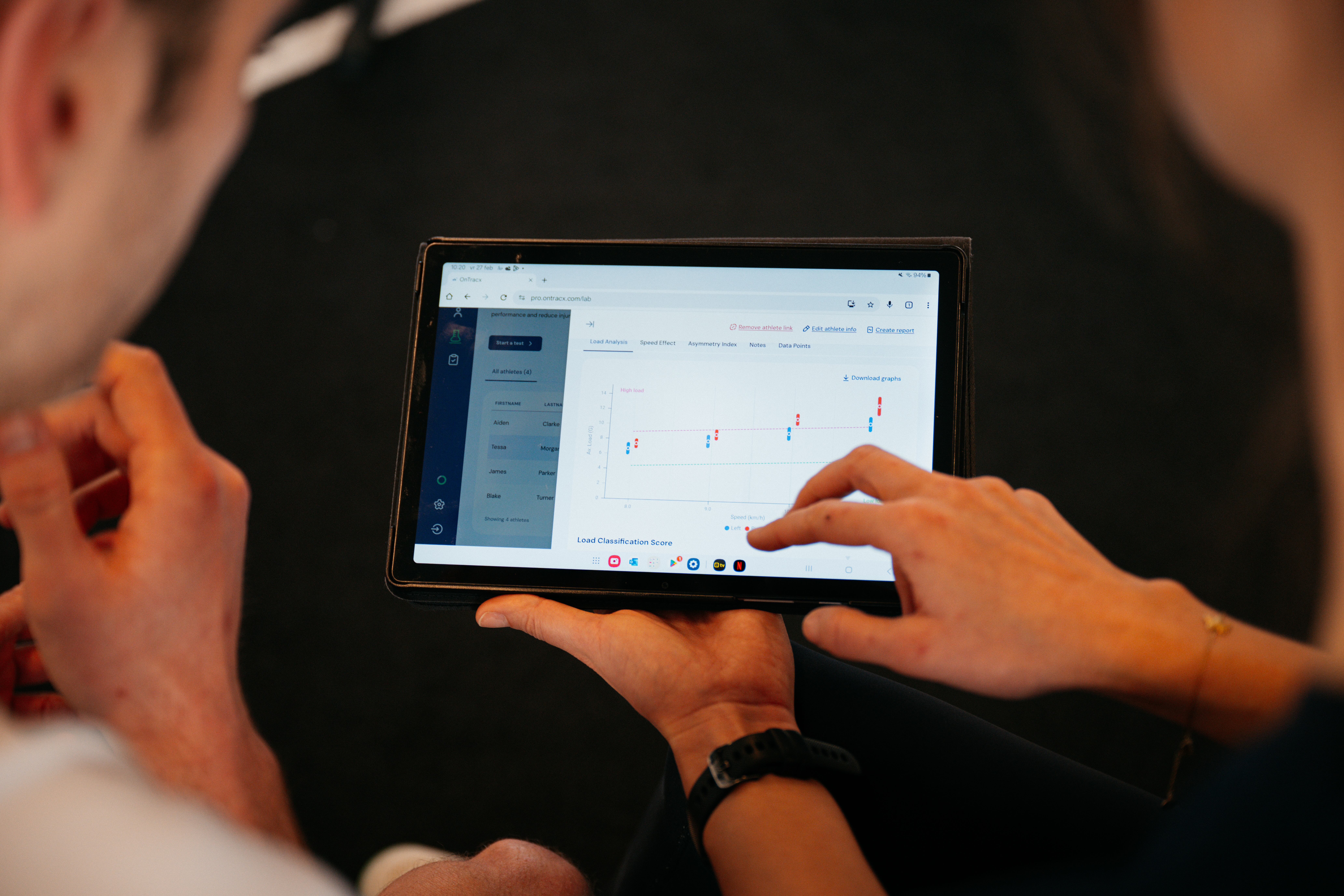
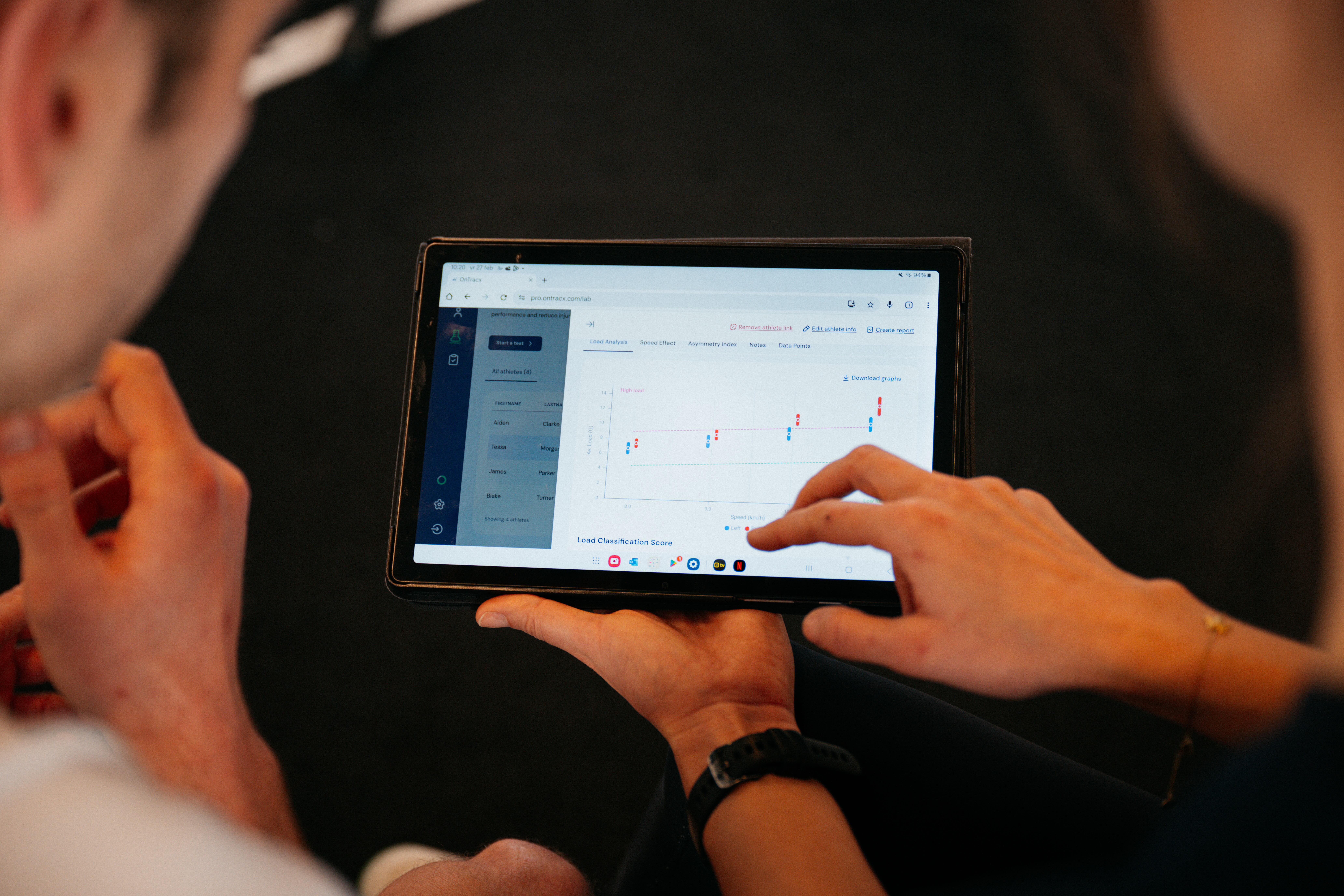
Literature shows that sensors like OnTracx can quantify load in a validated way, allowing you to see your load in real-time, receive feedback on whether an athlete is approaching an unsafe ACWR threshold, and ensure athletes stay within safe progression limits. By measuring mechanical load objectively, runners, healthcare professionals and coaches can make data-driven decisions to optimize training plans, reduce injury risk, and improve performance.
Tip: Learn more about preventing overuse injuries through load management in this article.
So how can OnTracx help exactly?
- OnTracx measures the ‘actual’ load during your running sessions, and can thus show you the effect of footwear, surface, running style, and so on – on the experienced load.
- OnTracx defines a ‘safe load progression zone’, based on the Acute:ChronicWorkload Ratio (ACWR). This ratio compares recent training loads with the load experienced during the previous weeks, and indicates what a gradual built up looks like in your case.
- OnTracx takes load tolerance into account. Load tolerance is the resistance your body has to deal with the experienced load during running. OnTracx takes this into account when defining your ‘safe load progression zone’.
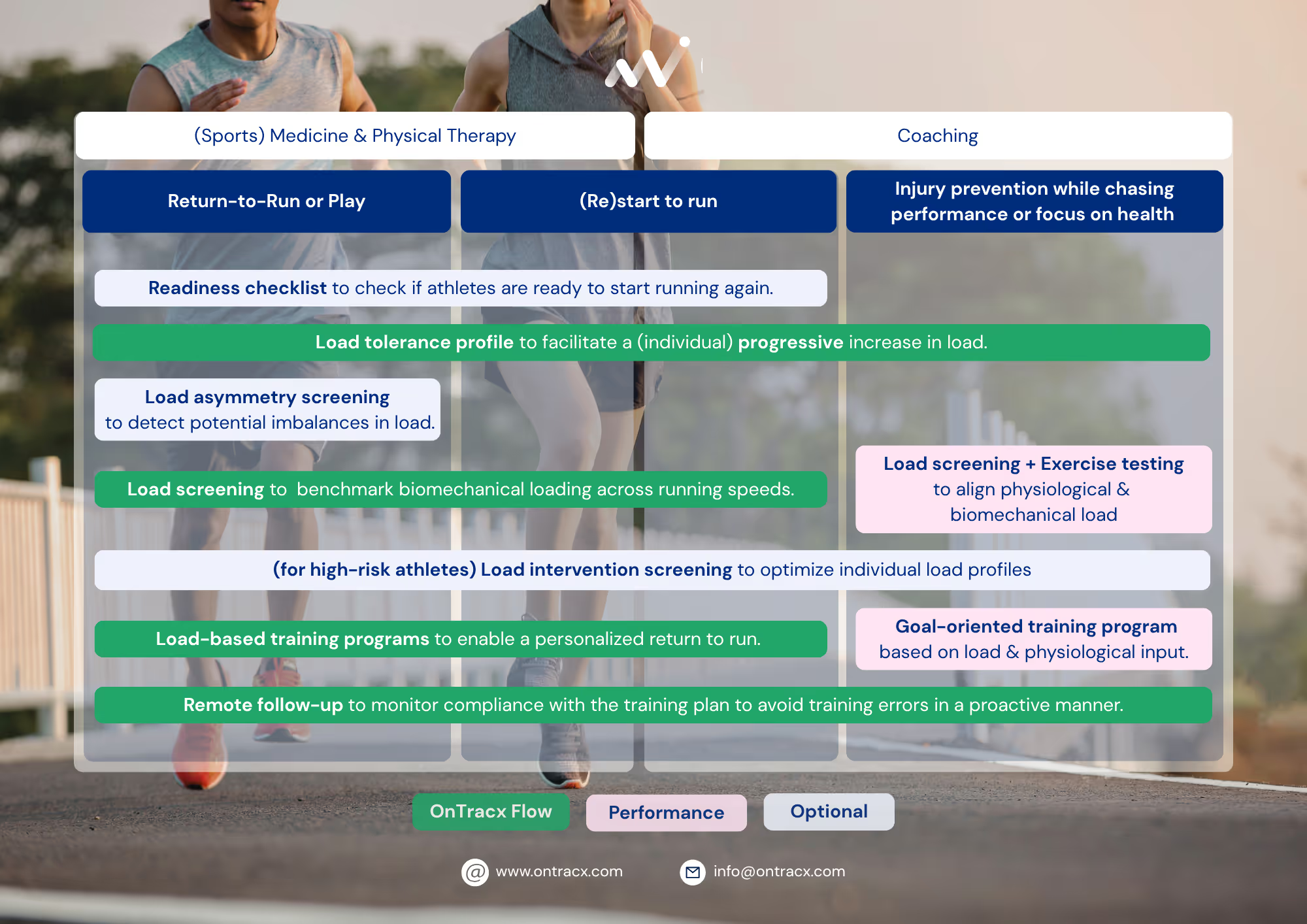
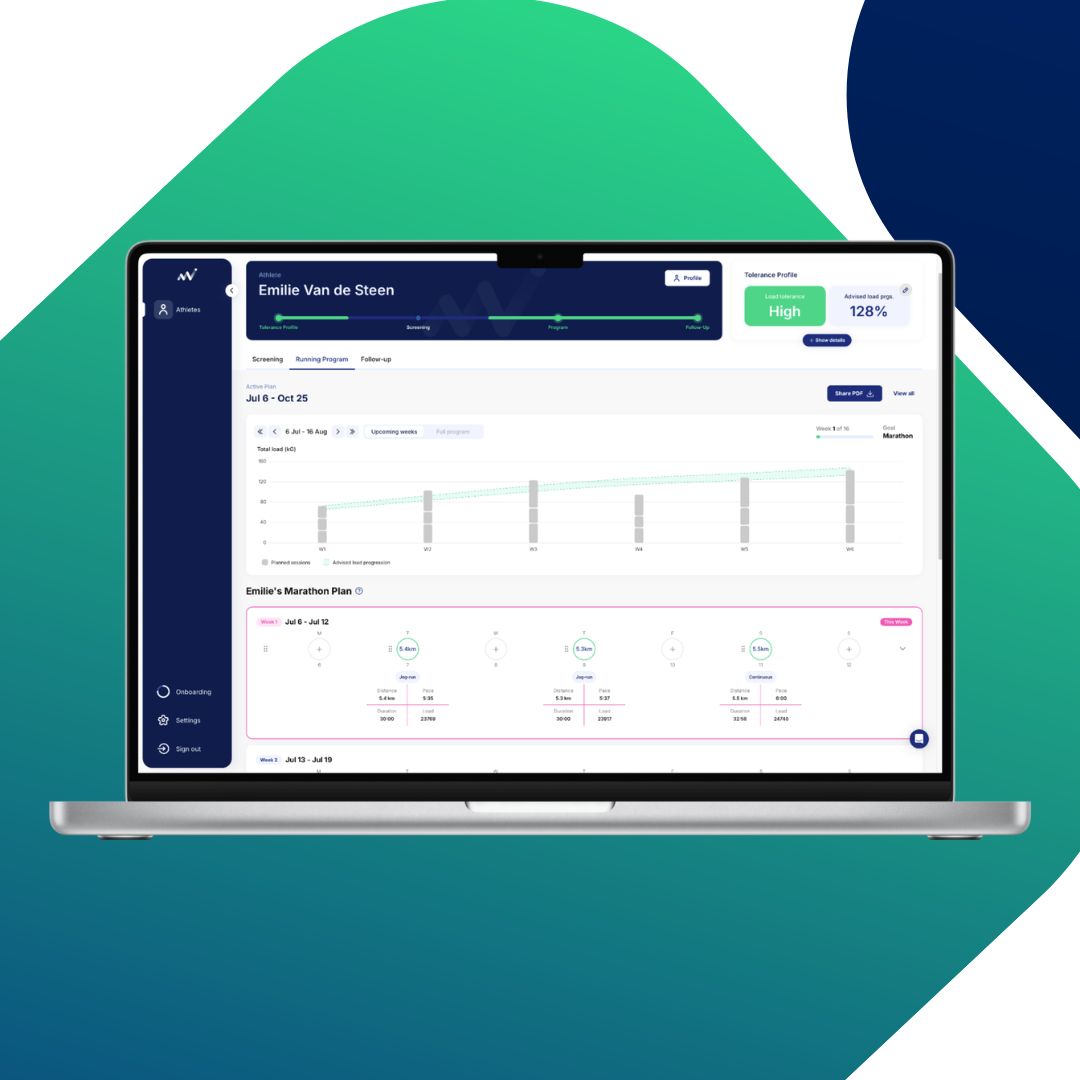
- Shortly, we will launch a load management software platform designed to help healthcare professionals and coaches connect the dots between rehab, injury prevention, and performance. This platform will enable experts to: (a) optimize a runner’s load profile by documenting the effect of interventions (e.g., changes in running style) on the experienced load, and (b) gradually increase load to prevent common training errors.
Interested in using OnTracx Pro?
Sign up for our newsletter and be the first to know about the launch, new features, and exclusive insights on injury prevention & load management.
Key takeaways
- Many injuries result from common training errors, such as increasing volume or intensity too quickly.
- These training errors may lead to sudden spikes in mechanical load, which the body isn’t prepared for, increasing injury risk.
- Load management, based on mechanical load data, ensures a gradual and individualized progression, reducing injury risk.
- Effective load management goes beyond just distance or duration (conform the 10% rule) and includes factors like running speed, surface, and footwear selection.
- Every step in running applies more load to the body, compared to a single rehab exercise. A gradual transition between rehab exercises & return-to-running is needed.
- Load is very individual, and there’s no one size fits all solution (e.g. effect of running speed, running shoe, running style on load).
- Wearables like OnTracx provide a scientifically validated way to measure and monitor mechanical load outside expensive lab settings, and remove the guesswork from safe load progression & help you identify the most effective interventions to reduce the load of each step.

.png)









%20(5).png)

%20(3).avif)
%20(4).avif)


.jpg)