Go back to all insights

How All In turns load data into individualized return-to-run programs
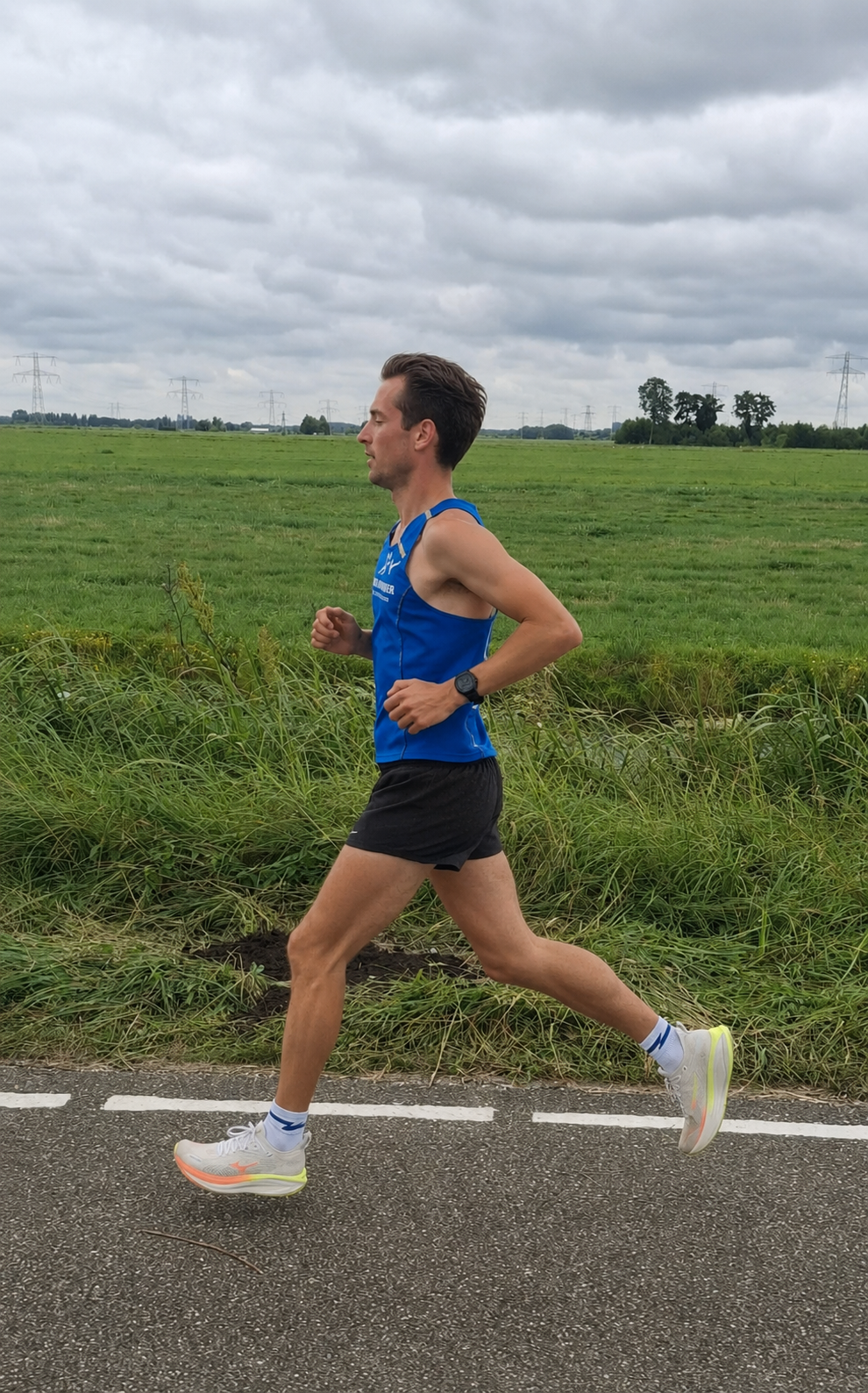
At All In, we also monitor what happens once runners go back outside. Runners often increase distance or speed on their own, which quickly raises cumulative load and increases the risk of relapse.
11
/
02
/
2026
3
min read

TABLE OF CONTENTS
Share
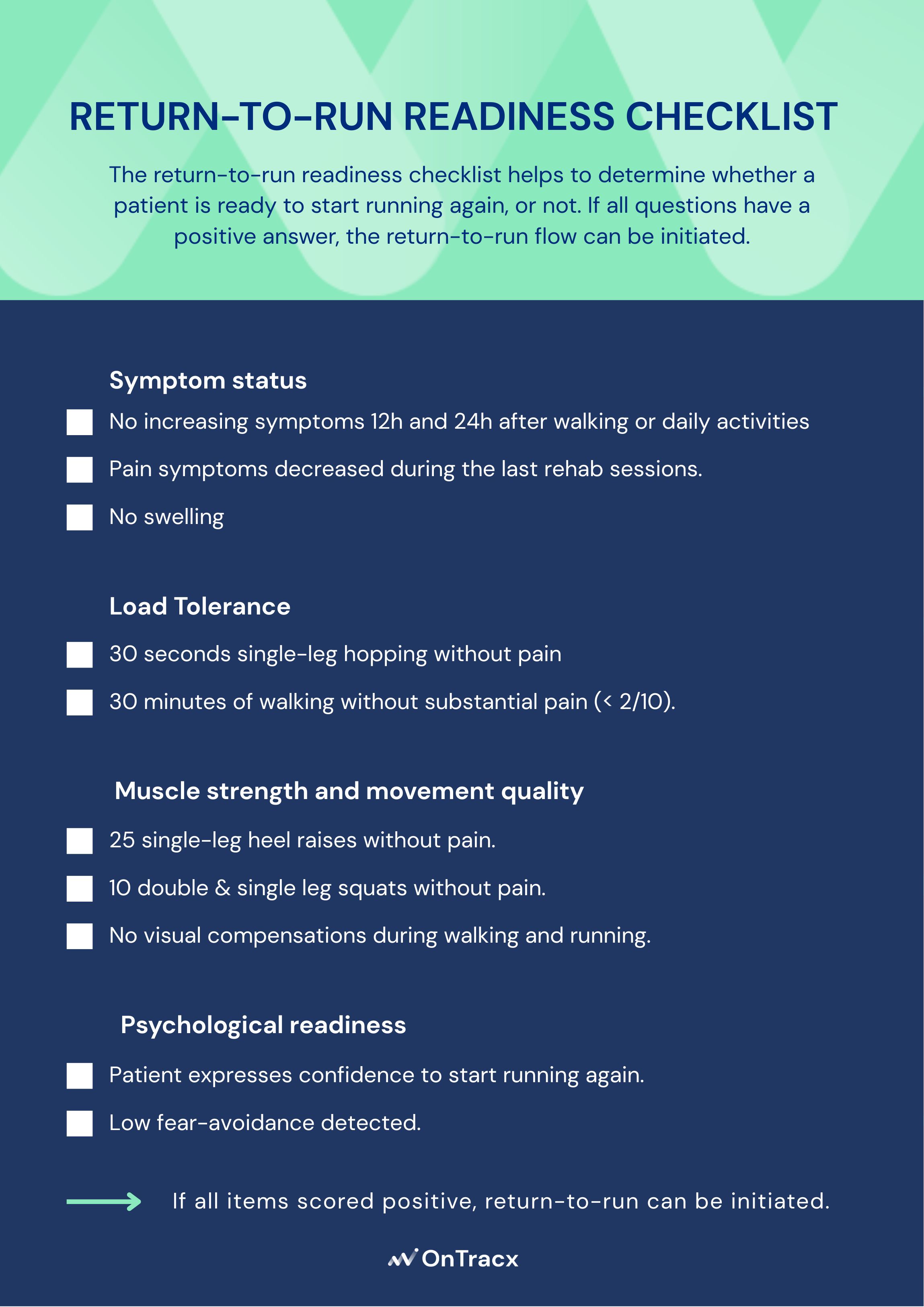
Many runners feel confident once they’re finally cleared to run again. But in reality, the return-to-run phase is often where things go wrong: training increases too quickly, small symptoms get ignored, and injuries flare up again.
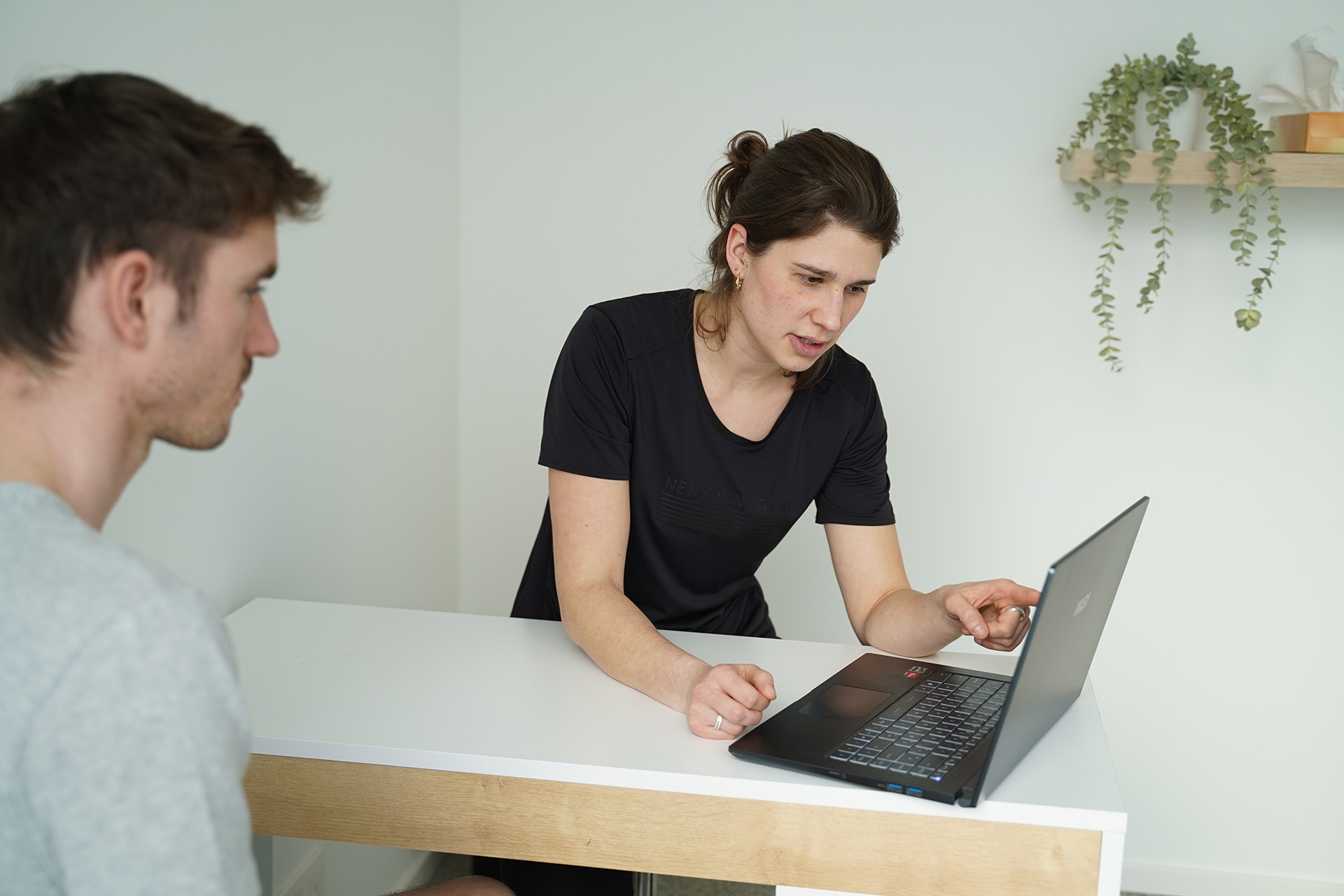
Olivier, a physiotherapist specializing in running injuries at All In, sees this pattern frequently in his practice. He explains that while runners are often eager to get back, adherence to structured programs tends to drop once they’re cleared.
“Once runners were allowed to run again, many started accelerating their return on their own. That’s often when injuries came back.”
This recurring issue made it clear to him that something was missing. While structured plans were in place, there was no objective way to measure the actual load runners experienced once they resumed running. As a result, much of the decision-making still relied on subjective feedback and estimation.
“Every runner responds differently, but we didn’t have a way to truly quantify that. The return-to-run phase was still partly uncontrolled.”
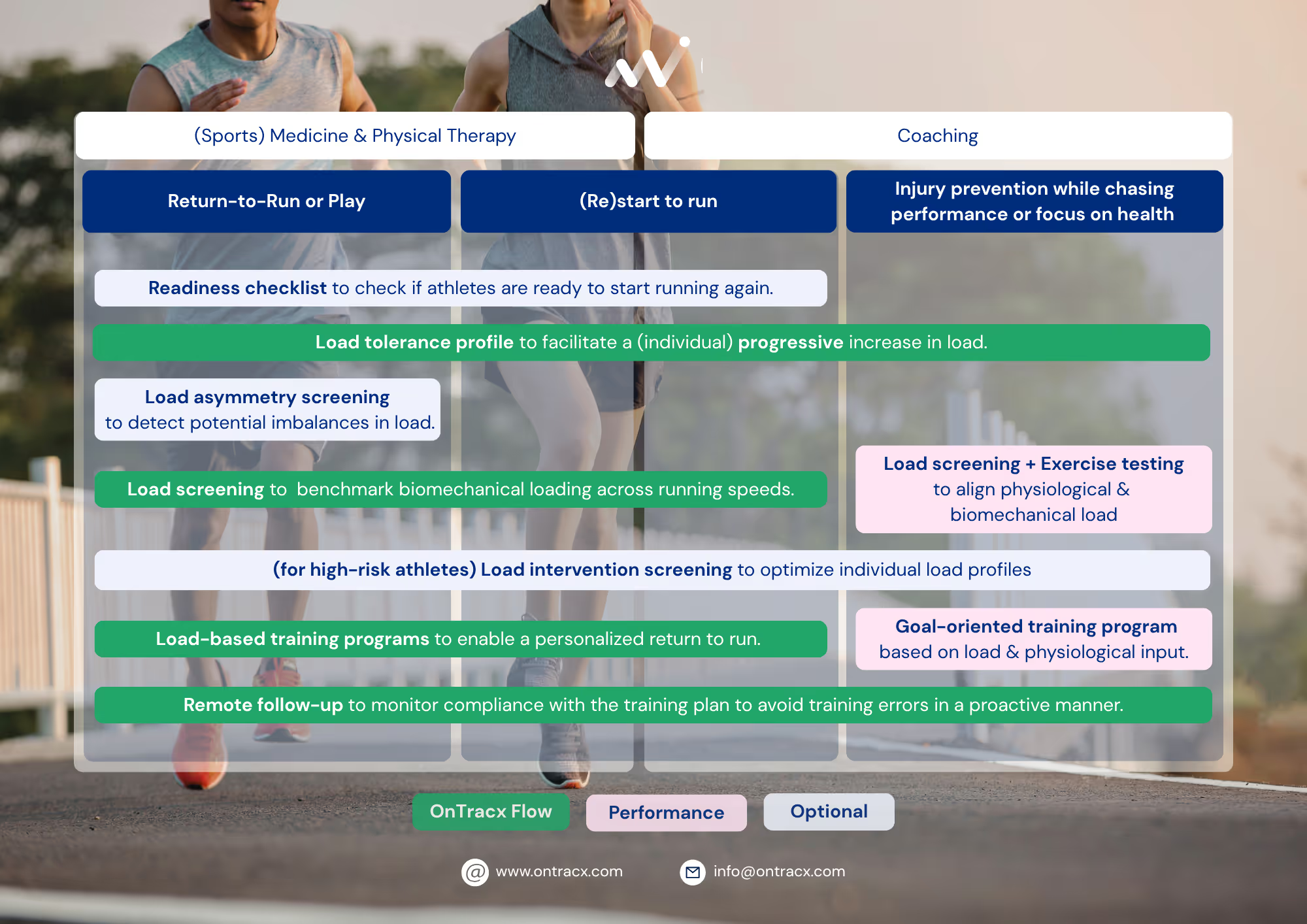
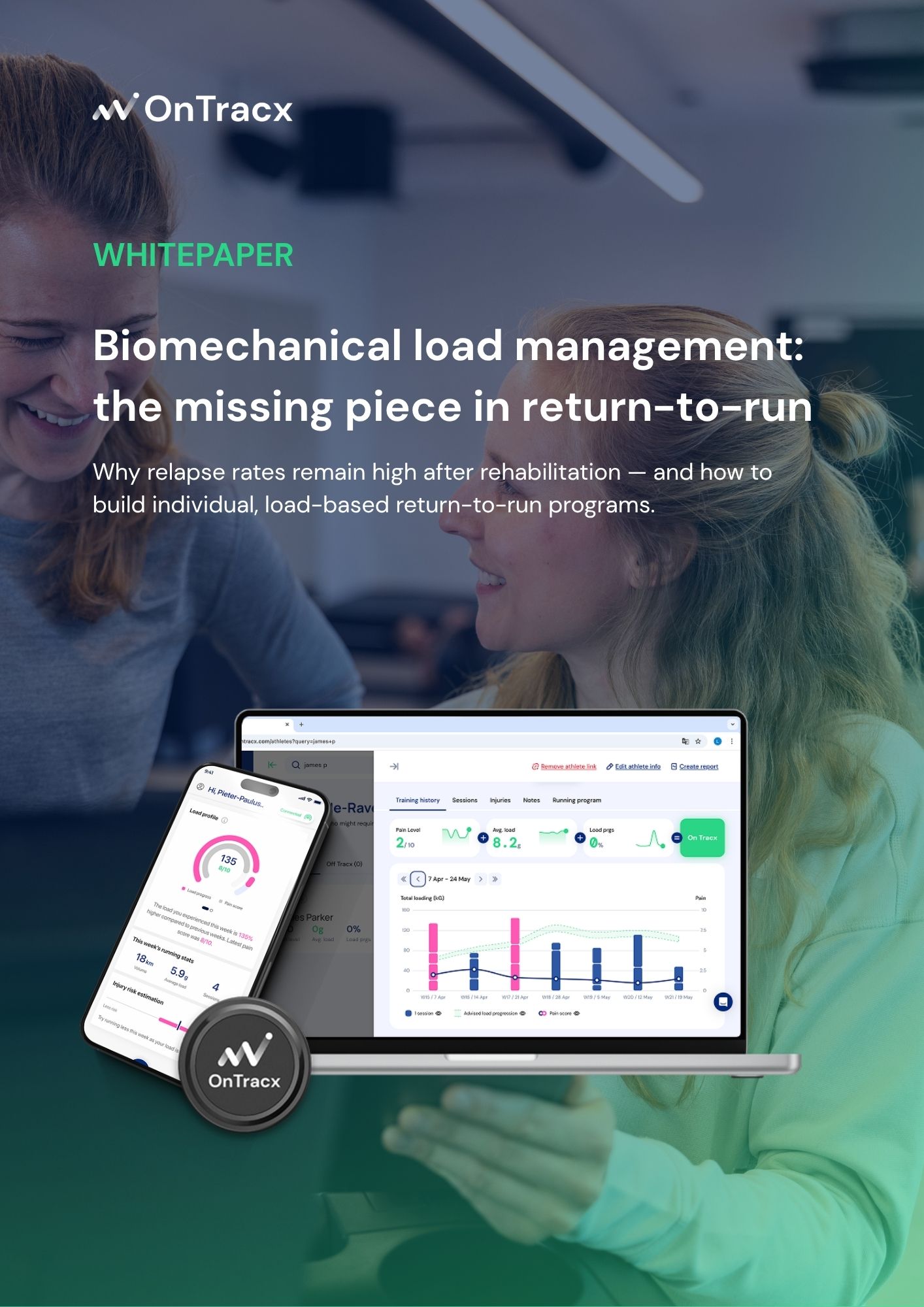
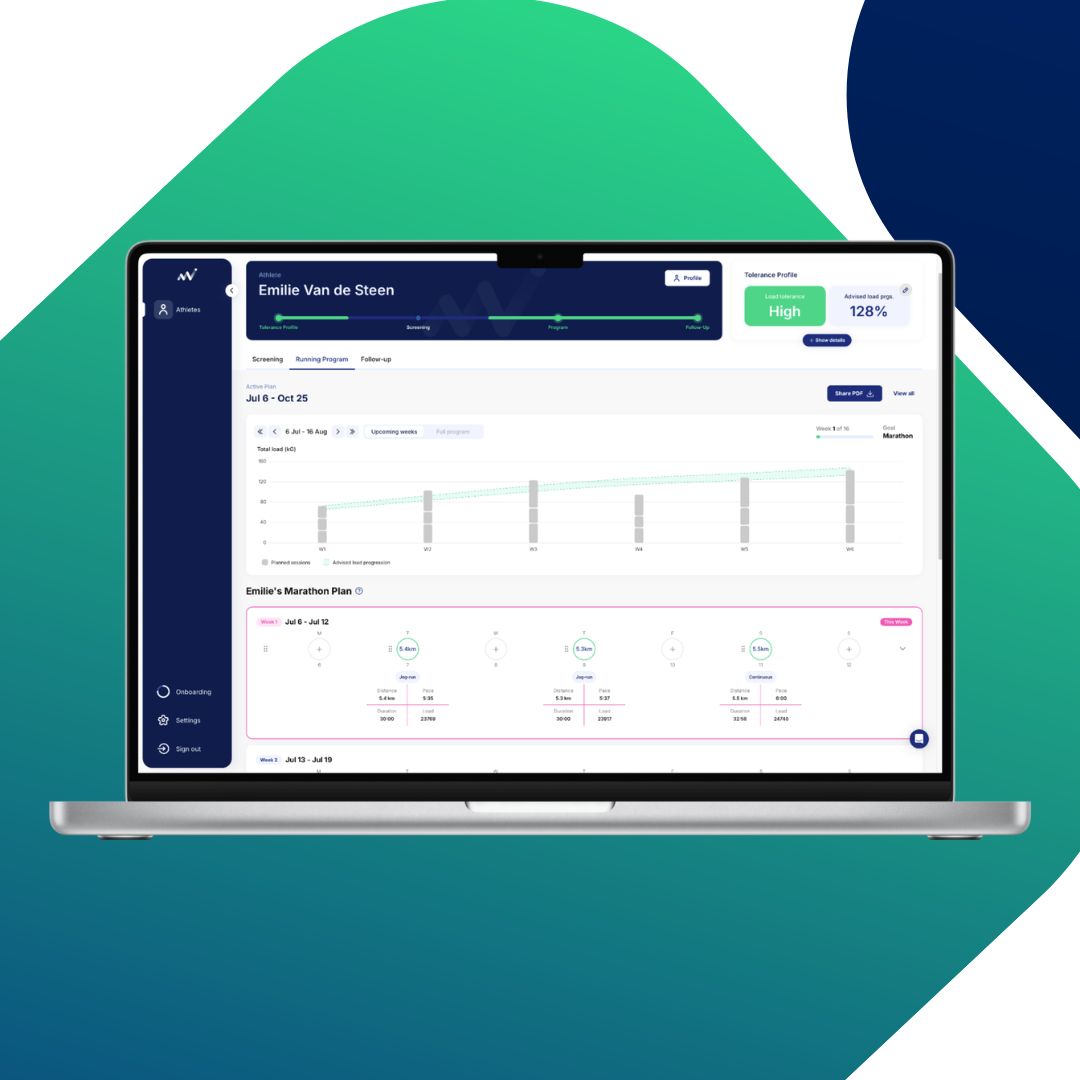
That approach changed with OnTracx. By introducing objective biomechanical data, Olivier can now monitor how a runner’s body responds in real time and adjust programs accordingly.
“Now we can base decisions on real data instead of assumptions.”
He illustrates this with a recent case: an experienced runner recovering from MTSS and a tibial stress fracture after three months of rest. The goal was a safe and gradual return to running, minimizing re-injury risk.
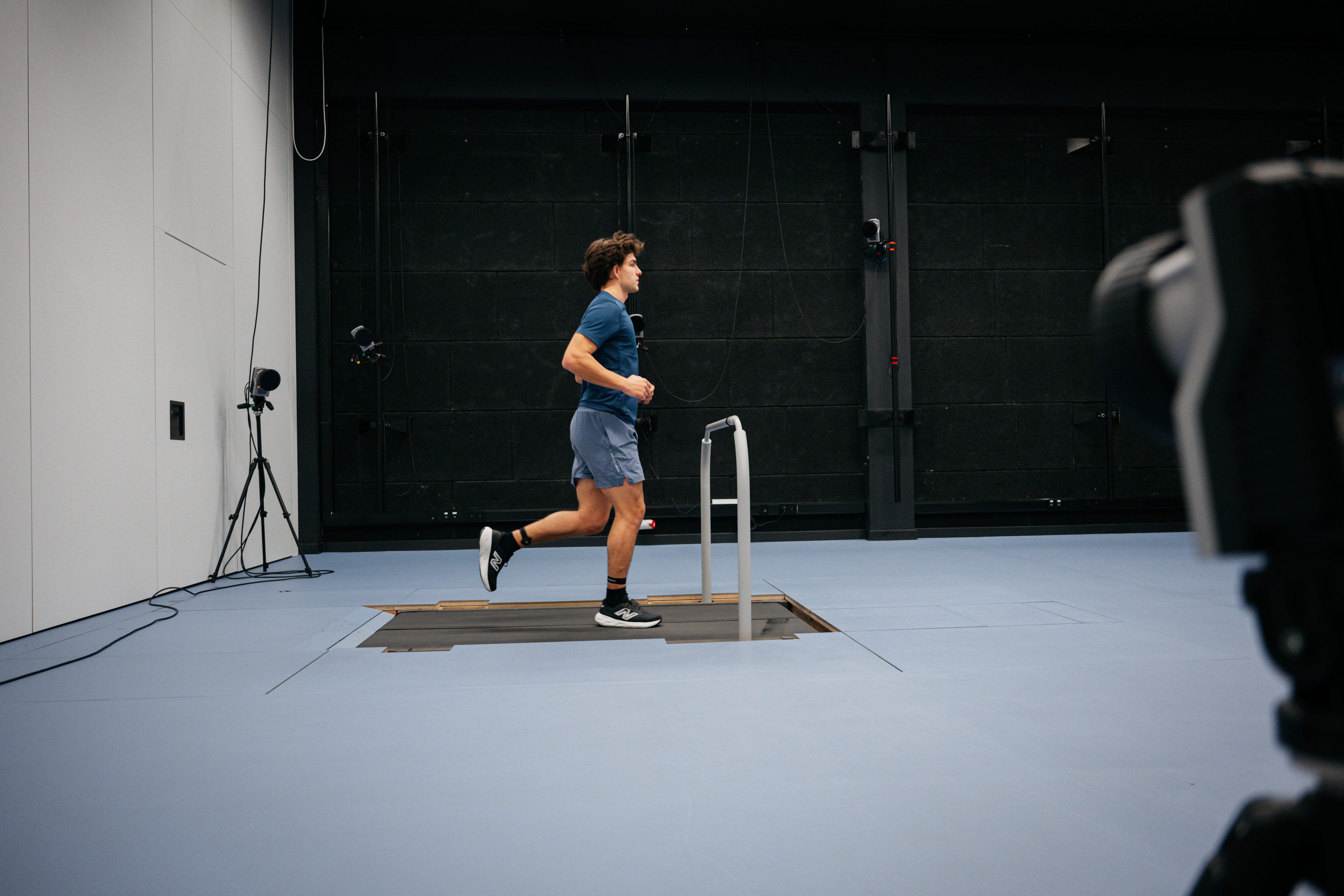
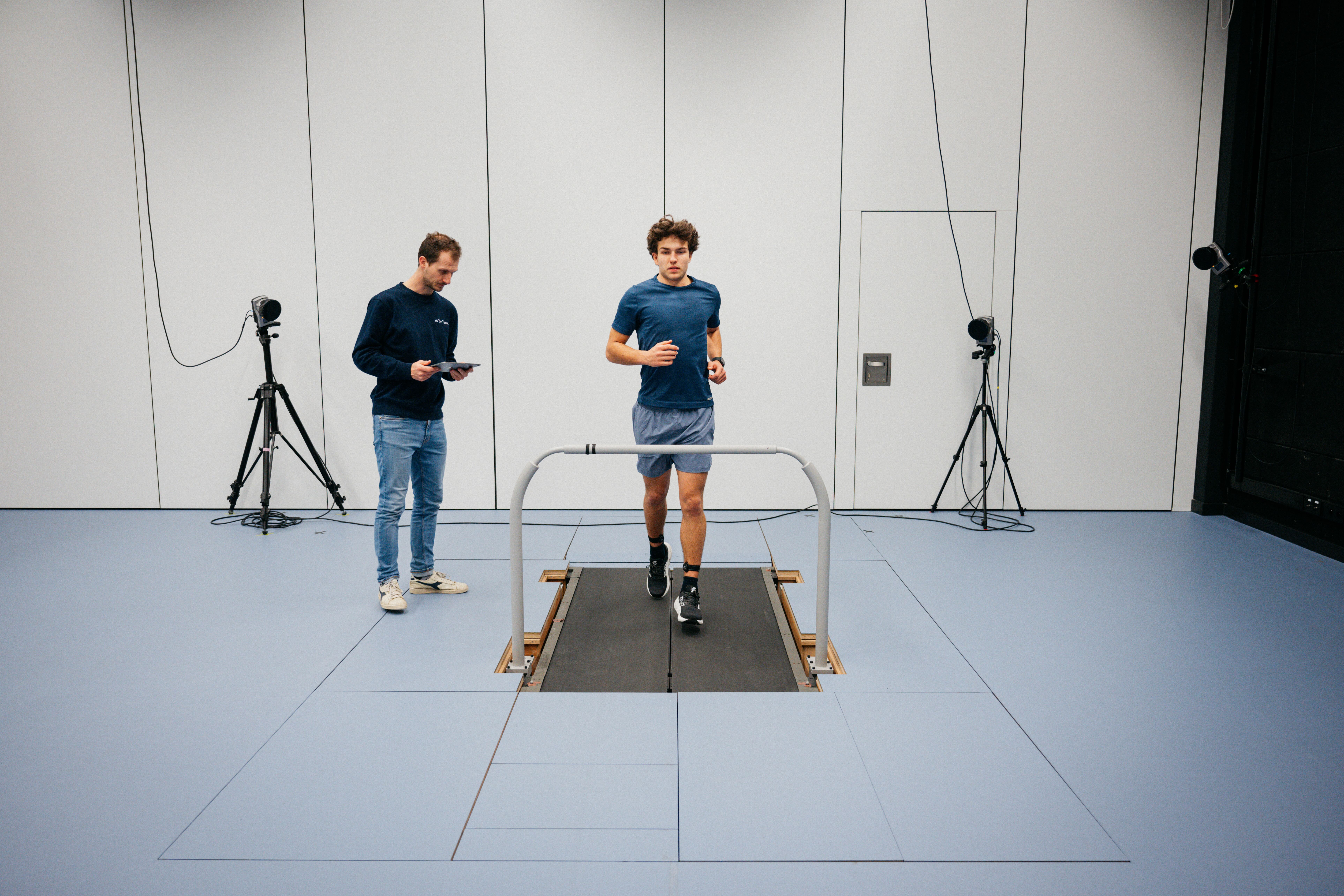
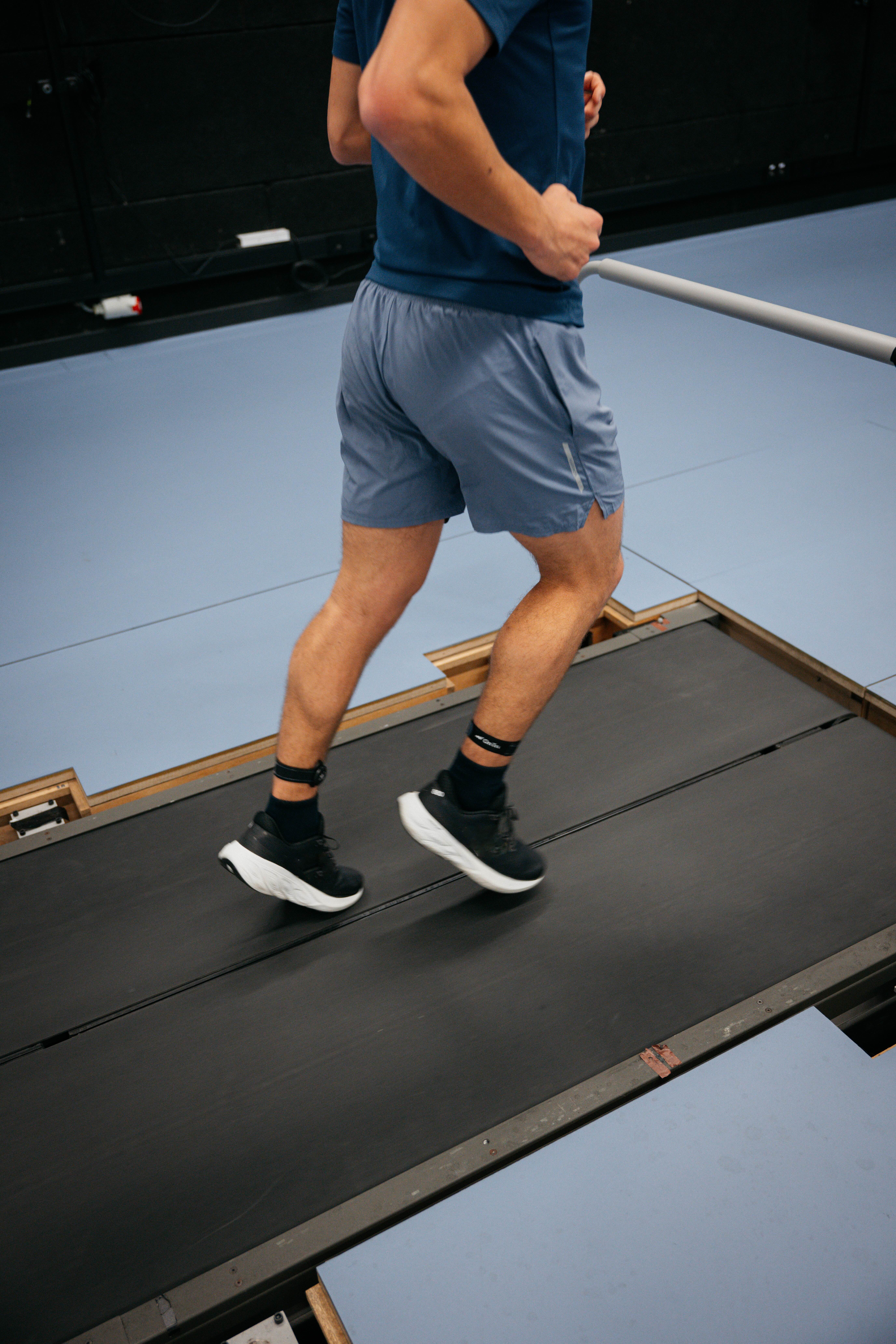
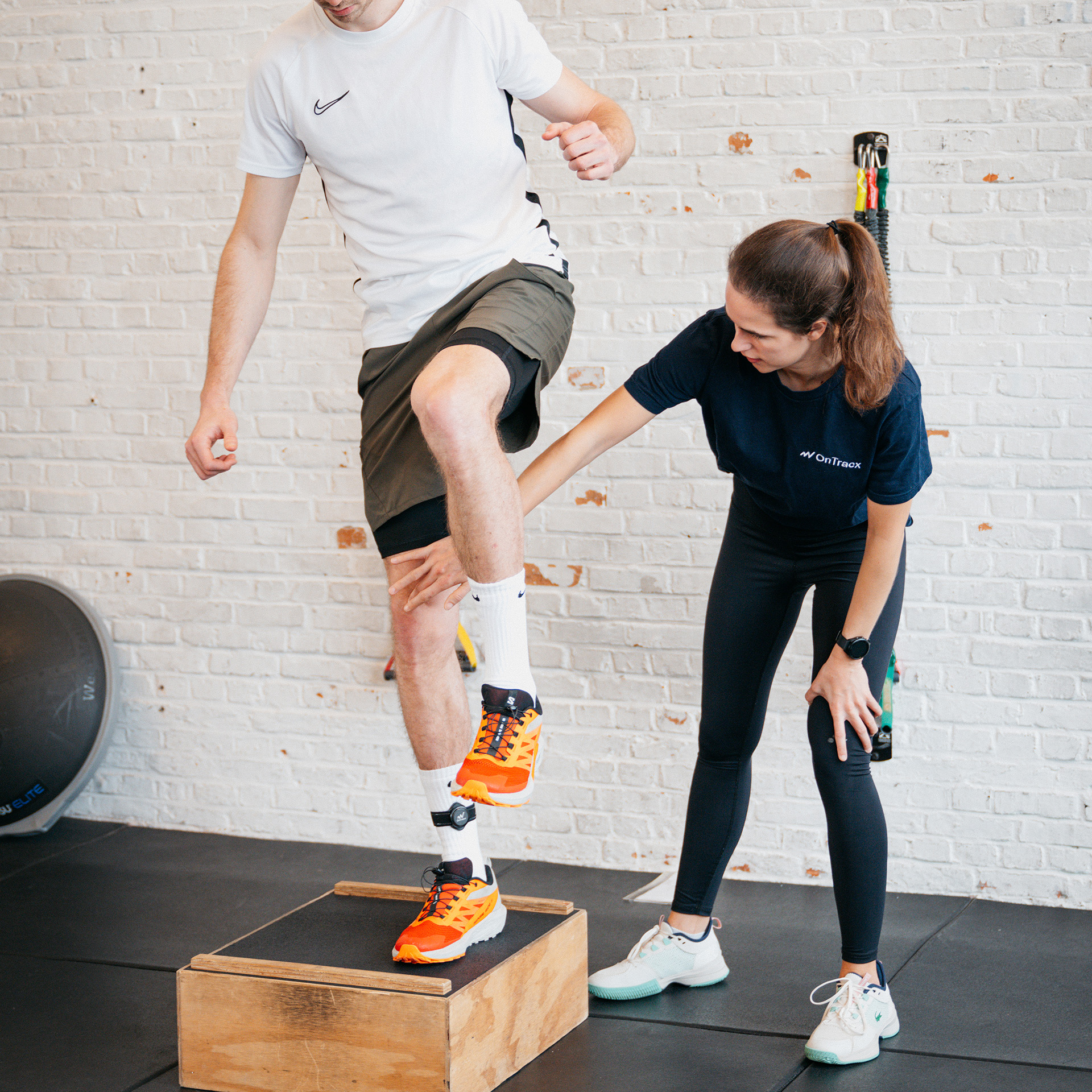
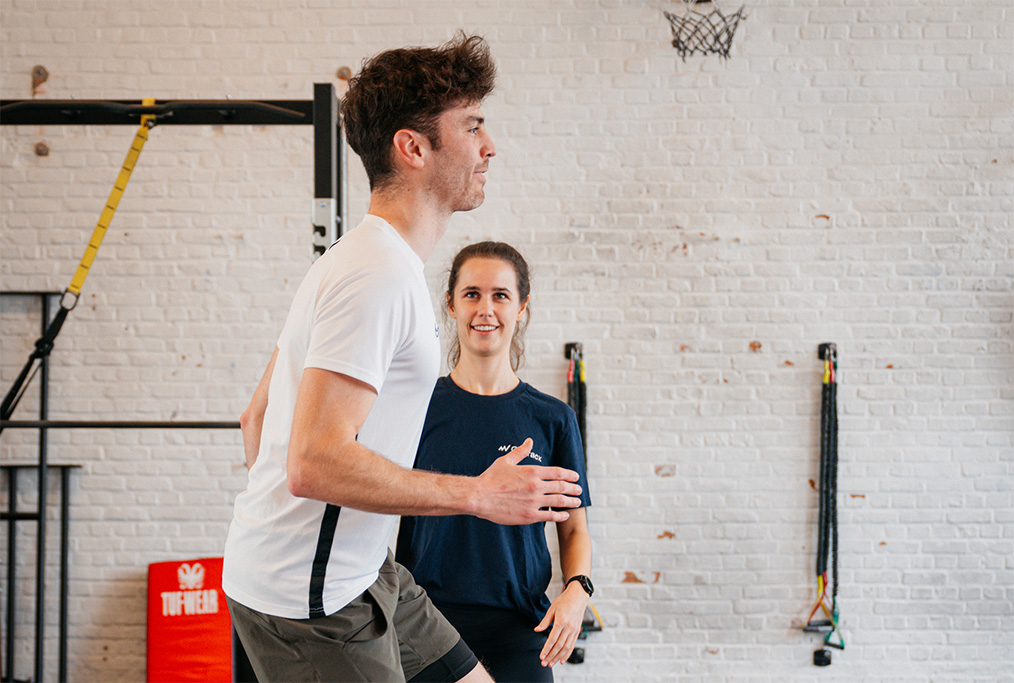
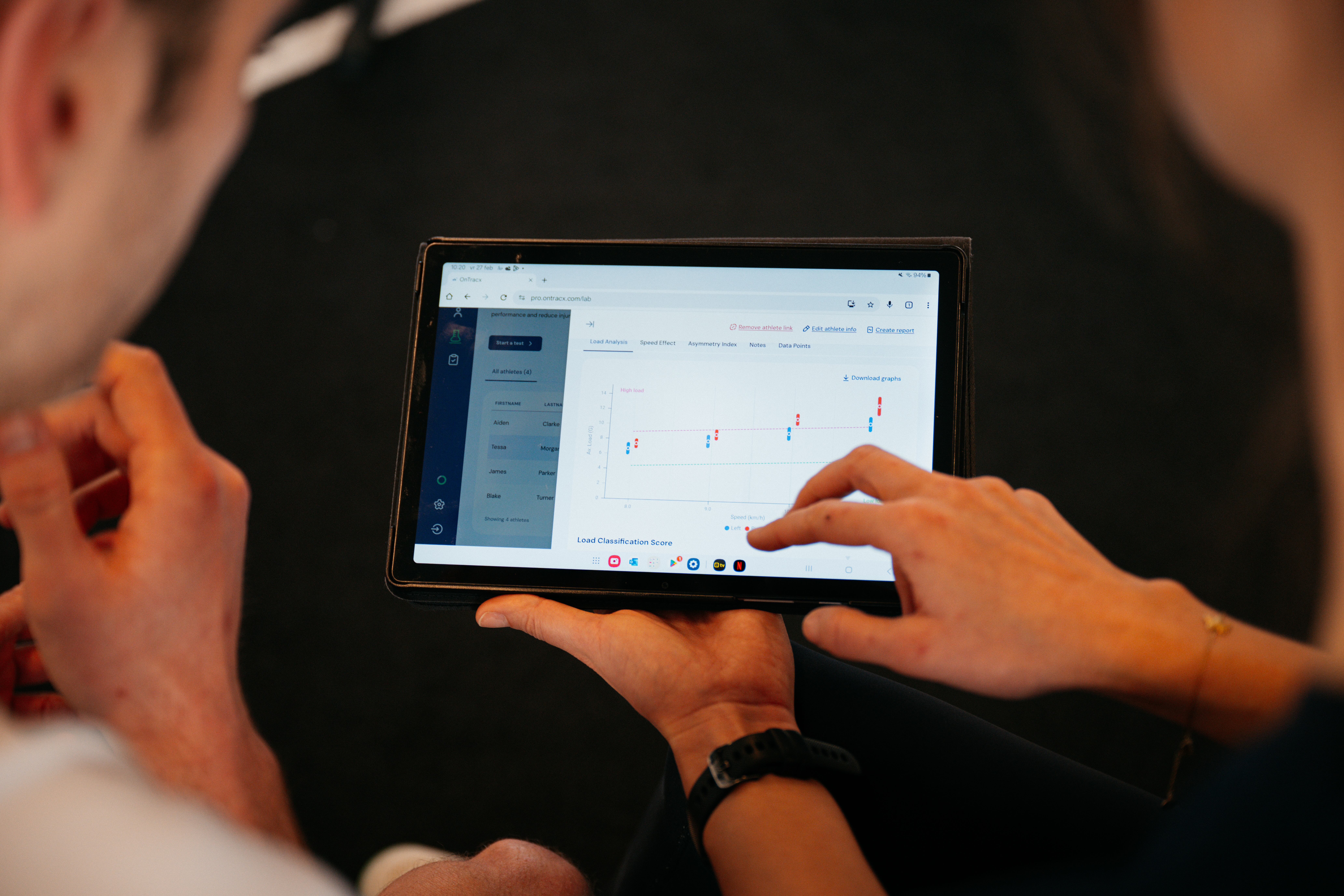
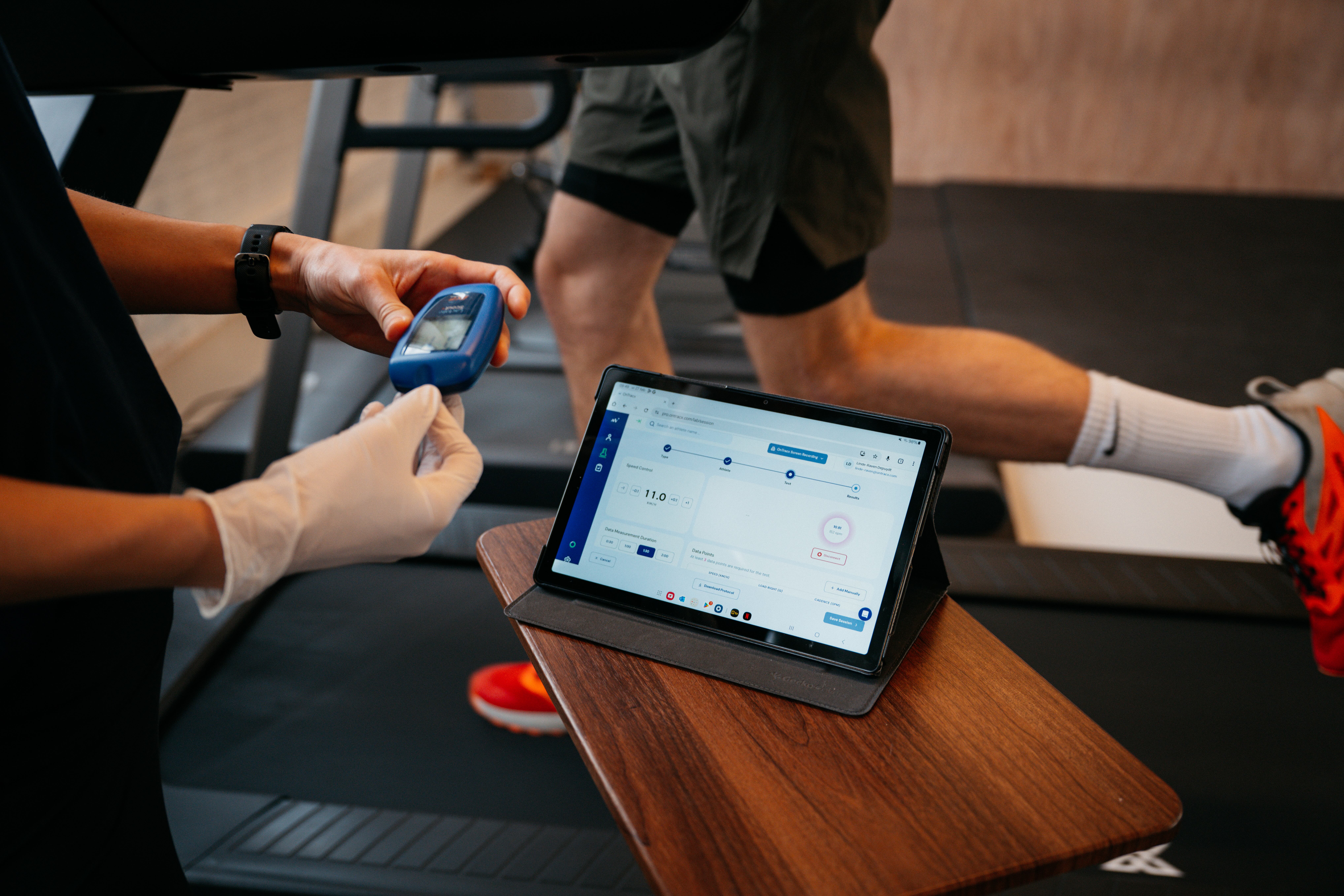
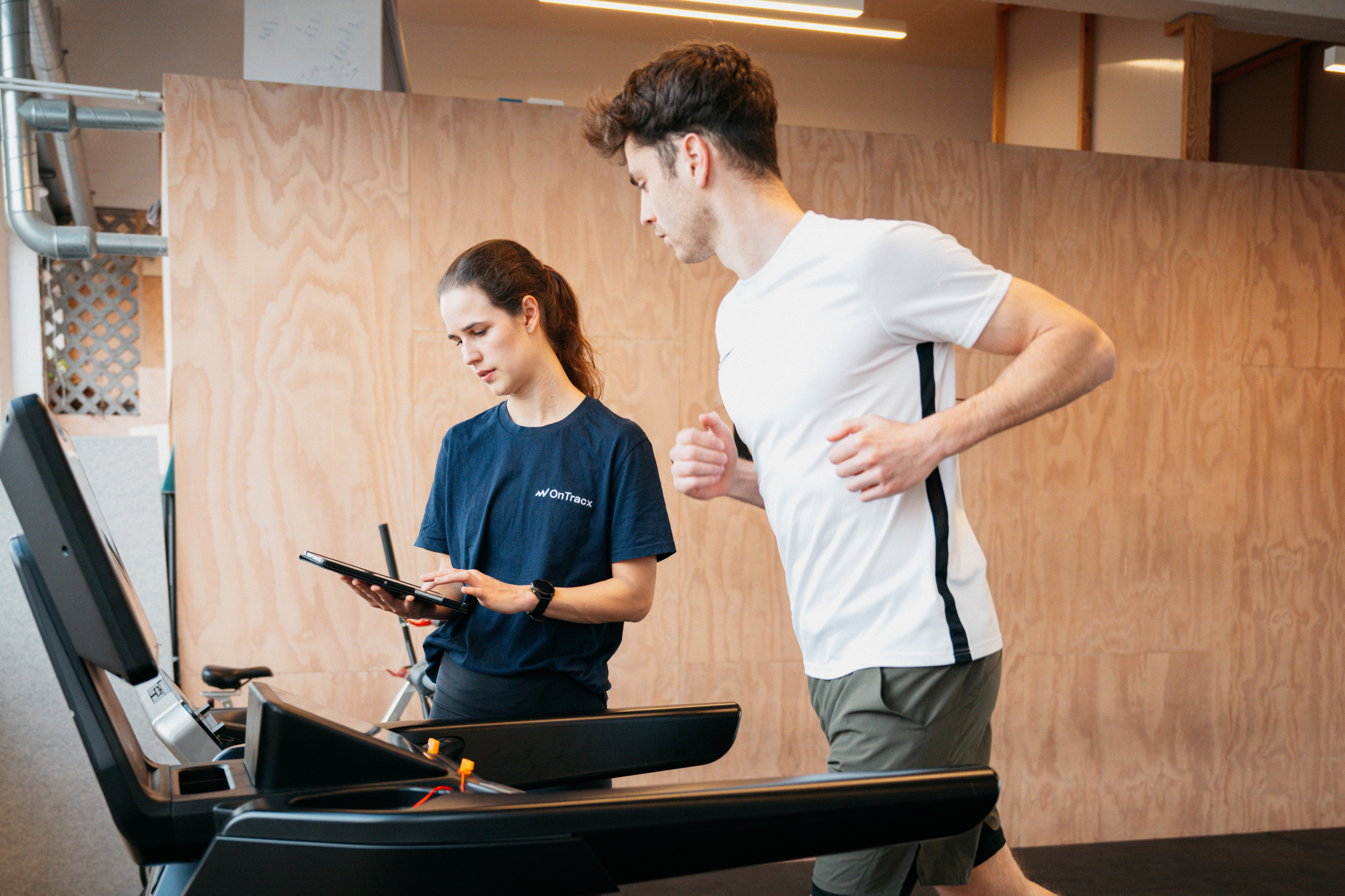
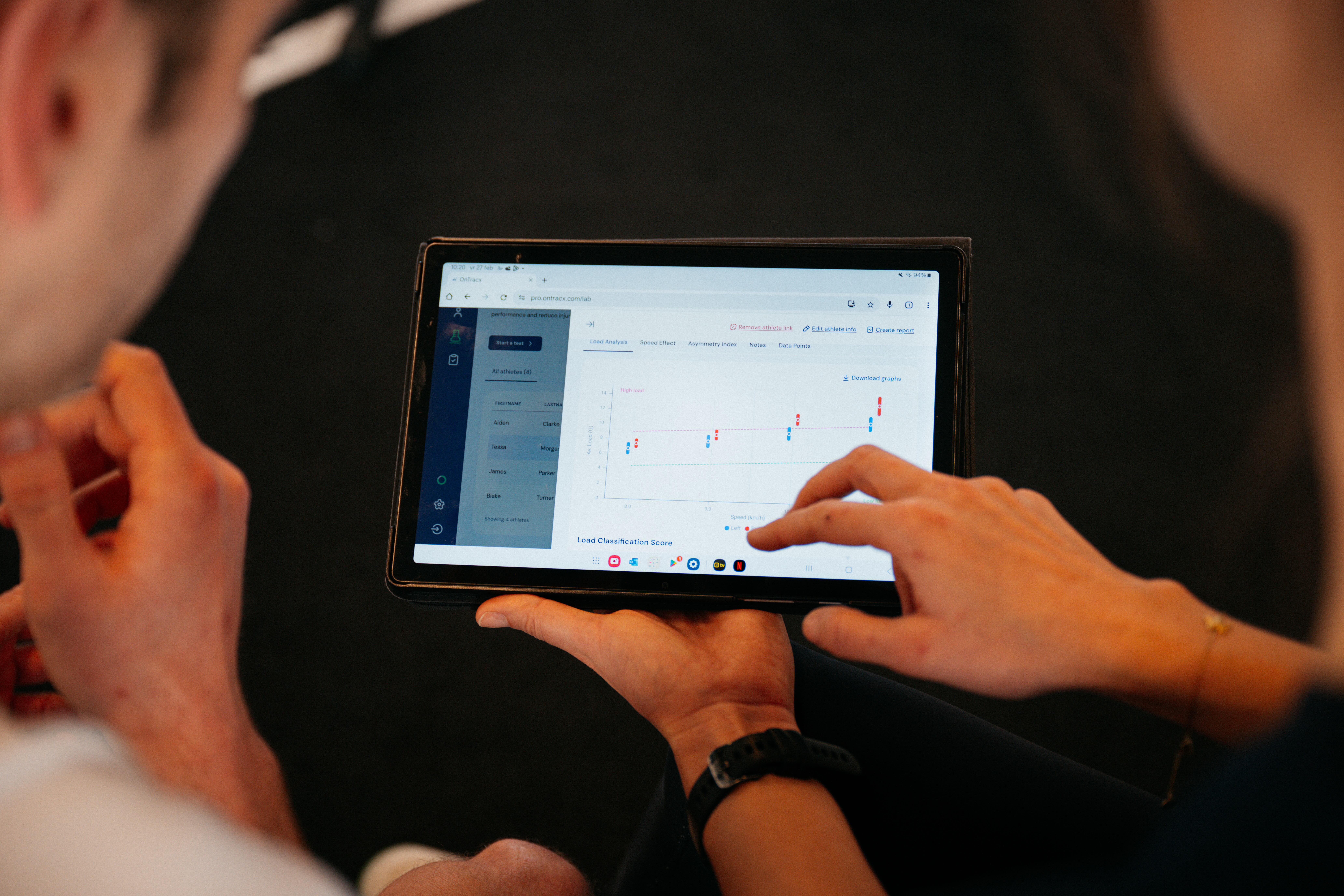
After a month of exercise therapy and plyometric training, they introduced a light return-to-run program supported by OnTracx. During treadmill screening, they tested different speeds and interventions. The runner showed consistently high impact levels, with little natural increase in cadence as speed increased.
By slightly increasing cadence at the runner’s baseline pace, they were able to reduce tibial impact by 6–8%. This adjustment was then integrated into a personalized program, allowing for gradual load progression while reducing cumulative stress on the tibia.
.avif)
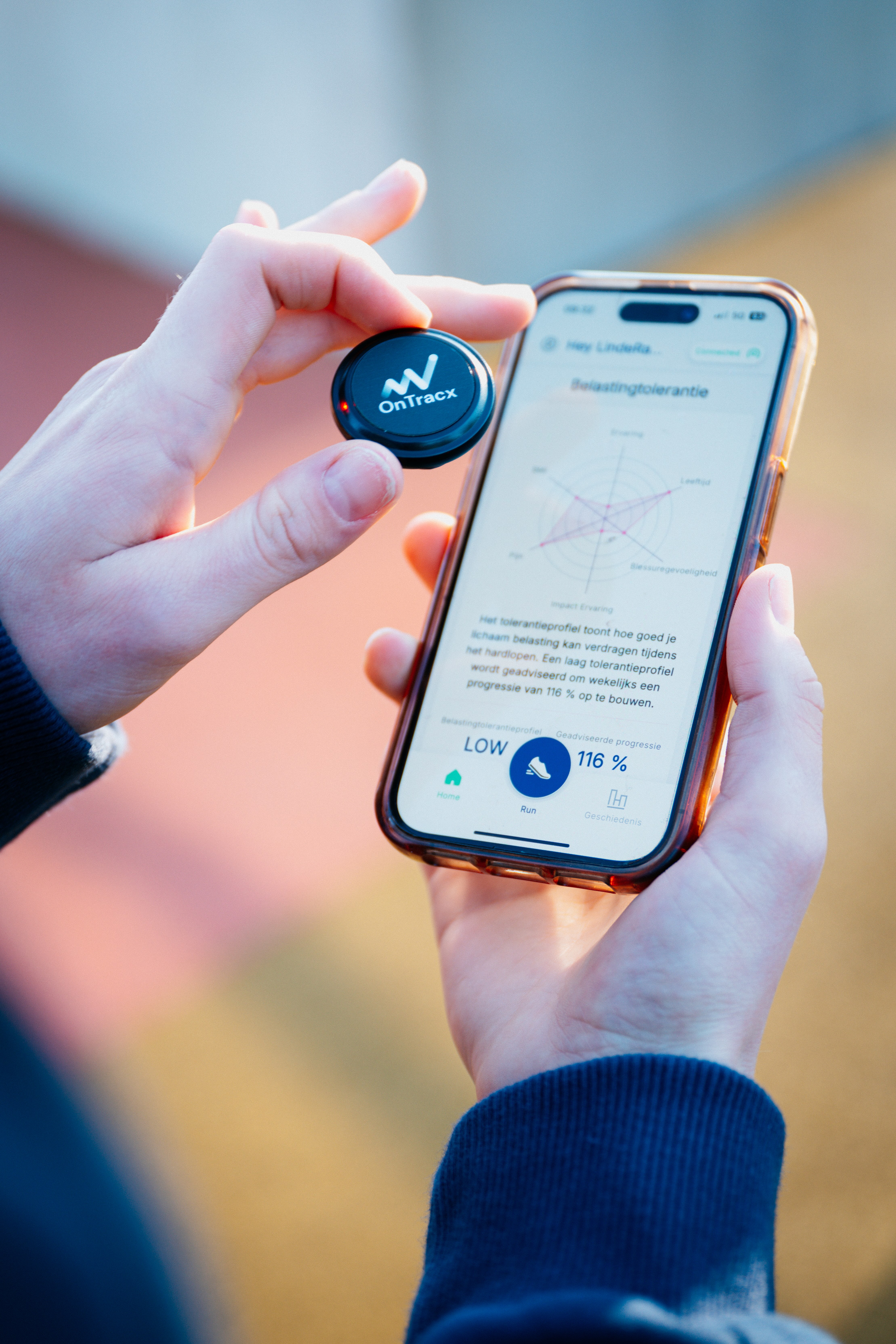
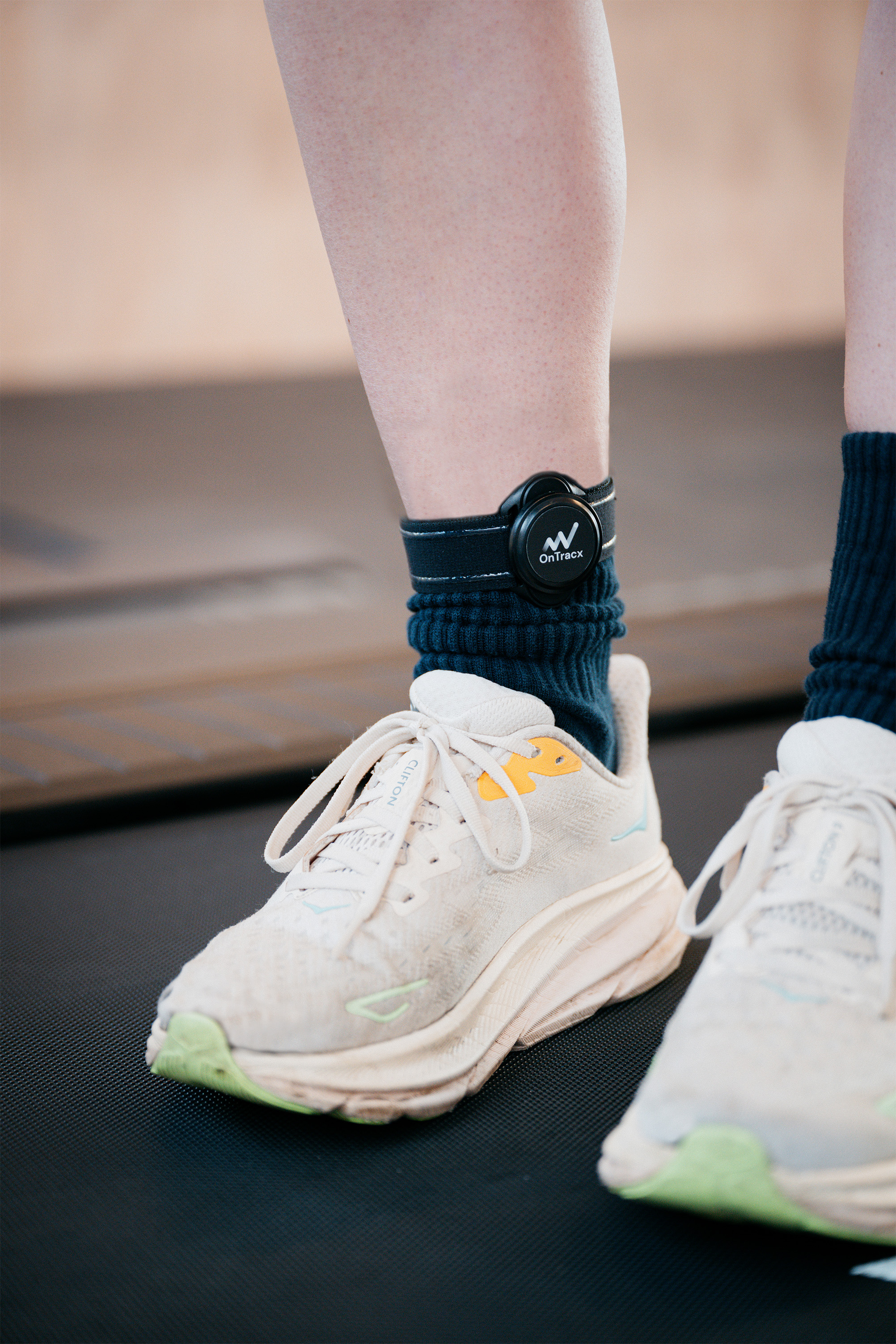
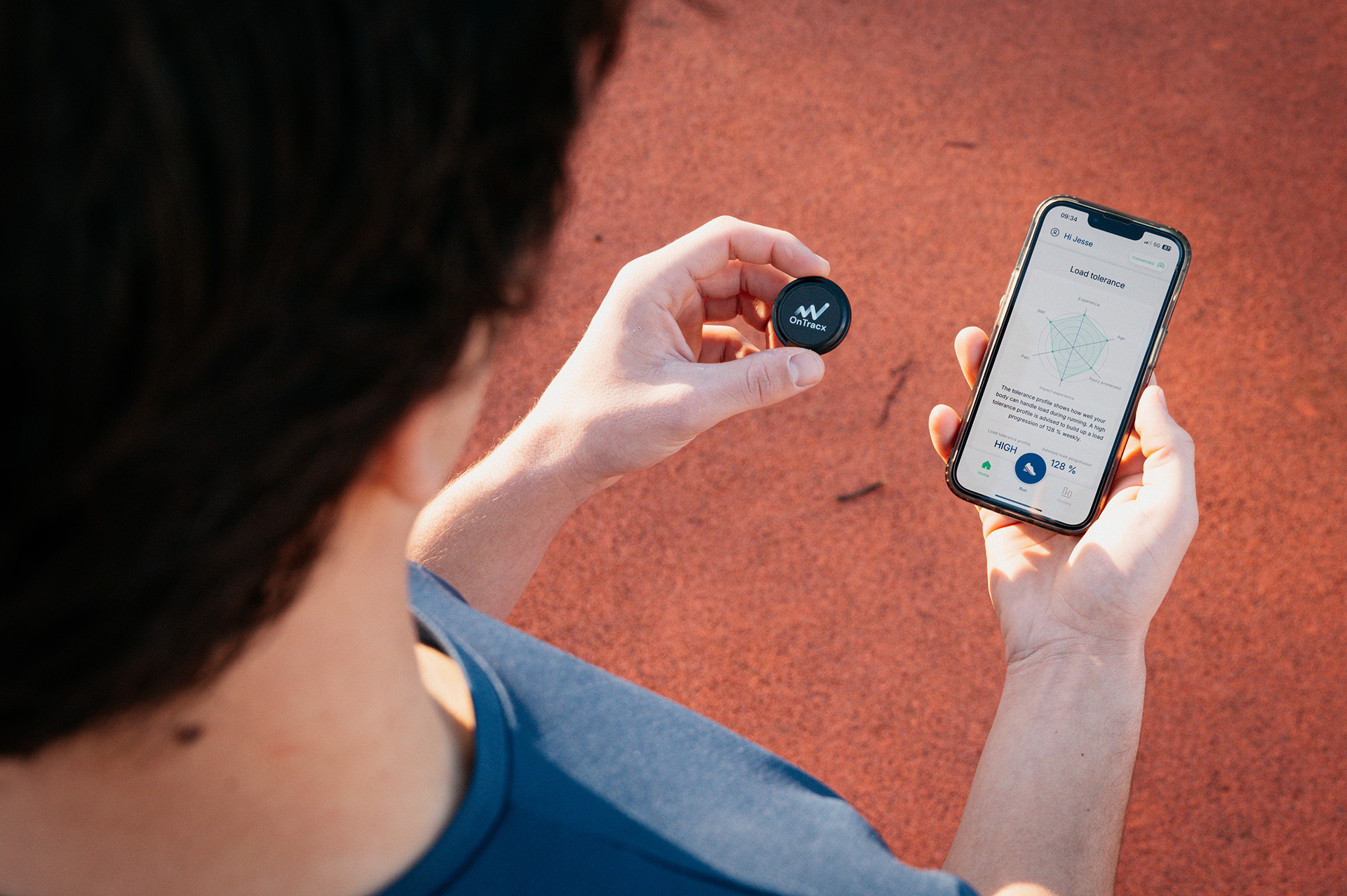
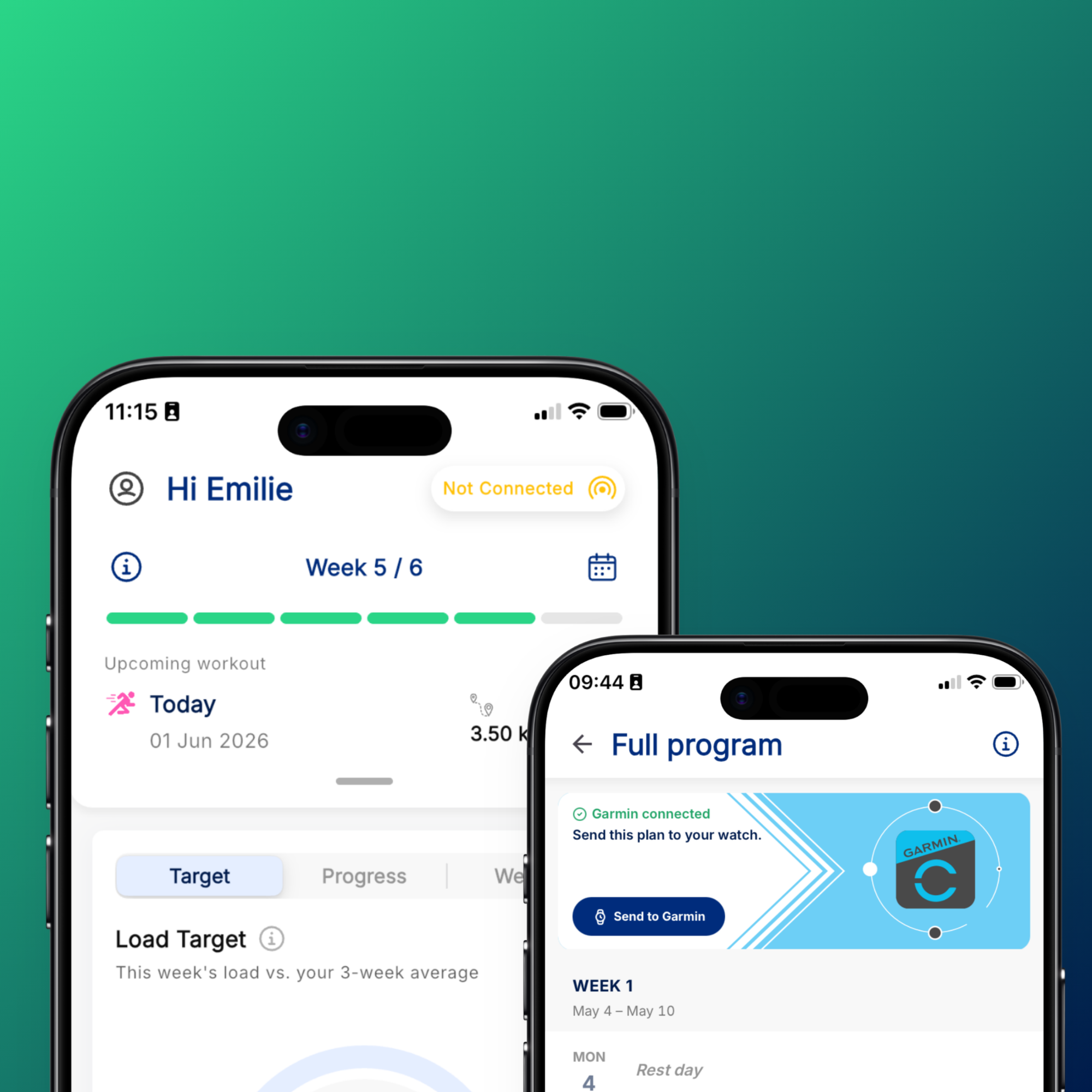
At All In, monitoring doesn’t stop once runners leave the clinic. Outside, runners often increase distance or speed on their own, which can quickly elevate cumulative load and raise the risk of relapse. With OnTracx, runners track their progress, load, pain scores, and adherence in the app, while clinicians are only alerted when intervention is needed.
“It saves time, but more importantly, it gives me confidence that runners are progressing safely and reducing their risk of setbacks.”
Want to see how this approach works in practice?
Discover how real-time insights support a safer return to running.

.png)





%20(5).png)


%20(3).avif)
%20(4).avif)

.jpg)