Biomechanical Load: why fitness alone doesn't keep you injury-free
15
/
07
/
2026
3
min read
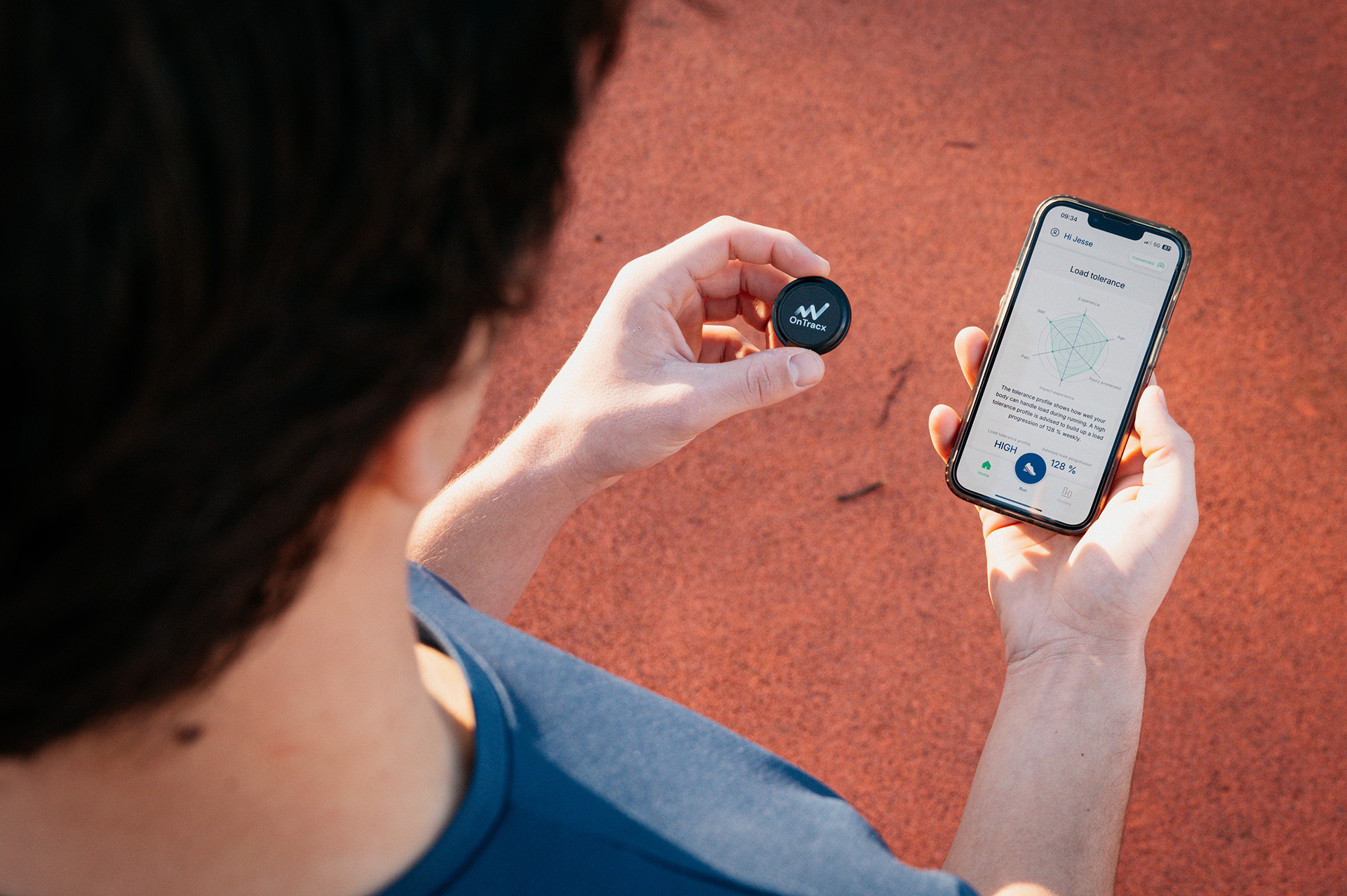
TABLE OF CONTENTS
Share

According to sports physician Dr. Tom Teulingkx, one of the biggest challenges in endurance sports is that an athlete's cardiovascular fitness often improves much faster than the body's ability to tolerate mechanical stress. While runners may feel fitter within a few weeks of training, the muscles, tendons, ligaments, bones, and joints require considerably more time to adapt. This mismatch is an important contributor to overuse injuries.
What Is Biomechanical Load?
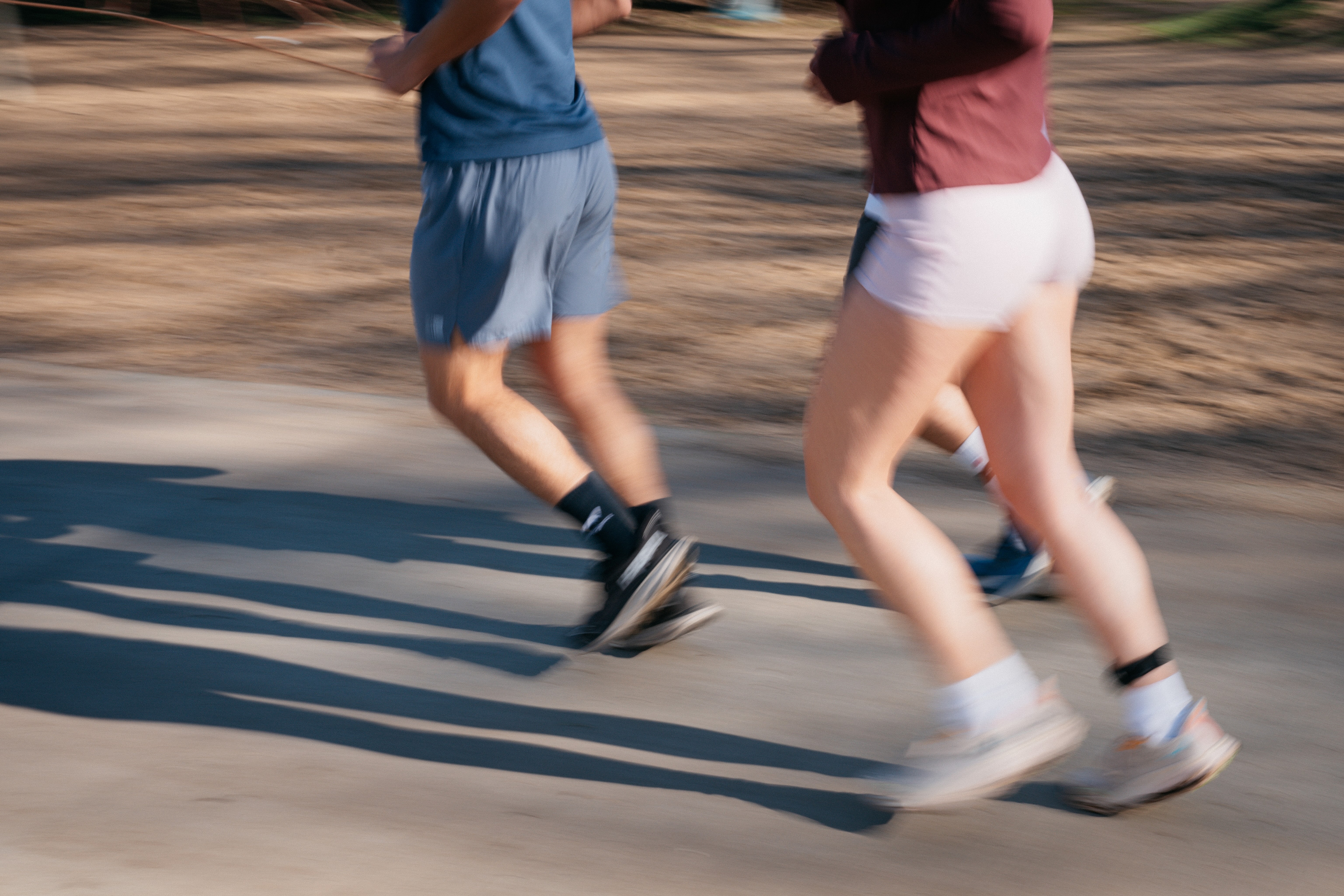
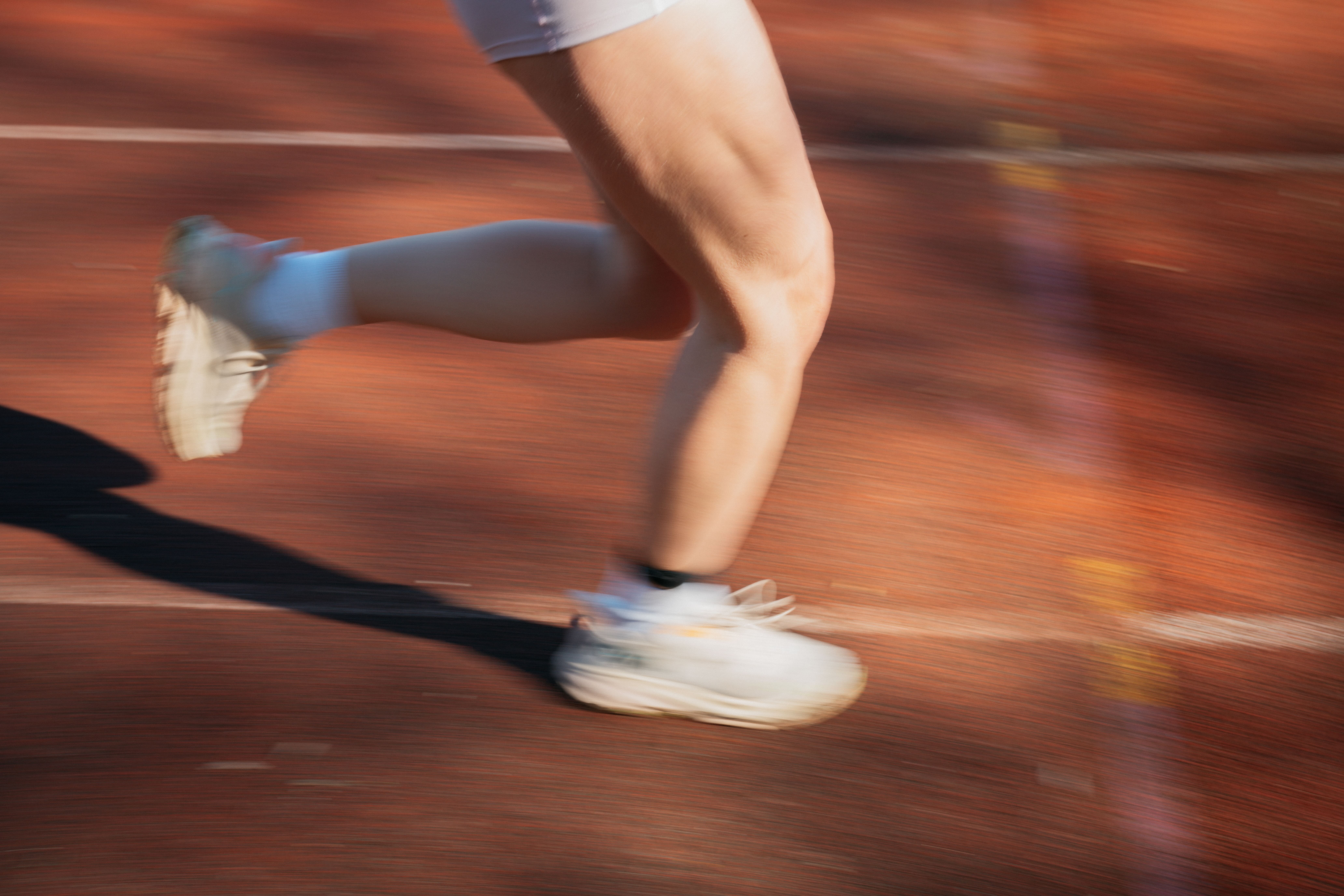
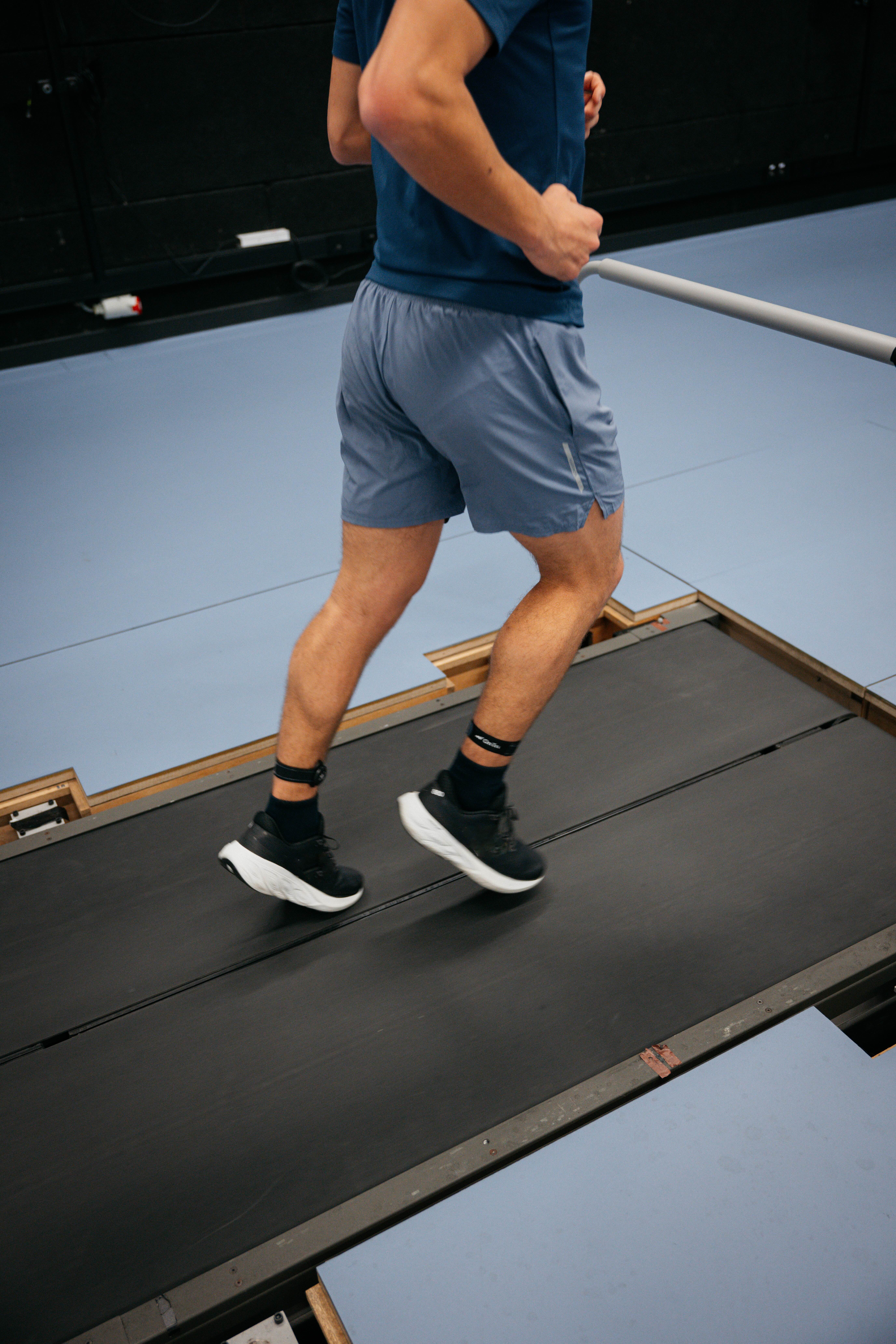
Biomechanical load refers to the mechanical forces acting on the body during movement. Every running step creates impact forces that travel through the feet, ankles, knees, hips, and spine. How well the body absorbs and adapts to these forces varies considerably from one person to another.
According to Dr. Teulingkx, several factors influence an individual's load capacity, including:
- Training history
- Age
- Muscle strength
- Body composition
- Recovery capacity
- Previous injuries
- Daily physical demands
This means that being aerobically fit does not necessarily mean your body is ready to tolerate a higher training load.
The Role of Wearable Technology
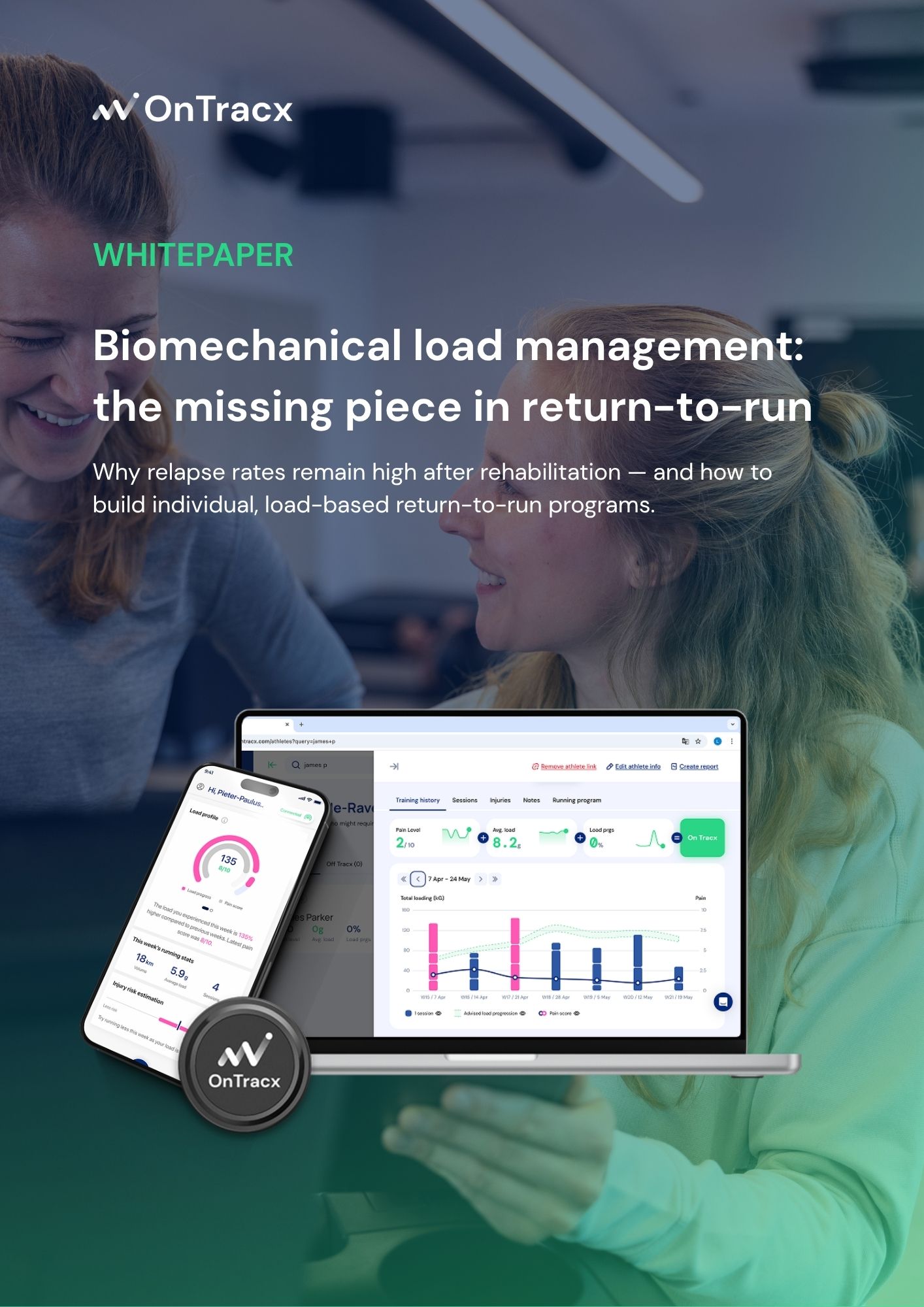
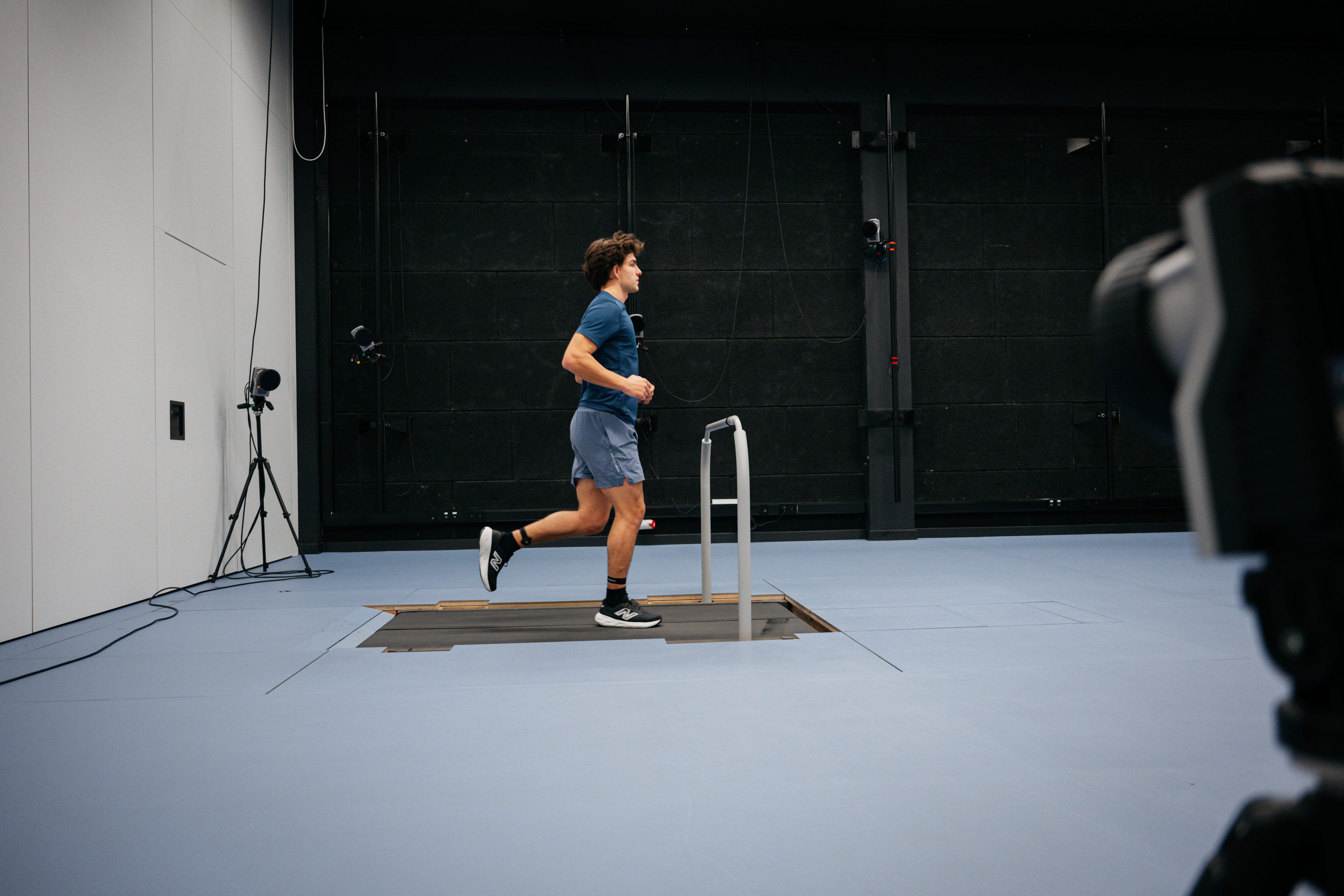
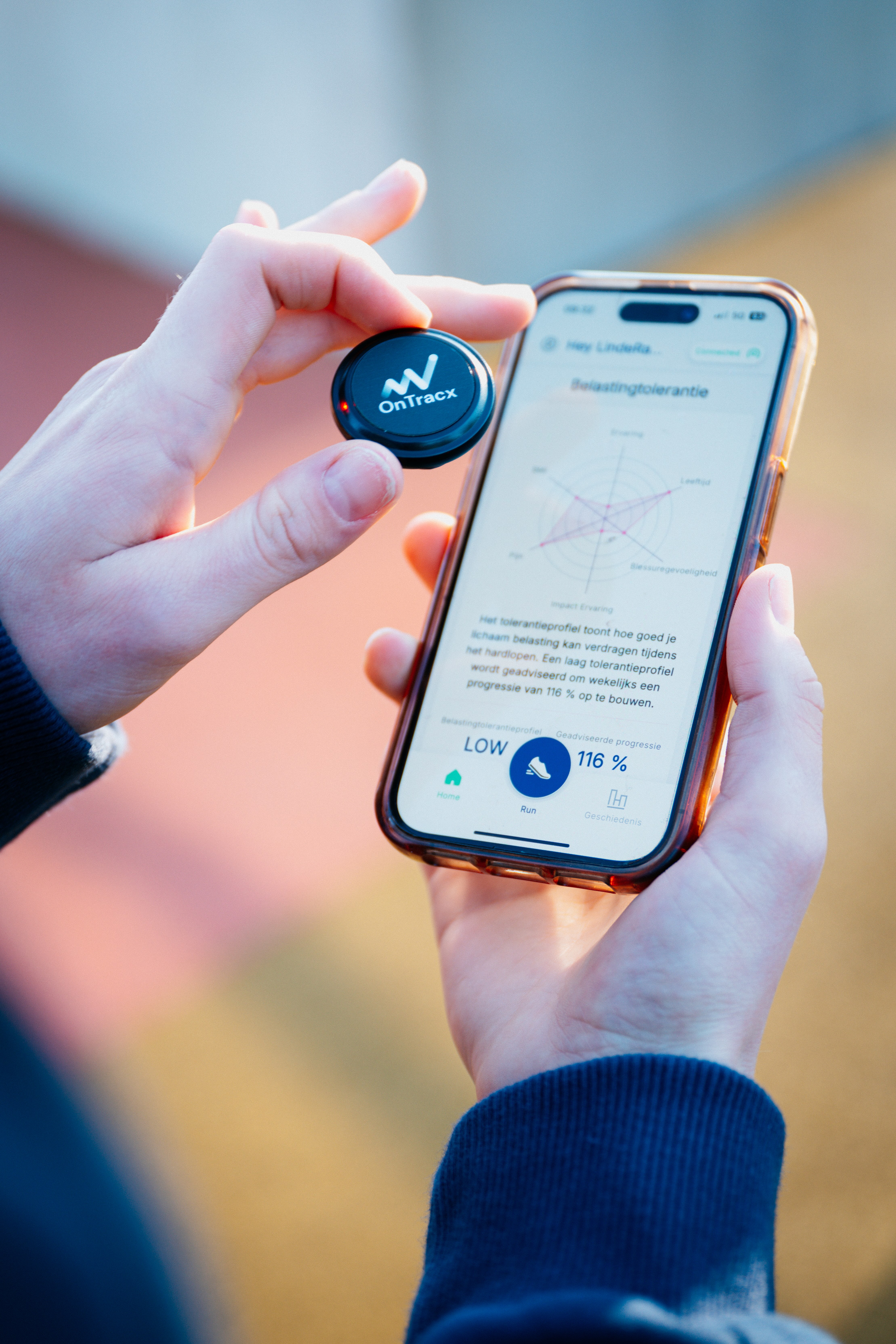
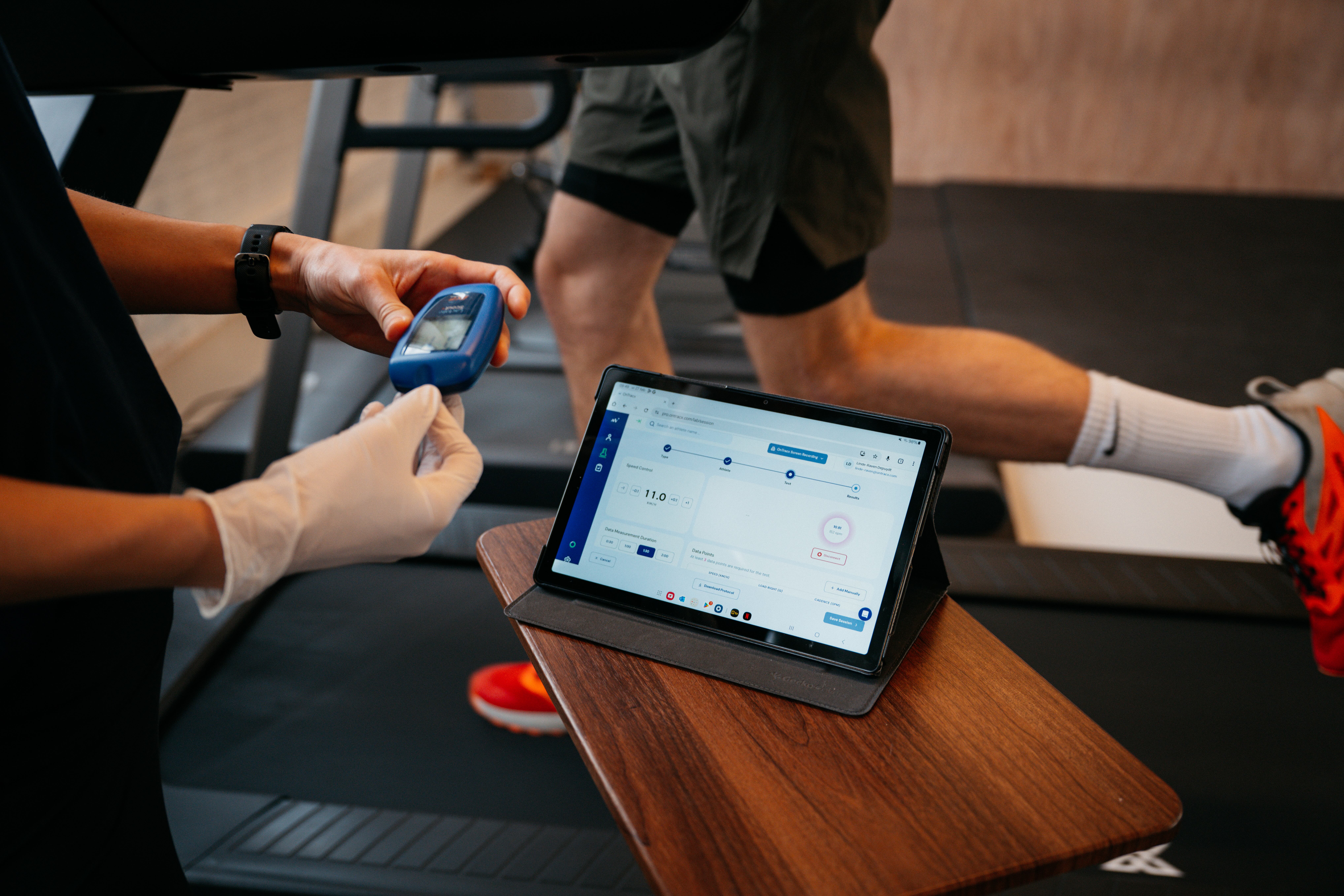
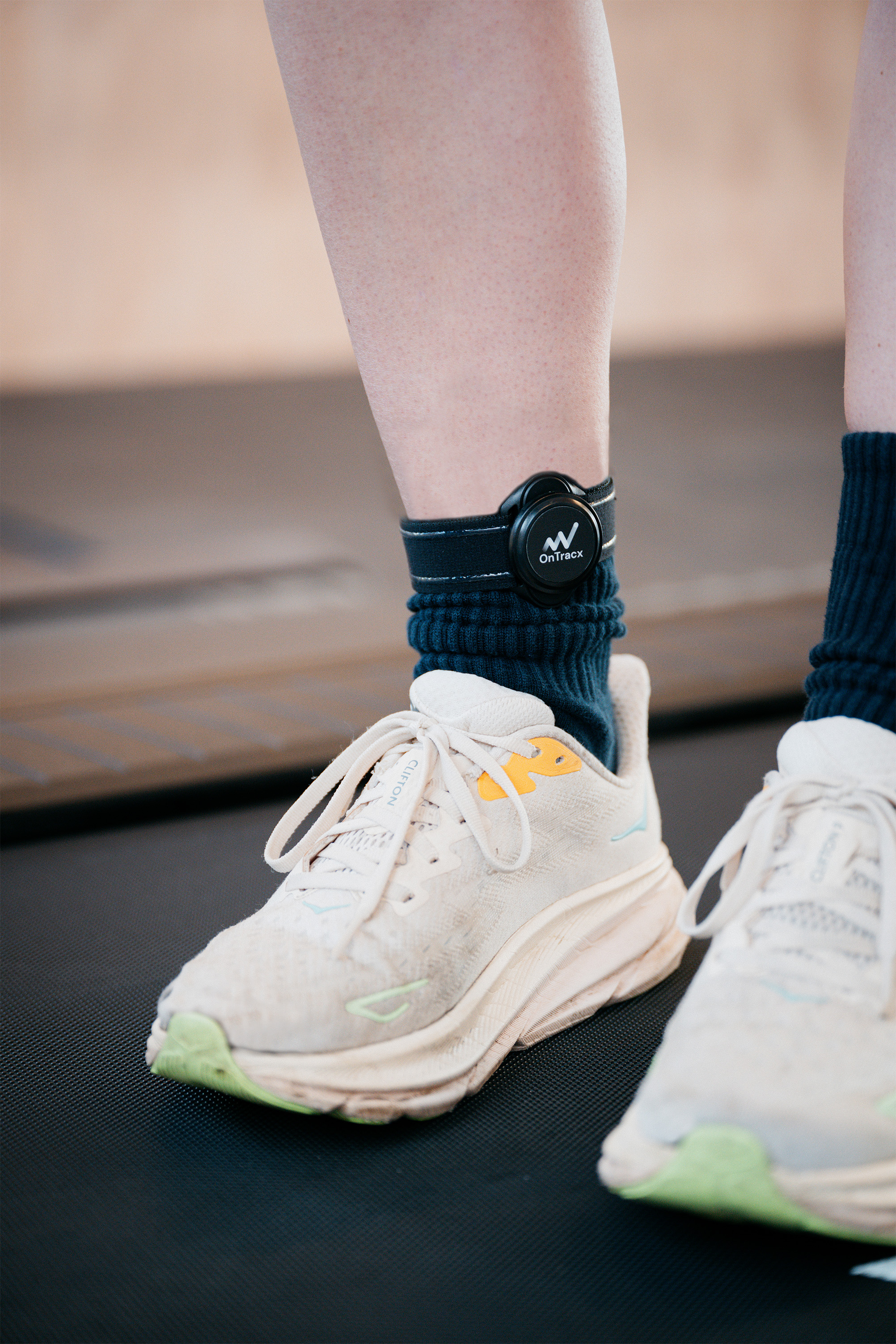
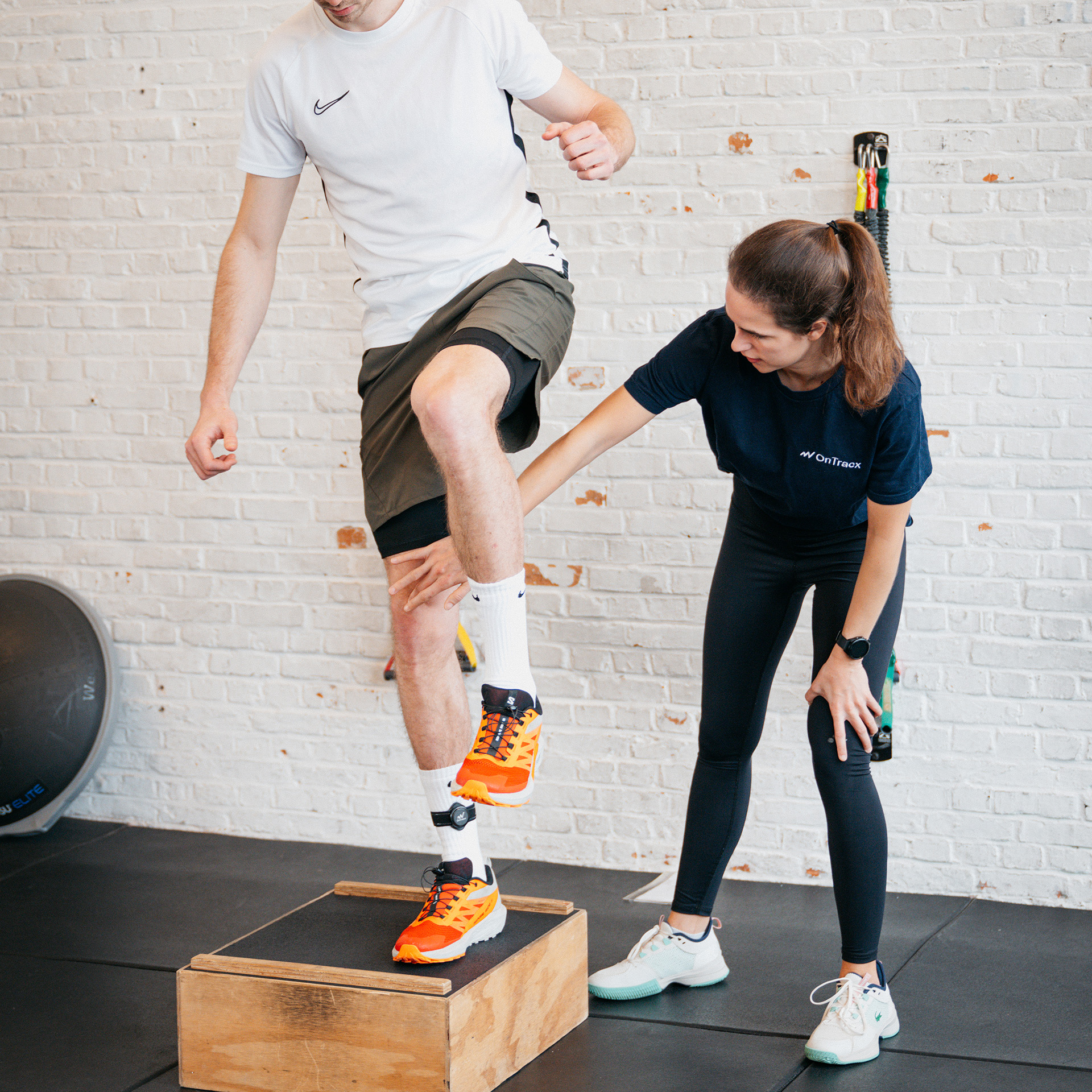
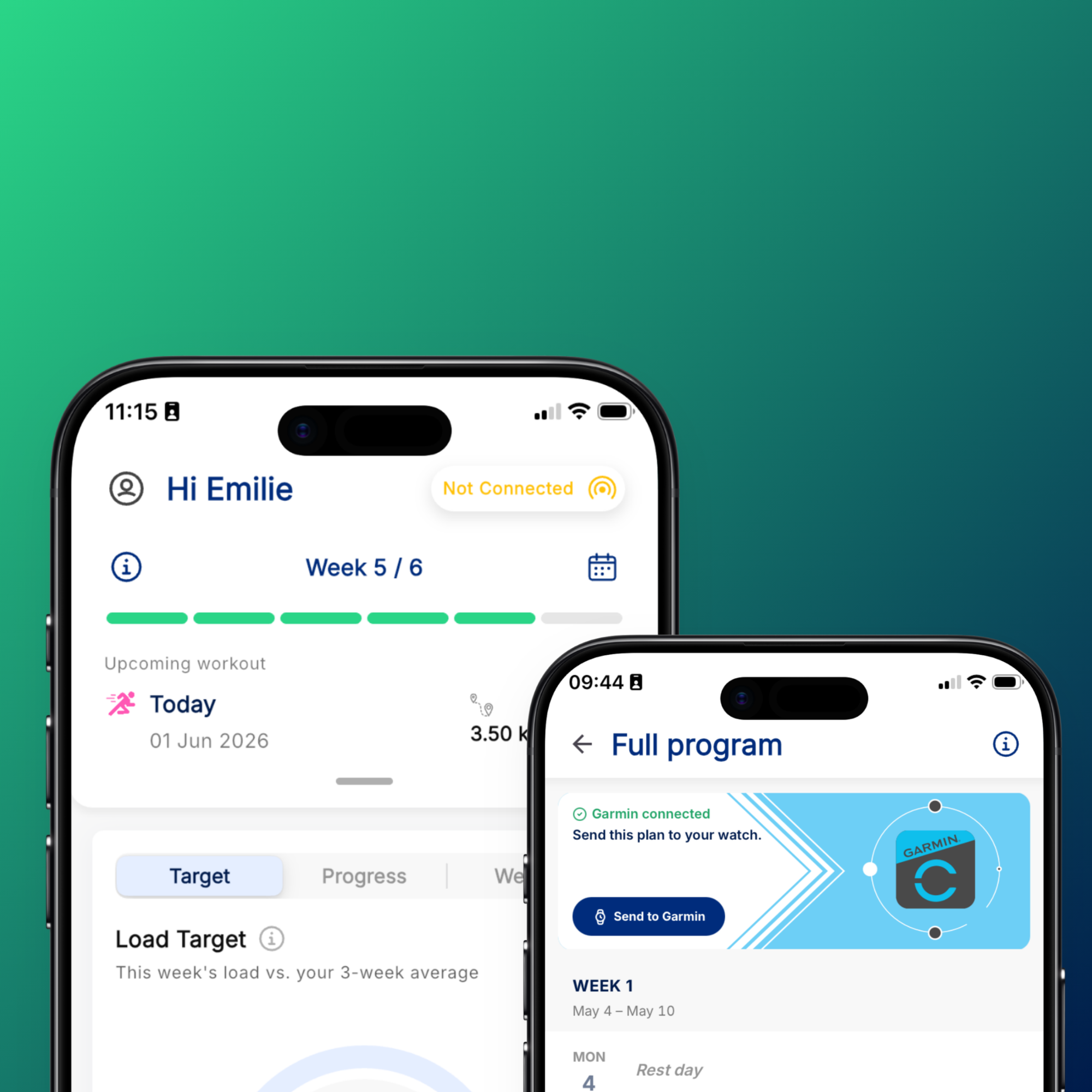
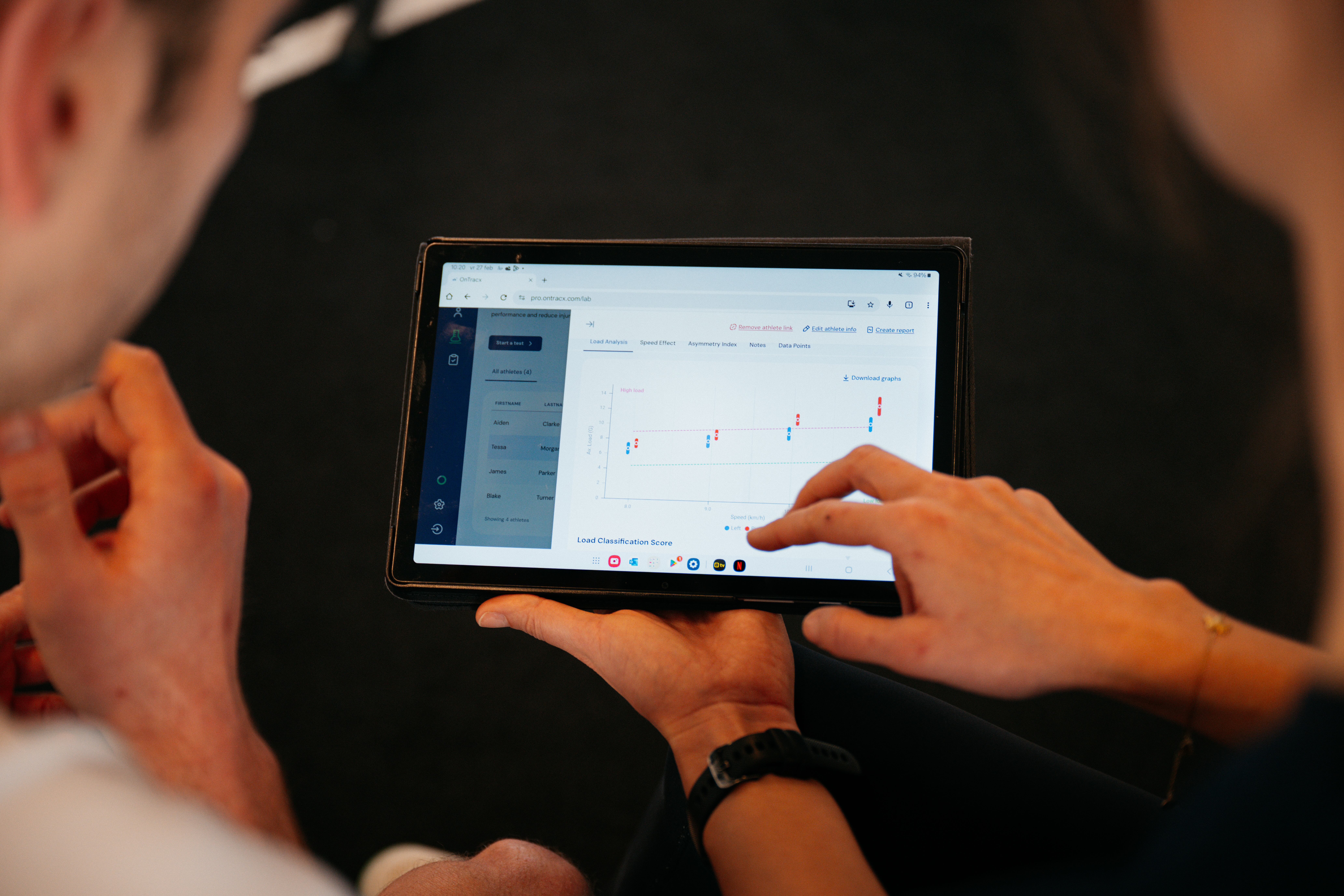
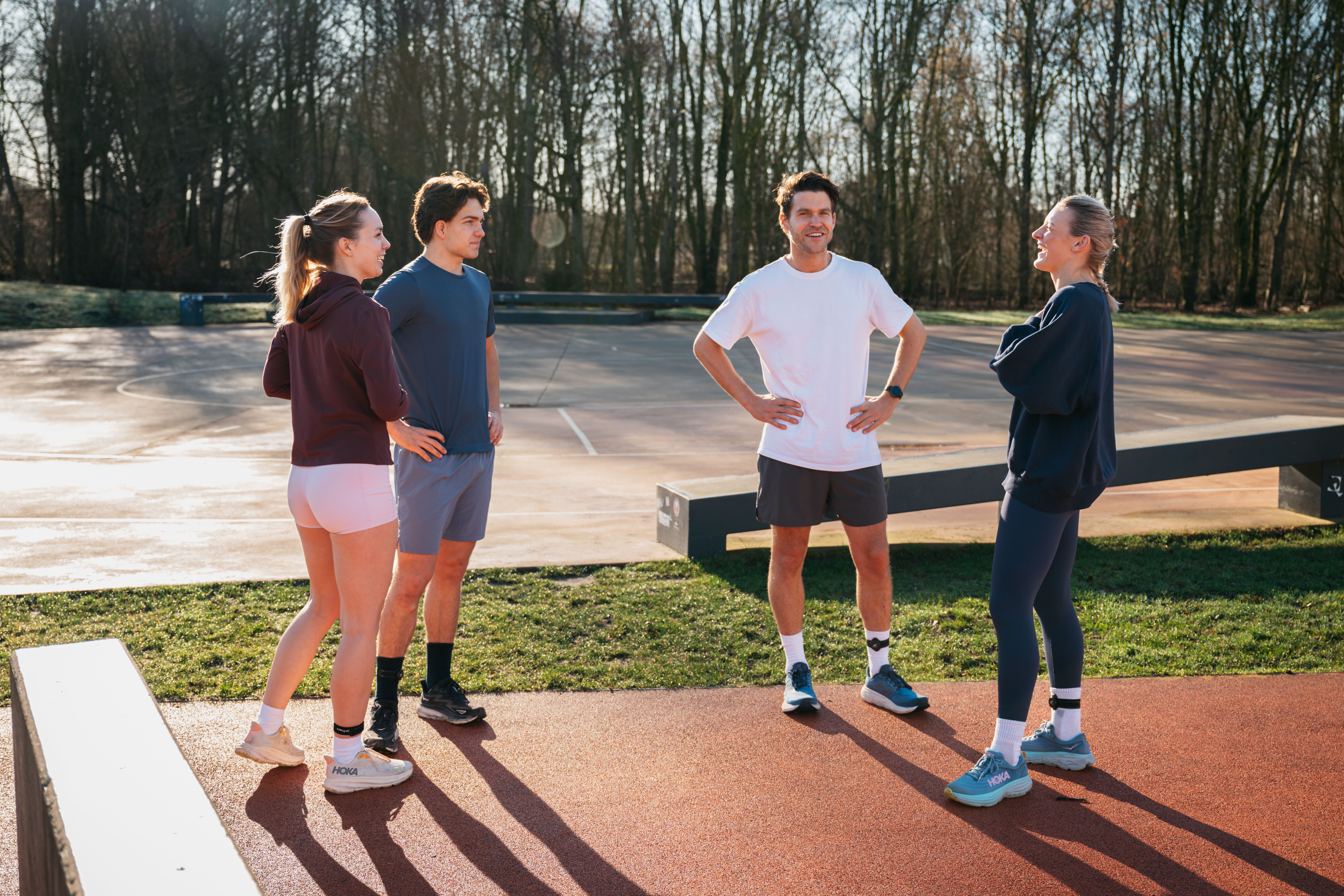
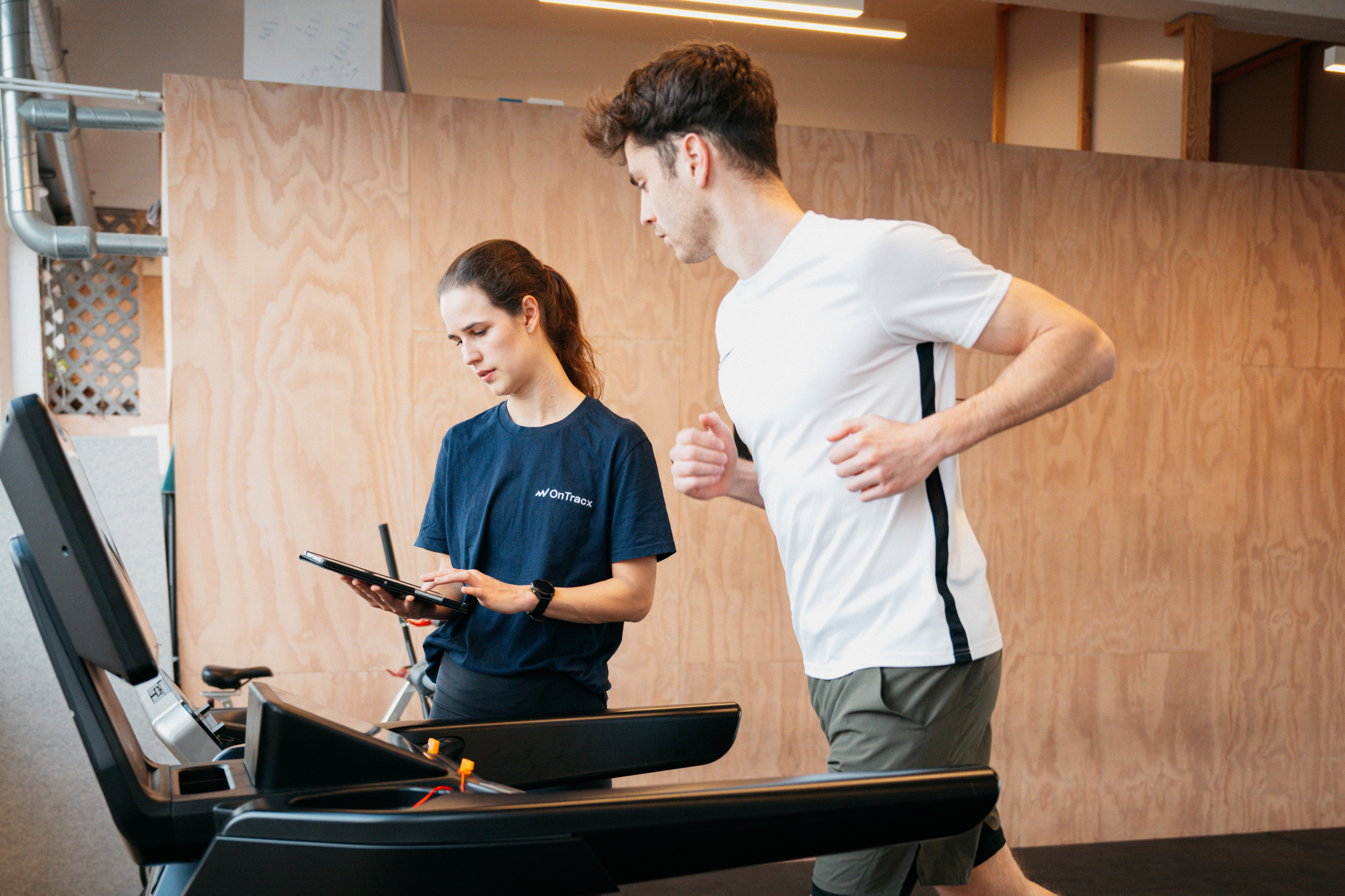
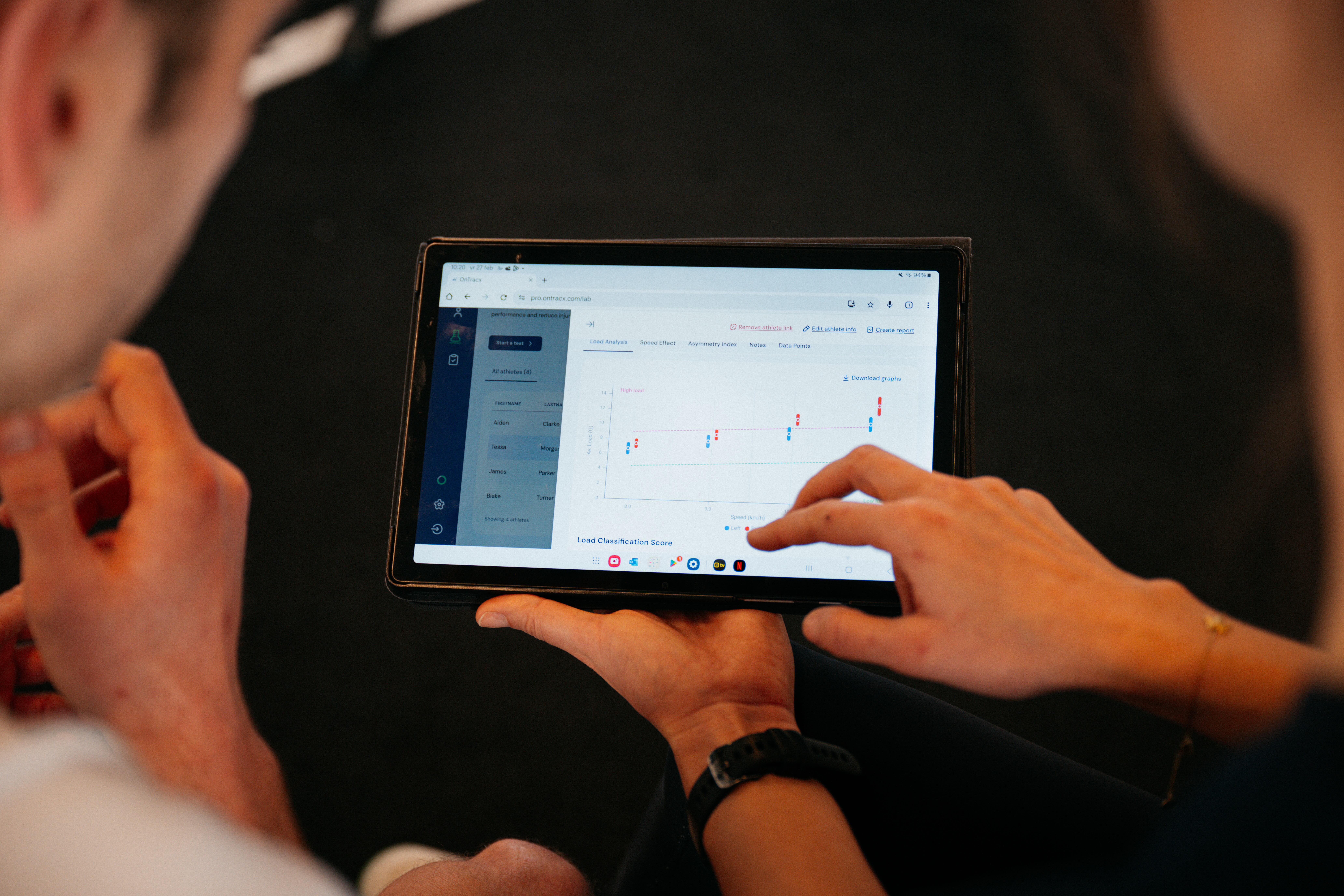
Dr. Teulingkx points to recent developments in wearable technology that aim to measure the mechanical load experienced during running. Rather than focusing only on metrics such as heart rate, pace, or distance, these systems attempt to quantify the impact forces acting on the body with every step.
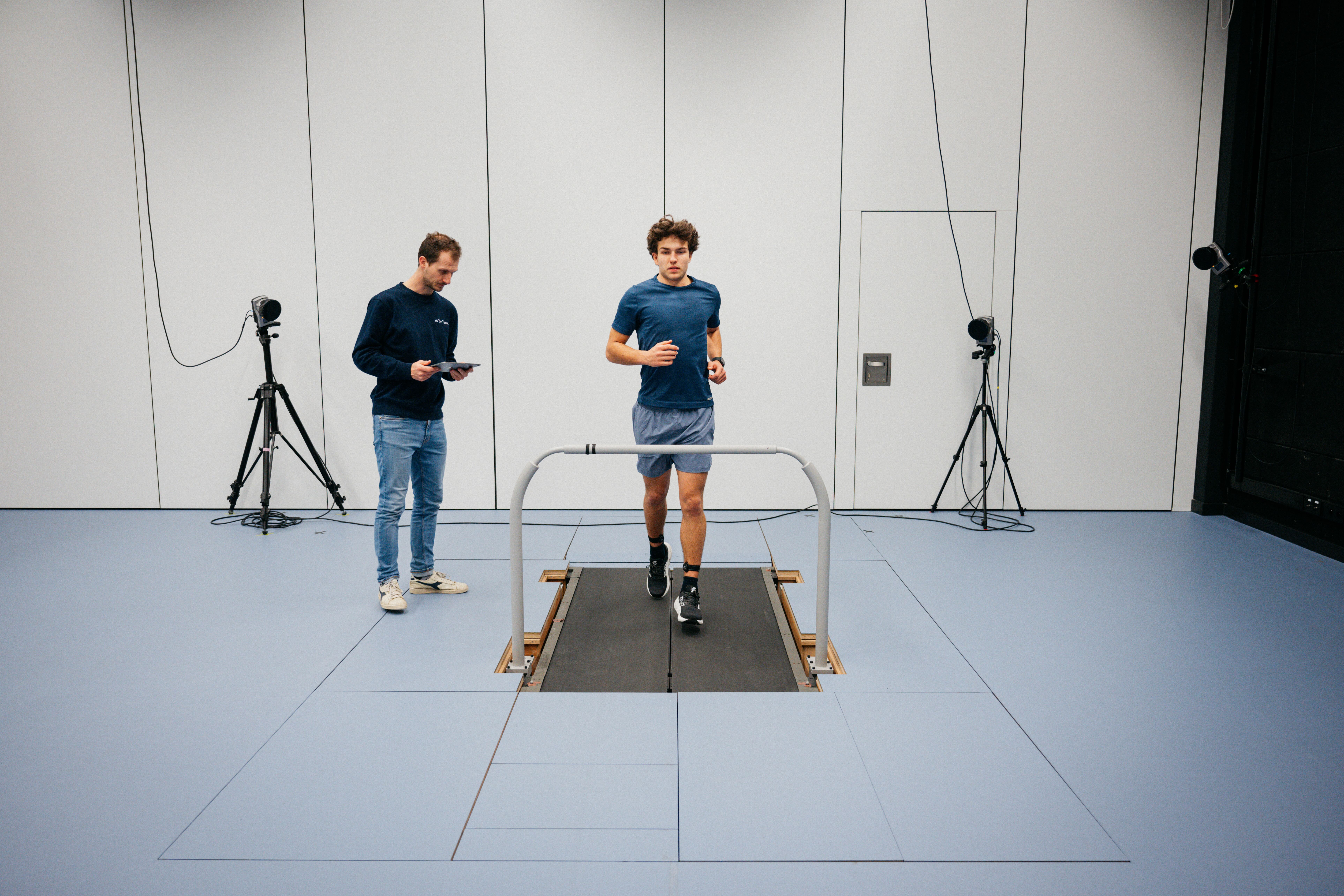
He emphasizes that these measurements should not be viewed as a standalone diagnosis. Instead, they should be interpreted by healthcare professionals, physiotherapists, coaches, or sports scientists within the broader context of an individual's health, training history, and goals. While the technology shows promise, further research is needed to determine its long-term effectiveness in preventing injuries.
Load Capacity Is Highly Individual
A key message from Dr. Teulingkx is that there is no universal training plan that works for everyone. Two runners with similar fitness levels may have very different capacities to tolerate mechanical stress. Factors such as previous training experience, age, body composition, and injury history all influence how much training an individual can safely absorb.
For this reason, personalized training programs are essential. Gradually increasing training demands allows the musculoskeletal system sufficient time to adapt while reducing the risk of overload injuries.
Building Load Capacity Safely
Based on Dr. Teulingkx's recommendations, athletes can improve their load tolerance by following several fundamental training principles:
- Increase training volume progressively.
- Schedule one or two recovery days each week.
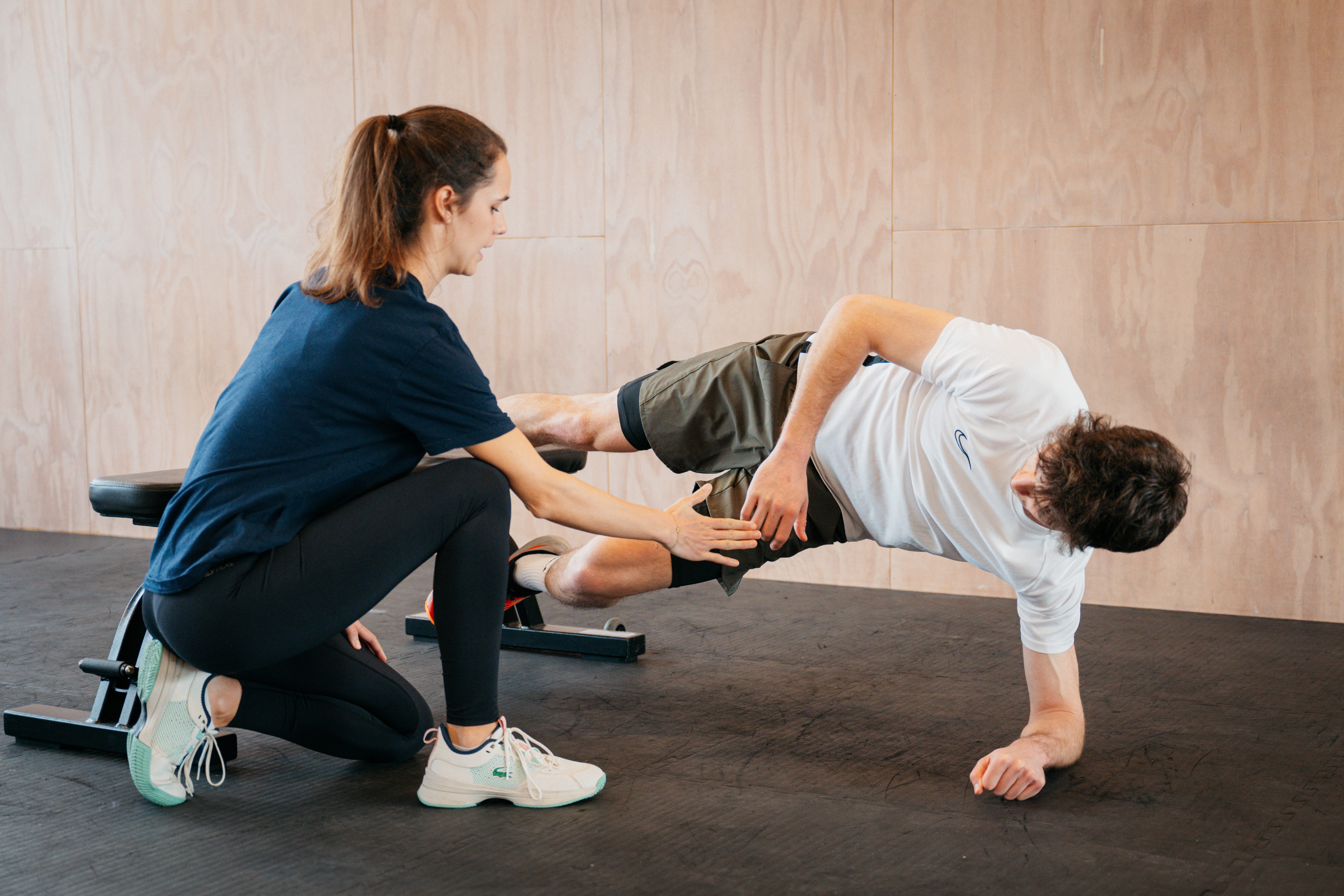
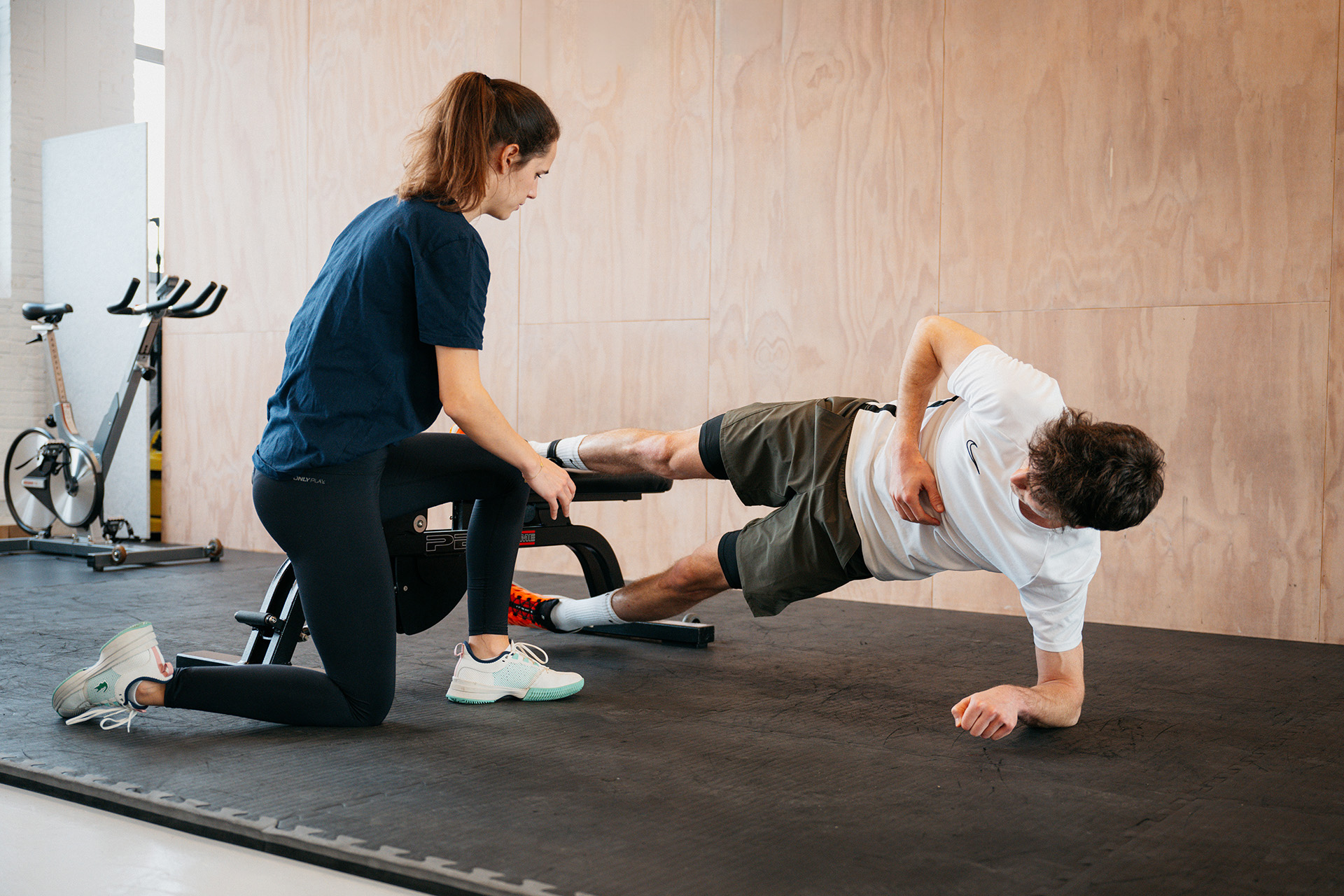
- Incorporate strength training into your routine.
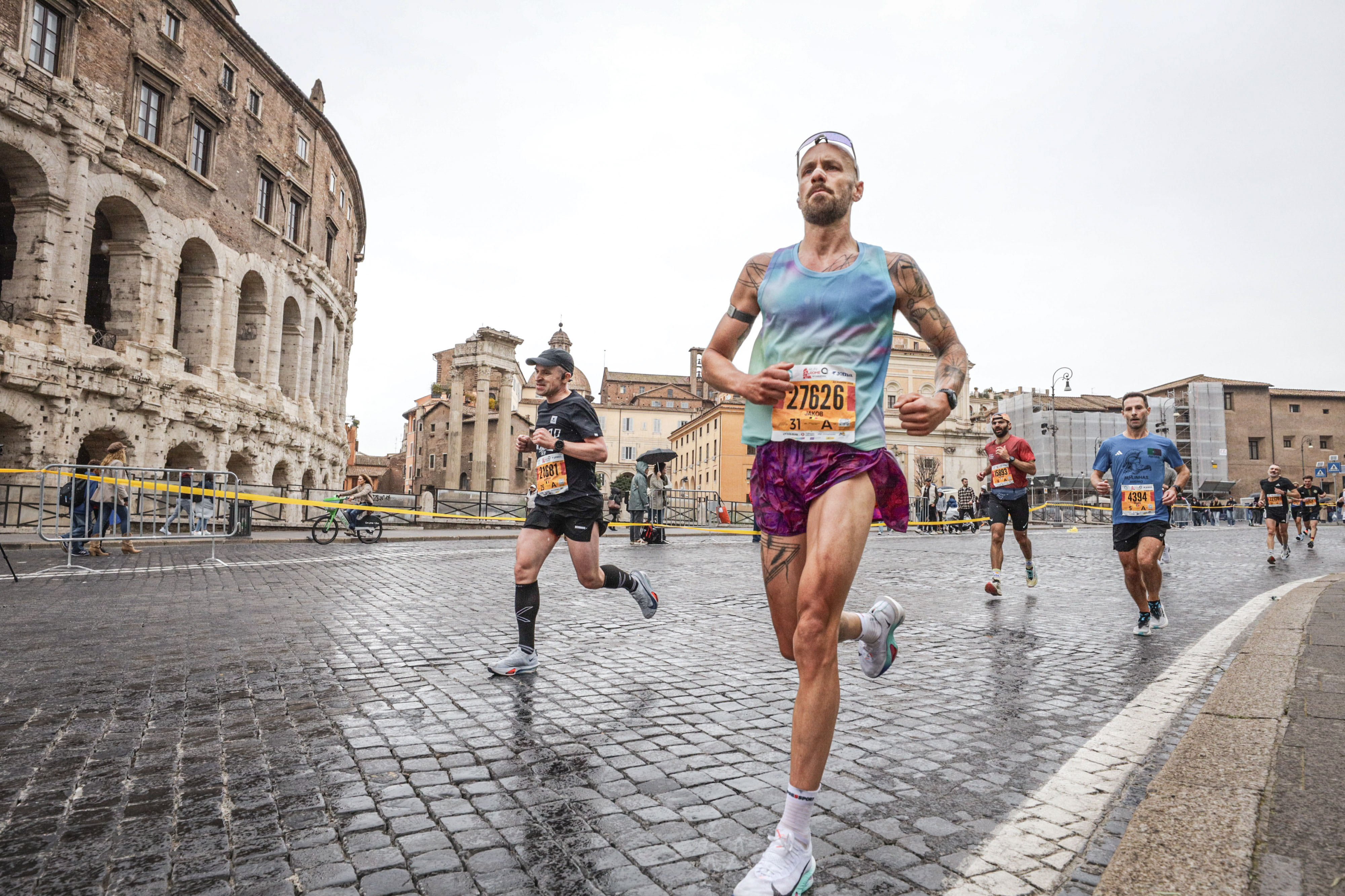
- Vary your running pace, footwear, and training surfaces.
- Address persistent pain early instead of training through it.
Maintaining the right balance between training stress and recovery allows the body to adapt more effectively and supports long-term performance.
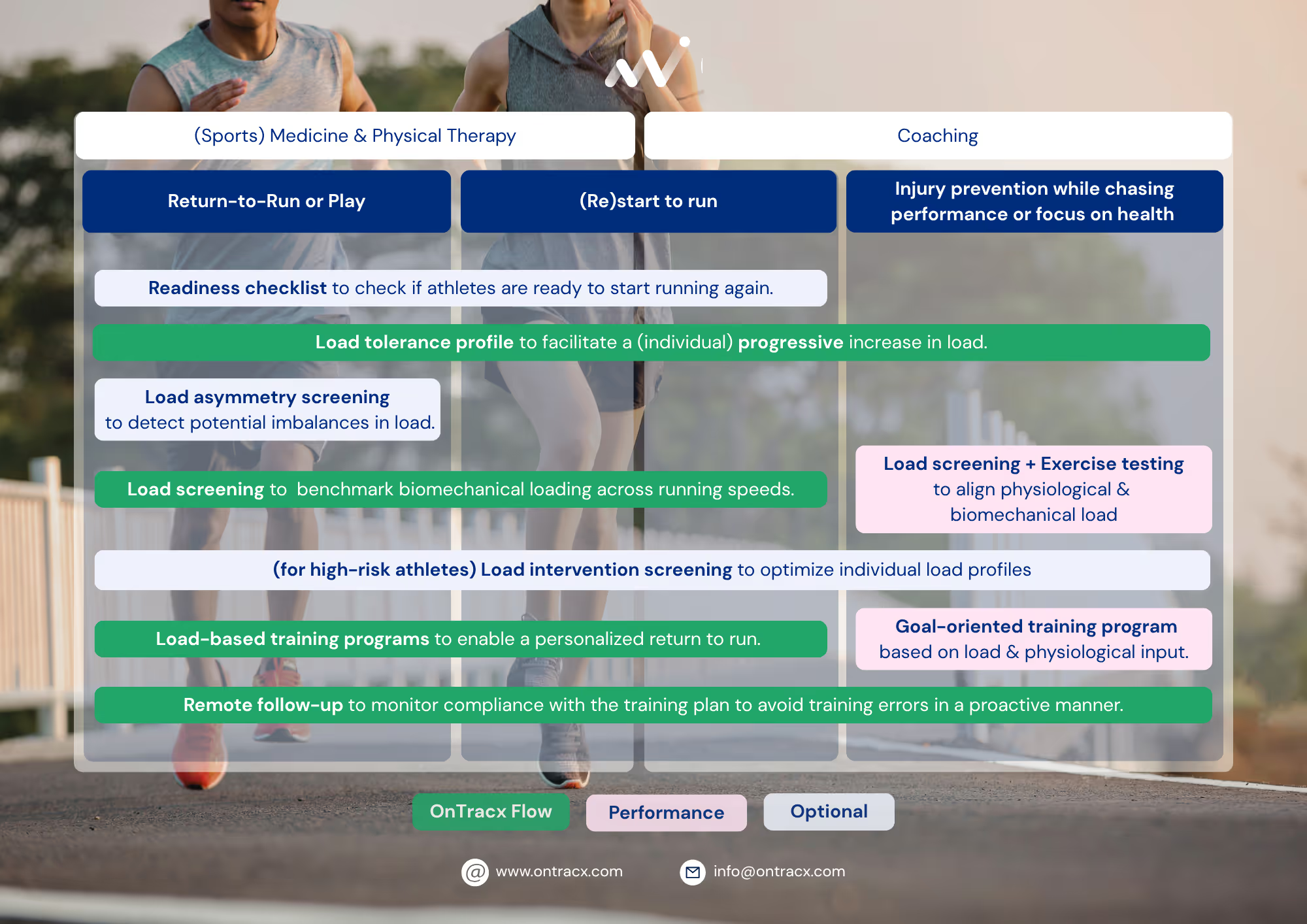
The OnTracx Perspective
The insights shared by Dr. Tom Teulingkx closely align with the philosophy behind OnTracx. We believe that performance depends not only on fitness but also on understanding the relationship between mechanical load and an individual's capacity to tolerate that load.
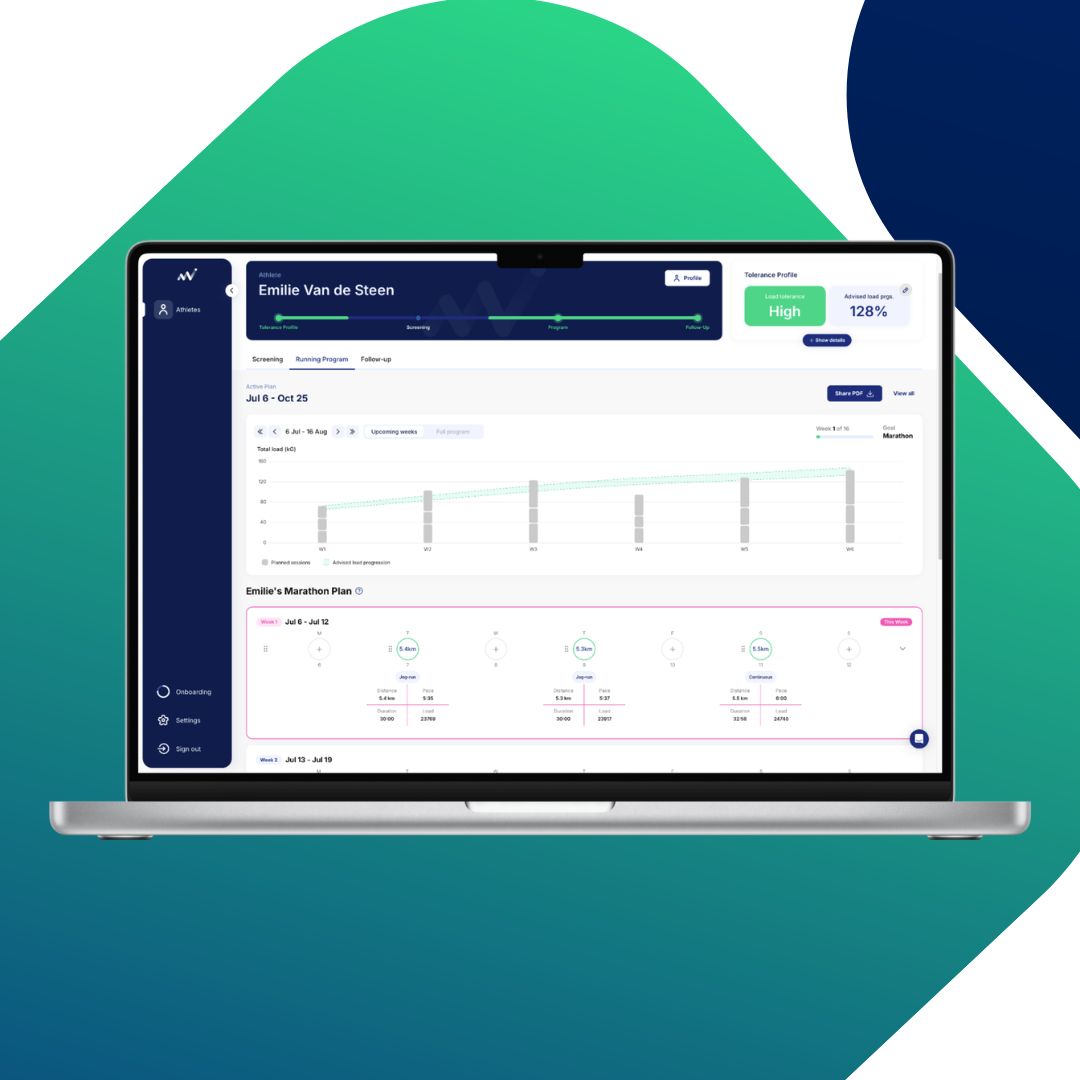
By combining objective biomechanical measurements with individualized assessment, OnTracx helps athletes, coaches, and healthcare professionals make better-informed decisions about training progression, injury prevention, and long-term performance.
This article summarizes and discusses the perspectives of sports physician Dr. Tom Teulingkx on biomechanical load and injury prevention. It is an independent interpretation and does not reproduce or republish the original interview or article in which these insights appeared.
.jpg)

.png)





%20(5).png)

%20(3).avif)
%20(4).avif)
.jpg)