Go back to all insights

Clearer return-to-run through data-driven rehab at Rebuild Herent
"Compared to other platforms that are more focused on exercise-based return-to-sport programs rather than running-specific scheduling."
14
/
05
/
2026
3
min read
TABLE OF CONTENTS
Share



The Challenge
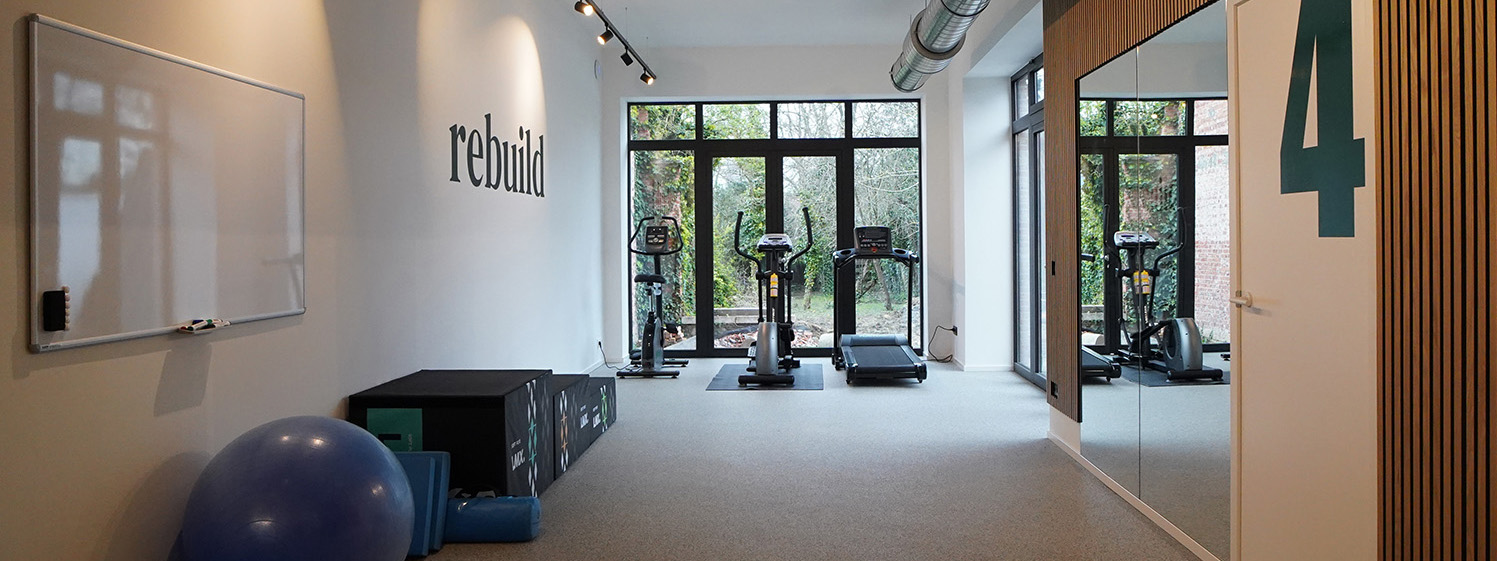
At Rebuild Herent, helping patients return to running safely and confidently is an important part of the rehabilitation journey. However, creating structured and evidence-based return-to-run programs was often time-consuming and heavily dependent on individual expertise.
“We noticed that creating evidence-based, customized running schedules could sometimes be challenging and time-intensive. We were looking for a way to make that process more objective, simpler, and less time-consuming.”
Our team was looking for a solution that could combine objectivity, practical rehabilitation guidance, and easy communication toward patients.
The Solution
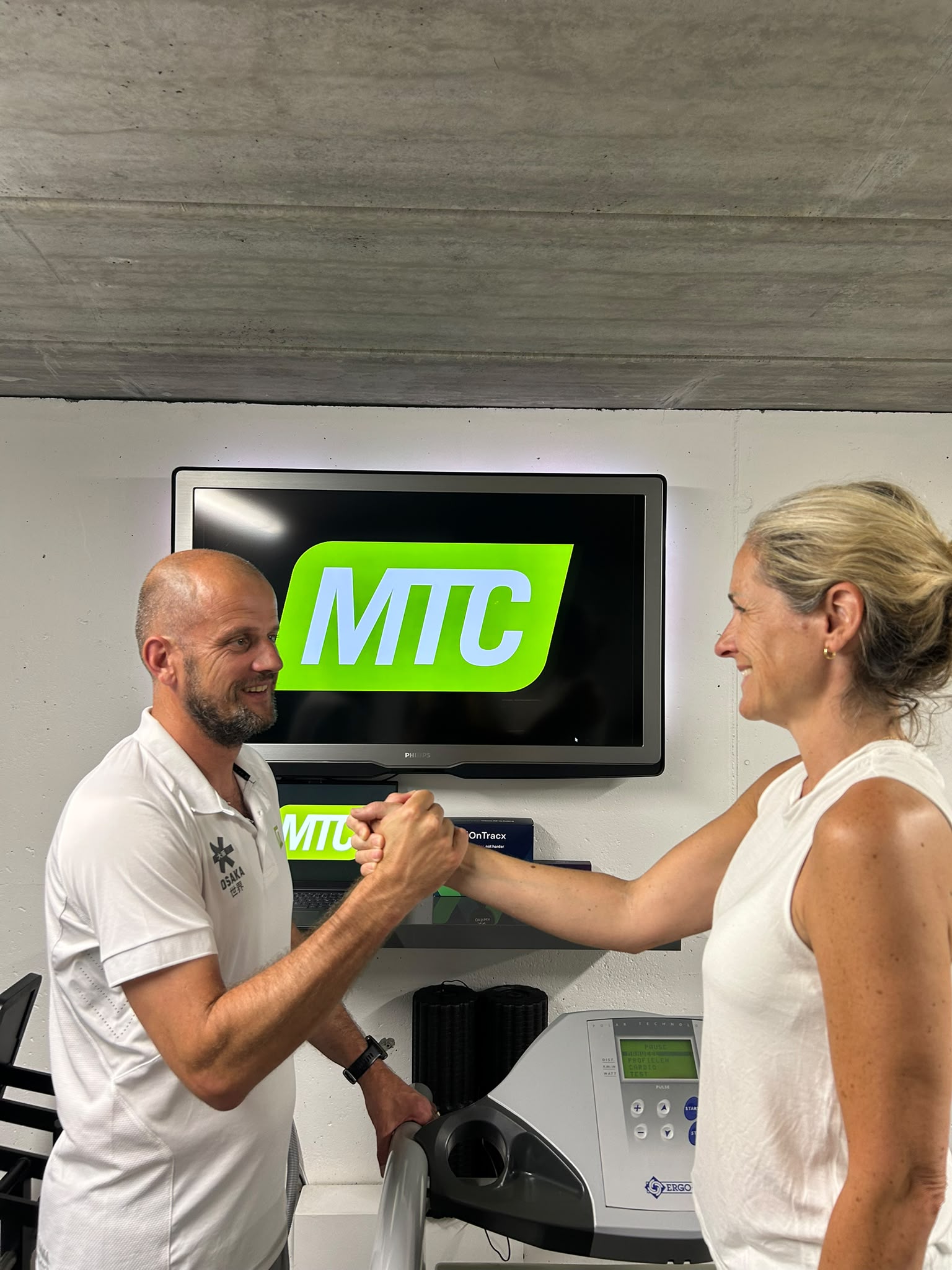
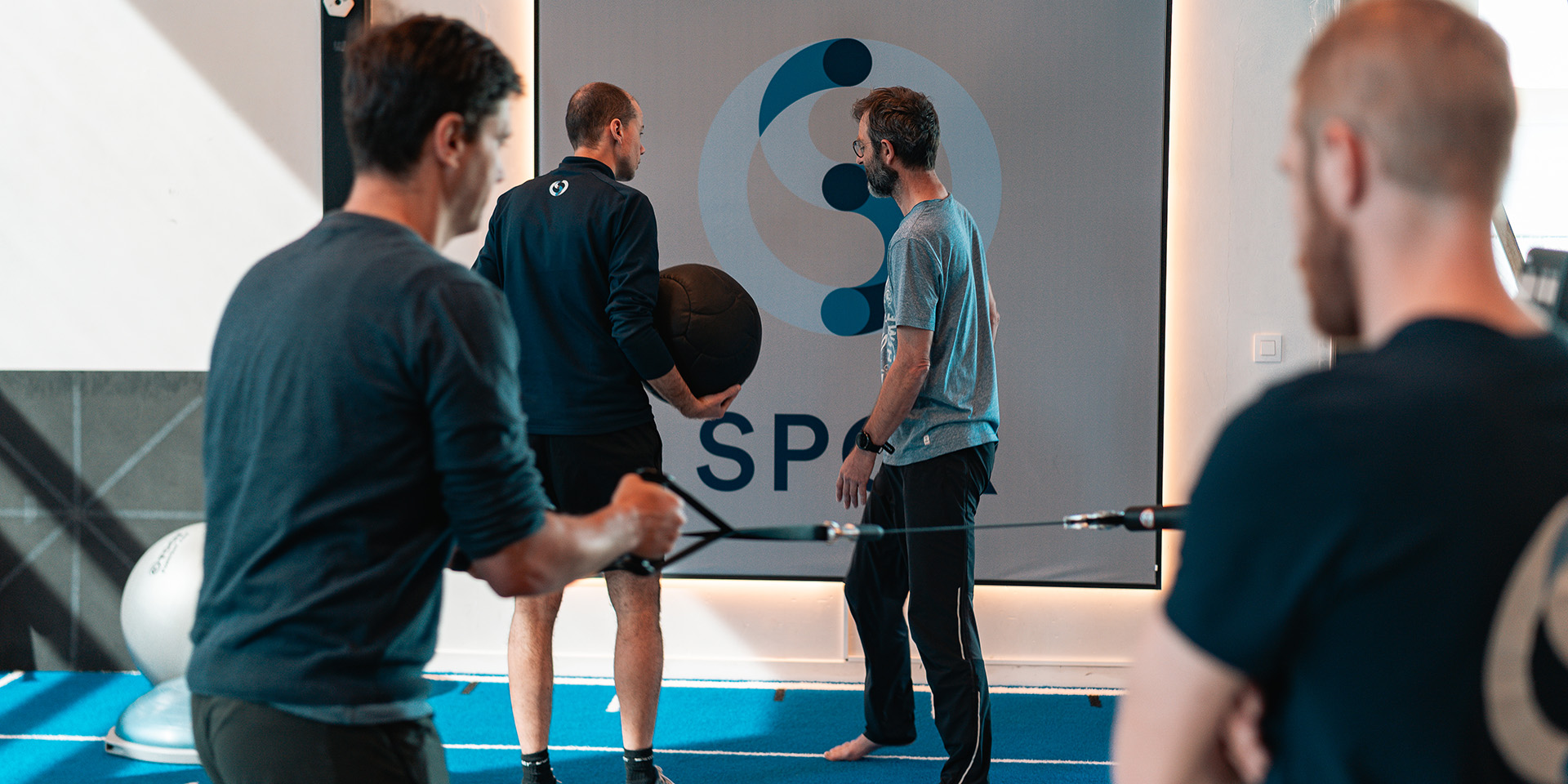
We were introduced to OnTracx through Michiel, our personal trainer at Rebuild Herent. Based on his experience with different sports technology platforms, he suggested that OnTracx could be a relevant and suitable option to explore, given our need for software that simplifies the creation of running schedules. This was particularly in contrast to other solutions that focus more on exercise-based return programs rather than running-specific scheduling.
Following his recommendation, Jolien - owner of Rebuild Here reached out to the OnTracx team, and shortly after, Alexandre visited our practice to provide a full demonstration.
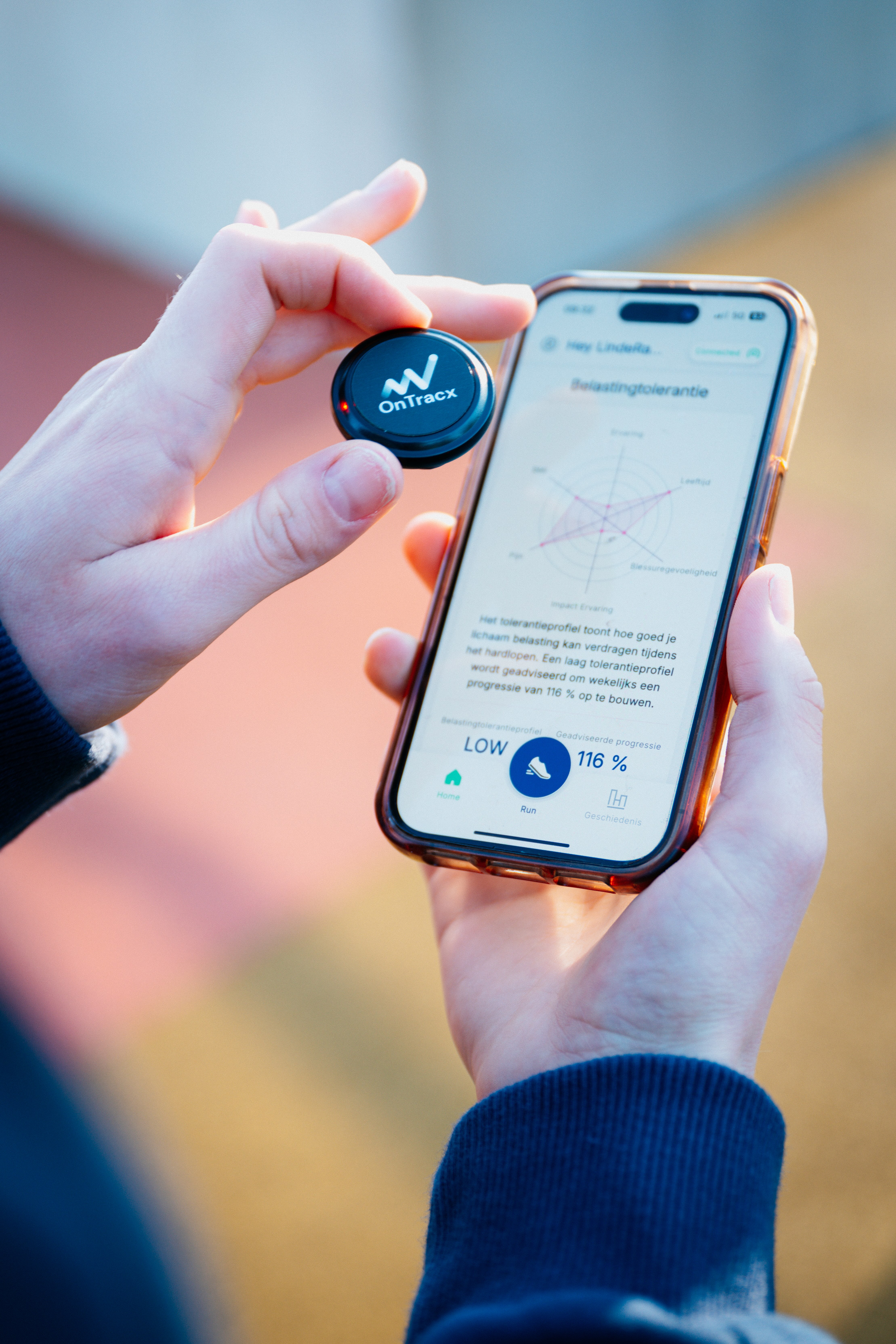
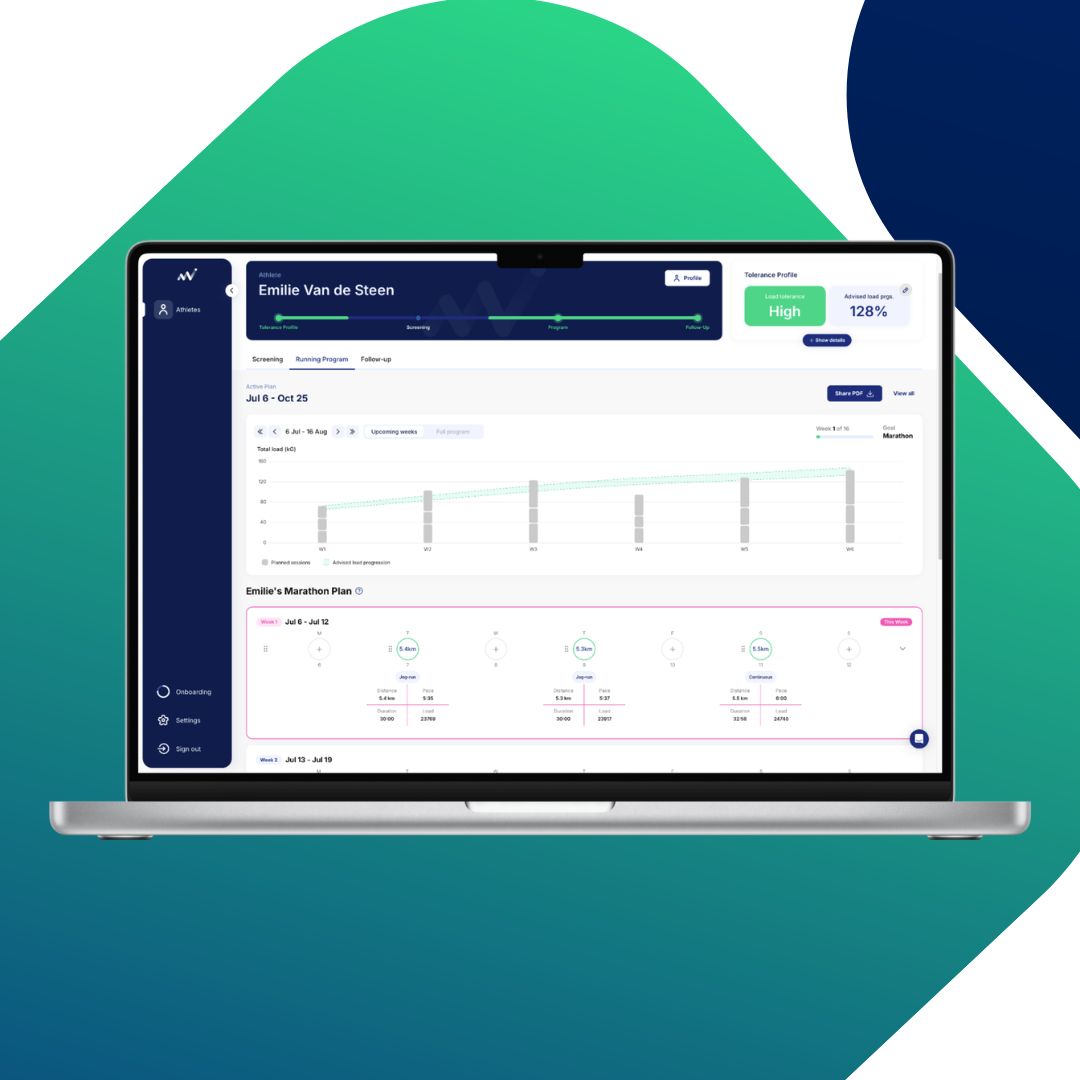
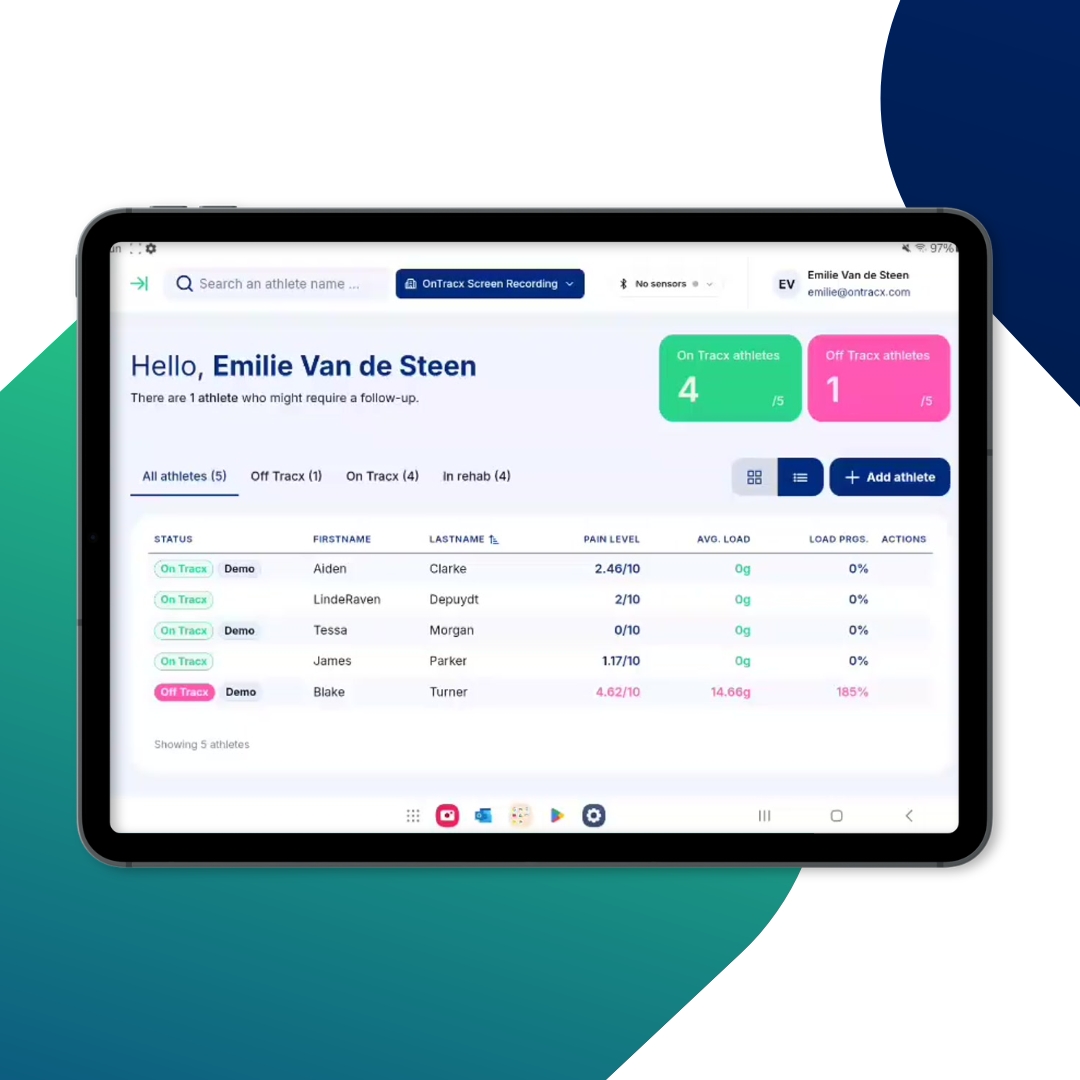
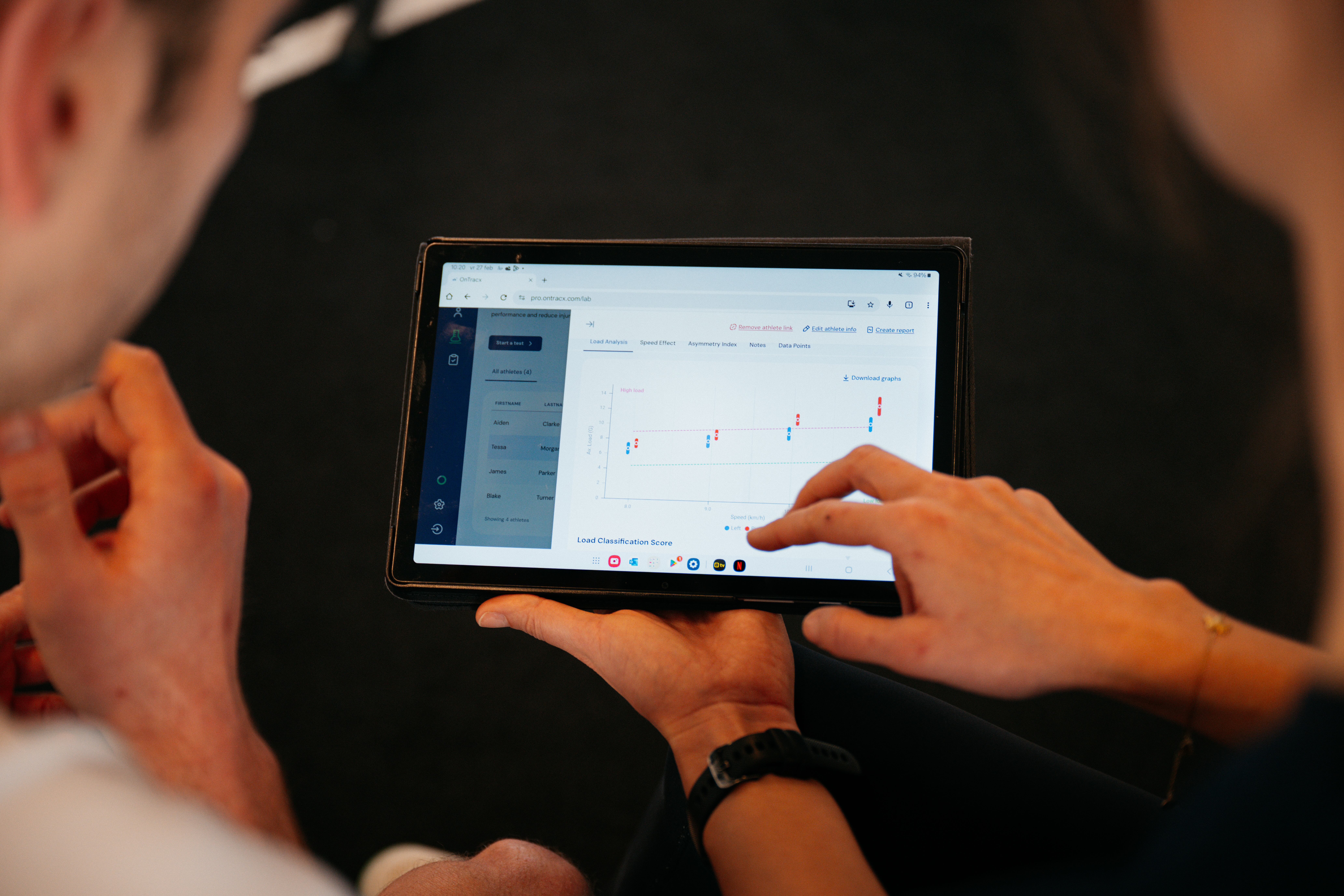
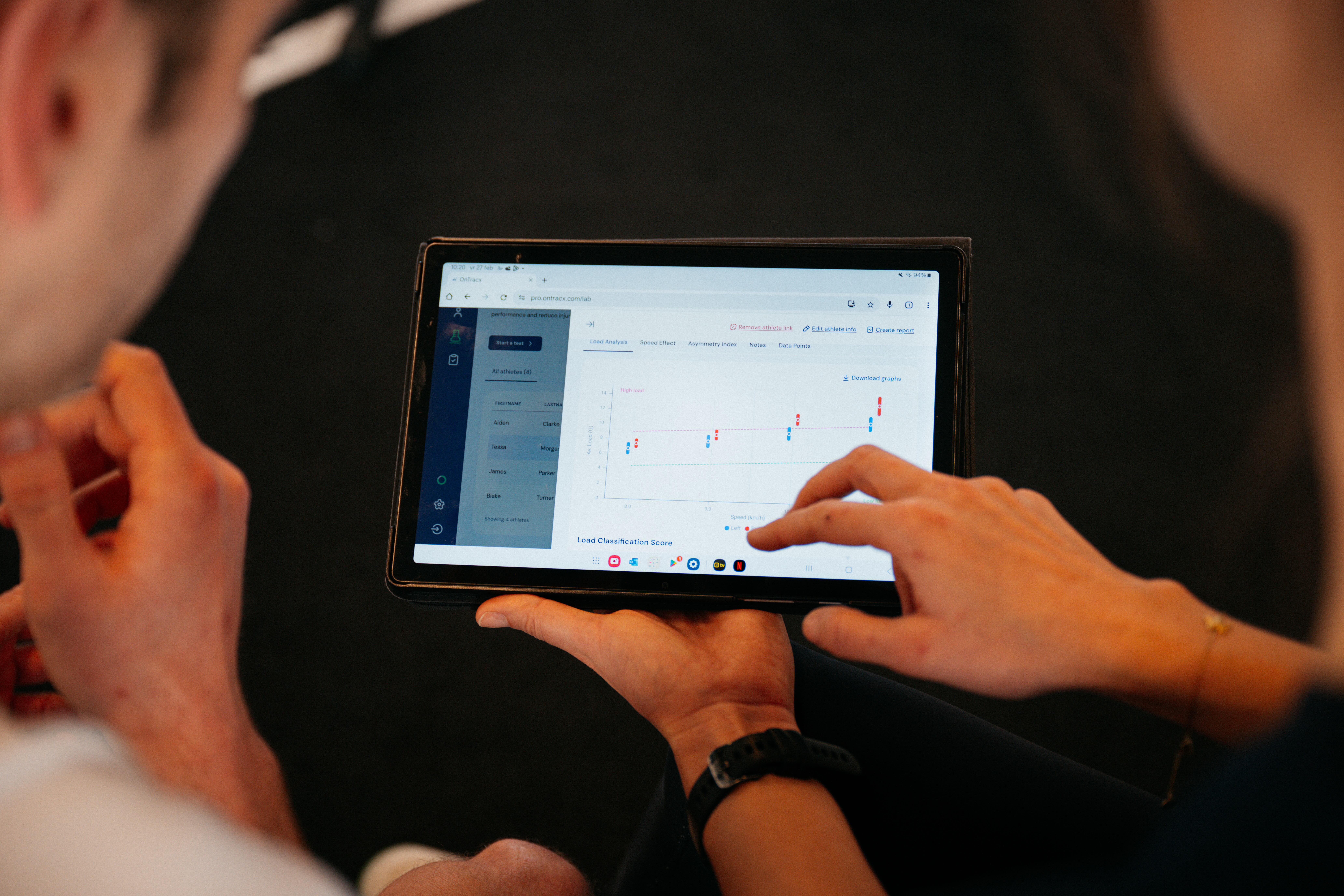
“With OnTracx, we can now analyze running load much more concretely and automatically create evidence-based training schedules. That saves us time, but also makes things much clearer for the patient. Thanks to the visualizations, athletes better understand where they are in their rehabilitation and how they can safely progress.”
Integration and Collaboration
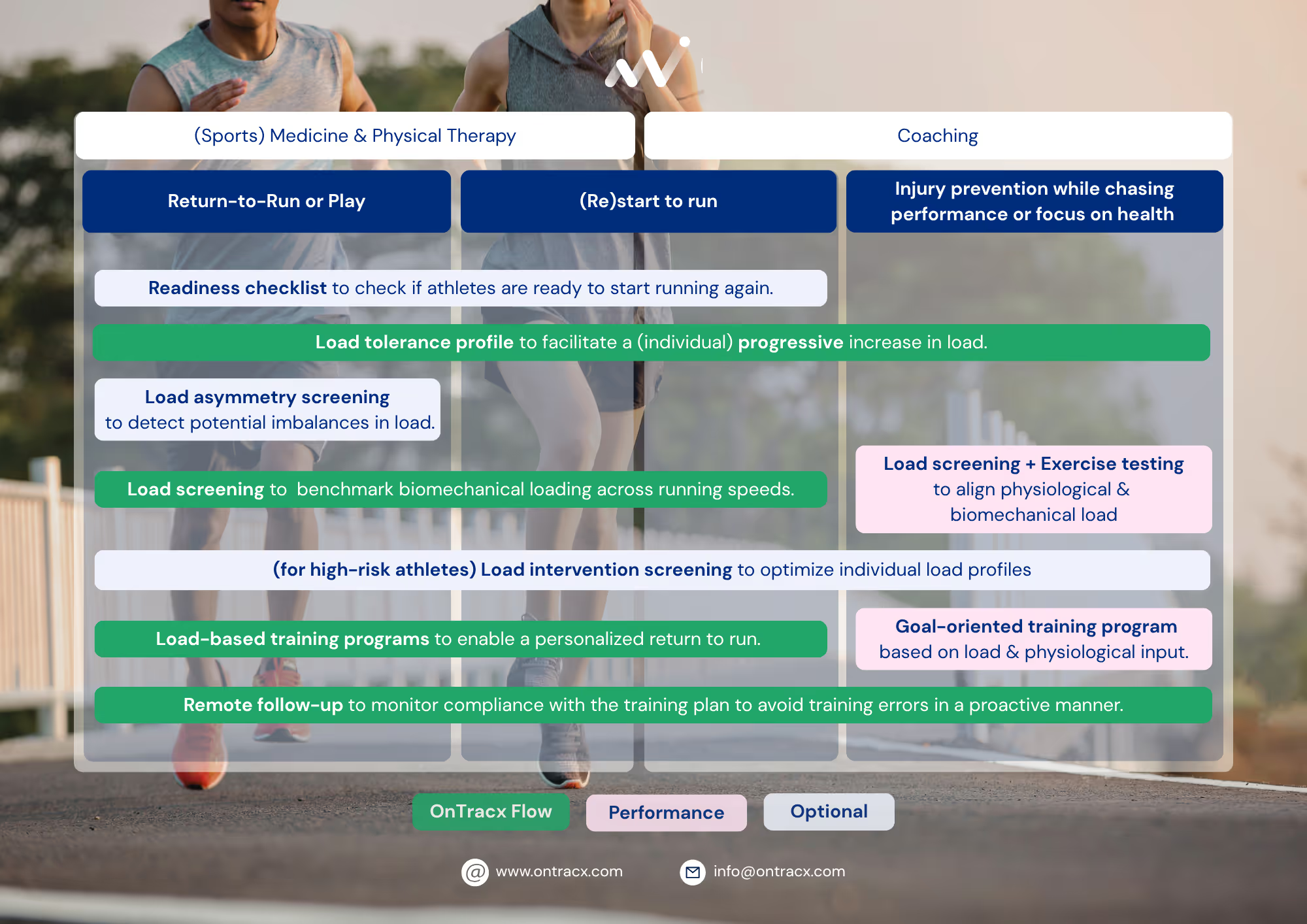
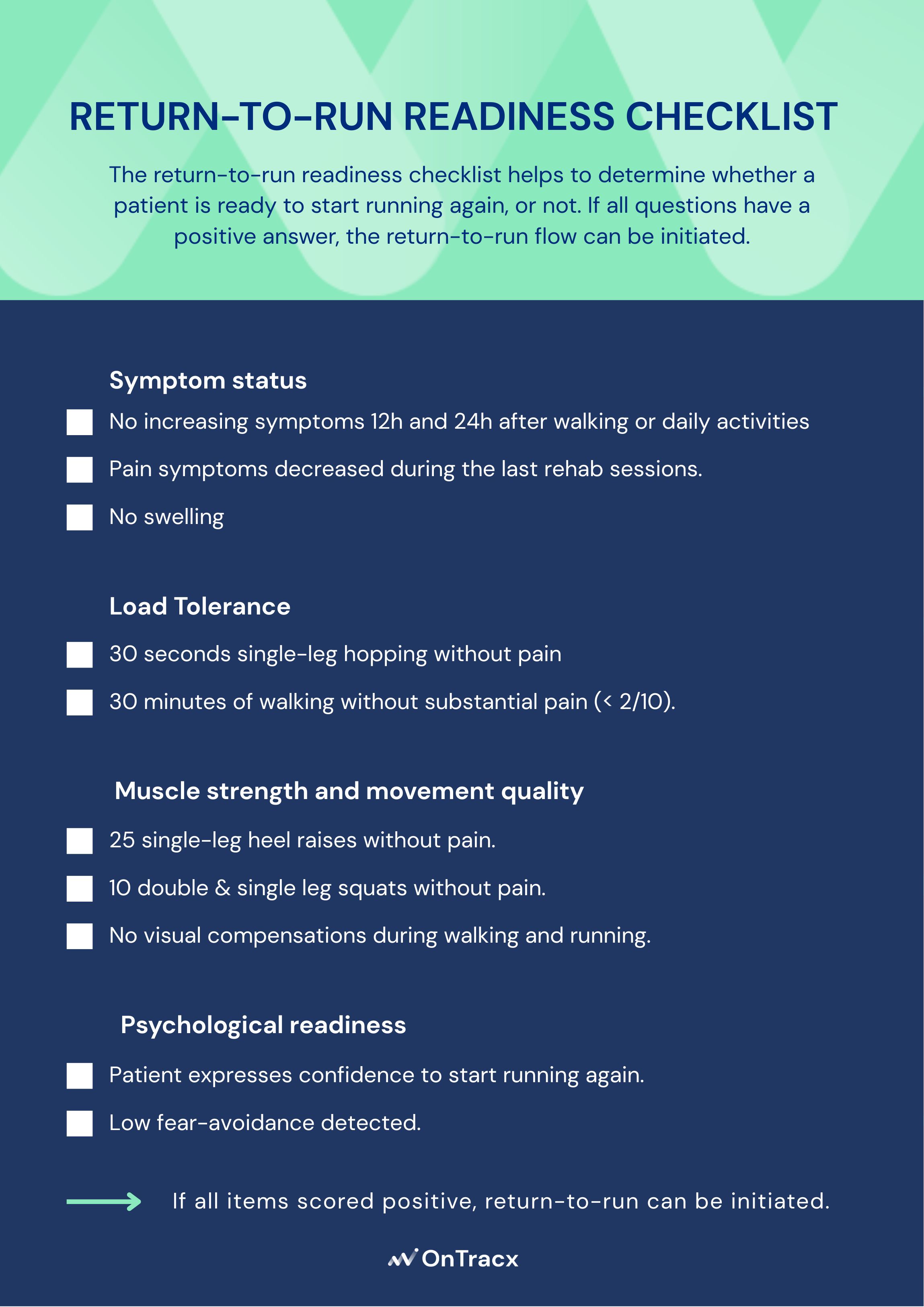
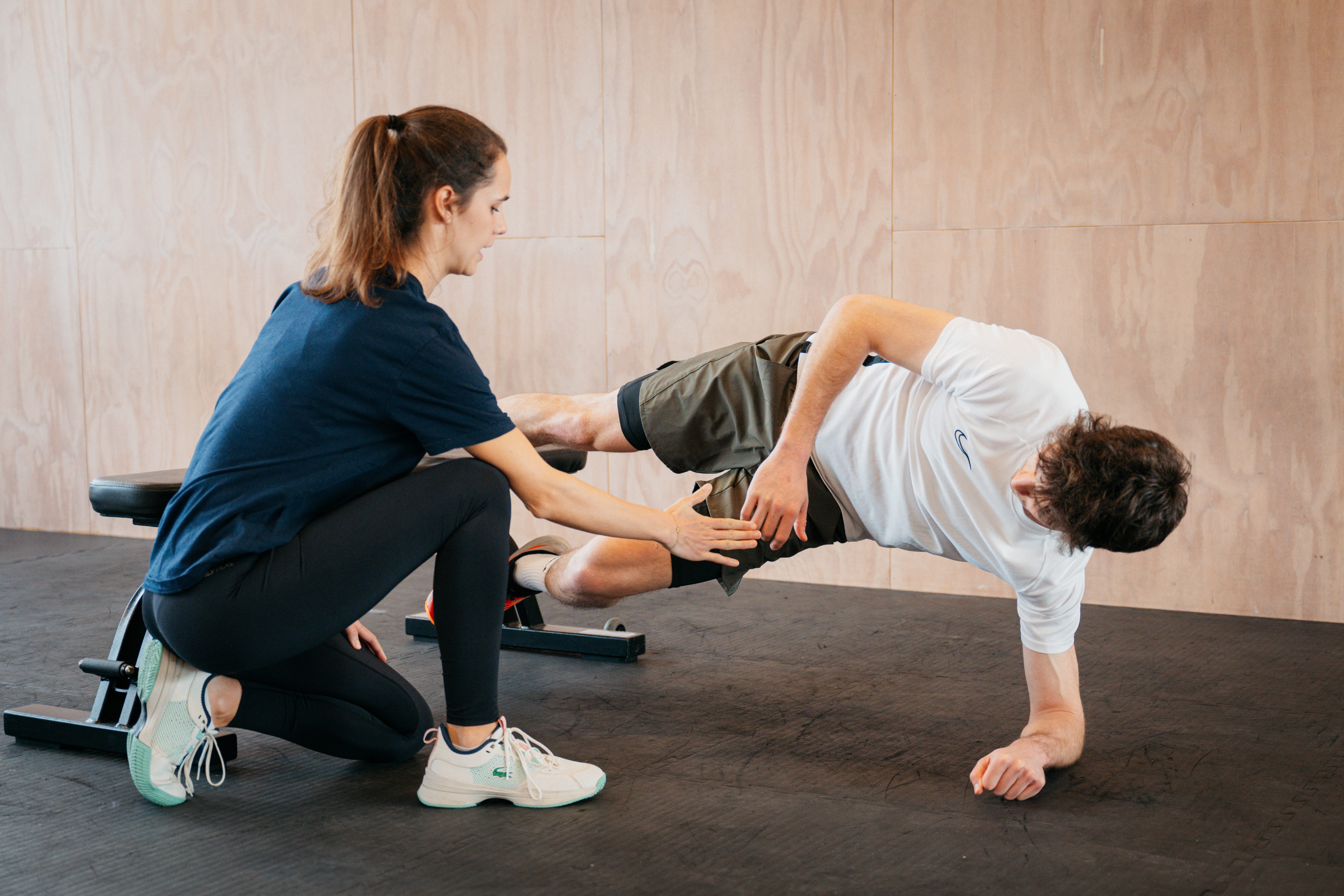
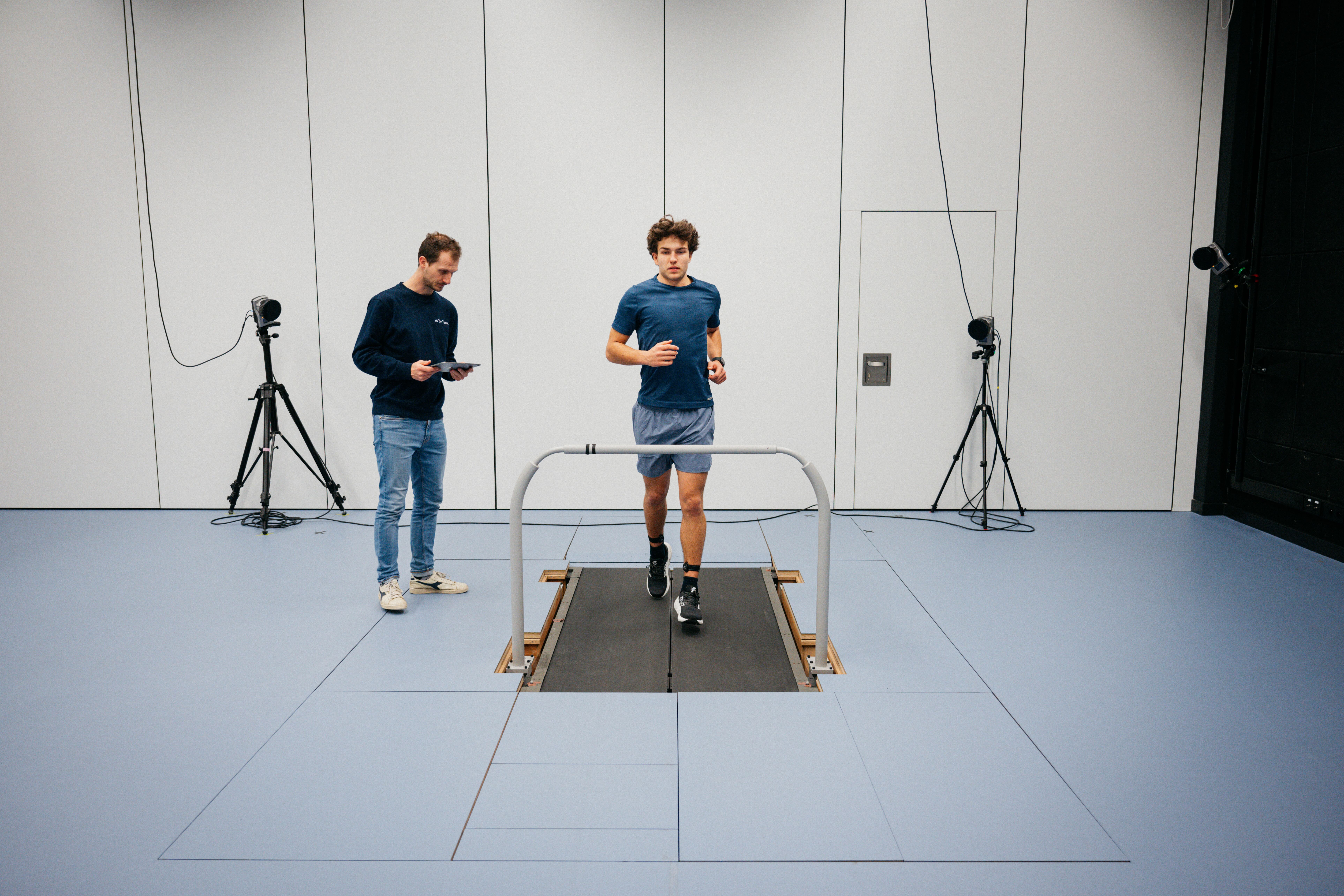
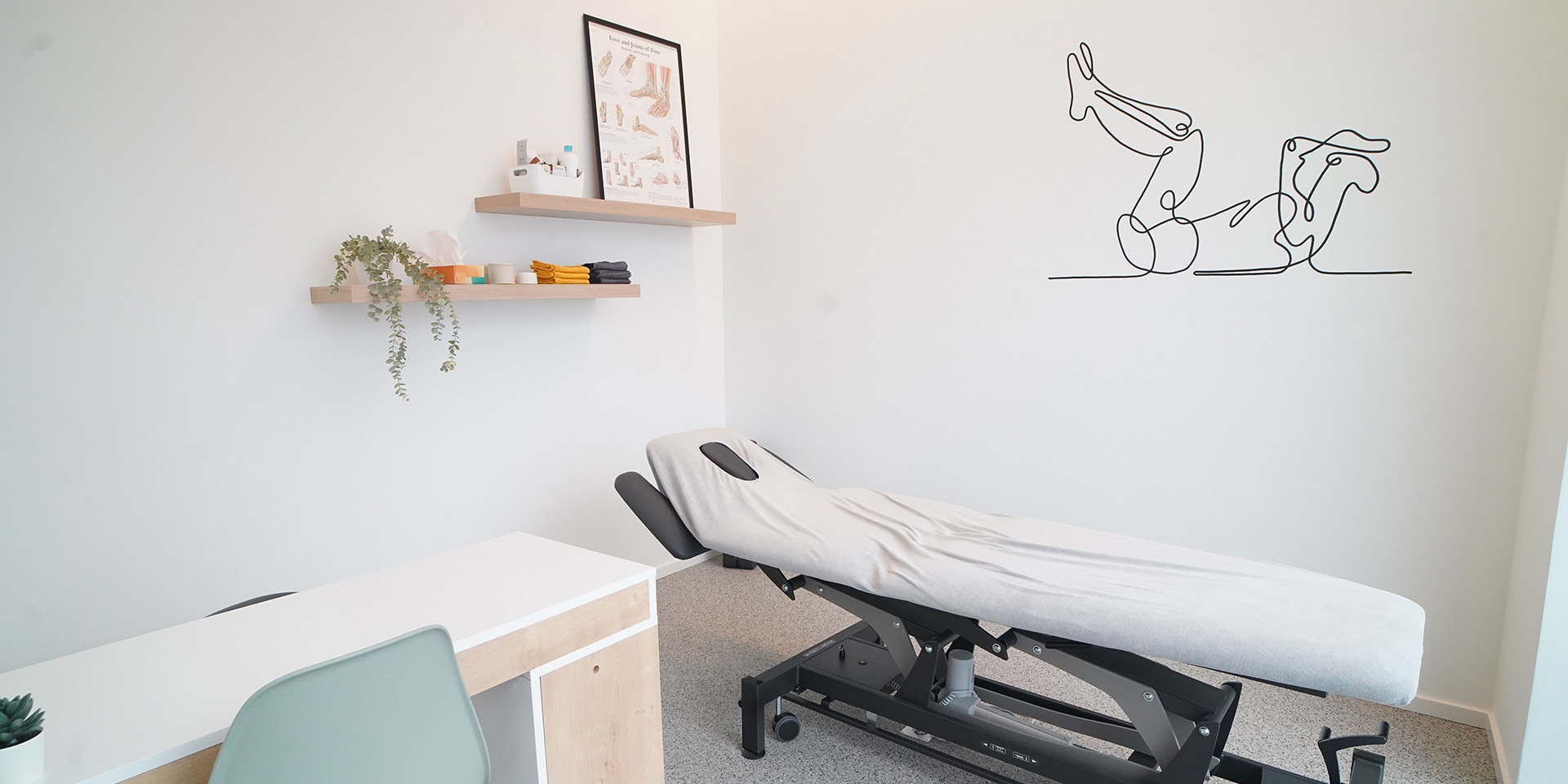
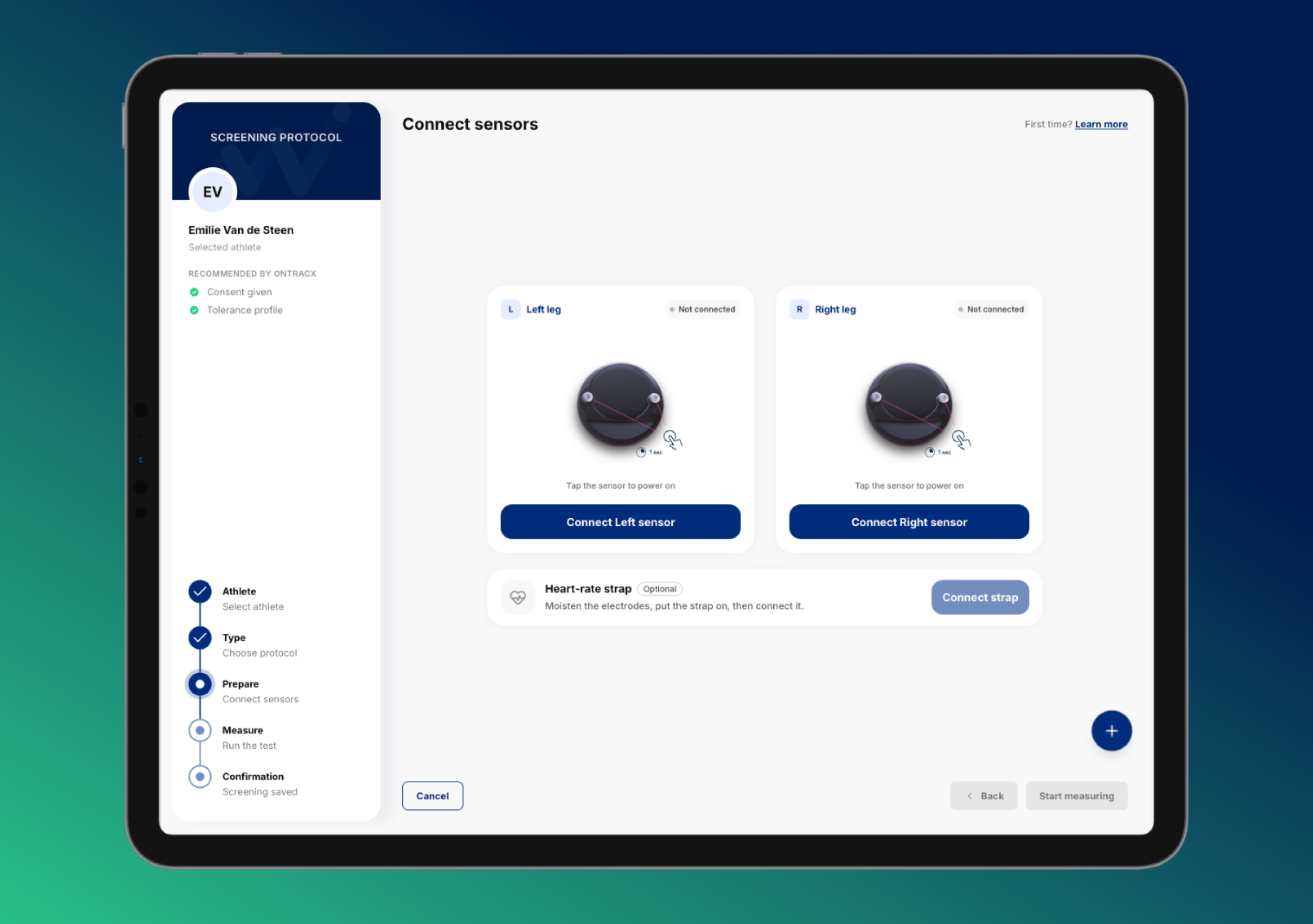
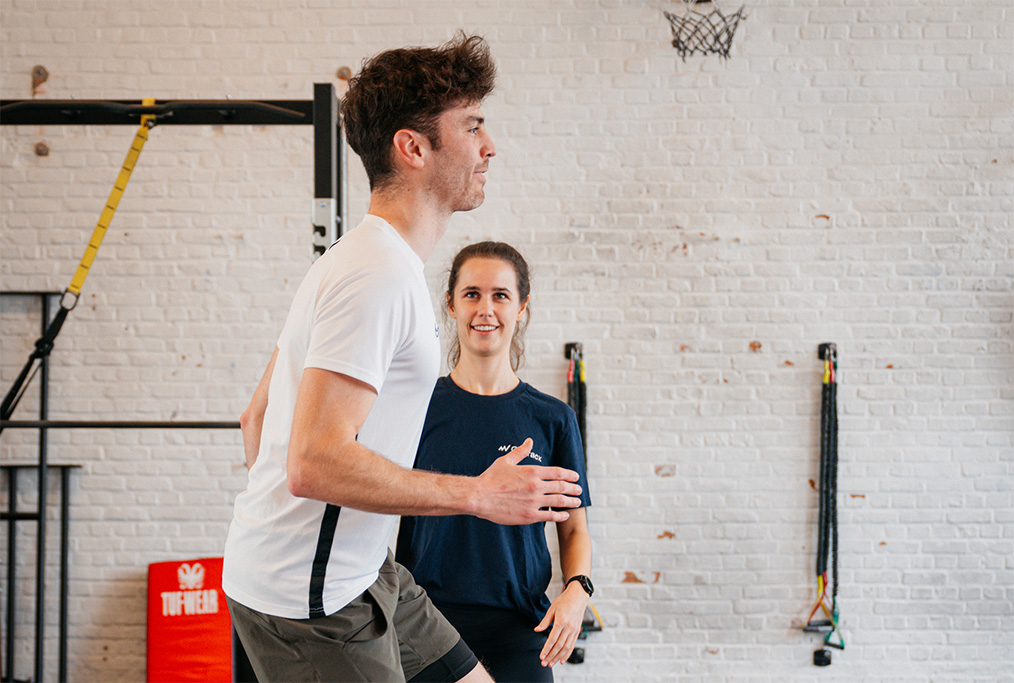
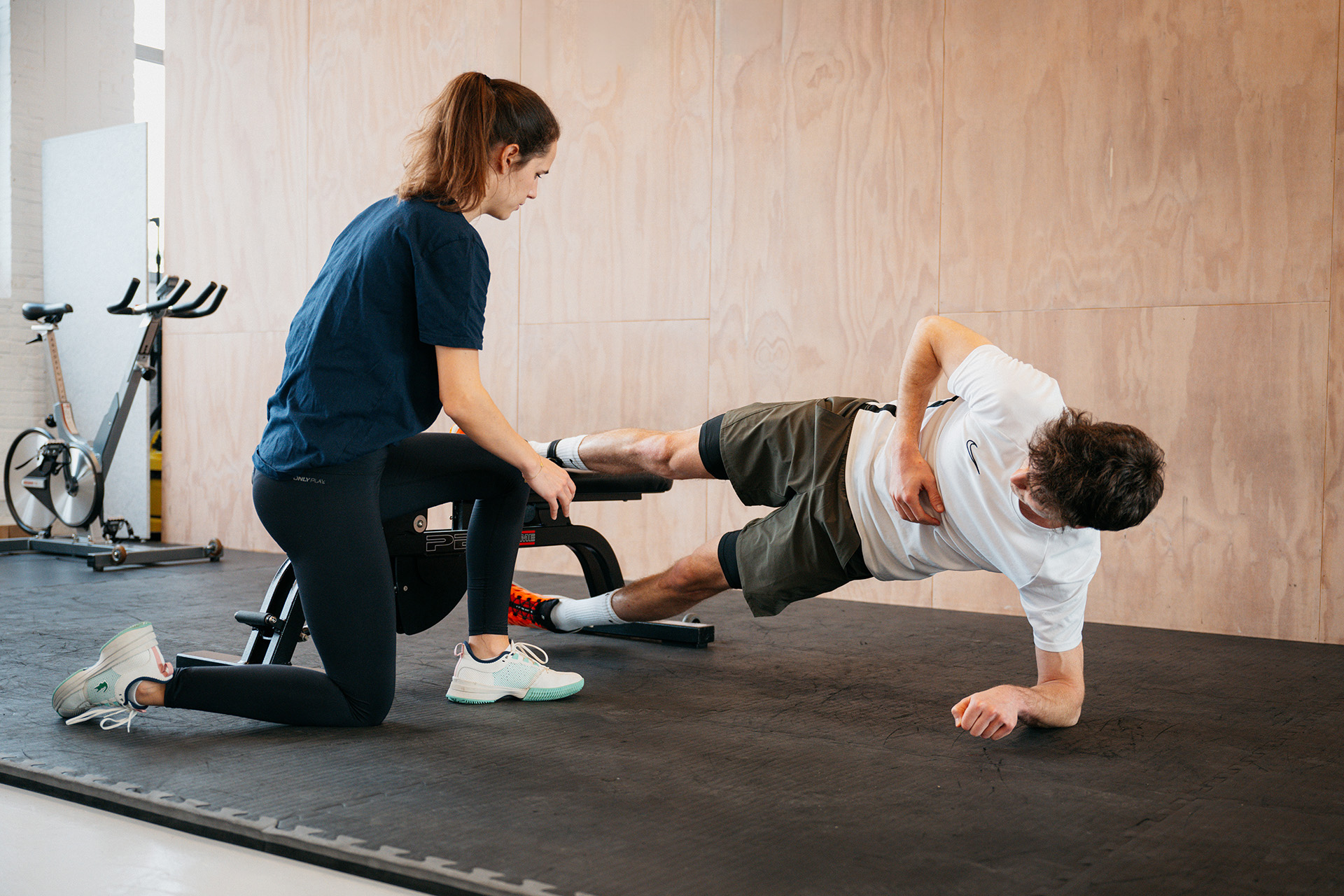
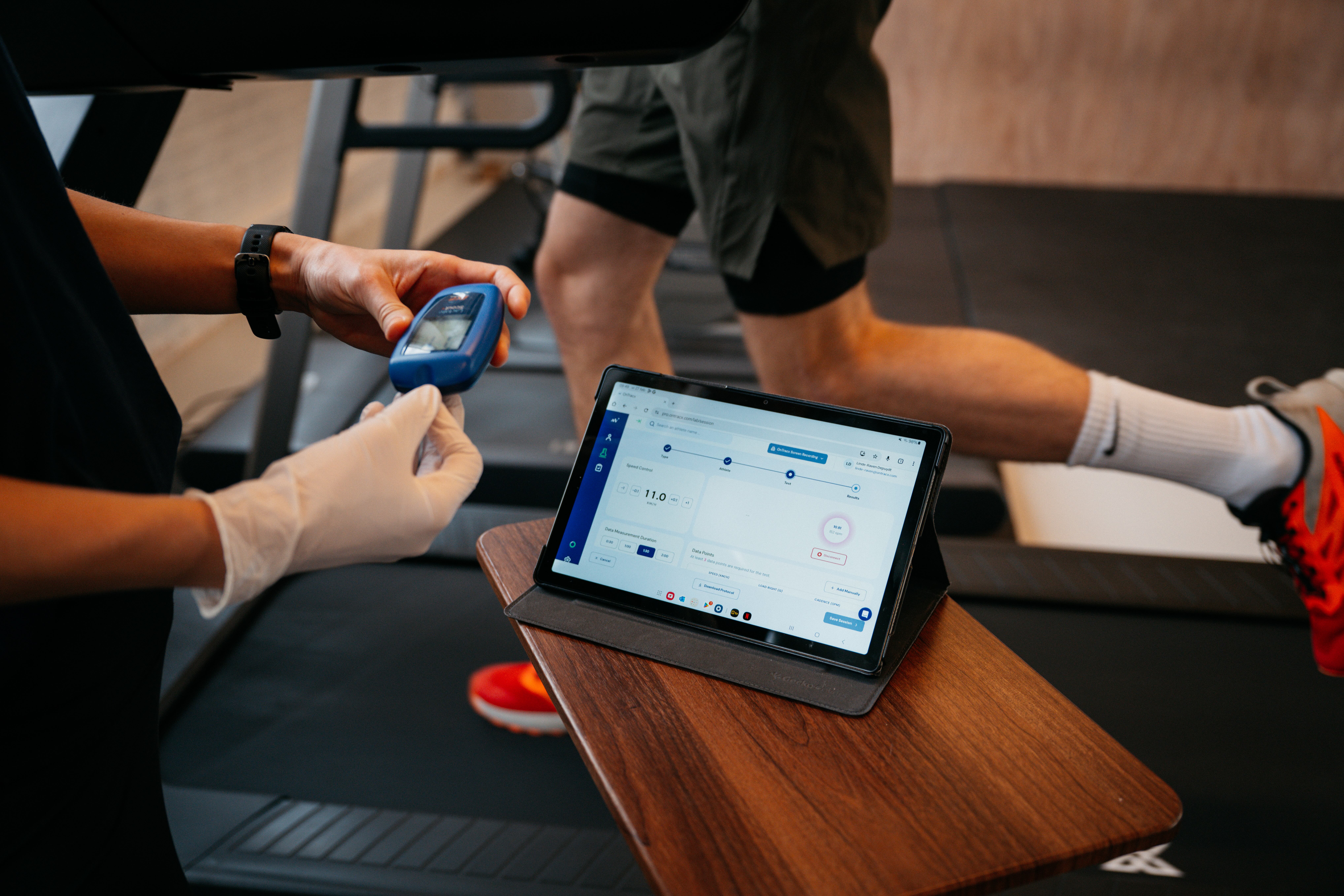
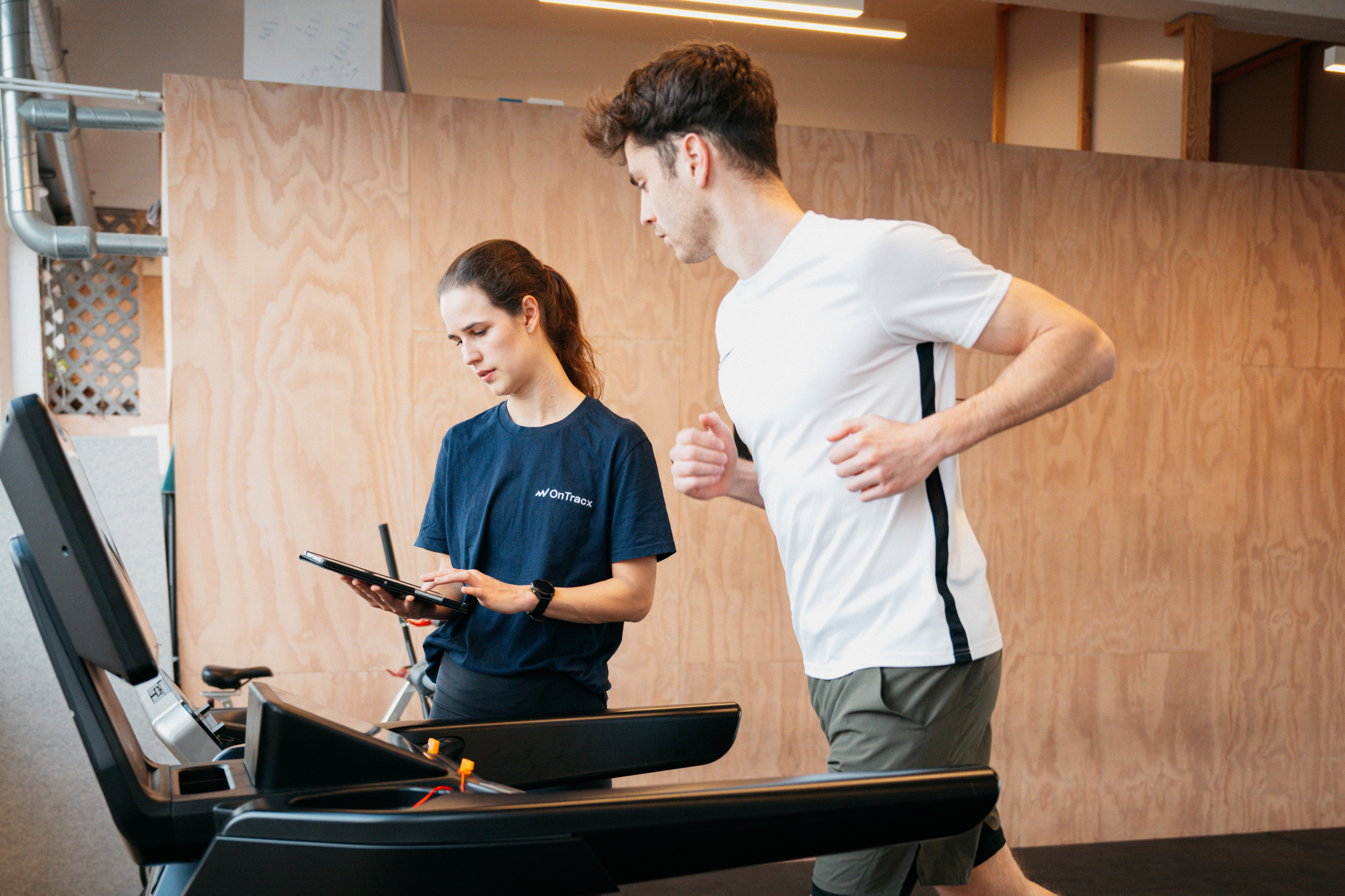
Today, OnTracx is integrated into our screening and return-to-run process at Rebuild Herent. For most screenings, we also build a personalized rehabilitation program based on the generated insights and recommendations.
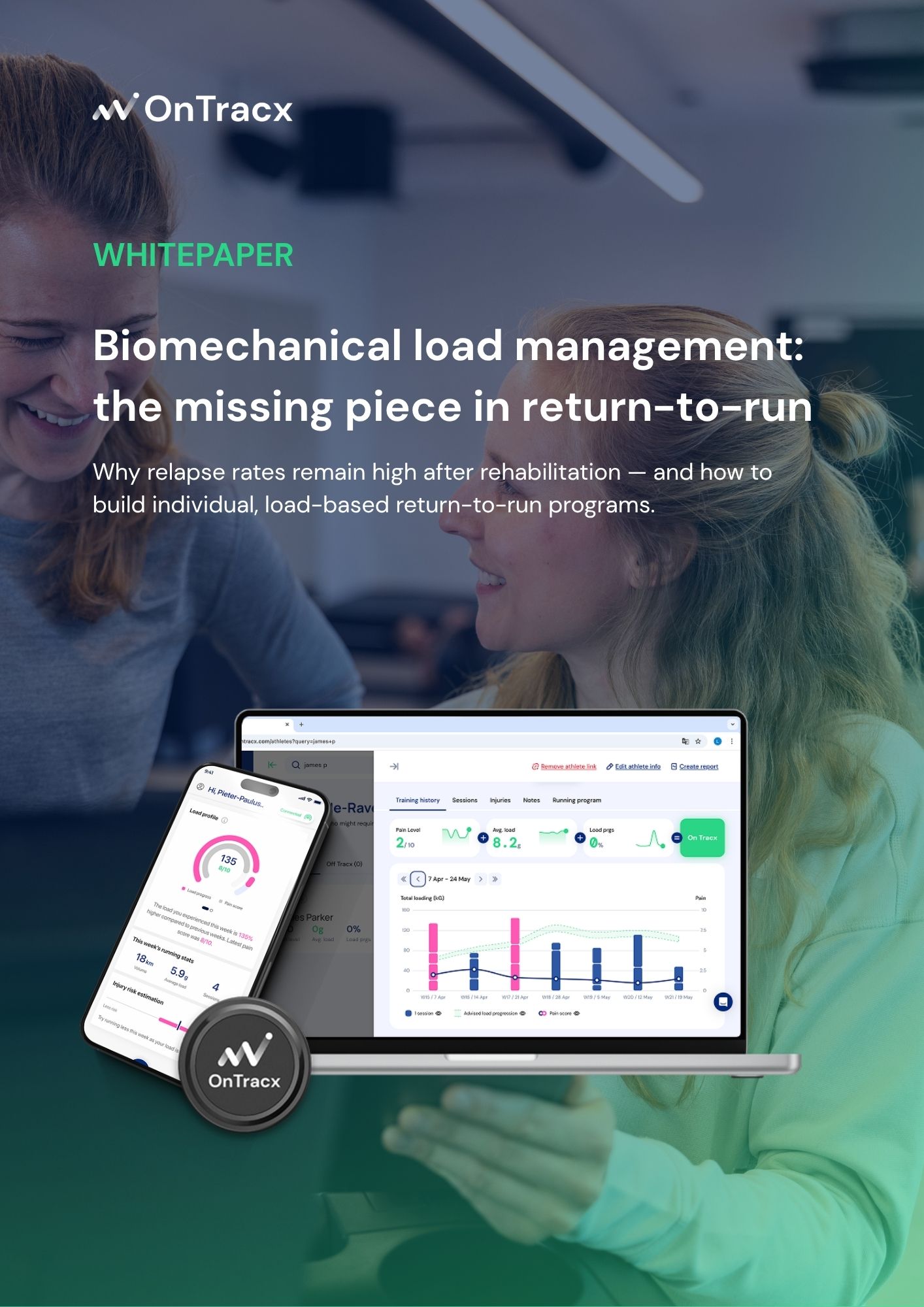
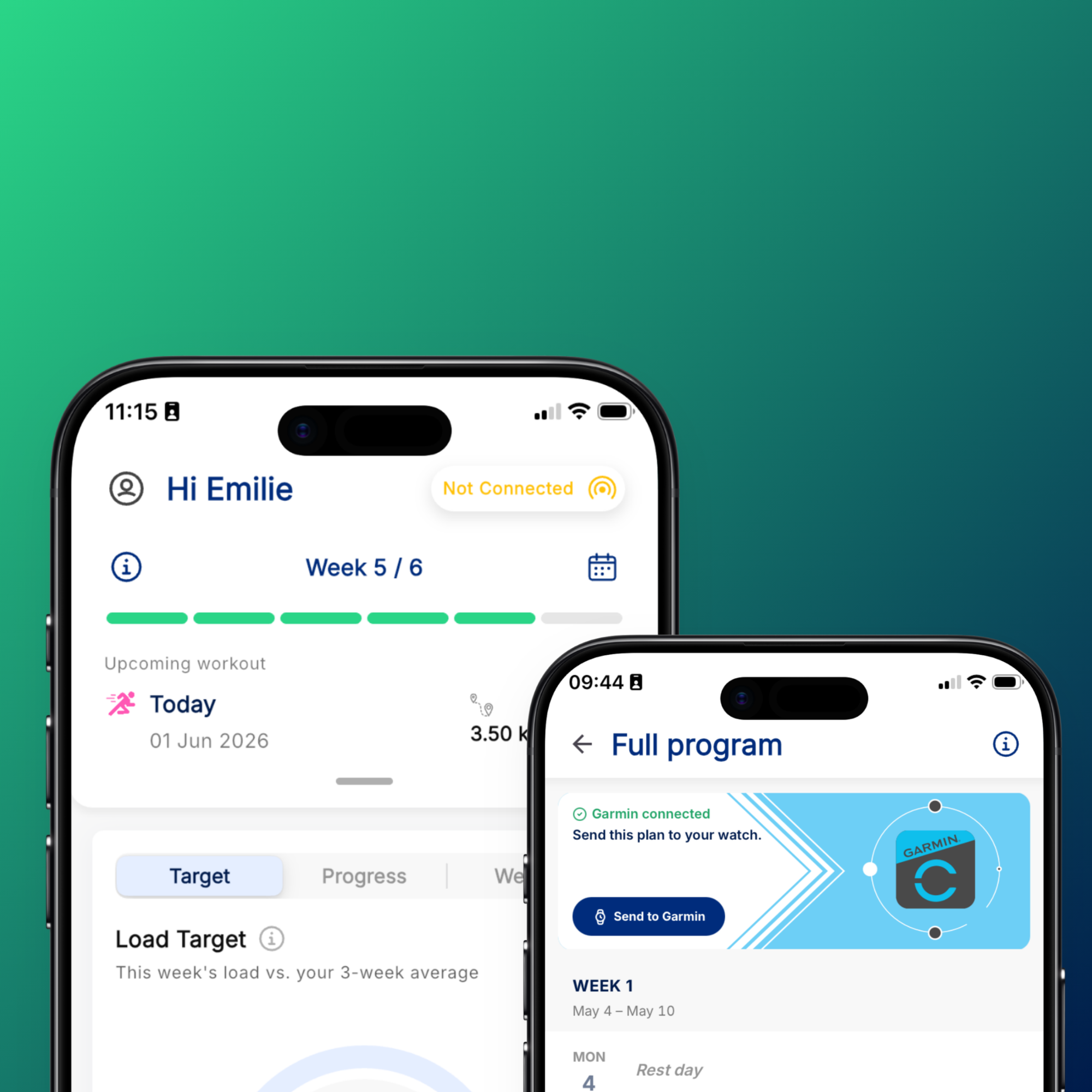
One of the biggest added values for our practice is the structured training schedule generator. Instead of spending large amounts of time manually building running plans, we can now rely on a more evidence-based and time-efficient system that supports clinical decision-making.
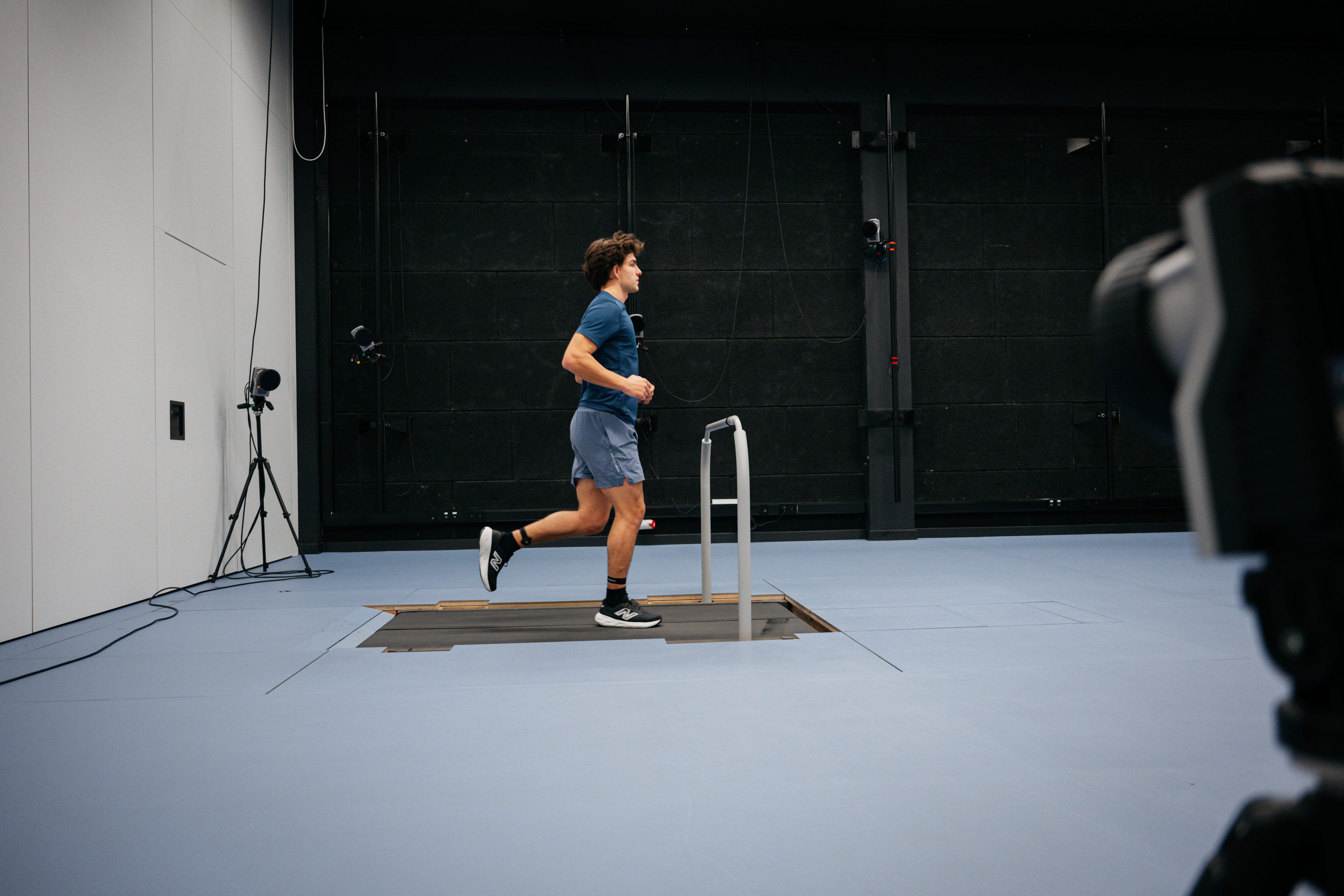
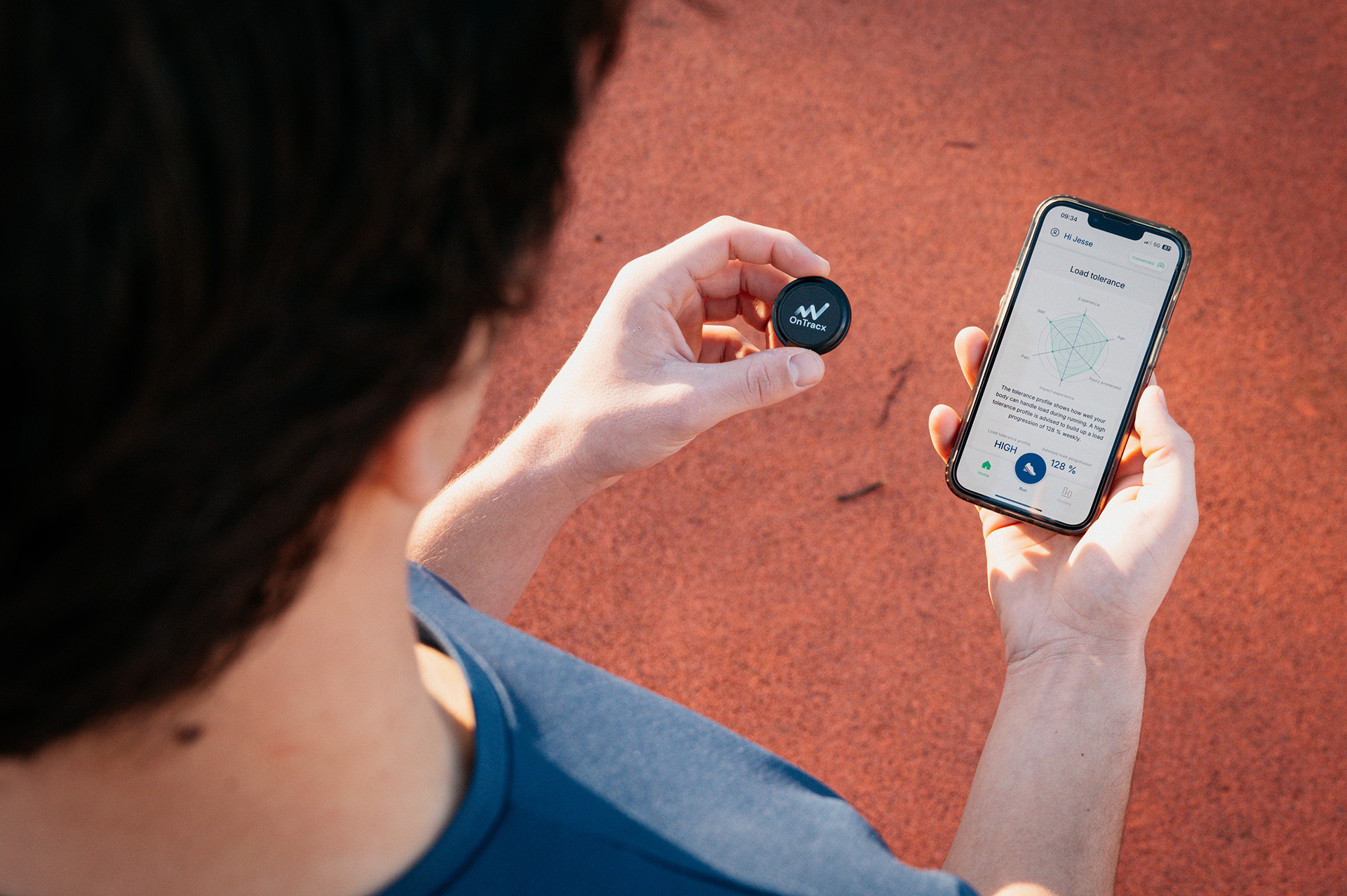
Our patients especially appreciate the clear visual feedback. Seeing when they are realistically ready to return to their previous running level makes the rehabilitation journey easier to understand and more motivating. The visualization of G-forces and running load also helps explain how demanding running truly is on the body.
While there were some technical challenges - mainly related to sensors and connectivity - we appreciated the responsiveness and professionalism of the customer support. Communicating these issues toward patients was sometimes challenging, but overall our experience with the platform remains very positive.

.jpg)
.jpg)

.png)



%20(5).png)

%20(3).avif)
%20(4).avif)


.jpg)