TABLE OF CONTENTS
Share
PATIENT PROFILE
Age/sex: 38-year-old male
Goal: Pain-free and comfortable running 3×/week, covering 5–10 km at approximately 5:00–5:30 min/km
Activity level: Recreational runner (2–3×/week)
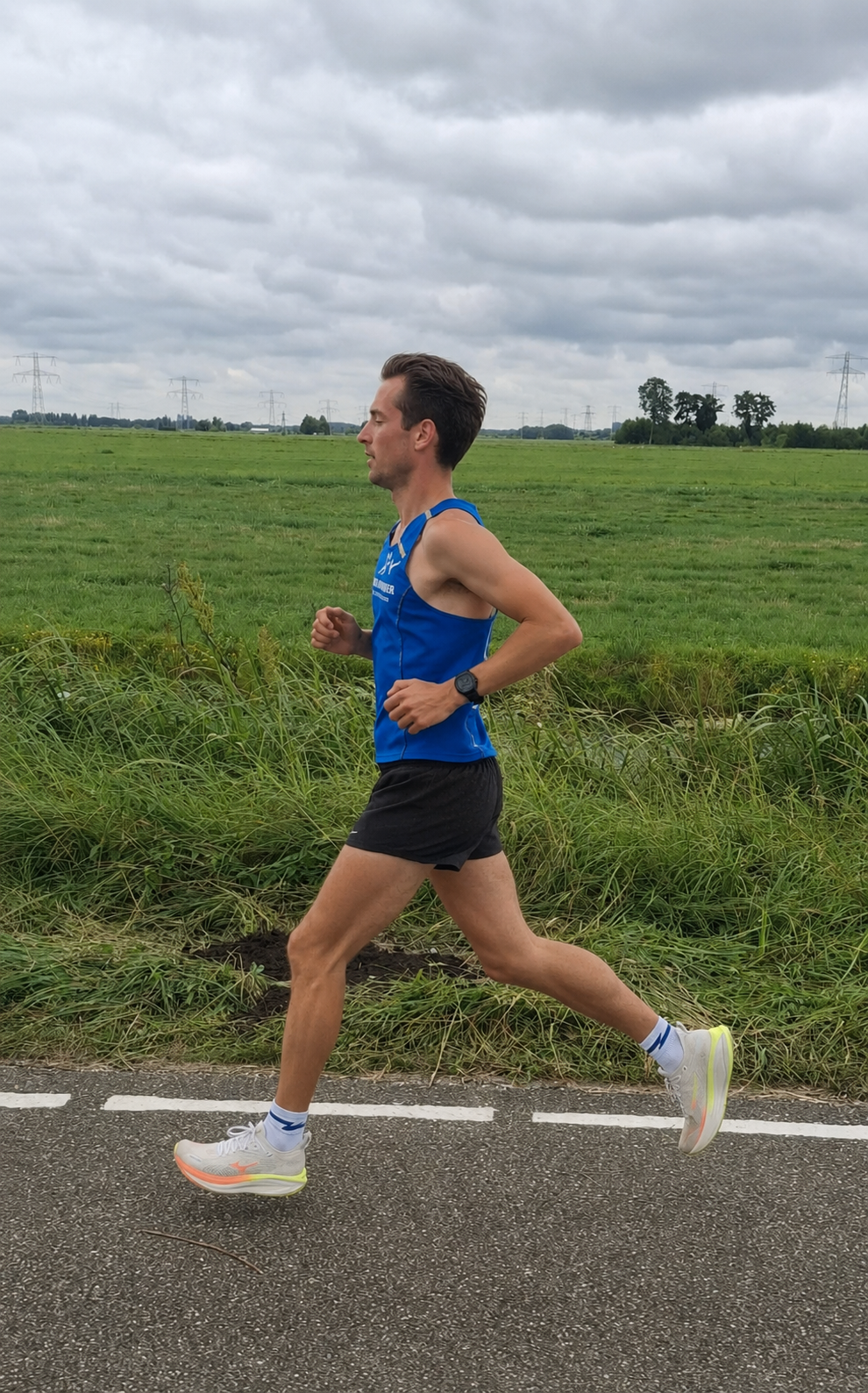
History: Former provincial-level soccer player with a 30-year football background. During the winter period, he independently increased both running volume and speed, after which lower leg pain progressively developed and repeatedly forced him to stop running.
CLINICAL PRESENTATION
Diagnosis and contributing factors
The patient presented with a medial tibial stress reaction following a period of self-directed increases in both running volume and intensity.
Symptoms developed gradually as training load increased throughout the winter months. In the weeks leading up to assessment, the patient frequently had to stop running because of lower leg pain. Symptoms were also present during walking.
The diagnosis was confirmed through a bone scan, which demonstrated a stress reaction of the medial tibia.
His sporting background includes 30 years of competitive soccer at provincial level. At presentation, he was running 2–3 times per week, occasionally incorporating interval sessions and frequently training at relatively high speeds.
Contextual load
The patient tended to increase both running distance and speed based on his own perception, without following a structured progression plan. This rapid increase in mechanical loading likely exceeded the tibia's capacity to adapt, contributing to the development of the stress reaction.
.jpg)
TREATMENT APPROACH
In-clinic interventions
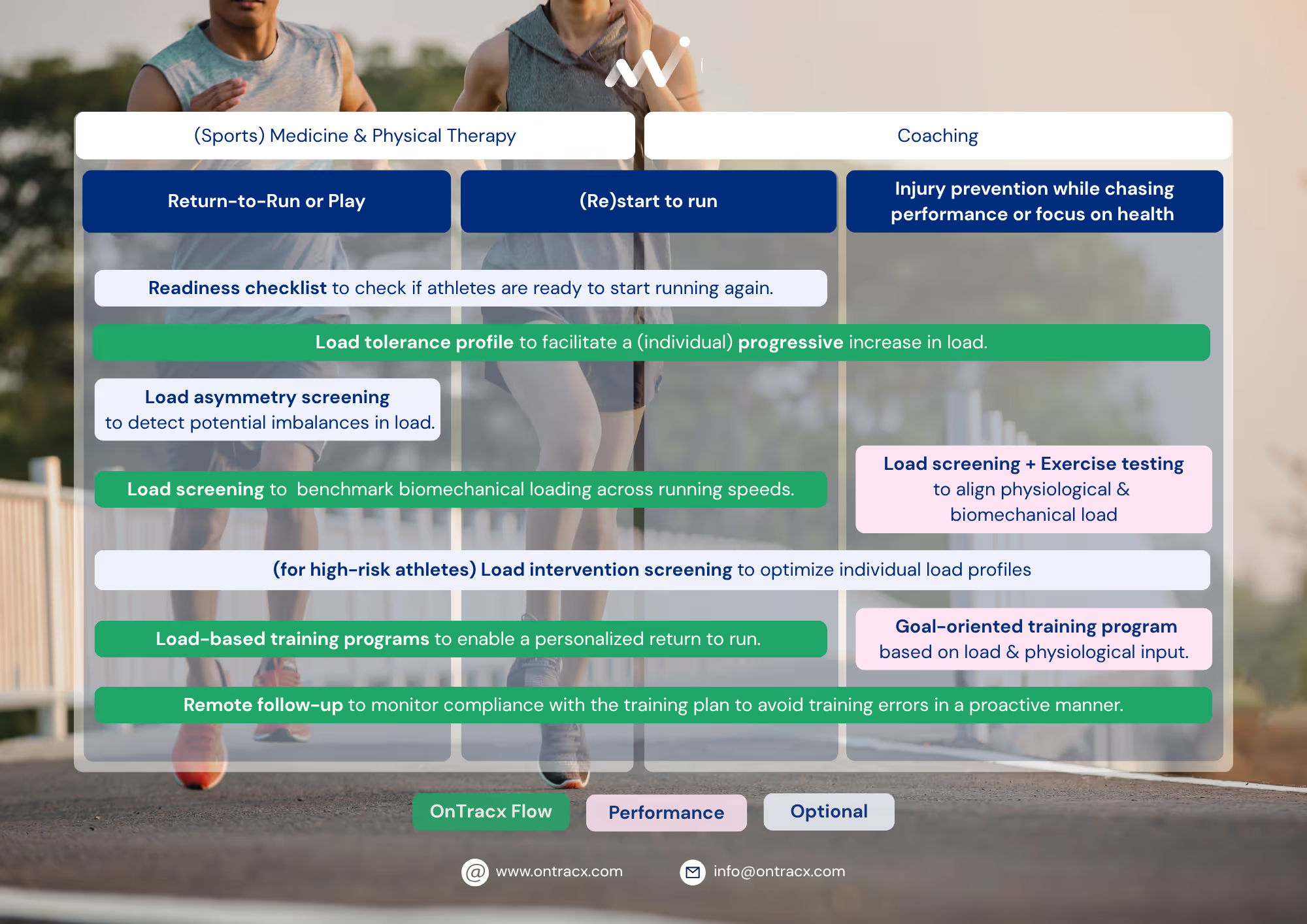
Management focused primarily on a structured Return-to-Run strategy aimed at progressively rebuilding tibial load tolerance while minimizing symptom provocation.
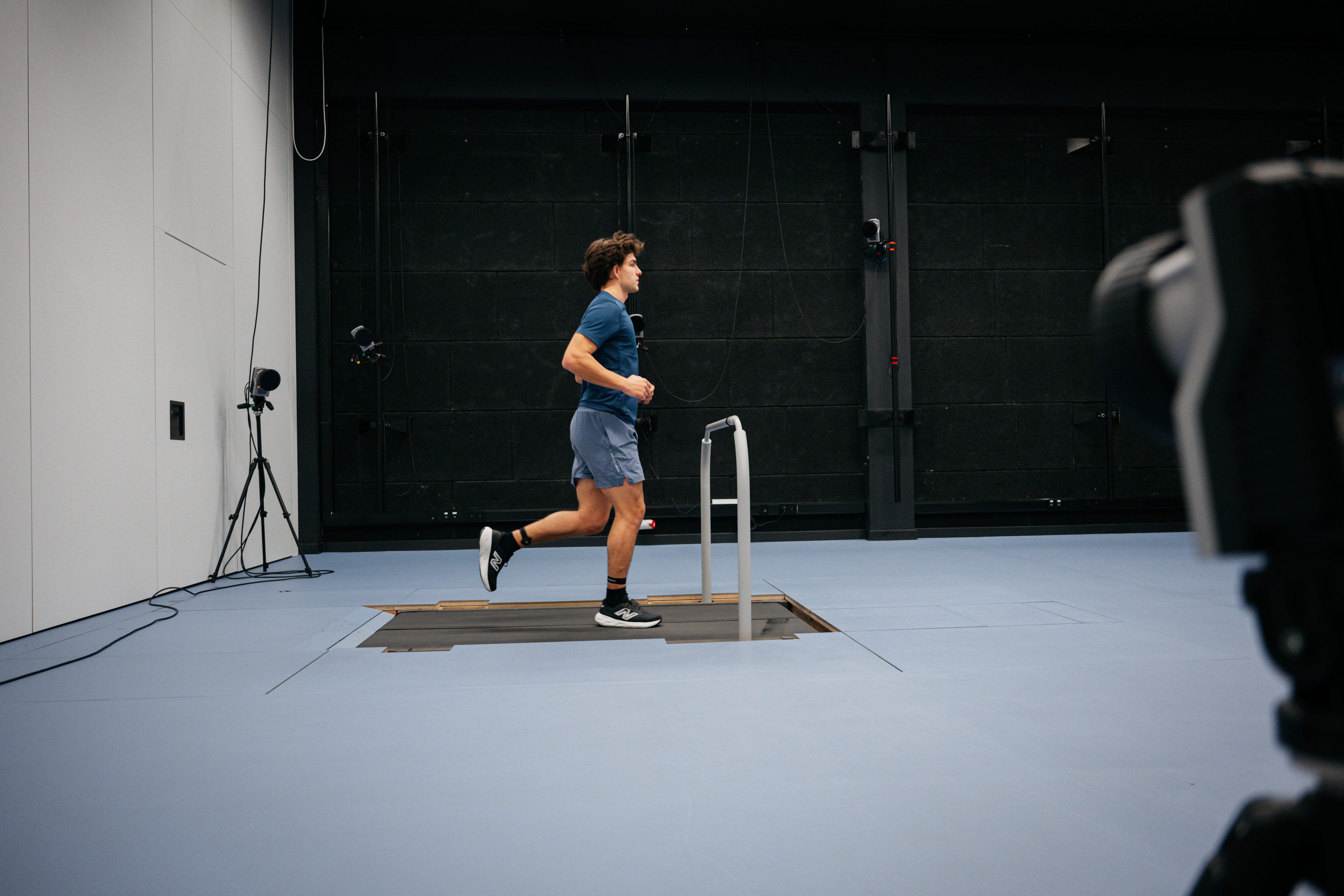
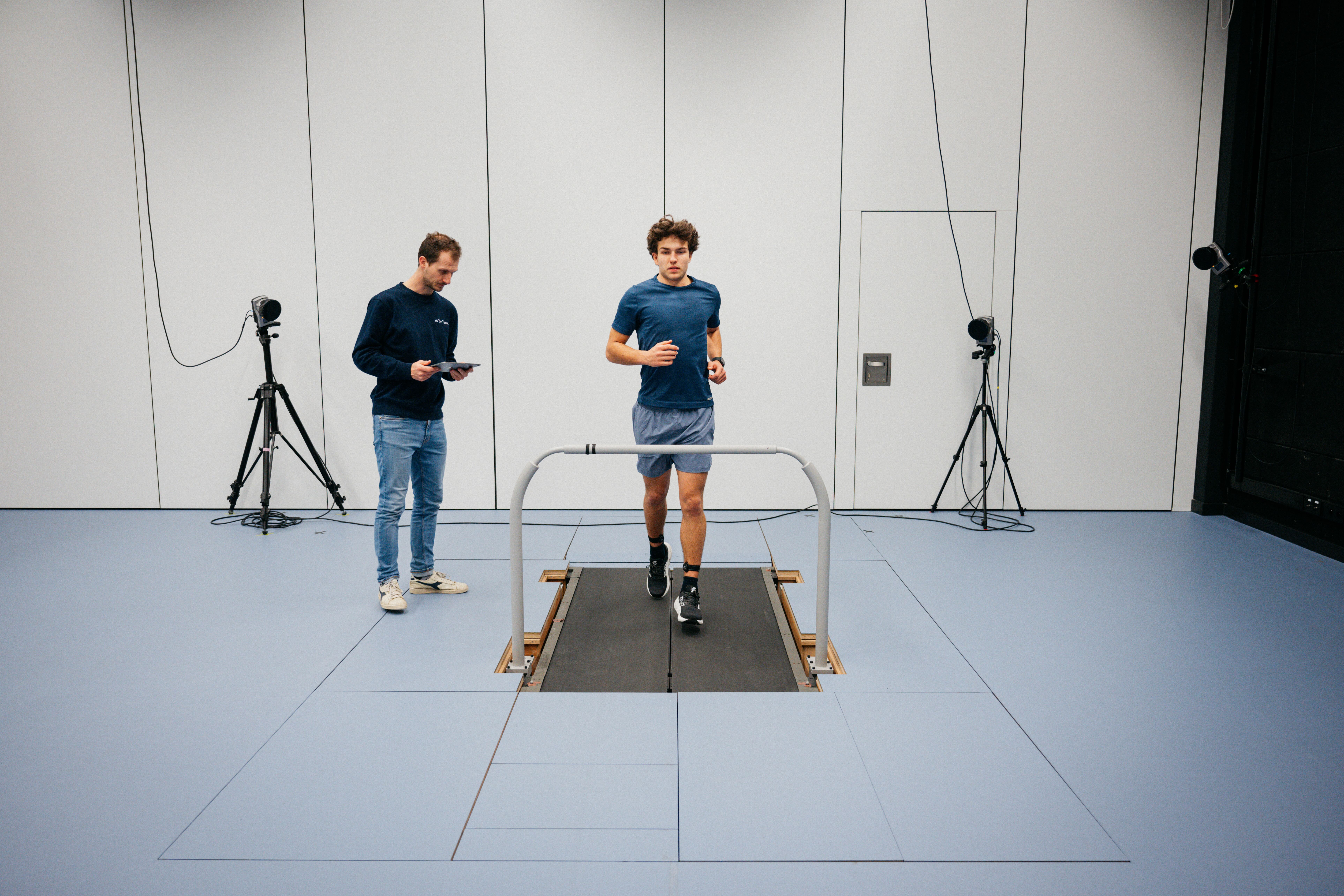
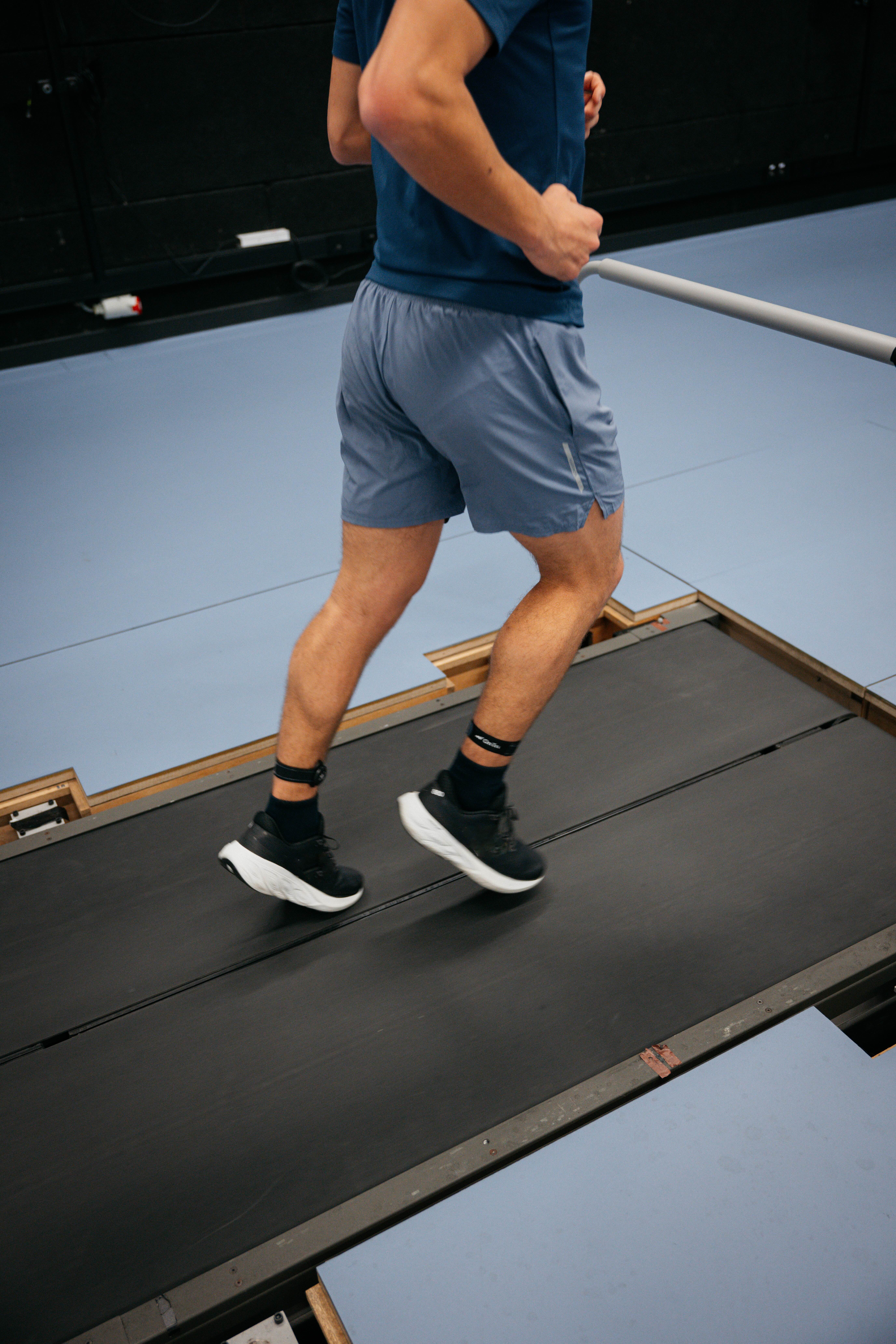
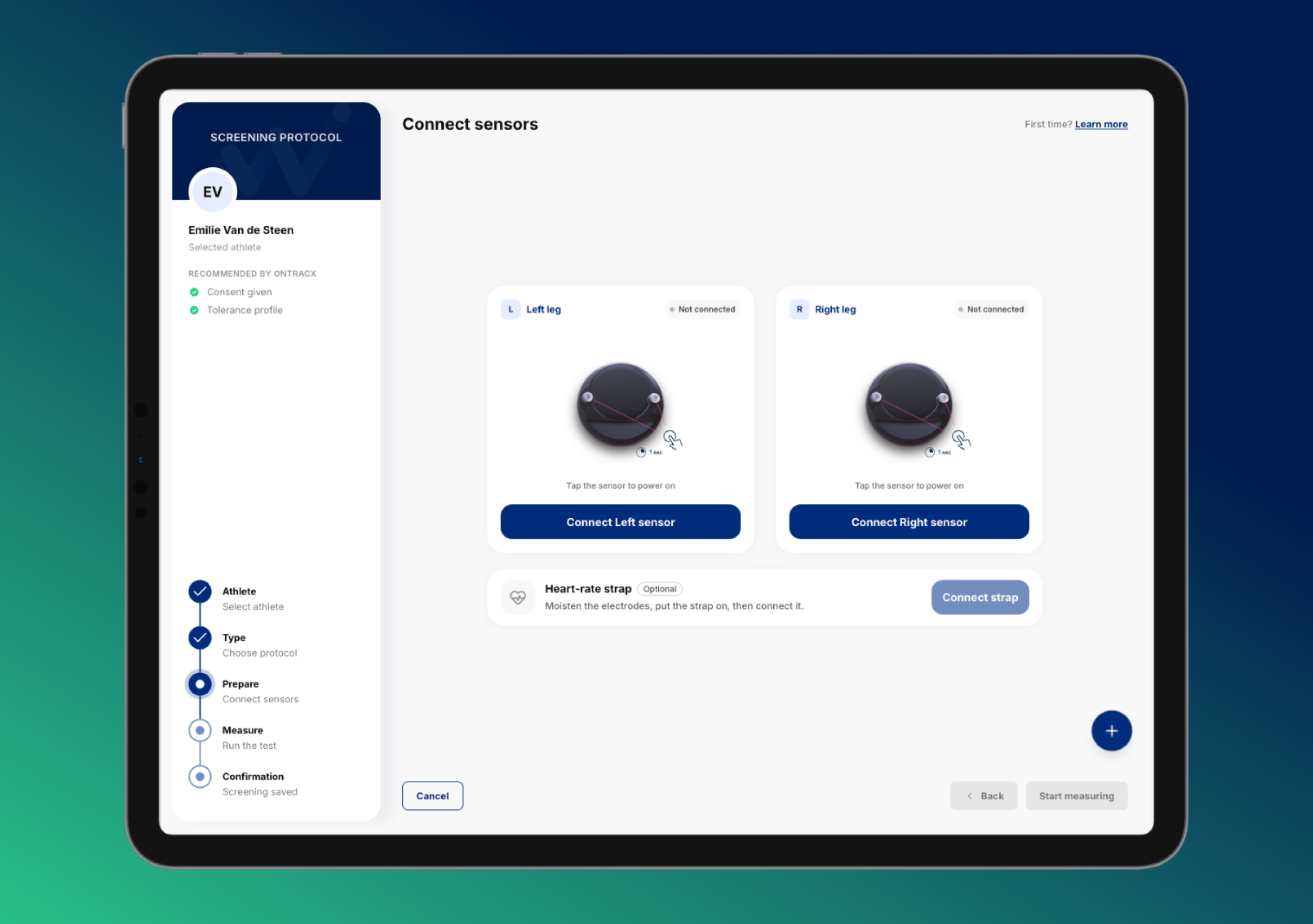
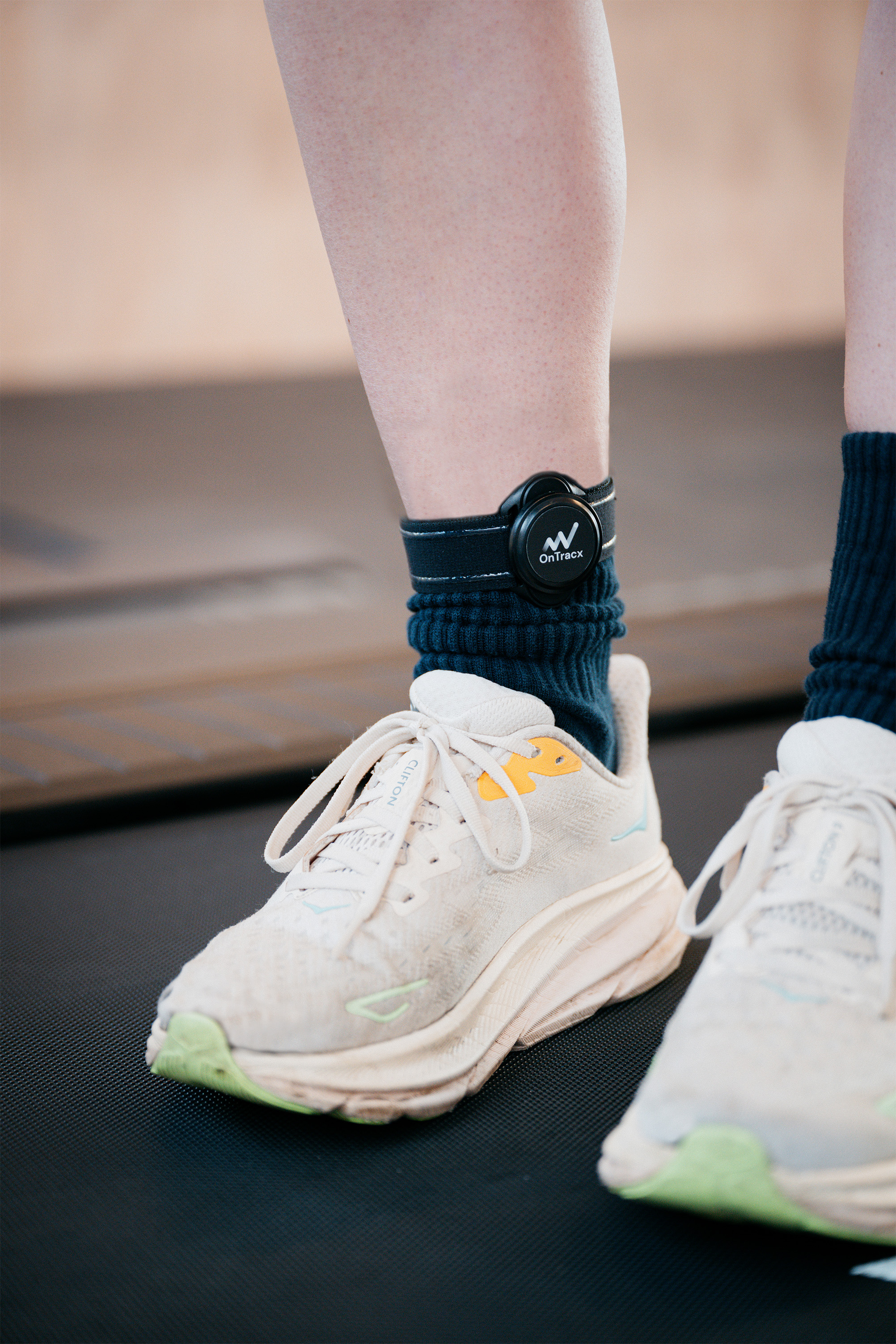
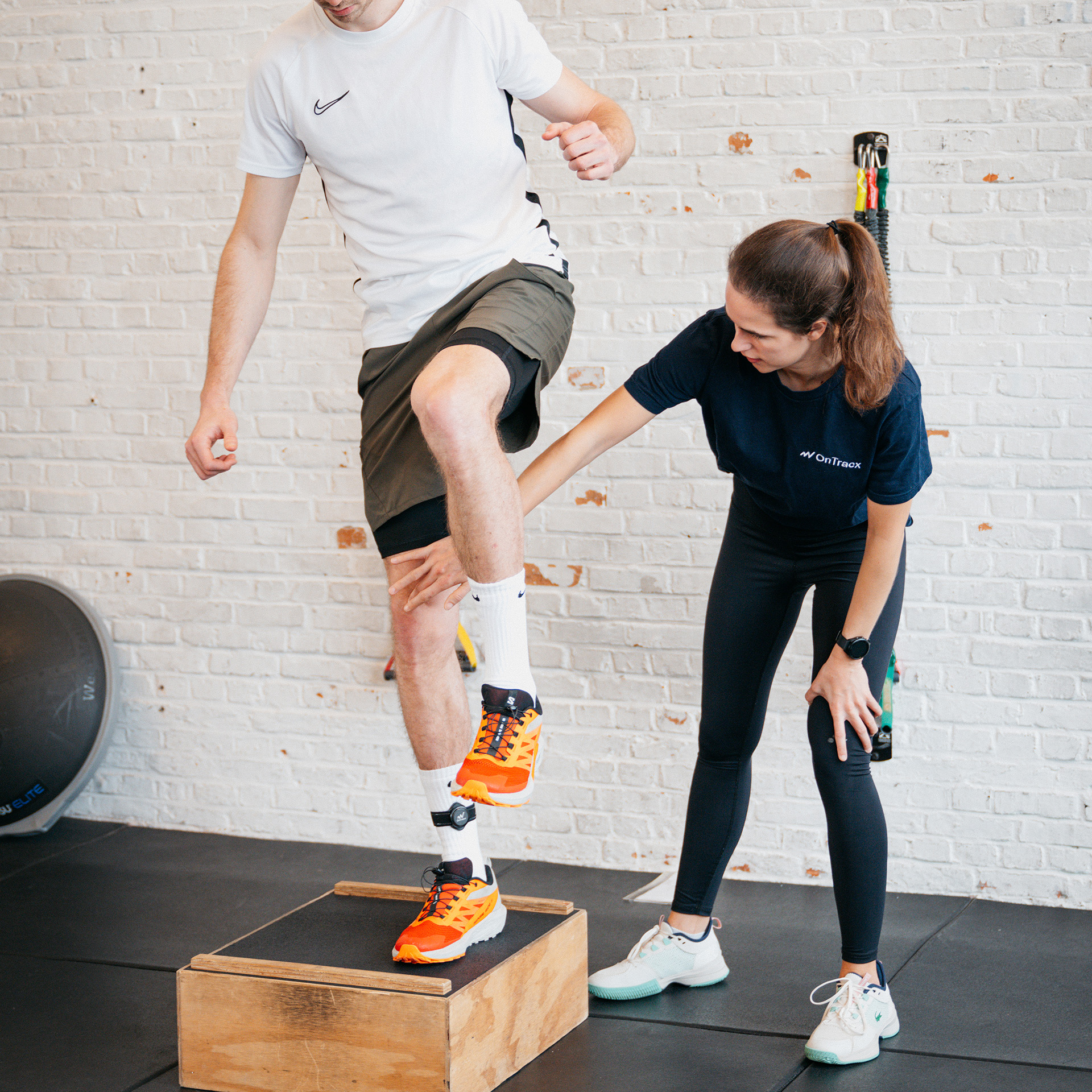
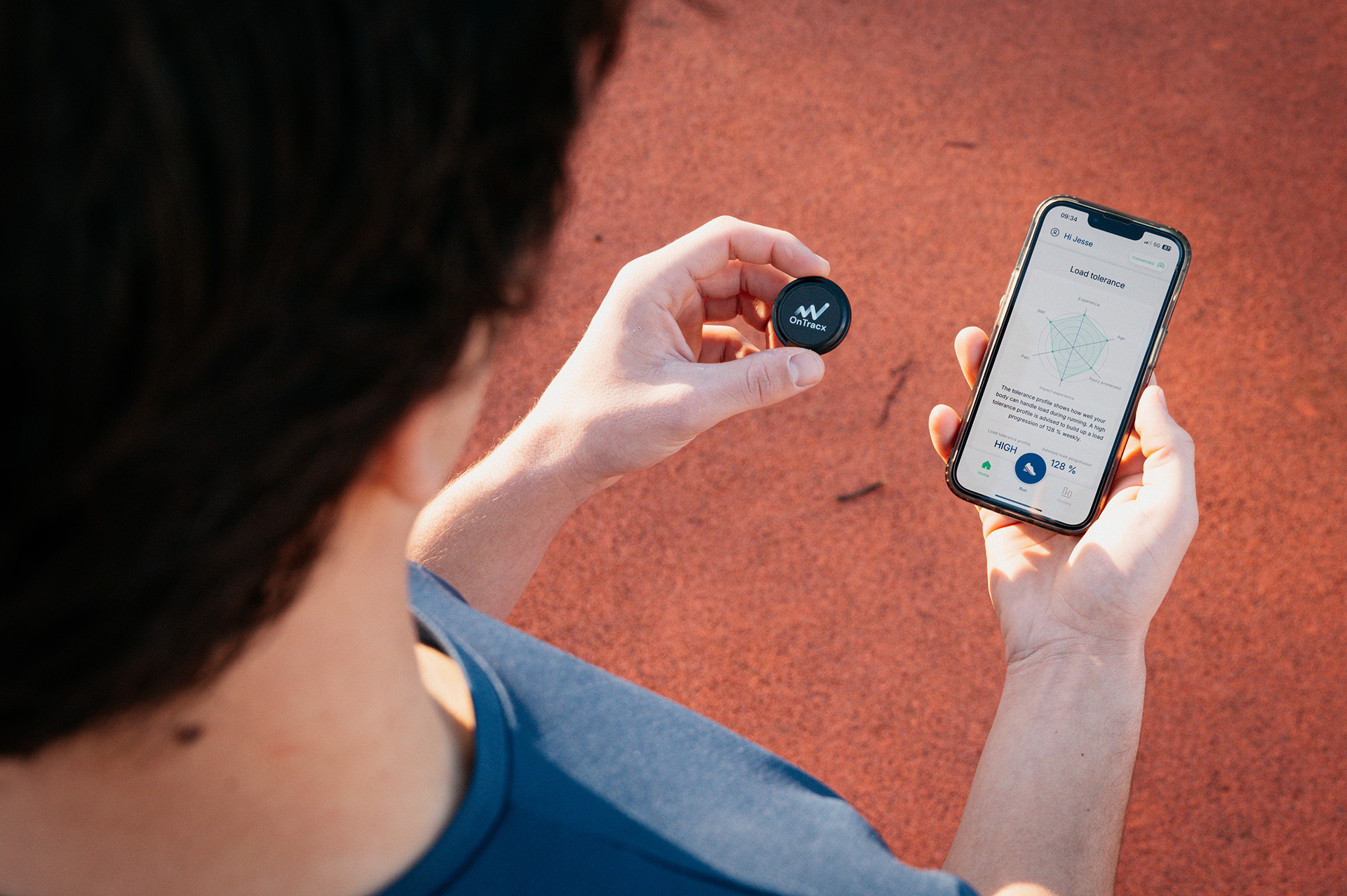
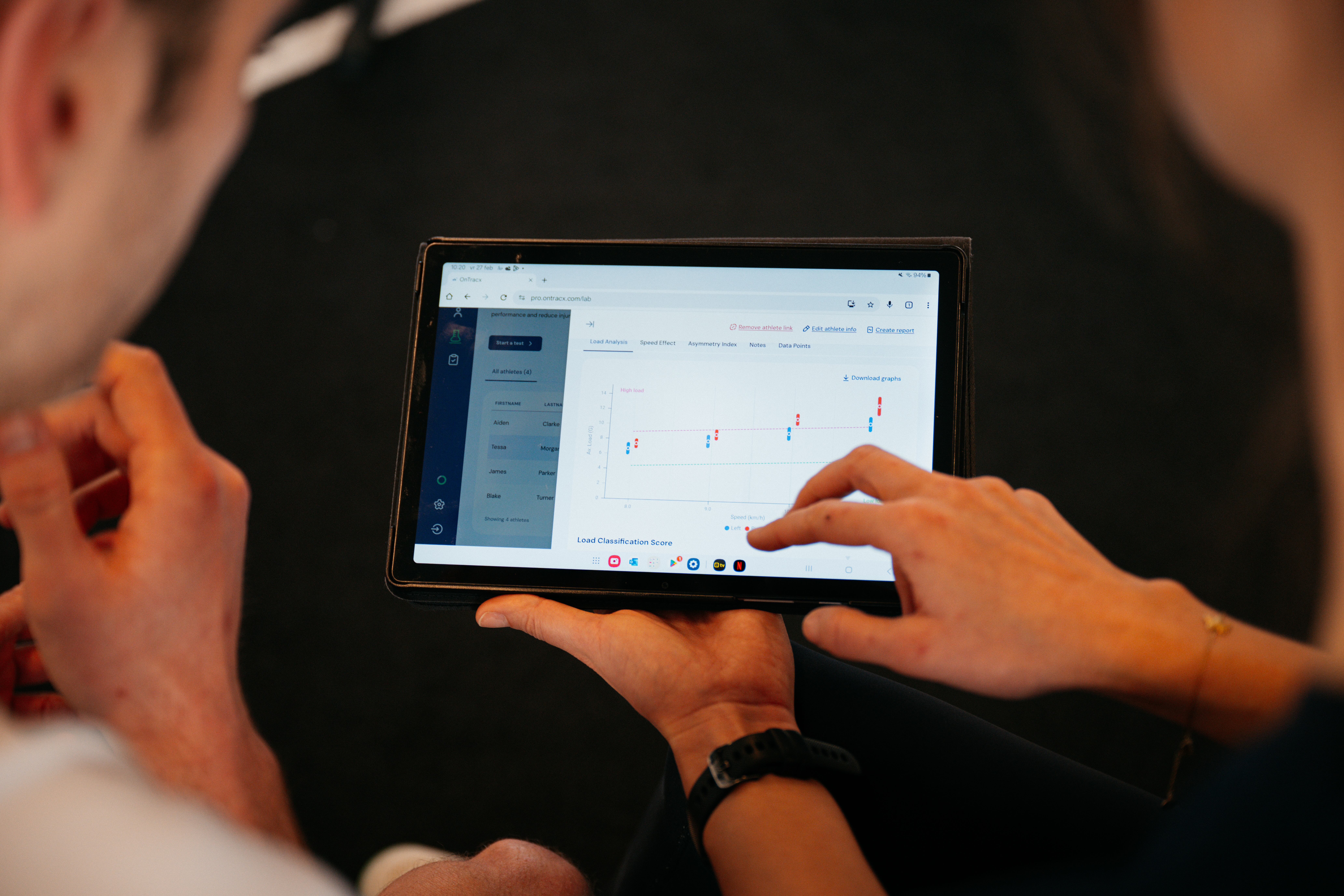
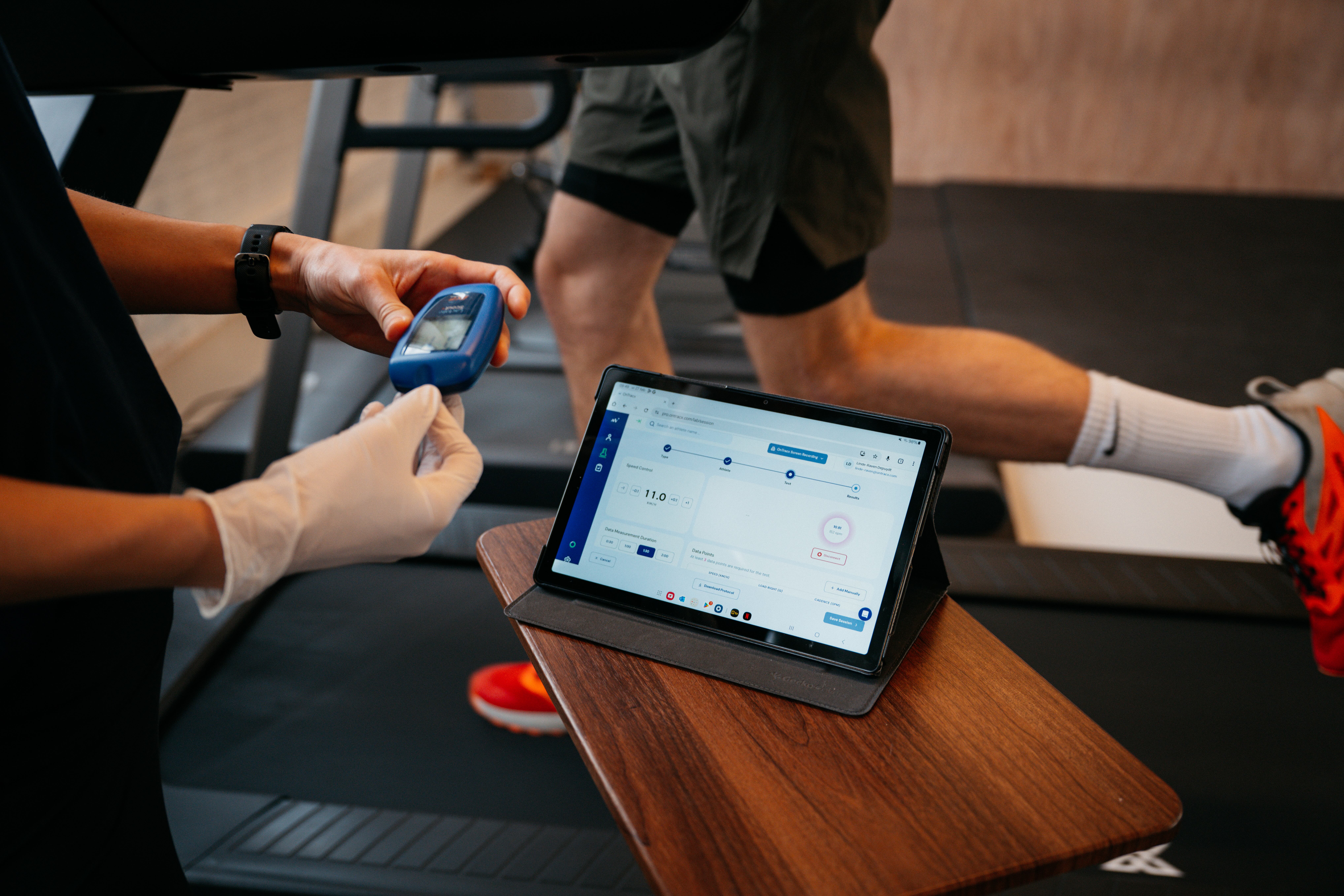
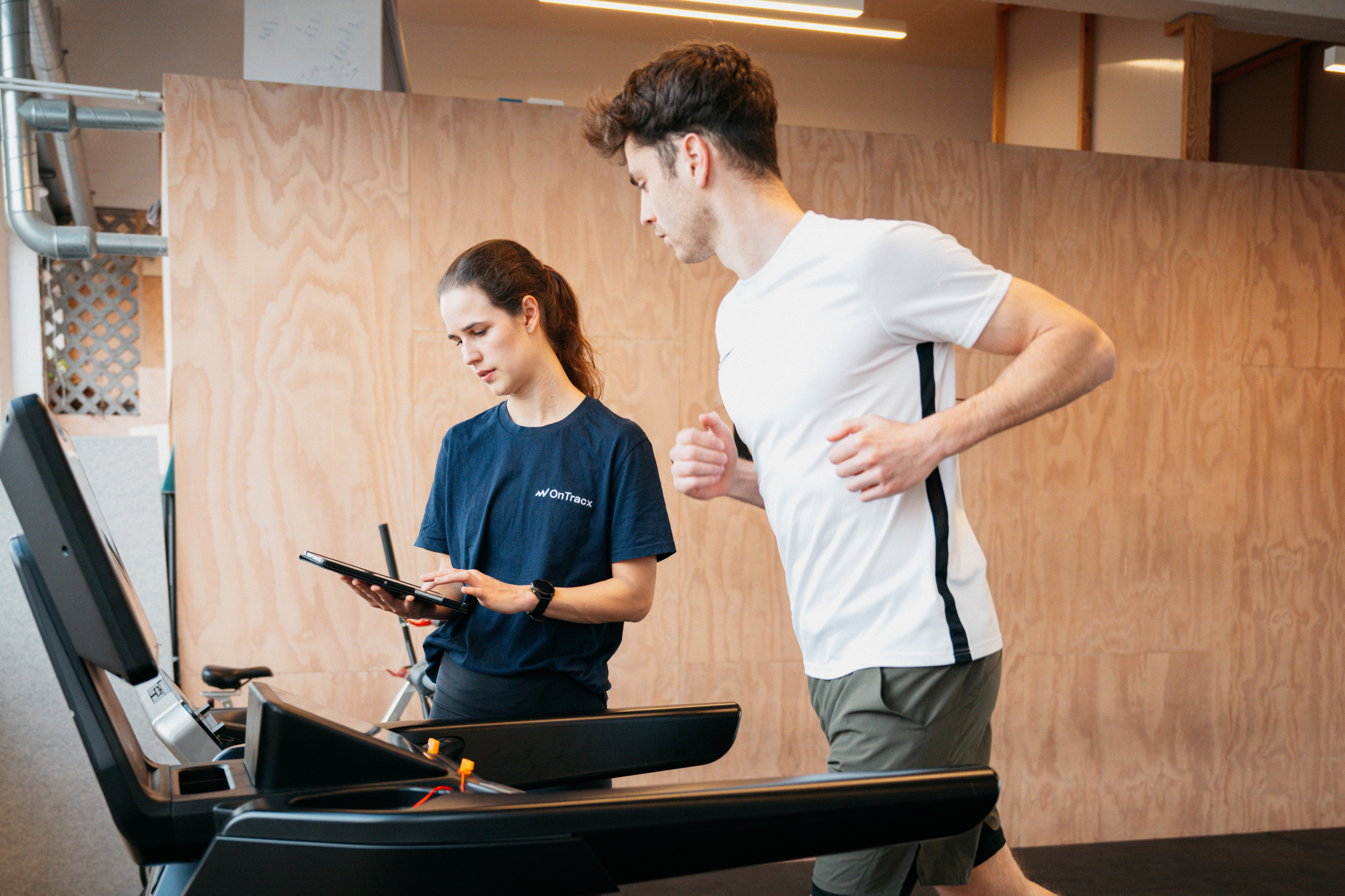
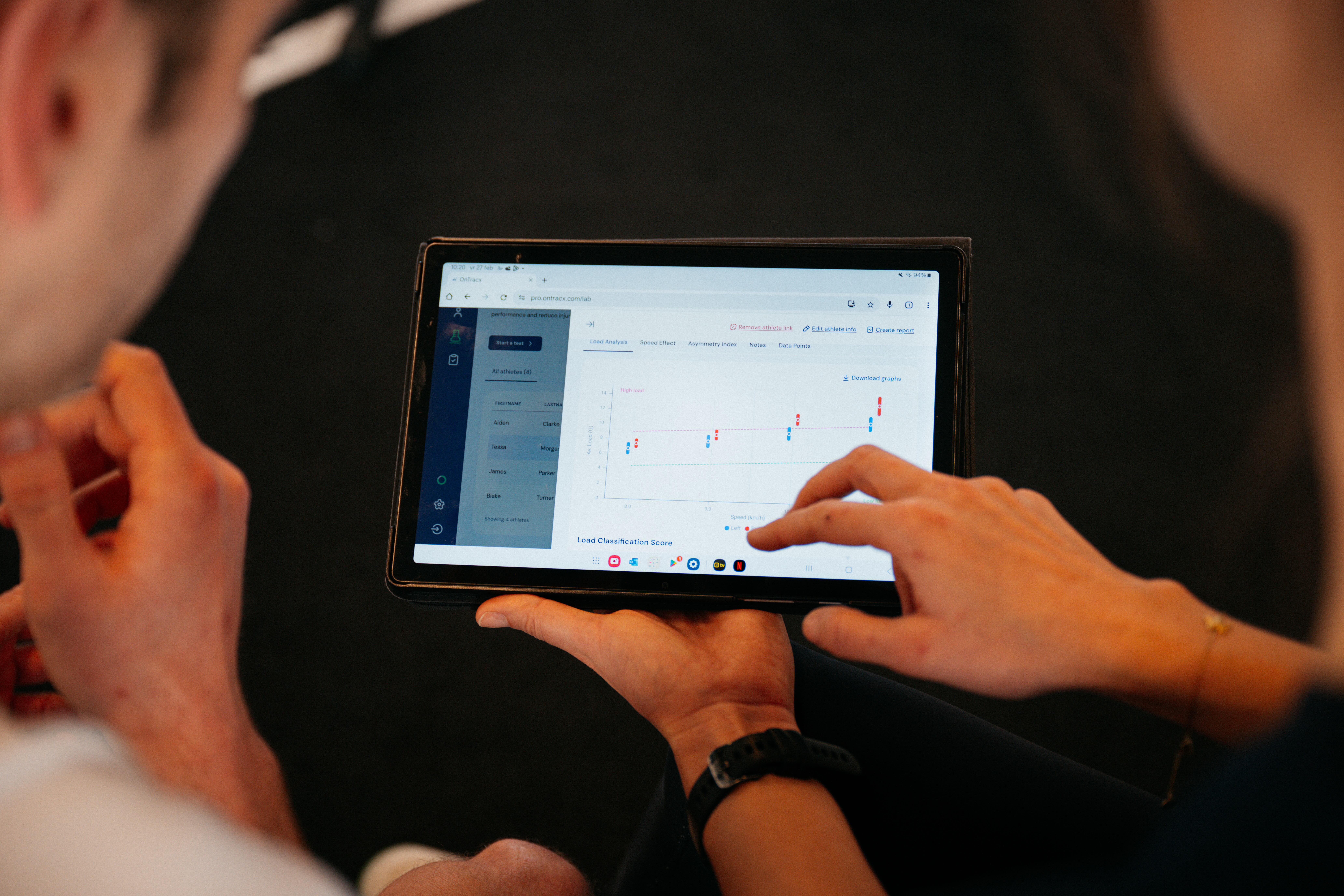
Rather than selecting the starting pace based solely on experience or generic rehabilitation guidelines, the therapist used OnTracx to objectively determine how different running speeds affected impact loading for this specific patient. Several speeds around the patient's self-reported easy pace were tested, allowing the therapist to identify the speed that generated the lowest impact loading. This speed became the starting point of the Return-to-Run program.
Future rehabilitation phases will include a structured strength training program and optimization of running mechanics to further improve long-term running capacity.
RETURN-TO-RUN PROGRAM
Progression (start date: April 9, 2026)
Phase 1 — reduced-impact continuous running, 2–3×/week
Running was maintained without walk-run intervals. The patient initially tolerated approximately 2 km of continuous running. Training frequency remained at 2–3 sessions per week while the prescribed running speed was selected to minimize impact loading and allow gradual tissue adaptation.
Phase 2 — progressive load build-up
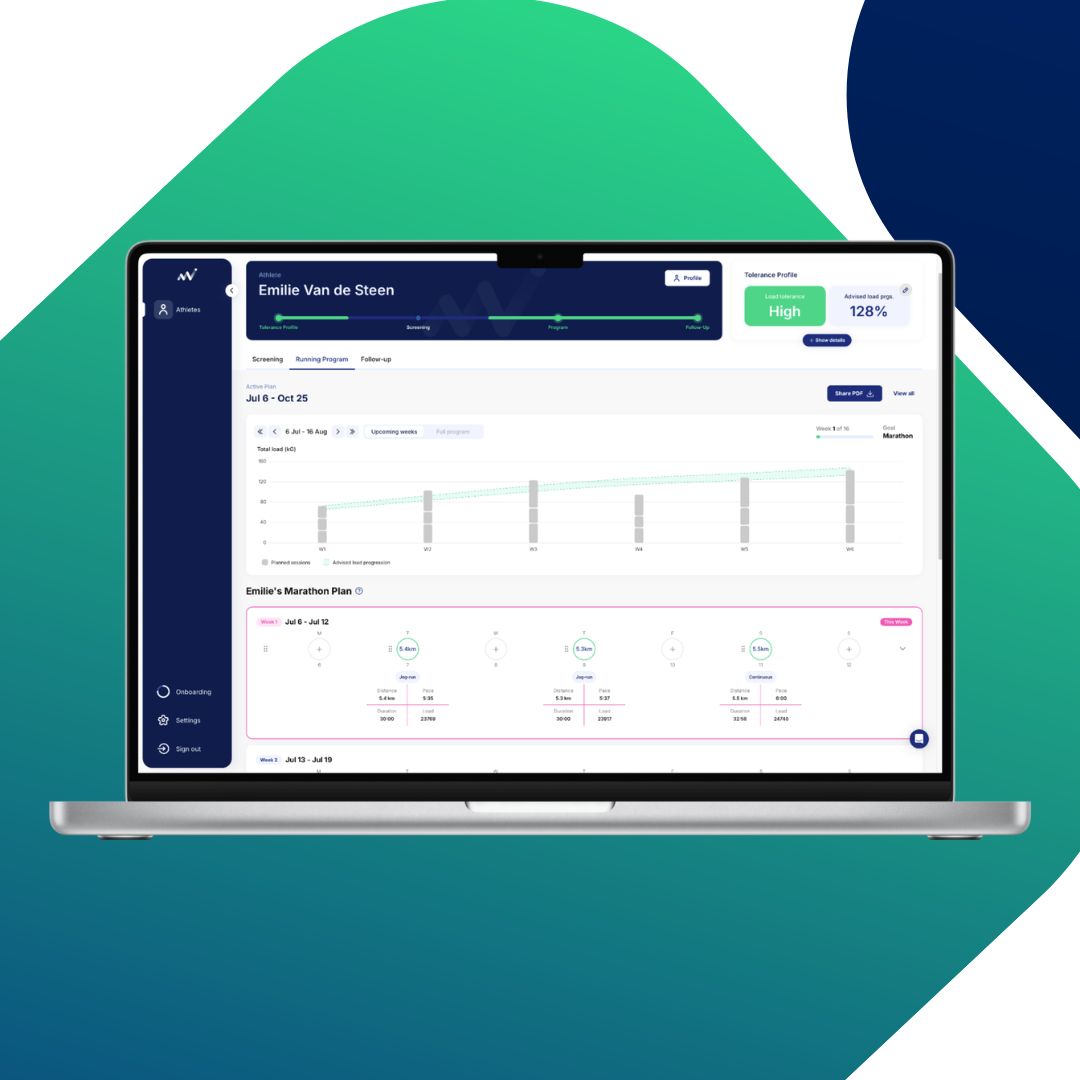
Progression was based primarily on mechanical load rather than distance alone. Instead of following a traditional schedule that gradually increases kilometres and pace, the rehabilitation plan was adjusted according to the impact loading measured with OnTracx.
To maintain cardiovascular fitness while limiting tibial loading, higher-intensity conditioning was performed through cycling rather than running.
Current status
Approximately three months after diagnosis and two months into the OnTracx Return-to-Run program, the patient is tolerating 2–2.5 km at approximately 4:45 min/km. Running load continues to progress steadily without significant setbacks.
Target — consistent pain-free running
Progression toward comfortable, pain-free running three times per week over distances of 5–10 km at a sustainable pace of approximately 5:00–5:30 min/km.
ONTRACX FINDINGS
Value of field monitoring
OnTracx enabled the therapist to objectively evaluate how different running speeds influenced impact loading for this individual patient.
Multiple speeds around the patient's usual easy pace were analysed, based on the patient's own training experience. The analysis demonstrated that one specific speed produced the lowest impact loading, providing an objective and individualized starting point for the Return-to-Run program.
Instead of progressing rehabilitation solely by increasing distance and speed, the therapist could build the program around the patient's mechanical loading response. Weekly progression was therefore guided by load tolerance rather than kilometres alone, creating a more individualized rehabilitation strategy.
The objective data also proved to be a valuable educational tool. The patient was surprised by the substantial differences in impact between relatively small changes in running speed. Seeing these differences quantified helped explain why a slower progression was necessary and increased adherence to the rehabilitation plan.
CLINICAL REASONING
Why this approach worked
The main challenge in this case was not only rebuilding running capacity, but ensuring that progression occurred at a rate the tibia could tolerate.
For the therapist, the greatest value of OnTracx was during the early phase of rehabilitation. The objective measurements provided the information needed to design an individualized Return-to-Run program based on the patient's mechanical loading profile, rather than relying solely on clinical judgement or standardized progression schedules.
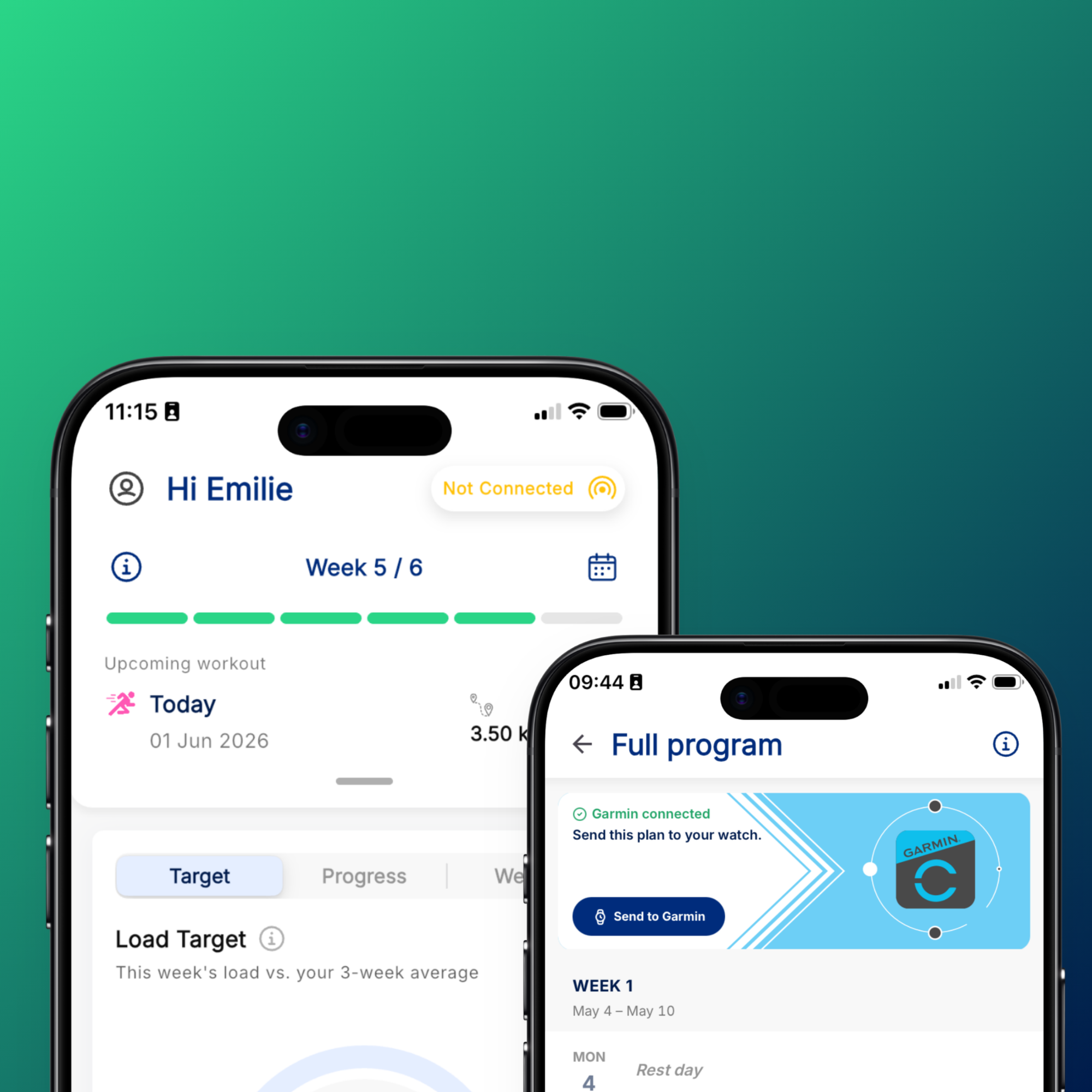
Throughout the rehabilitation process, OnTracx provided both the therapist and the patient with a clear framework for progression. Follow-up through Strava, combined with the initial objective measurements, helped keep the patient from progressing too quickly or skipping rehabilitation stages. Because the recommendations were supported by scientifically validated data, the patient reported greater confidence in the rehabilitation strategy.
The educational value was equally important. Initially, the patient underestimated how strongly running speed influenced impact loading. Seeing the objective numbers—and having the relationship between impact and tissue loading clearly explained—made him much more willing to follow the prescribed running speeds and gradual progression. The data transformed the rehabilitation plan from a set of arbitrary restrictions into a strategy supported by measurable evidence.
Key clinical takeaway 💡
This case demonstrates how objective impact measurements can personalize Return-to-Run rehabilitation. By identifying a low-impact starting speed and guiding progression based on mechanical load rather than distance alone, OnTracx supported safer decision-making, improved patient understanding, and increased adherence to the rehabilitation plan.

.jpg)
.jpg)

.png)








%20(5).png)


%20(3).avif)
%20(4).avif)


.jpg)