Go back to all insights

Faster pace, harder lesson: Joost's path to smarter training
“OnTracx flagged straight away that the load was too high. I just hadn’t paid close enough attention. But it works.”
12
/
08
/
2026
3
min read

TABLE OF CONTENTS
Share
When a volume-based plan missed the point
Joost runs with a training app that builds his schedules around general training principles. Four weeks ago, it handed him a VO2 max session, with one clear instruction: go all out.
So he did. It paid off, his fitness turned out to be better than expected. But that improvement fed straight back into his plan: the app pulled his pace thresholds down, meaning he now had to run faster to hit the same training zones.
“Critical speed jumped from 5:26 to 4:50 per kilometer, just like that. Great for my fitness, but that’s also when the load got heavier.”
Overnight, the pace Joost needed to hit his critical speed threshold sped up by well over half a minute per kilometer. His fitness had improved, but his tendons and joints hadn’t had time to catch up to that same jump.
Joost trained his next session at that new, higher pace. The day after, he was dealing with an Achilles tendon injury.
What the volume-based advice didn’t see
An increase in speed or volume means something different for a runner’s fitness than it does for the load on that same runner’s tendons and joints. General training principles assume an average response, but that response looks different for everyone.
“OnTracx flagged straight away that the load was too high. I just hadn’t paid close enough attention.”
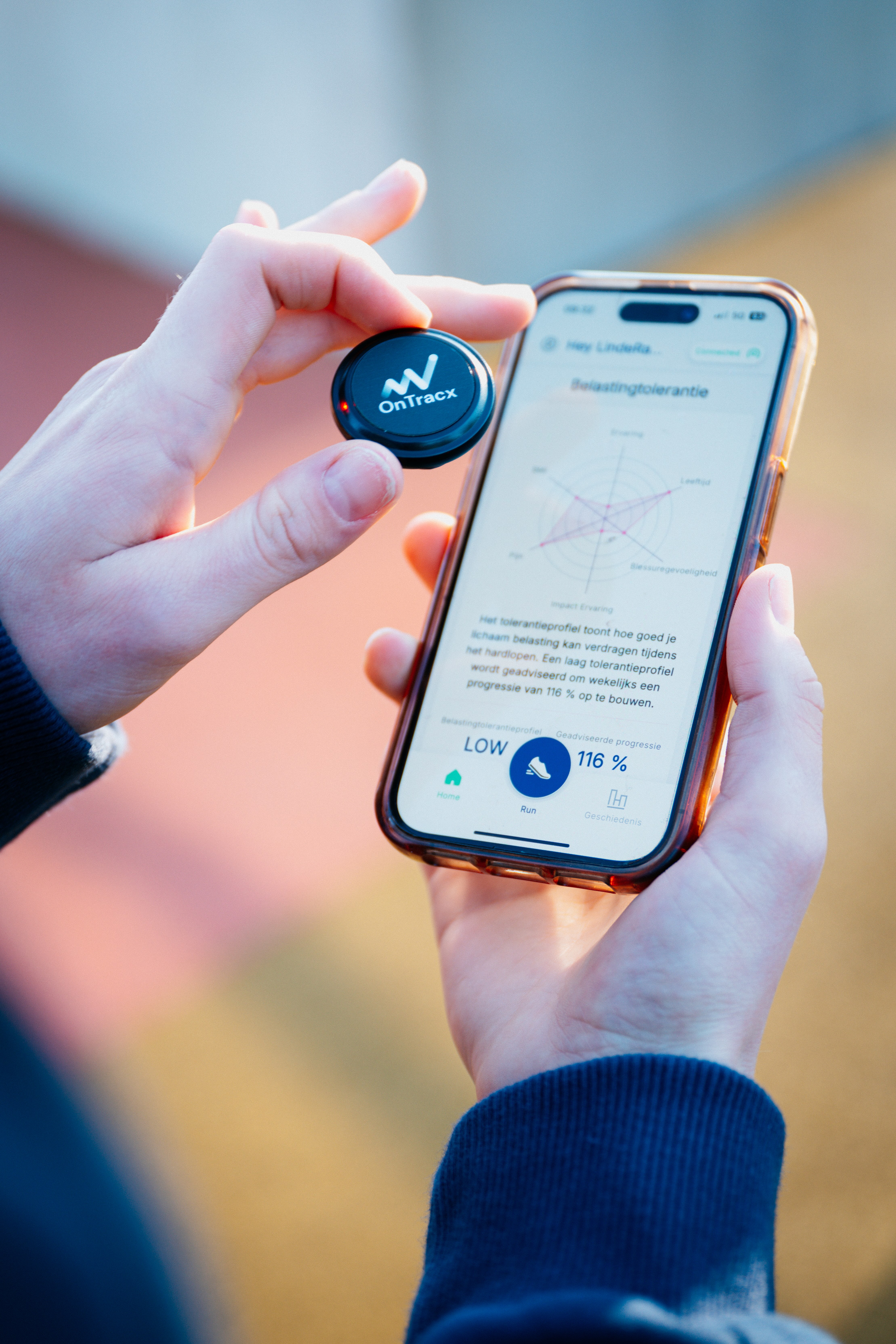
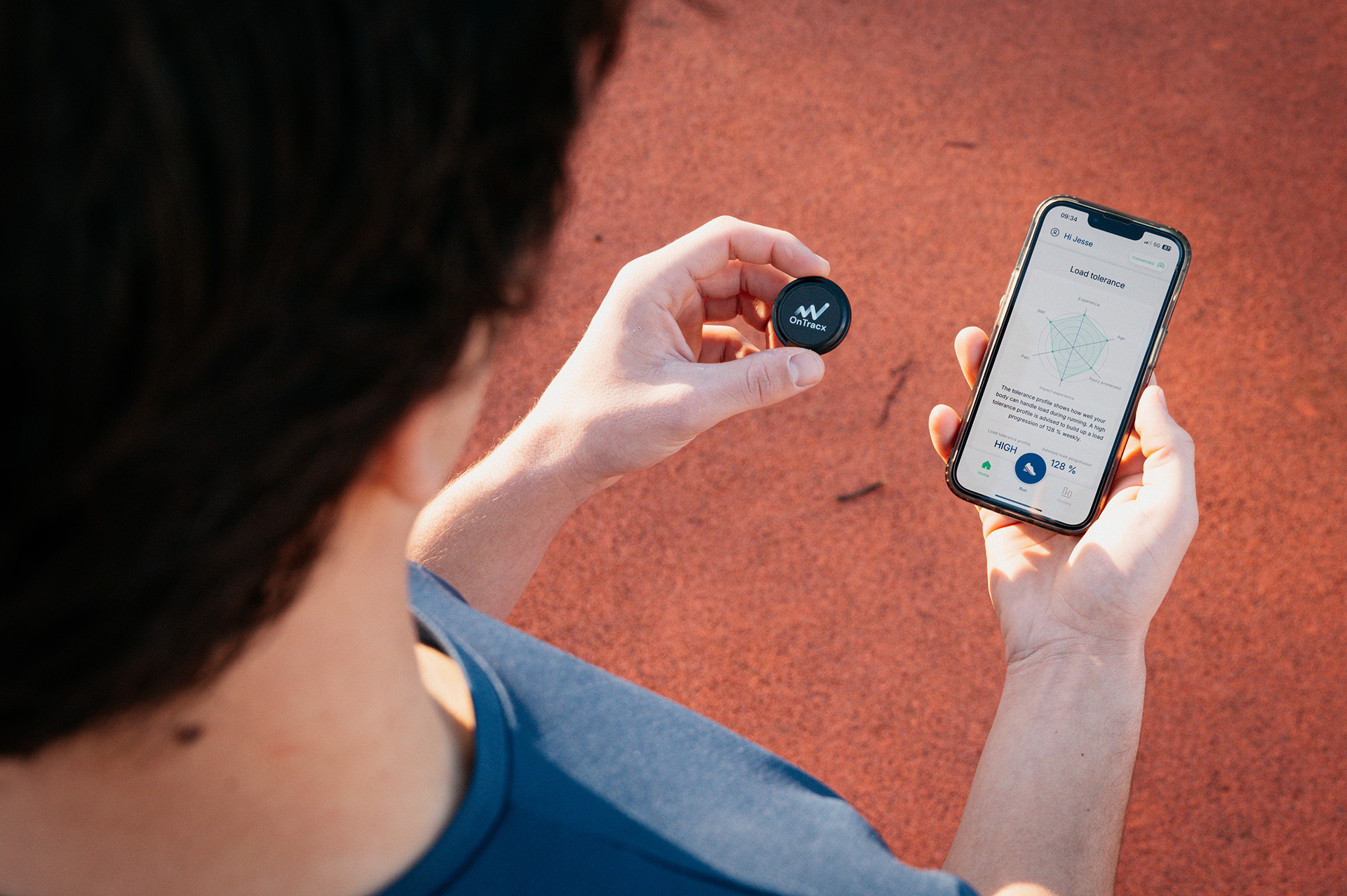
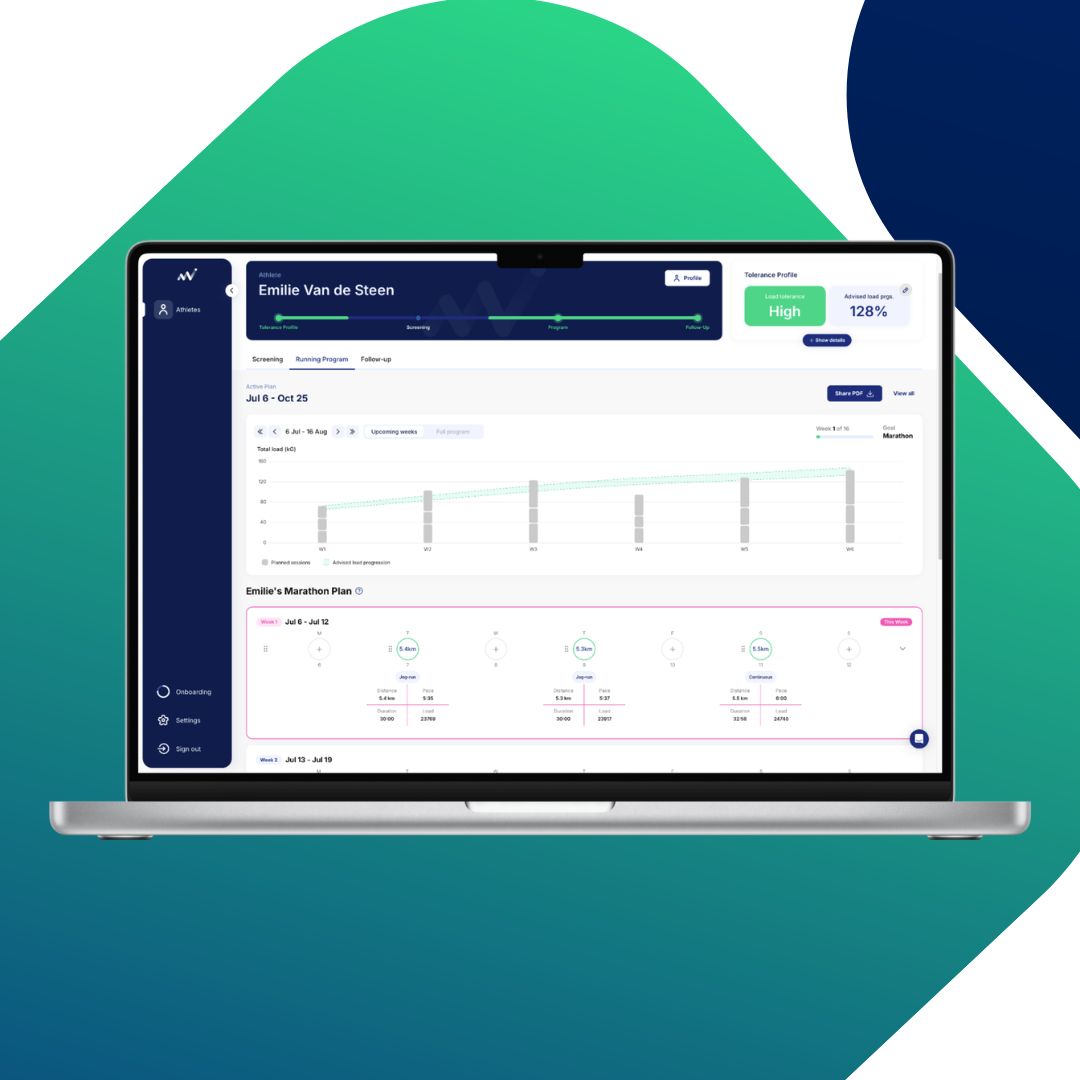
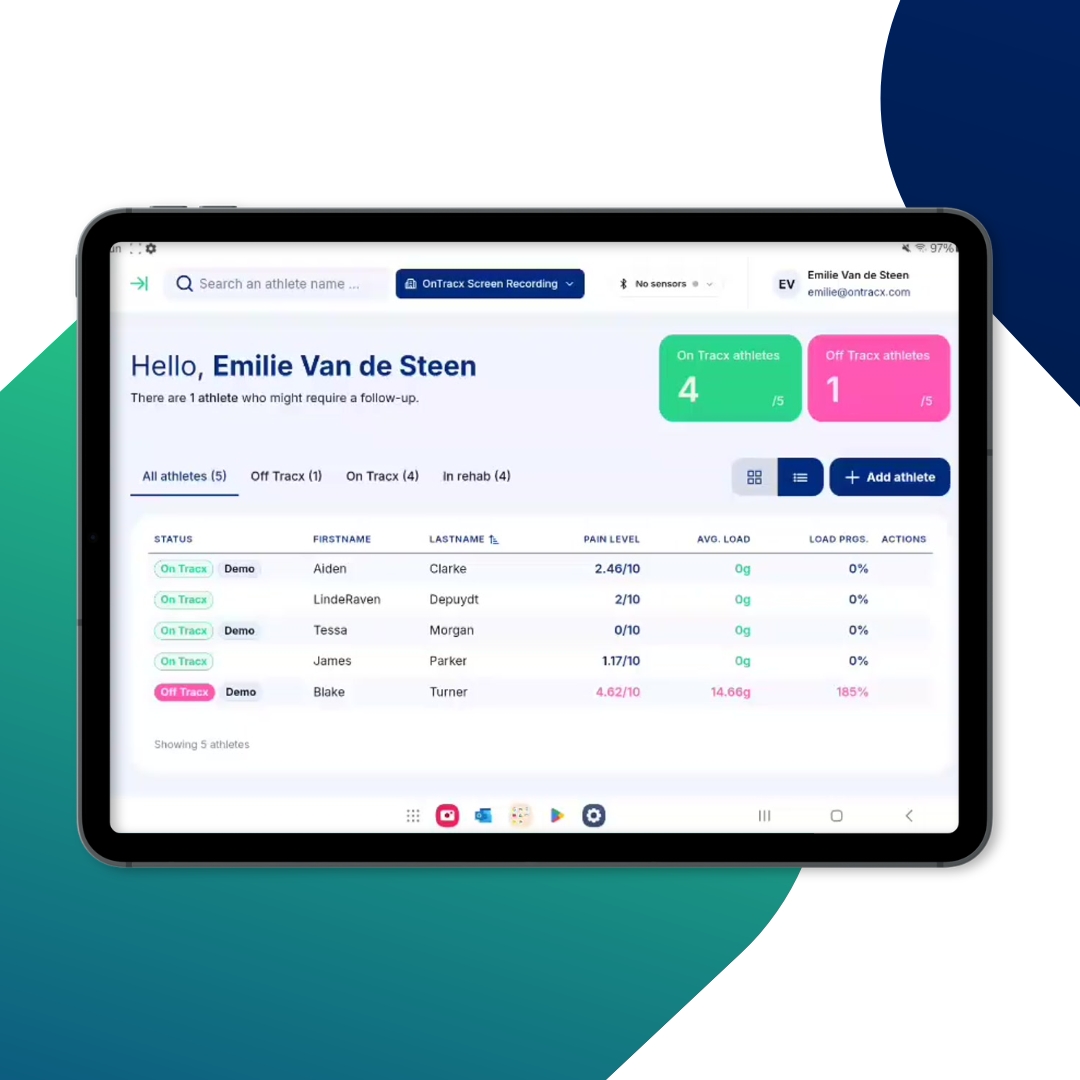
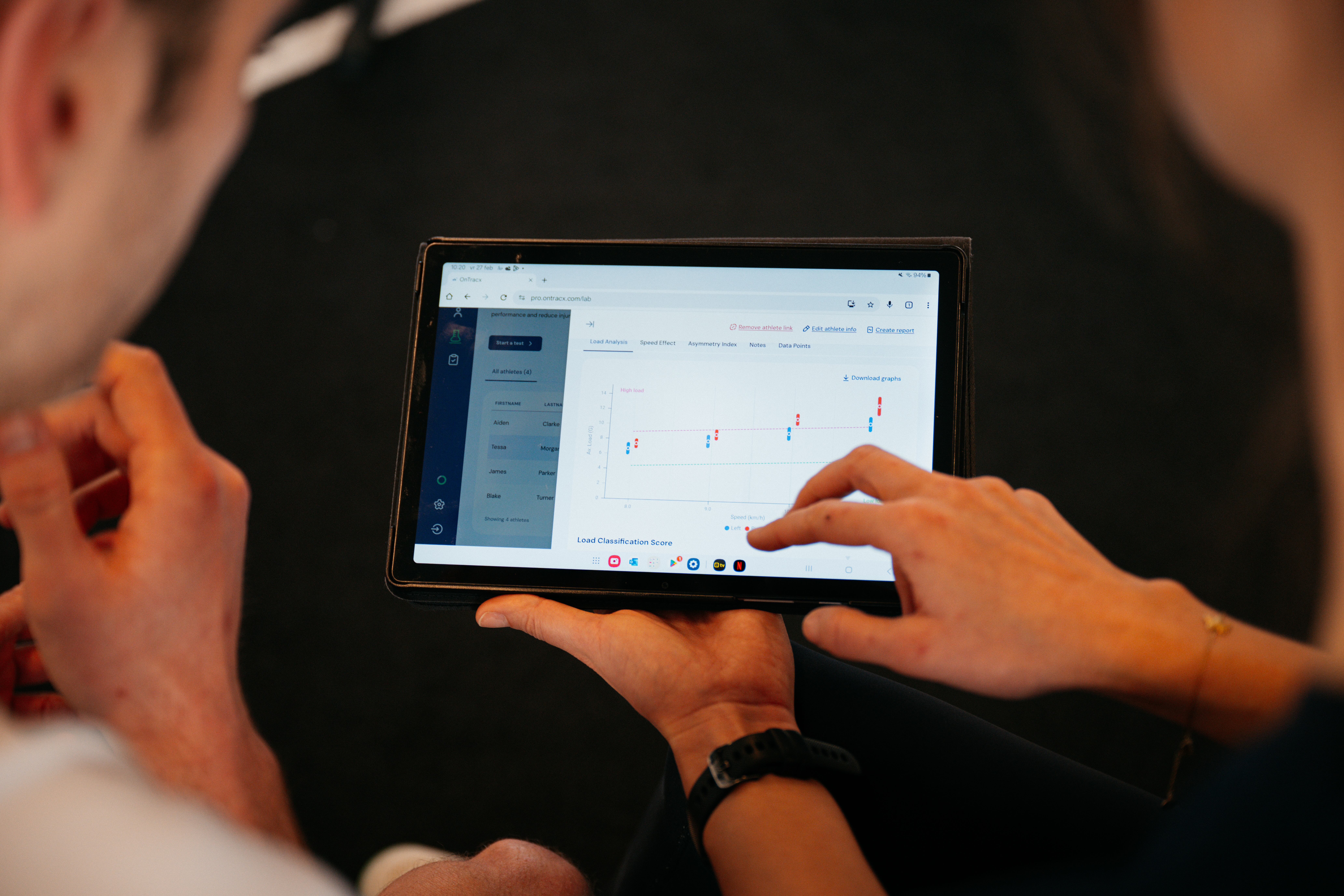
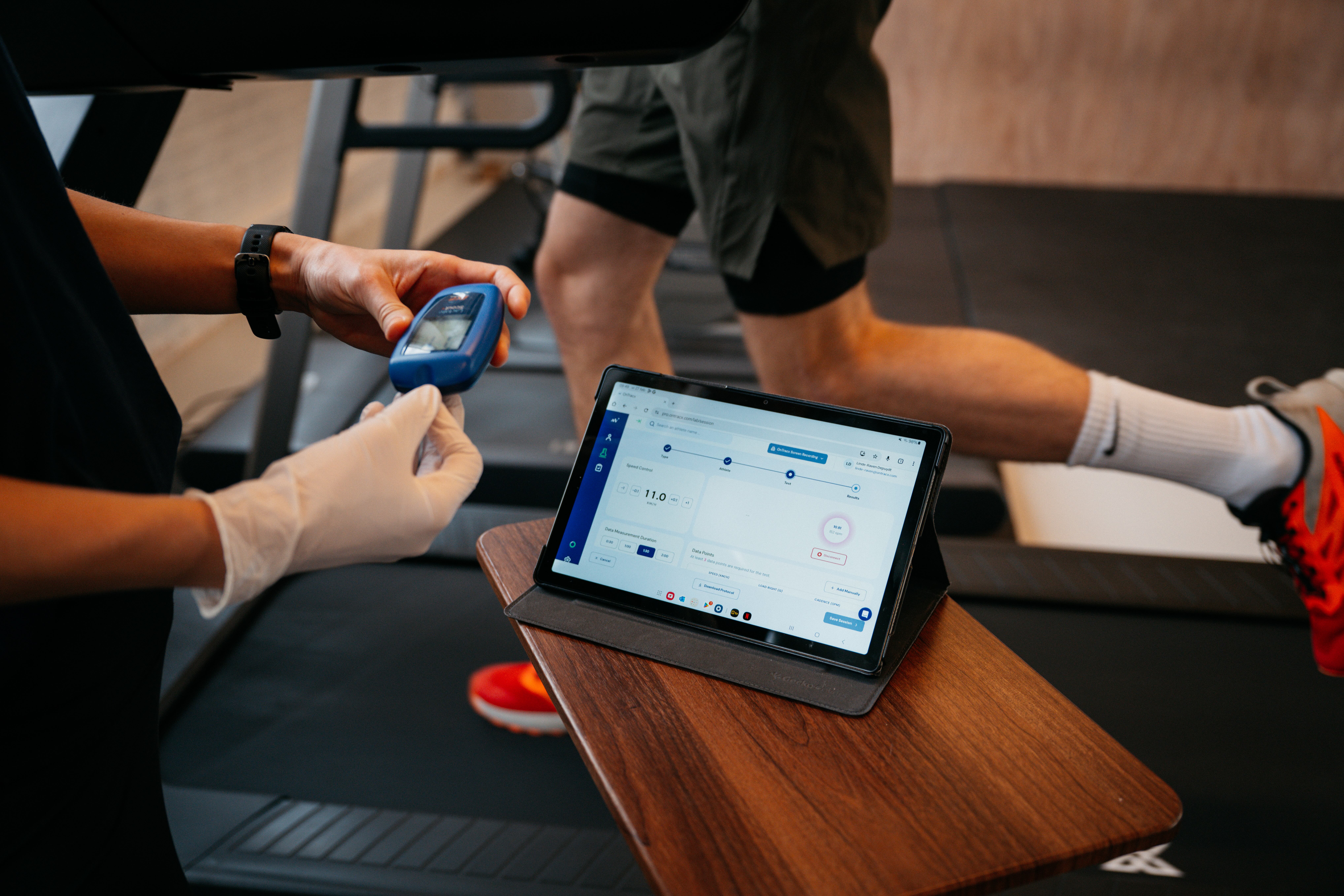
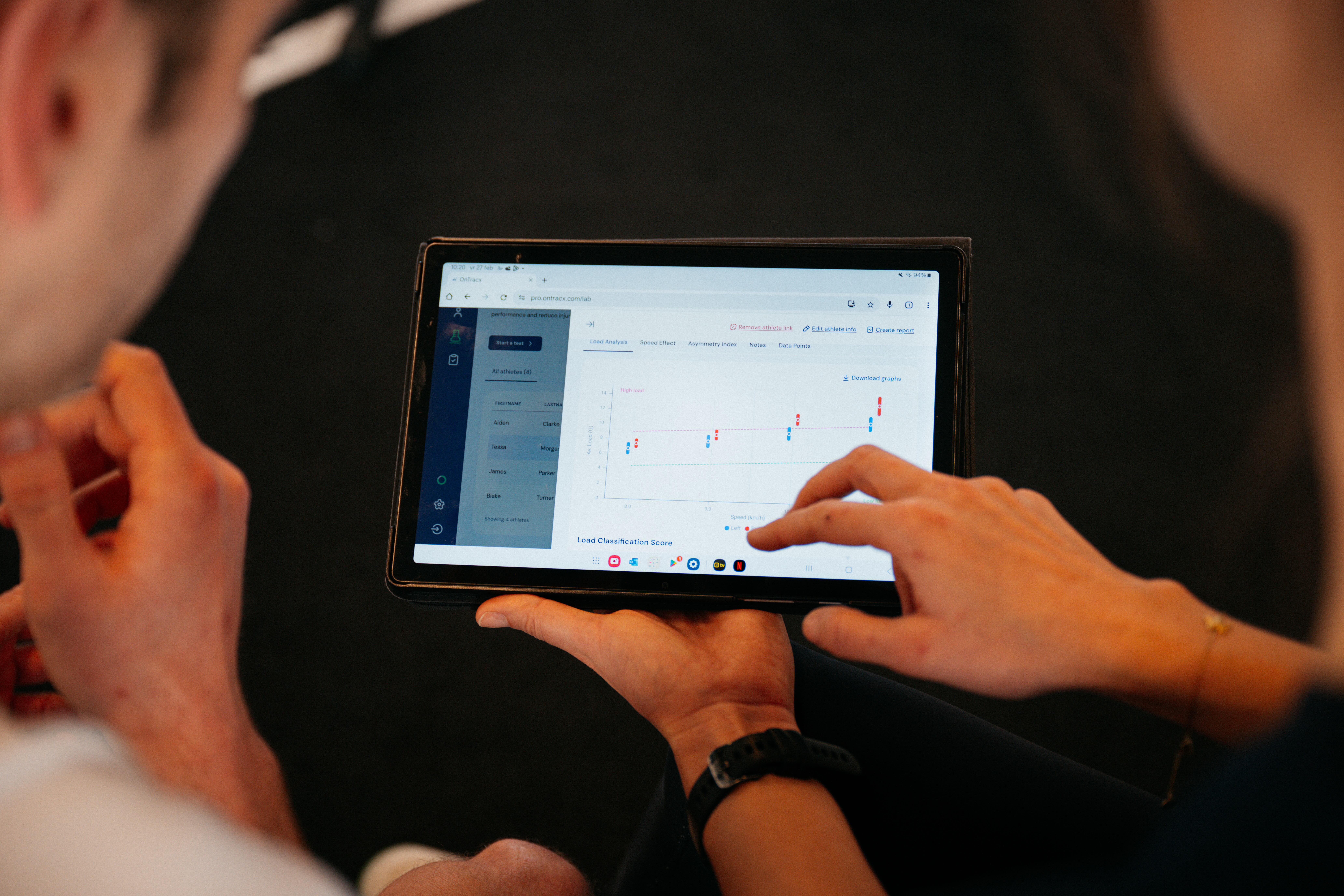
Where his training app only looked at the improvement in speed, OnTracx showed what that improvement actually did to the mechanical load on his body. The warning was there, clear and on time. Joost just hadn’t caught it in time.
Recovering with sharper attention to load
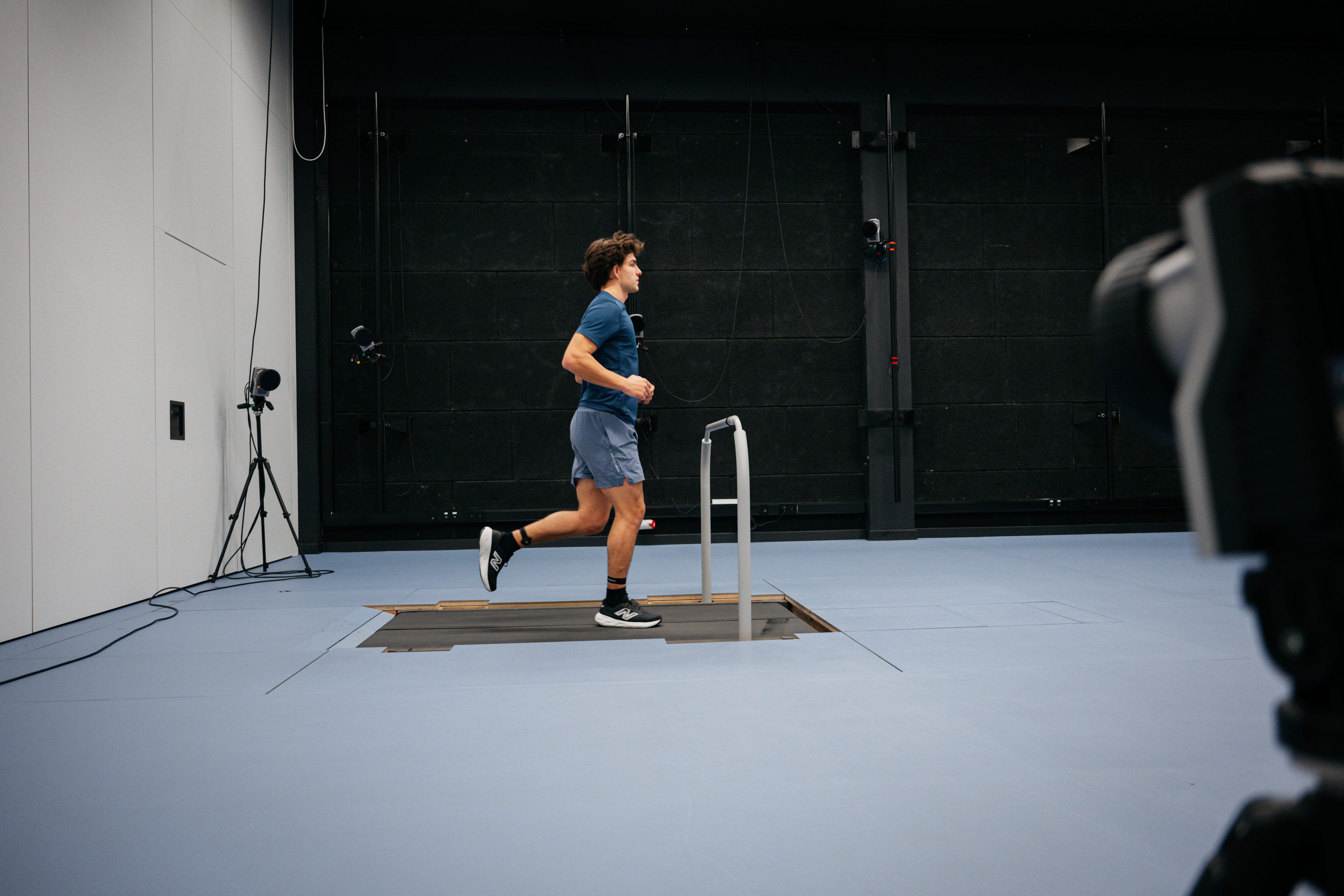
Joost went to physiotherapy and eased back into training over the following week and a half, this time paying much closer attention to what OnTracx was showing him instead of relying only on progress on paper.
“The injury is pretty much gone now. So it works!”
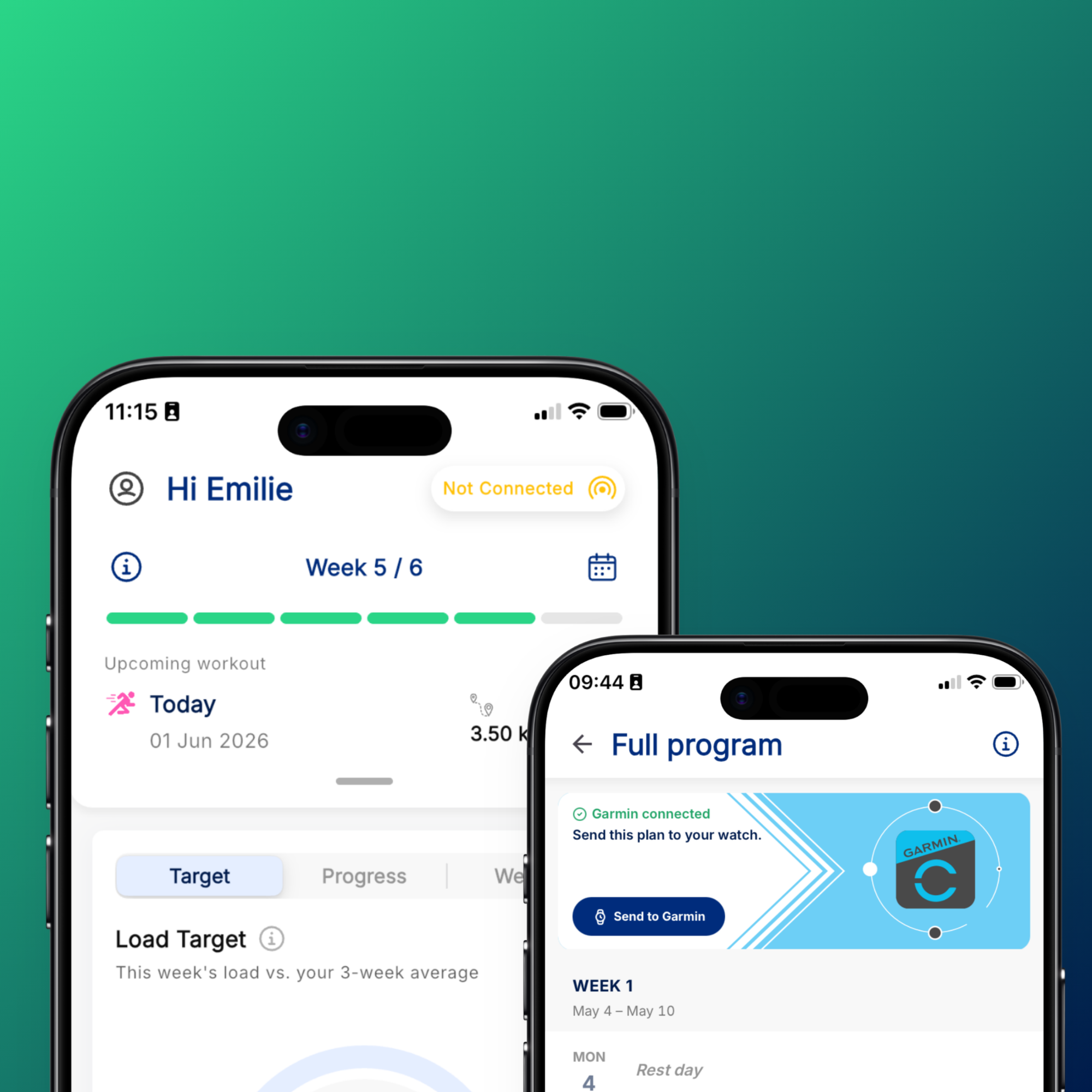
That closer attention has stuck. Not long after, his training app flagged that he’d reached 90% of his target with 5.9 km left to run, then handed him a session calling for 8.9 km with accelerations, more than the app’s own number said he had room for.
“So what do I do? I decided to just do the run, and pay close attention: if it hurt, I’d stop.”
It didn’t hurt. Joost finished the session and ended up around 133% of his target, a bit more than planned, but this time it was his own call, made by watching his load and how his body actually felt rather than simply following what the app told him to do.
For Joost, the whole experience confirmed something most training schedules overlook: progress in fitness and progress in load capacity don’t automatically move together. A plan that only looks at volume can send a runner in exactly the wrong direction, even when it feels good in the moment.
.jpg)

.png)





%20(5).png)


%20(3).avif)
%20(4).avif)

.jpg)