Go back to all insights

Making return-to-run more personal with objective load data
OnTracx is a very easy tool to use, provides a lot of scientific data, and allows you to quickly create a running program based on an athlete's injury history and goals.
17
/
08
/
2026
3
min read
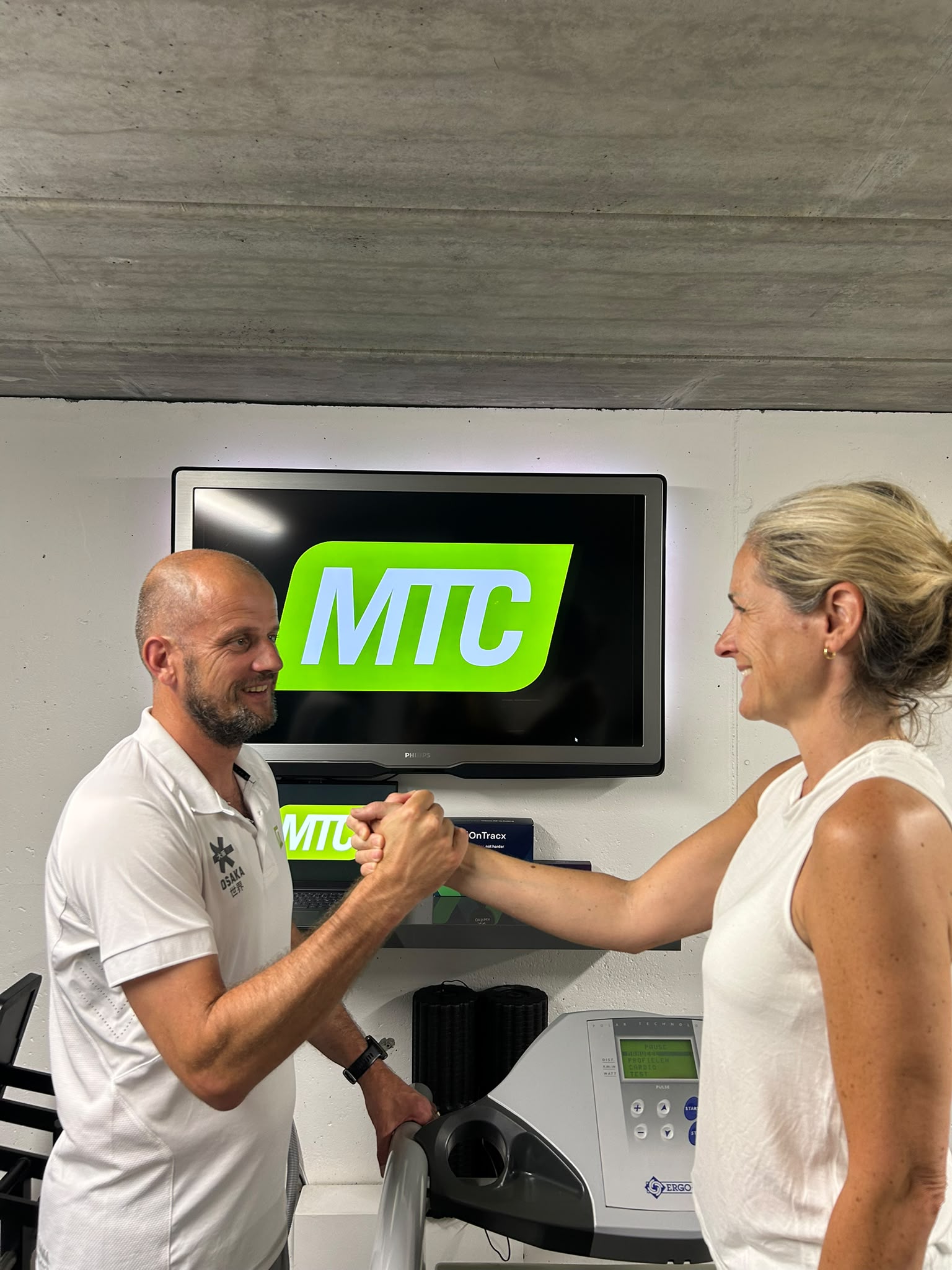
TABLE OF CONTENTS
Share
Meet MTC Ranst
MTC Ranst is a group practice specializing in musculoskeletal and orthopedic rehabilitation. Founded and led by Tim Lamens, the practice has increasingly focused on chronic injuries in recent years.
Working with objective data has been part of MTC's approach for years, from posture analysis to strength testing. OnTracx was a natural addition to help the team become even more data-driven in their return-to-sport decisions.
Why MTC chose OnTracx
For Tim, one of the challenges in return-to-run rehabilitation is determining what load an individual athlete can actually tolerate.
Traditional programs often rely on general guidelines, such as building up to 20 minutes of comfortable running. While useful, these guidelines do not always reflect the individual athlete.
“Before, we would build someone up towards comfortably running for 20 minutes without complaints. With OnTracx, we can clearly show why an athlete's individual tolerance profile should determine their running program.”
How MTC uses OnTracx
MTC recently used OnTracx to guide a 39-year-old recreational runner with bilateral Achilles tendon complaints. His goal was to comfortably run 10 kilometers twice a week.
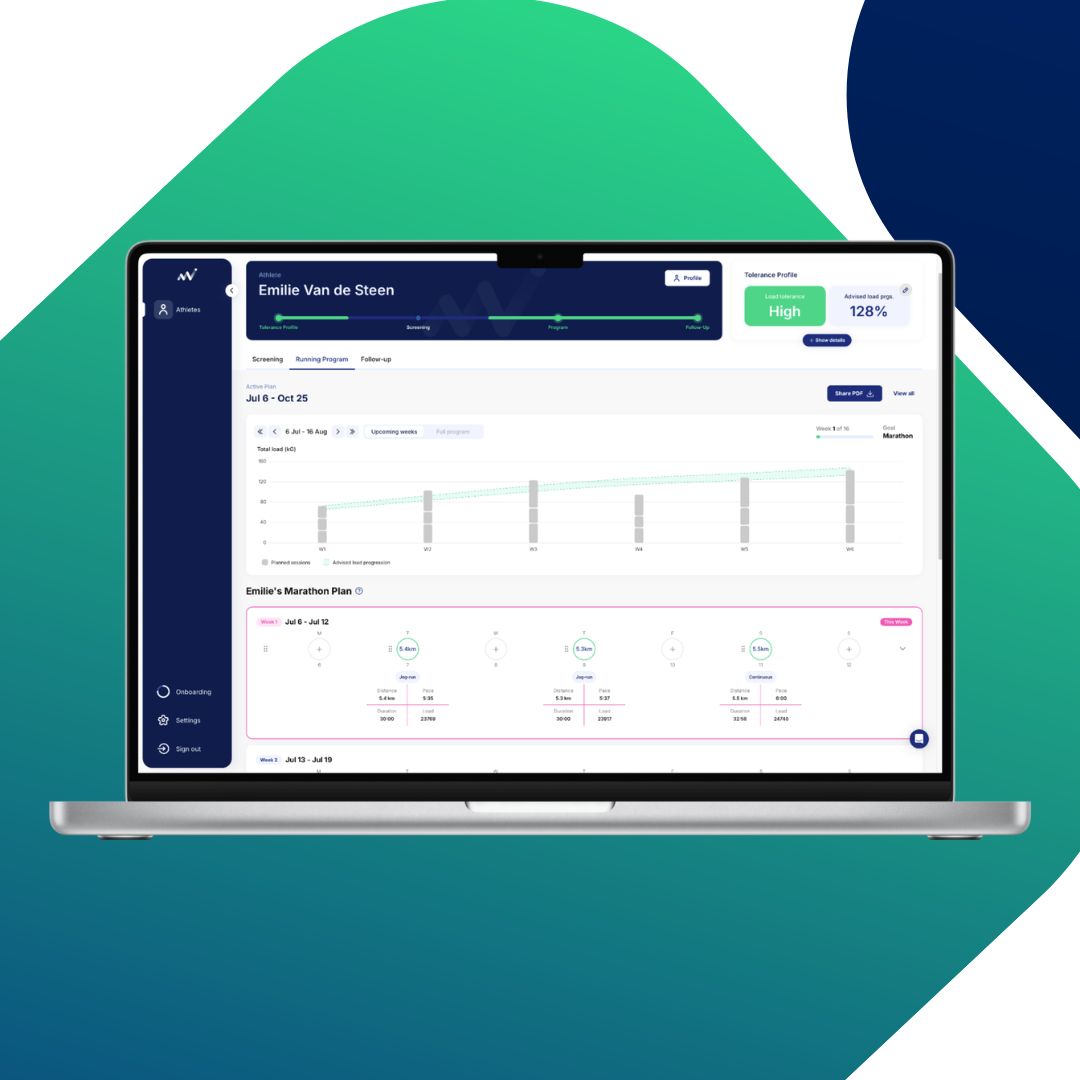
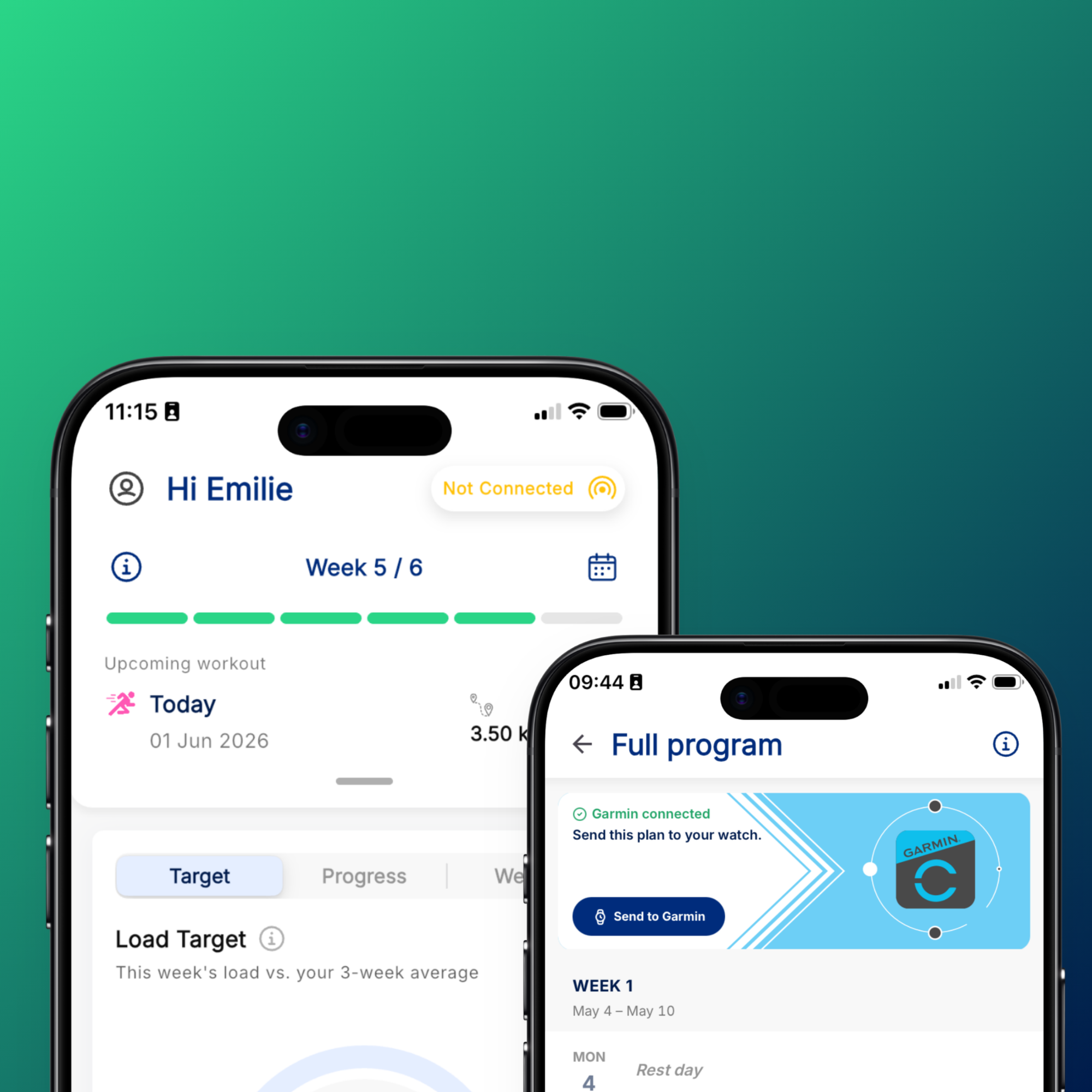
Tim used OnTracx to assess how his mechanical load changed at different running speeds. This made it easier to determine an appropriate starting point and explain why certain speeds and volumes were initially not suitable.
"You can clearly measure how load increases at certain speeds. *It was now also clear for the athlete why he had to run slowly and limit his volume during the first weeks.”
After following a 28-week running program, the athlete was able to progress while keeping his pain score below 2/10. His Achilles complaints are now barely present, and he continues working toward his goal of running 10 kilometers twice a week.
Why MTC values OnTracx
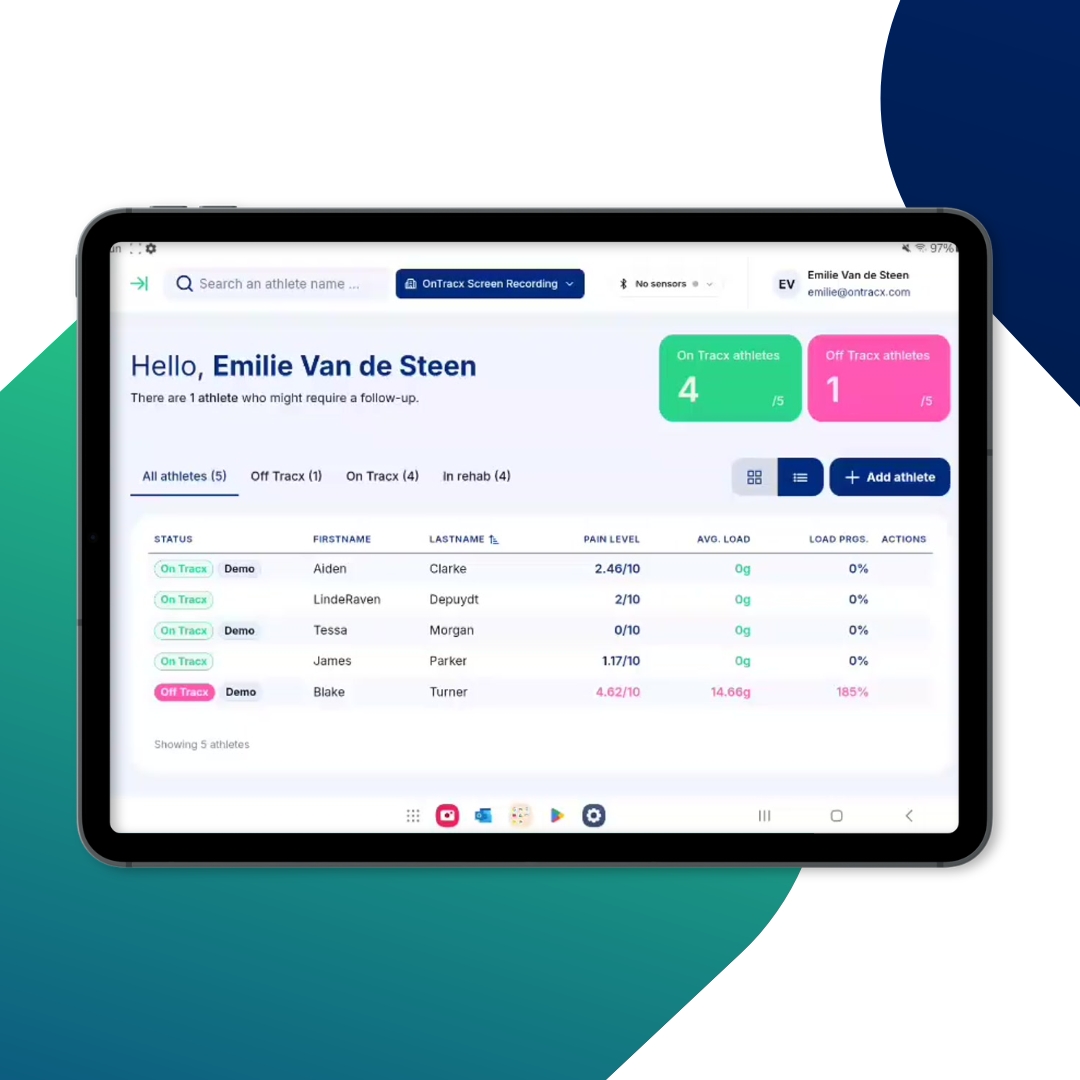
For Tim and the MTC team, the biggest value of OnTracx is the ability to objectively measure load tolerance and use that information to individualize running programs.
The platform provides clear data within a short period of time, helping clinicians move beyond general guidelines and explain their decisions to athletes.
“OnTracx is a very easy tool to use, provides a lot of scientific data, and allows you to quickly create a running program based on an athlete's injury history and goals.”
.jpg)



.png)














%20(5).png)


%20(3).avif)
%20(4).avif)





.jpg)