Go back to all insights

Movea builds runner confidence with fewer setbacks along the way
"It has made me dare to let people with an injury get back to running sooner."
23
/
09
/
2026
3
min read
TABLE OF CONTENTS
Share

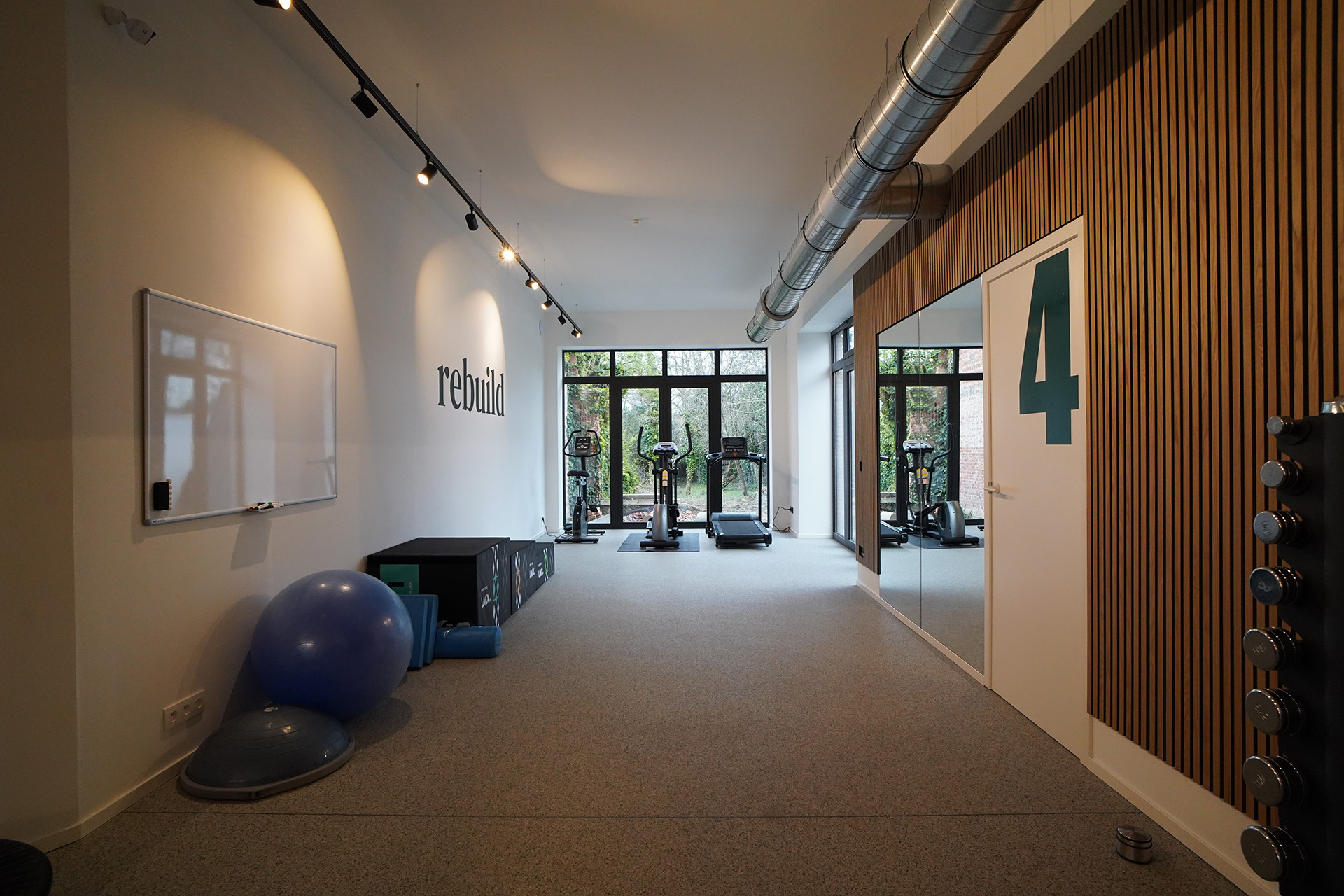

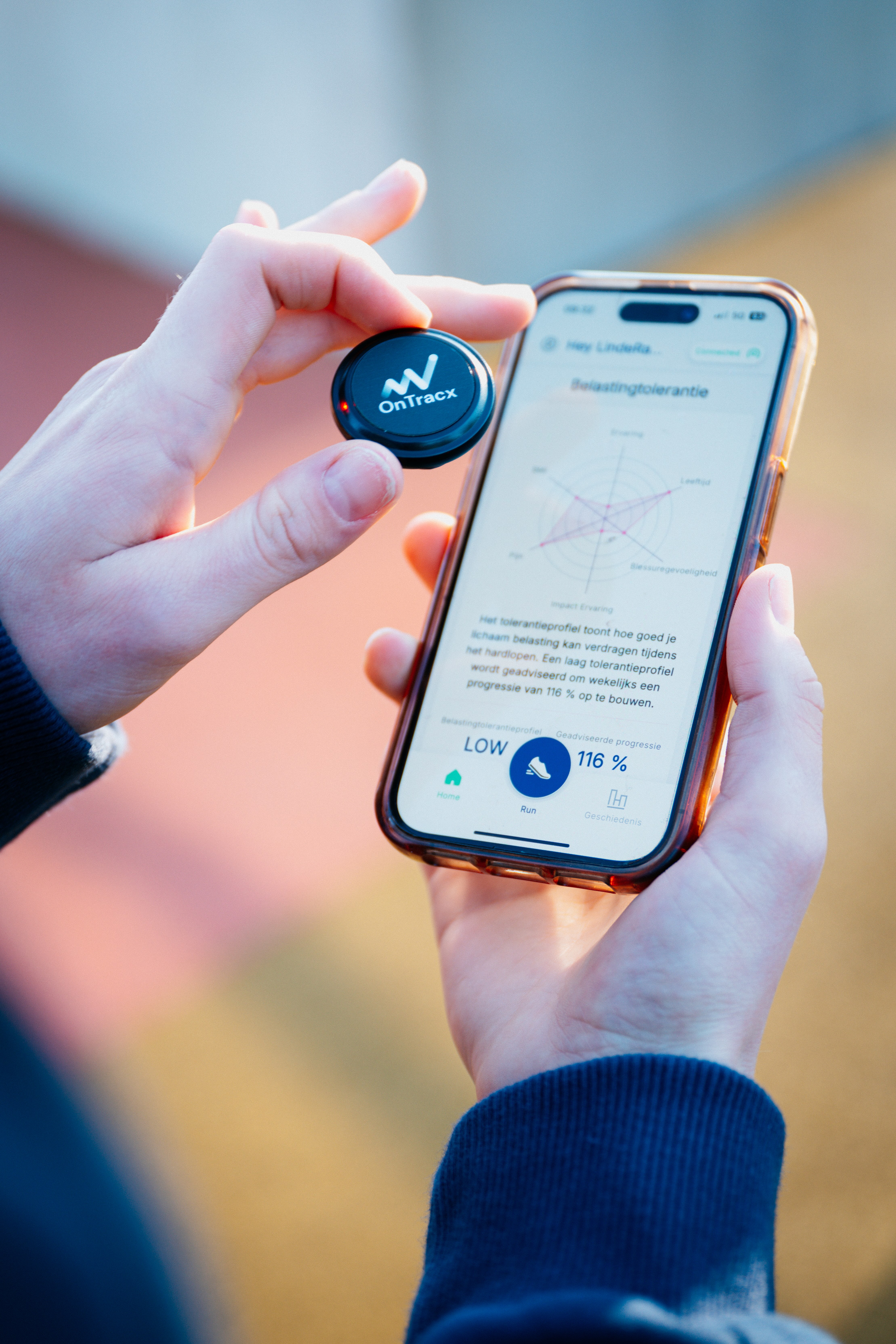
At Movea, Lotte Vermeulen has been building up her use of OnTracx steadily since mid-March 2026, starting with a handful of runners and growing into a caseload she now follows week after week. Her running-rehab population has grown to around 15 runners, with most of them active in any given week, and weekly running sessions have climbed from single digits in her first weeks to over 20 a week now.
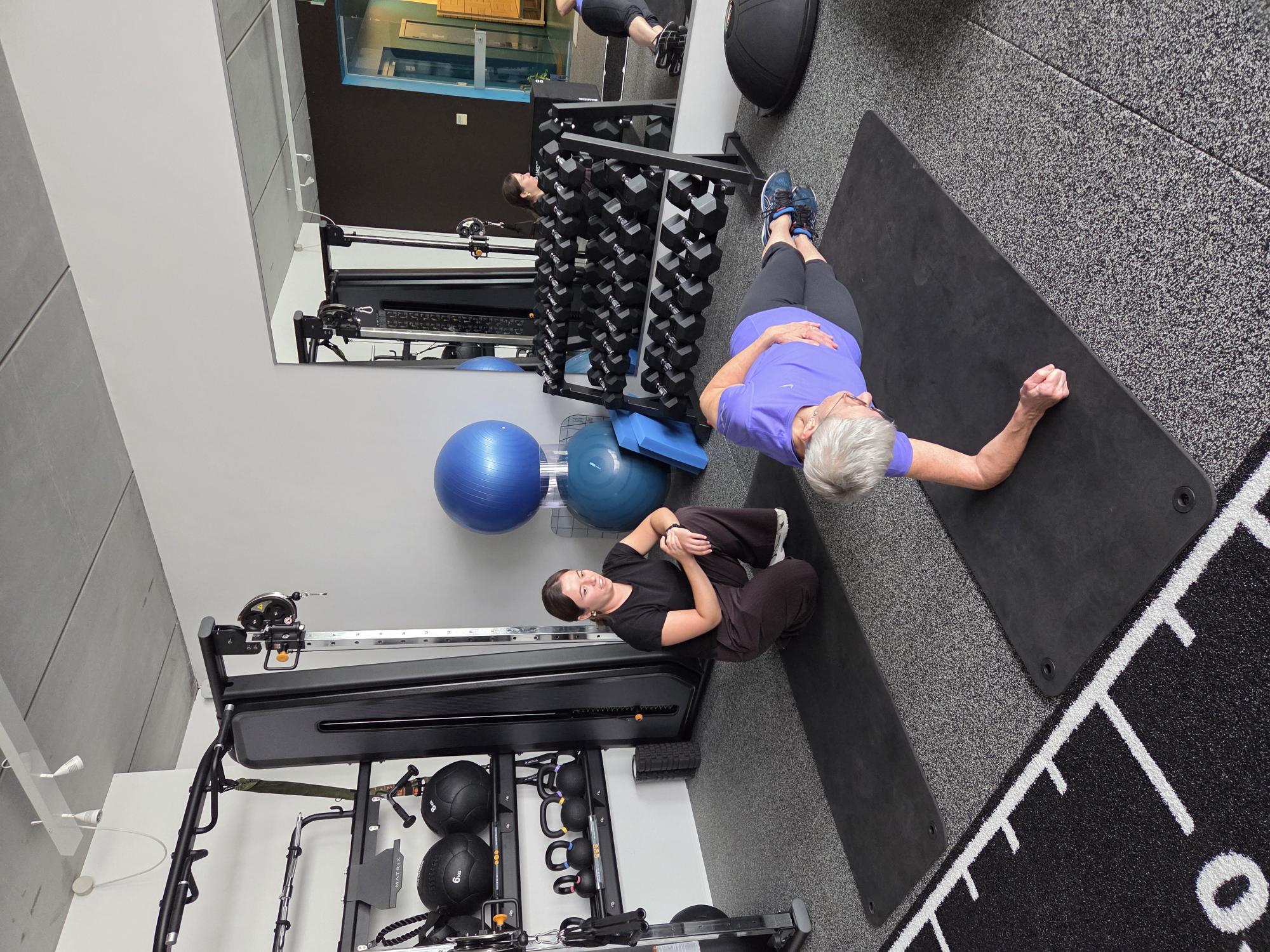
"The recent updates to the portal are good. It's easier to use and gives a much better overview. Making adjustments to running programs also works more efficiently now."
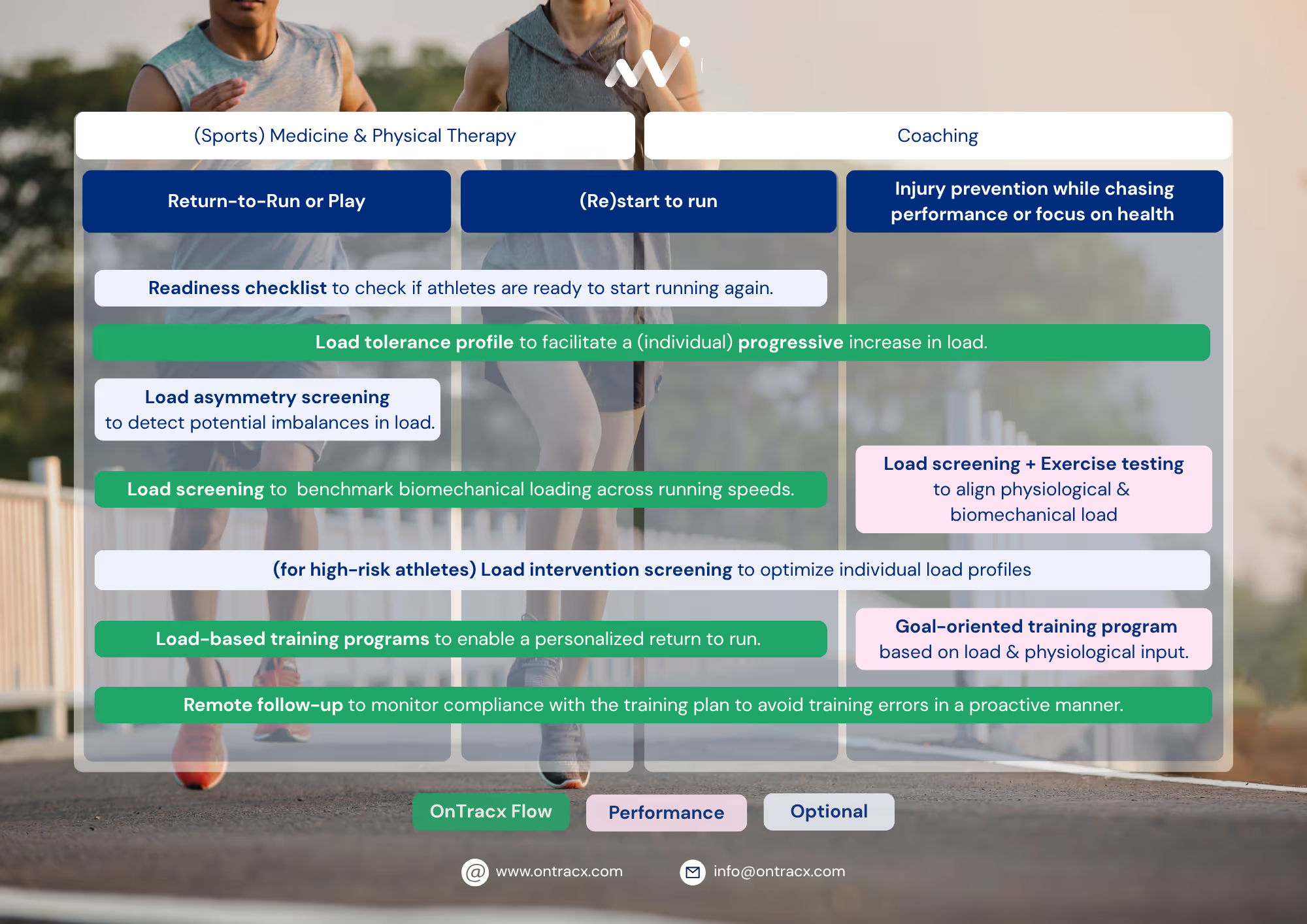
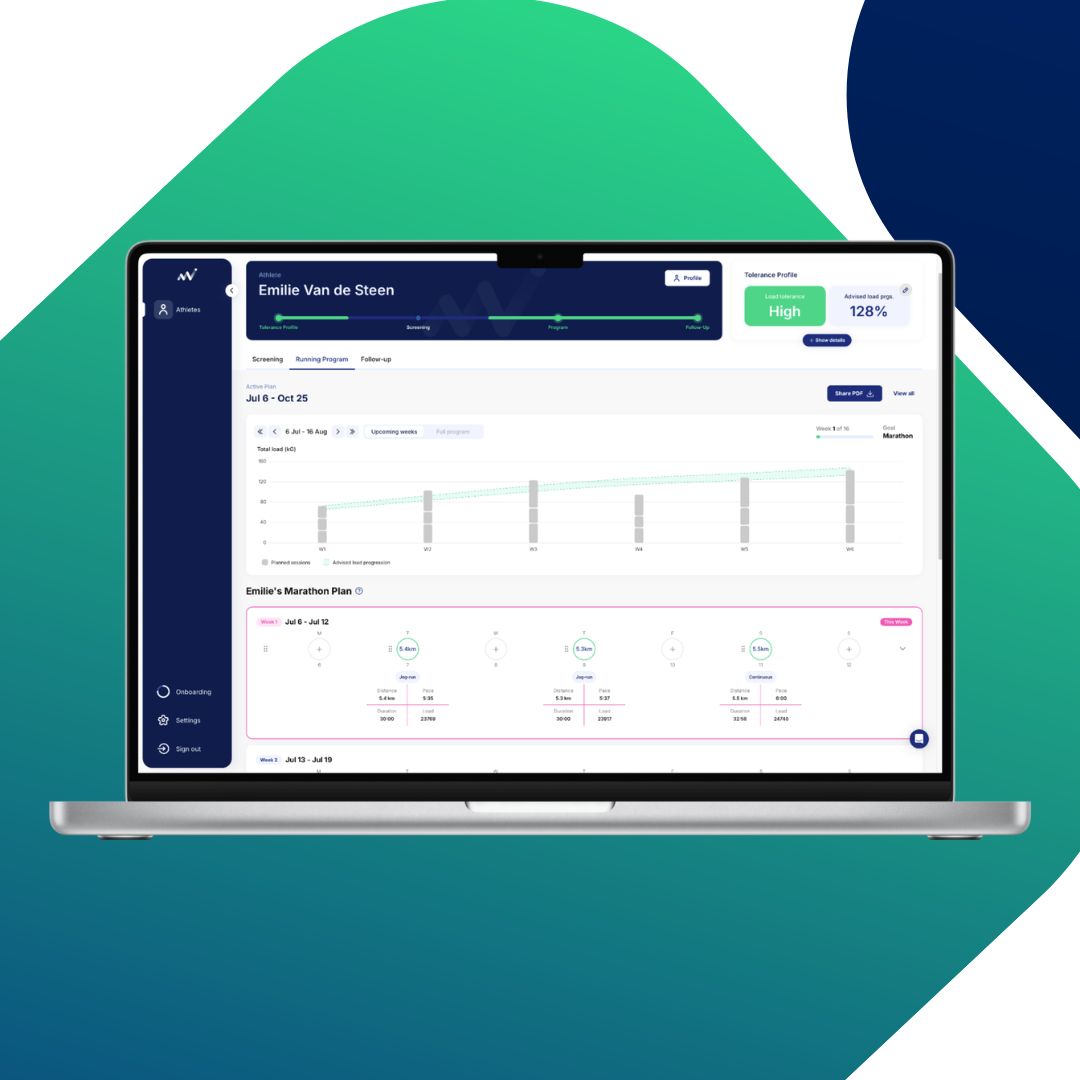
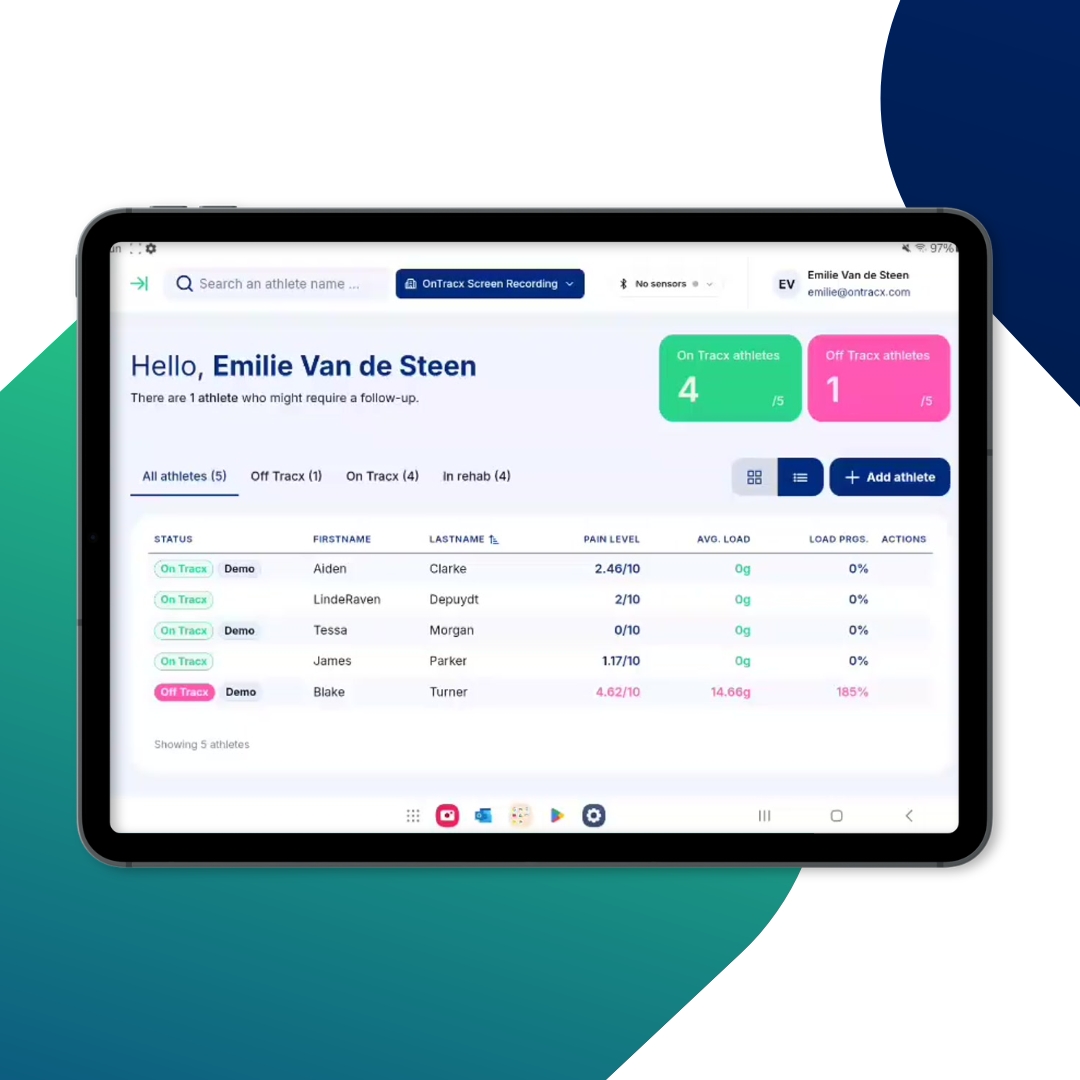
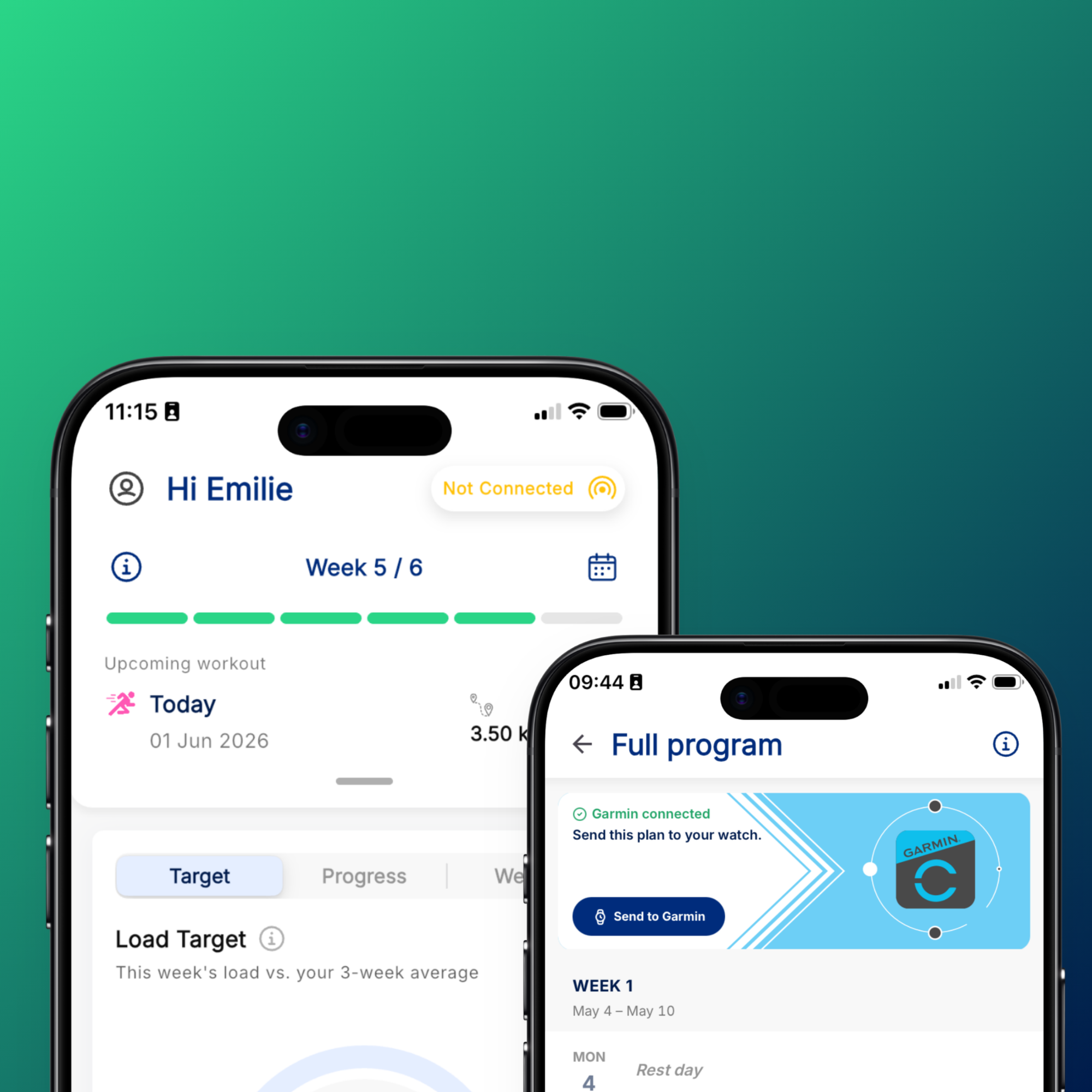
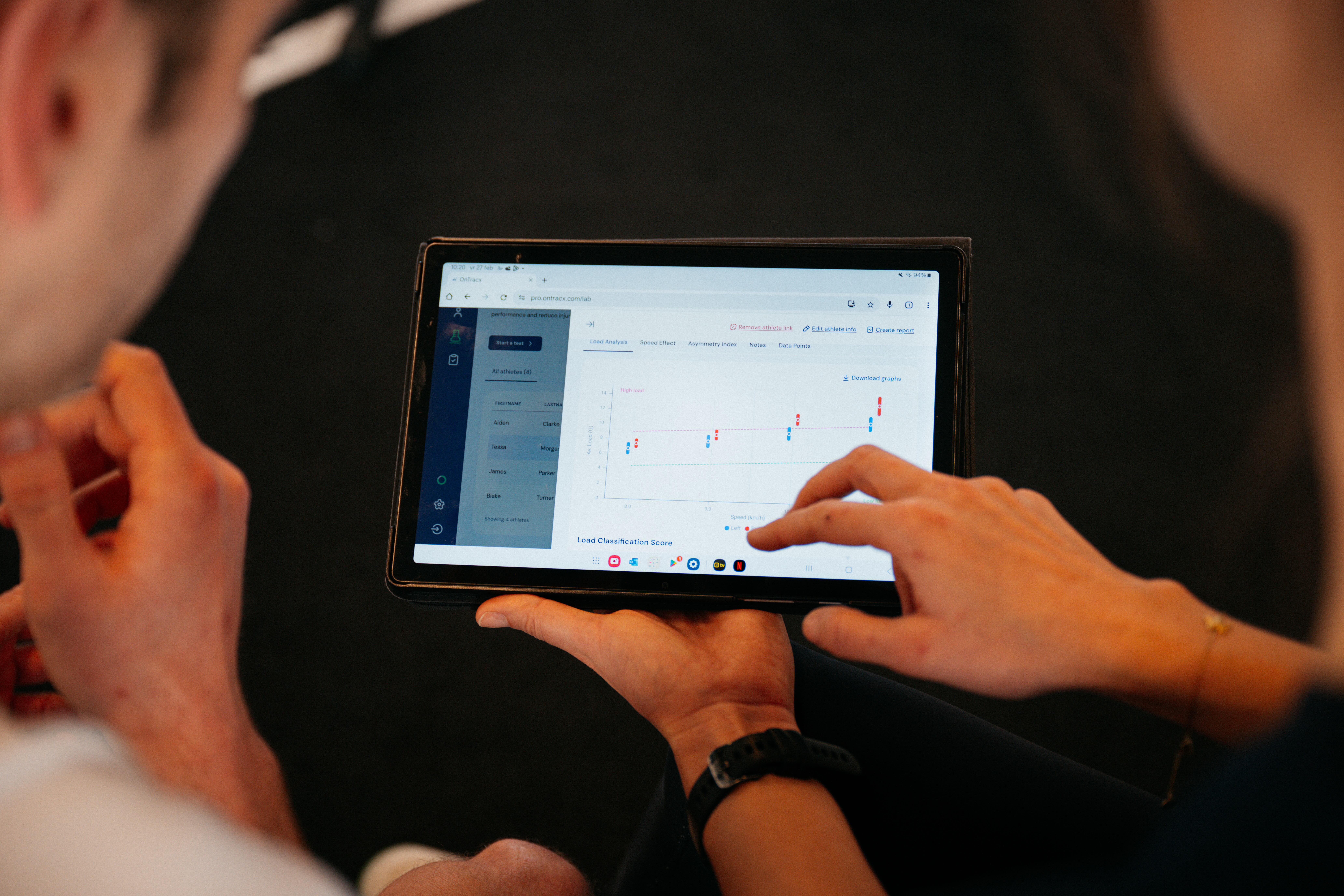
That comment lines up with two changes Movea has felt directly. Screen, Plan, and Guide used to live as separate views; they're recently bundled into a single athlete journey, so Lotte no longer has to jump between screens to follow a runner from screening through to guided return-to-run. The "adjustments" points specifically to the recalculate button in training plans: one small change to a session no longer means manually re-touching every week that follows, the whole plan recalculates from that single adjustment.
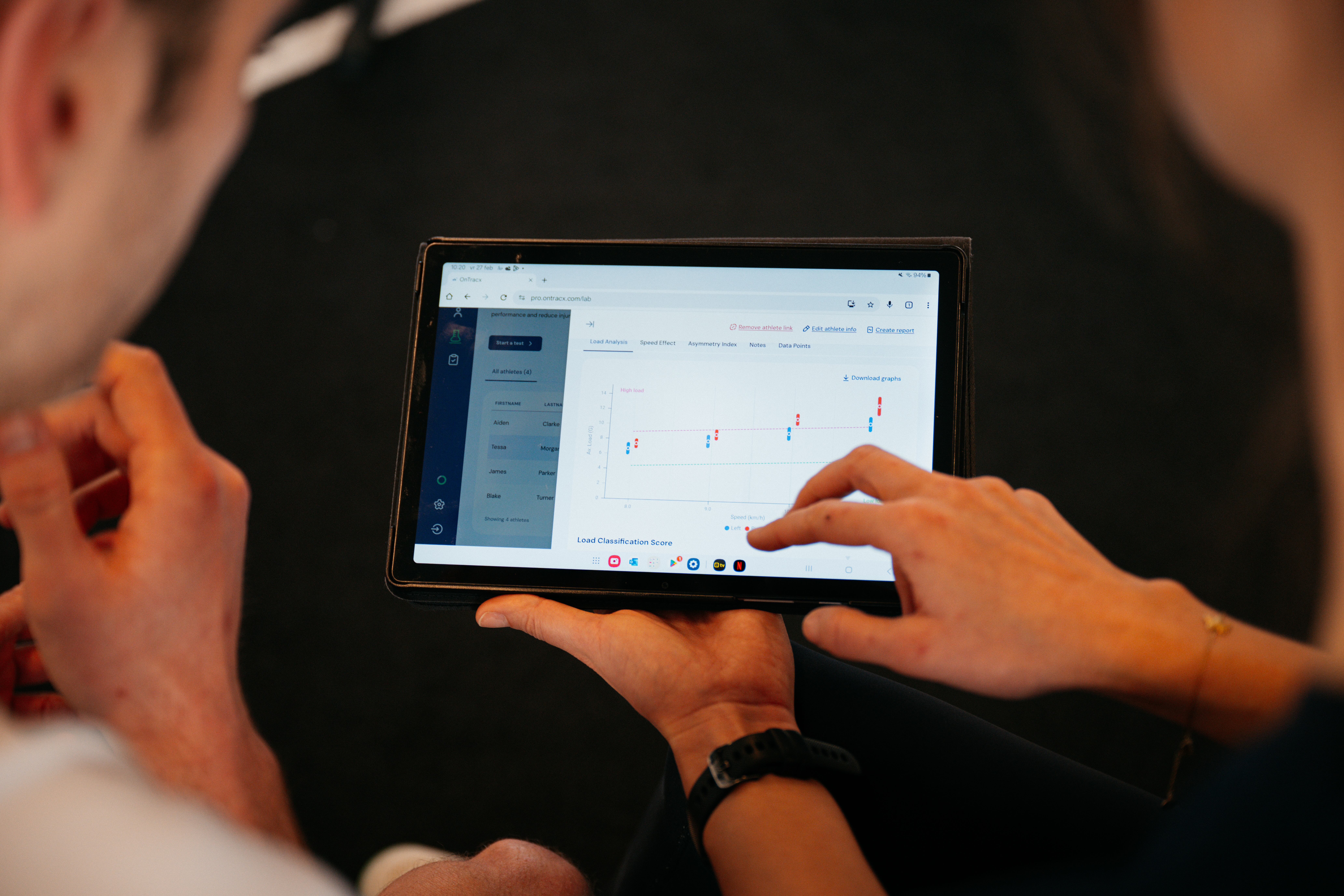
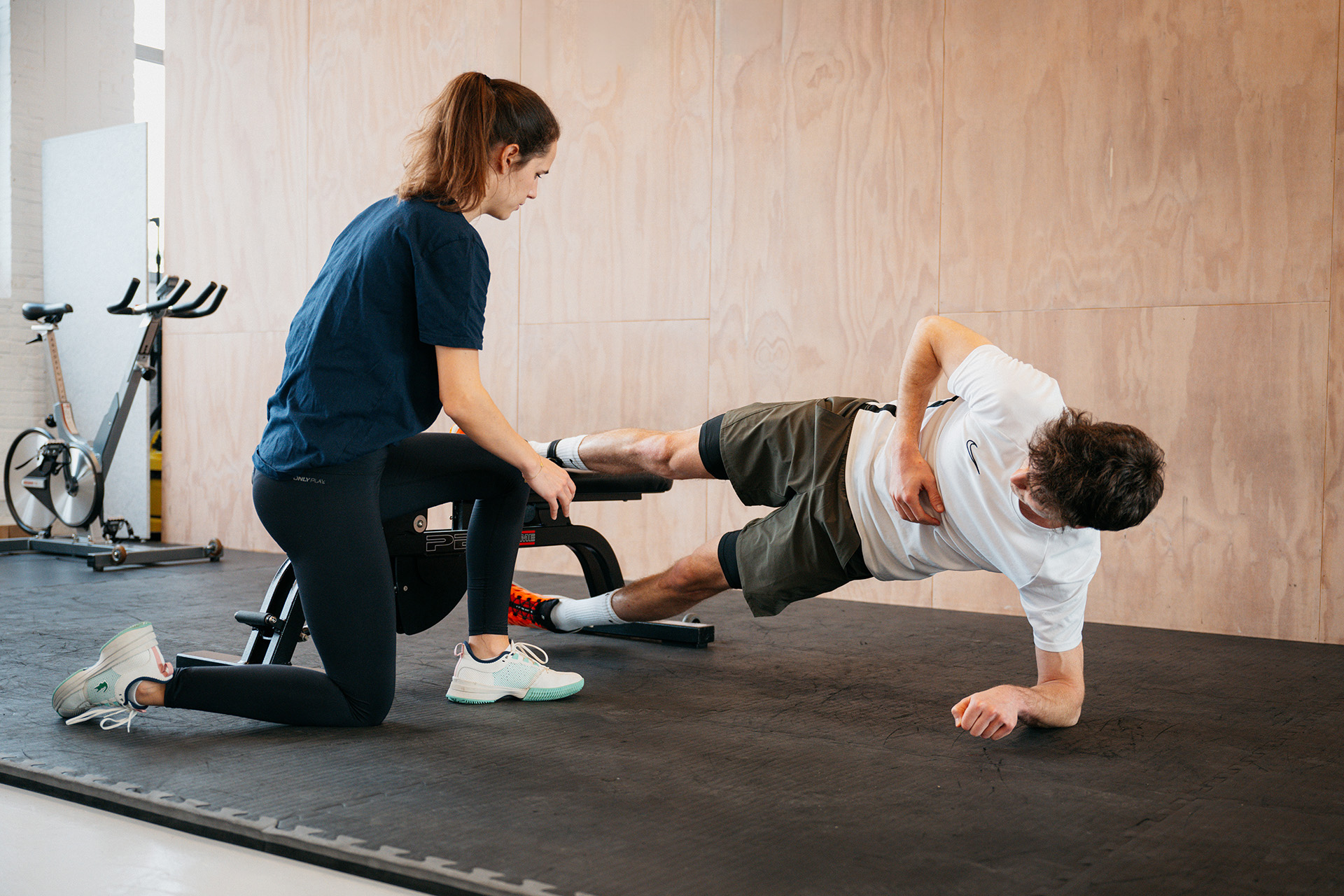
That improved workflow matters, because it's changed how confidently Lotte can move injured runners forward. Where caution used to mean holding people back longer than strictly necessary to avoid setbacks, having objective load data now makes it possible to let runners return to running sooner, without it feeling like a gamble.
"It has made me dare to let people with an injury get back to running sooner. The runners themselves gain more confidence from it too, and their recovery is way better than it would be from doing nothing, which is what some had been doing for a long time with chronic complaints."
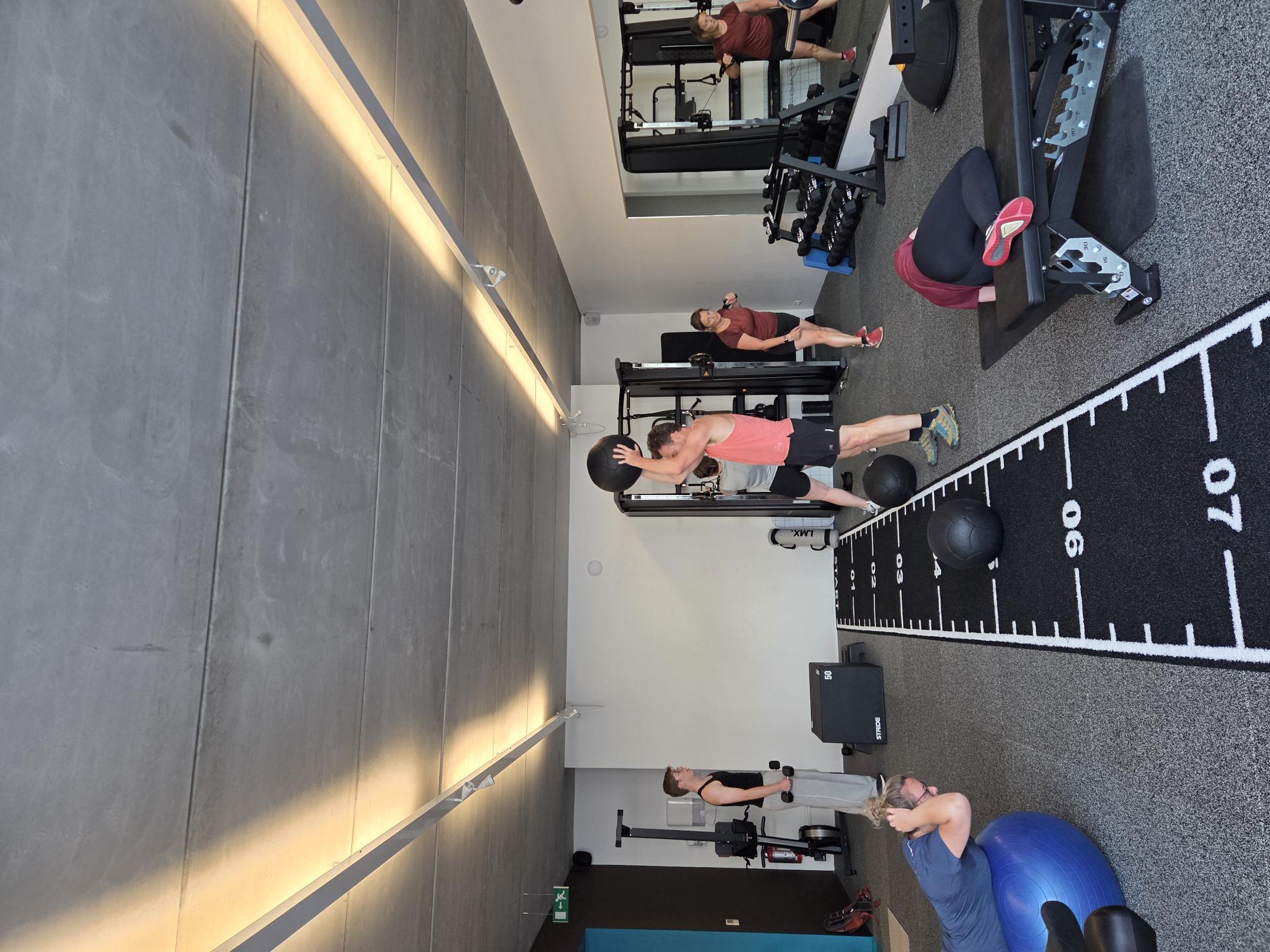
That shows up in the numbers behind her caseload. Across her currently active runners, pain scores mostly sit well under 3 out of 10, even as weekly training volume has kept climbing since the spring. It's a pattern Lotte has come to trust.
"Complaints sometimes briefly increase a little, but they never really go beyond a 2 or 3 out of 10, and they come back down afterwards while intensity and duration keep increasing!"
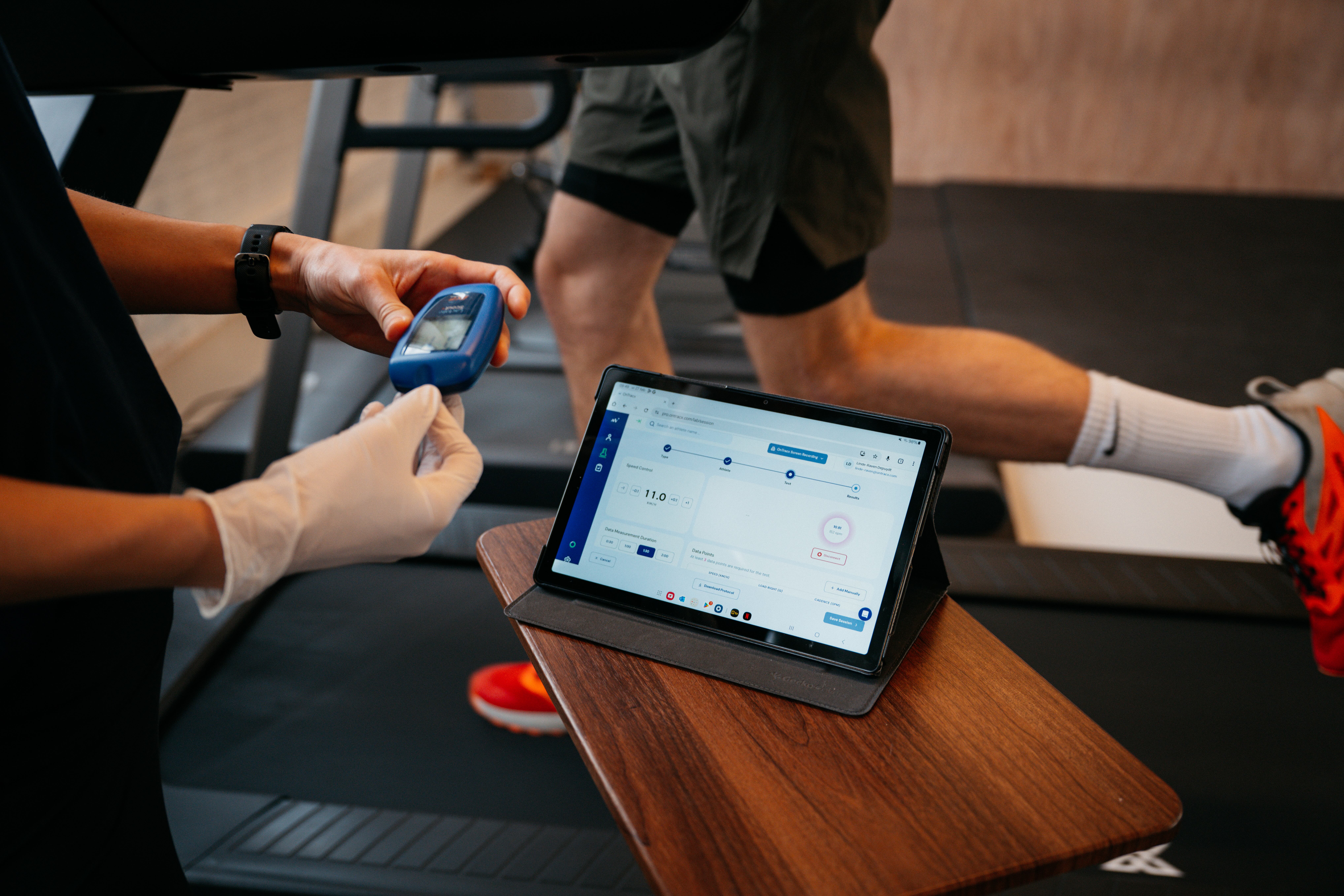
Fewer formal running analyses lately hasn't meant less confidence, if anything, the opposite: with the caseload and workflow now well established, Lotte can spend more of her time acting on the data and followup.
"Overall I'm very satisfied. It pays off, for runners and for people just starting to run!"
.png)




%20(5).png)


%20(3).avif)
%20(4).avif)


.jpg)