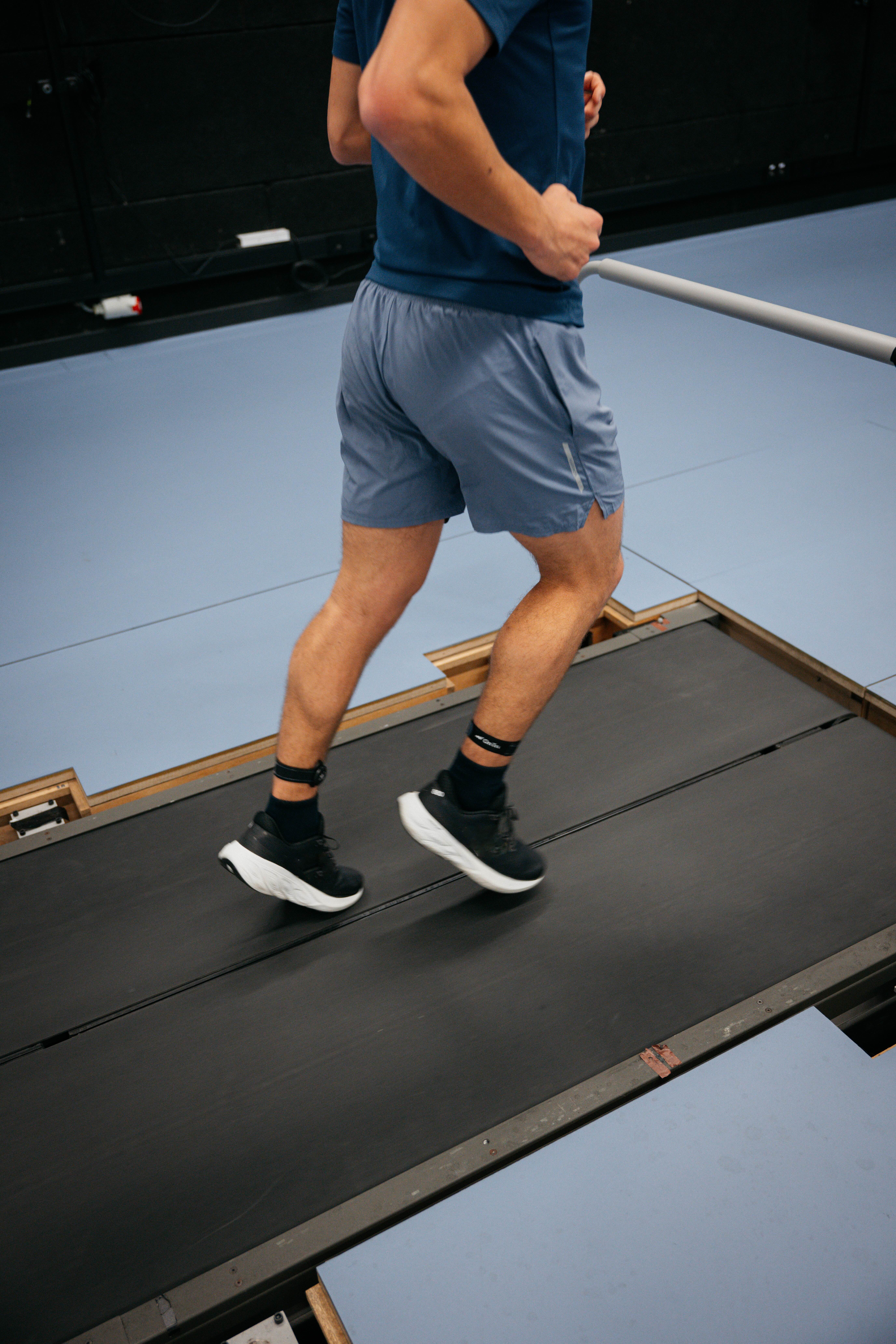
The 800-kilometers guess: When to change running shoes
06
/
10
/
2026
2
min read
.jpg)
TABLE OF CONTENTS
auteur
Rud Derie
Share
Too much to read
- The 500-to-800-kilometer replacement rule traces back to a 1985 laboratory study that measured changes in shoe cushioning, not when replacing shoes prevents injuries.
- Laboratory wear does not necessarily reflect how a shoe behaves on a runner's foot, where foam has time to recover between runs and runners can adapt their movement.
- Cushioning, injury risk and mechanical load are different arguments. Research has not established that replacing shoes at 800 kilometers is safer than continuing to run in them for longer.
- OnTracx links the mechanical load accumulated by a specific pair of shoes to the runner wearing them, offering a more individualized perspective than distance alone.
The 800-kilometre rule is still a guess. OnTracx adds another piece of information: how much mechanical load a specific pair of shoes has been exposed to, based on who is wearing it and how they run.
Somewhere between 500 and 800 kilometers, your running shoes stop being running shoes and quietly turn into expensive foam bricks. Anyway, that's what every shoe store, shoebox and running app keeps telling you.
We're talking about the running-shoe replacement "rule", and it's worth a closer look at where that number actually came from.
Where the 800-kilometre rule came from
The 500-to-800-kilometre figure (300 to 500 miles) traces back overwhelmingly to one paper.
In 1985, Steven Cook, Michael Kester and Marc Brunet mechanically pounded shoe heels with a tilted prosthetic foot, hydraulic press style, and measured how much shock absorption survived. It fell fast in the first 150 kilometres, then flattened out somewhere around 500 to 800 kilometres.
Forty years of shoe-brand press kits, running-app tooltips and store clerks have been citing that plateau ever since, or citing something that cites it.
It is, at this point, a genuinely old number: Cook's shoes were single-density EVA from an era before carbon plates or the supershoe foam that degrades on its own, unrelated schedule, which a 1985 prosthetic foot never got the chance to test.
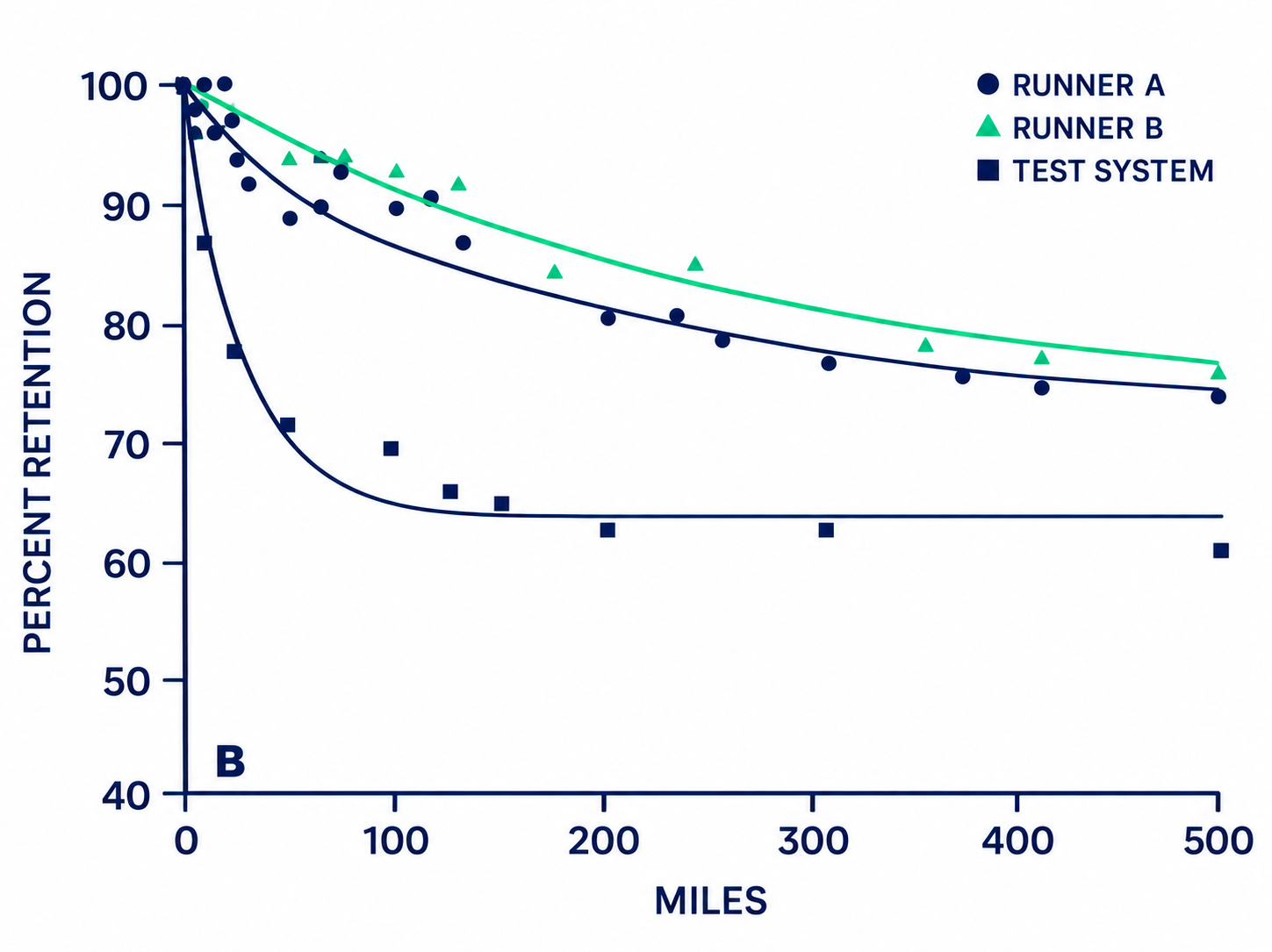
The honest finding, up front: nobody has ever tested that number against anything a runner actually cares about. No trial has compared runners who replaced shoes at 800 kilometres with runners who ran them into the ground at 1,400 and counted whose knees held up better.
A forty-year-old bend in one machine's wear curve became "get new shoes now" through sheer repetition, not through hard clinical evidence.
Why a lab bench ages foam faster than your foot does
Cook's prosthetic foot, and most of the mechanical rigs that followed it, apply the same compression over and over with no rest in between. The ASTM standard used across the shoe industry drops an 8.5-kilogram weight onto the heel roughly a thousand times an hour, indefinitely.
Real running doesn't work that way. Foam recovers a bit of its bounce between strides, and more of it between runs, through the same gas-diffusion process that makes a squeezed sponge slowly re-inflate.
That difference shows up when researchers compare laboratory testing with real-world running.
Joseph Hamill and Barry Bates put six runners through 420 kilometres in the same shoes back in 1988 and found their shock absorption had dropped by just 7.3 percent, a fraction of what machine testing predicts for the same distance.
The likely reason: those 420 kilometres were spread over roughly three months, and a shoe on a runner's foot spends almost all of that time doing nothing, getting something like 23 hours between sessions to reabsorb the air it lost mid-run.
A fatigue machine never gets that grace period. It keeps compressing the same spot for days on end, so its number bakes in damage a real shoe would have quietly shed overnight.
Dr Kong put 24 runners on a force platform after 200 miles of real road running, the ground reaction forces landing on their legs hadn't meaningfully changed at all. Runners had quietly adjusted how they ran, leaning forward a little less, extending the hip and knee a little more, to keep the impact roughly constant even as the cushioning underneath them wore down.
Your body, it turns out, is a better shock absorber than the marketing suggests. So does a fixed kilometre count actually predict when your shoe stops protecting you? Nobody has ever checked, and what checking has been done points the other way.
But cushioning and injury are two different arguments
There's a separate question worth pulling apart from the wear and tear: does cushioning itself change your injury risk?
In 2020, Laurent Malisoux and colleagues ran a first proper trial in this research field: 848 recreational runners, randomly given shoes that differed only in cushioning stiffness.
The harder shoe carried a hazard ratio of 1.52 for injury, though that effect showed up mainly in lighter runners, and their companion study found the softer shoe actually produced higher measured impact forces on a treadmill.
Cushioning, injury risk and measured impact don't line up the tidy way the "replace at 800 km" story implies they should. A separate study by Jarmo Kulmala and colleagues found maximalist shoes increased loading rate by around 12 percent rather than cushioning it away.
Worn shoes changing your risk, and worn shoes changing your foam, are two different claims, and only one of them has any evidence attached.
What does OnTracx actually do with the 1,000 kilometres?
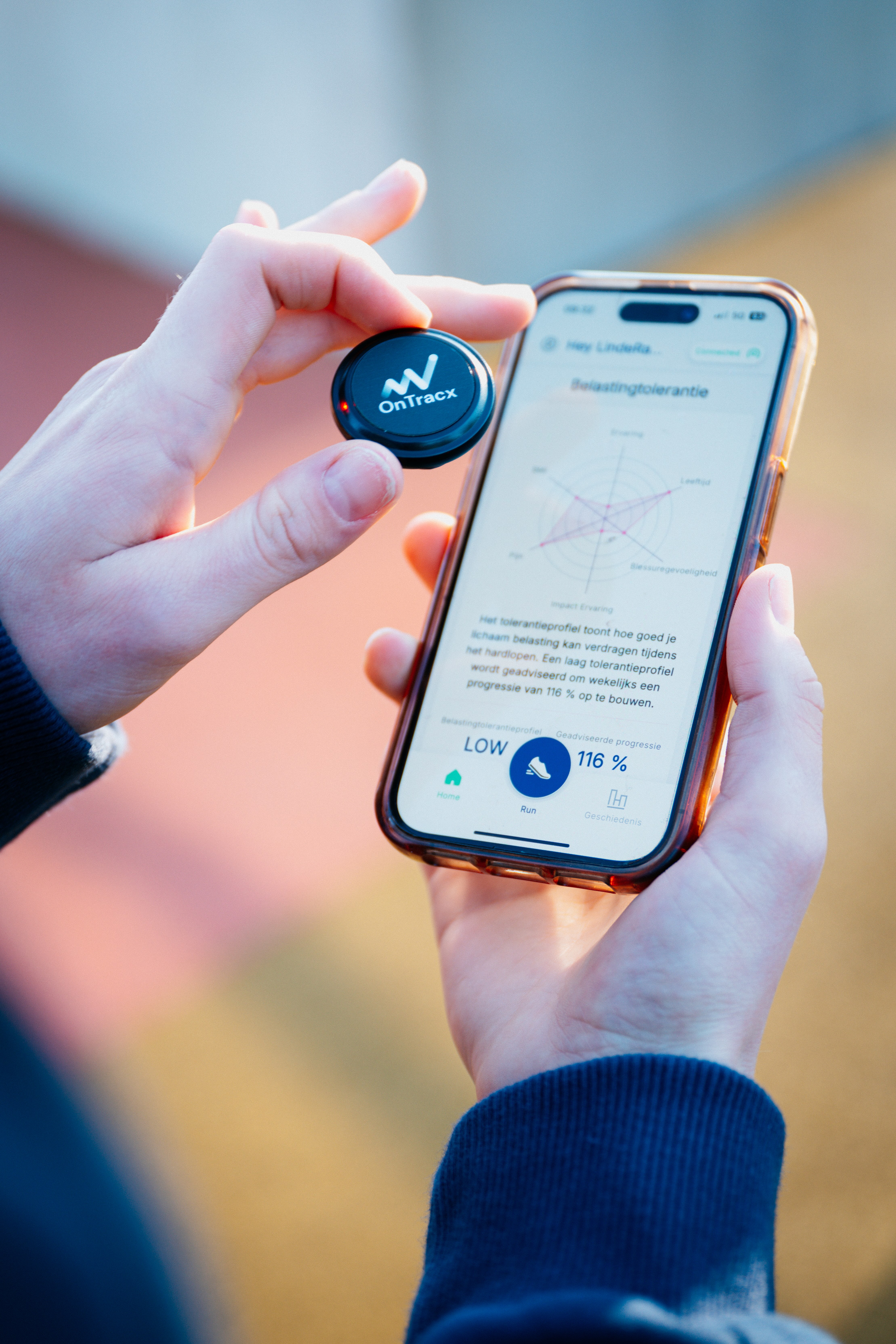
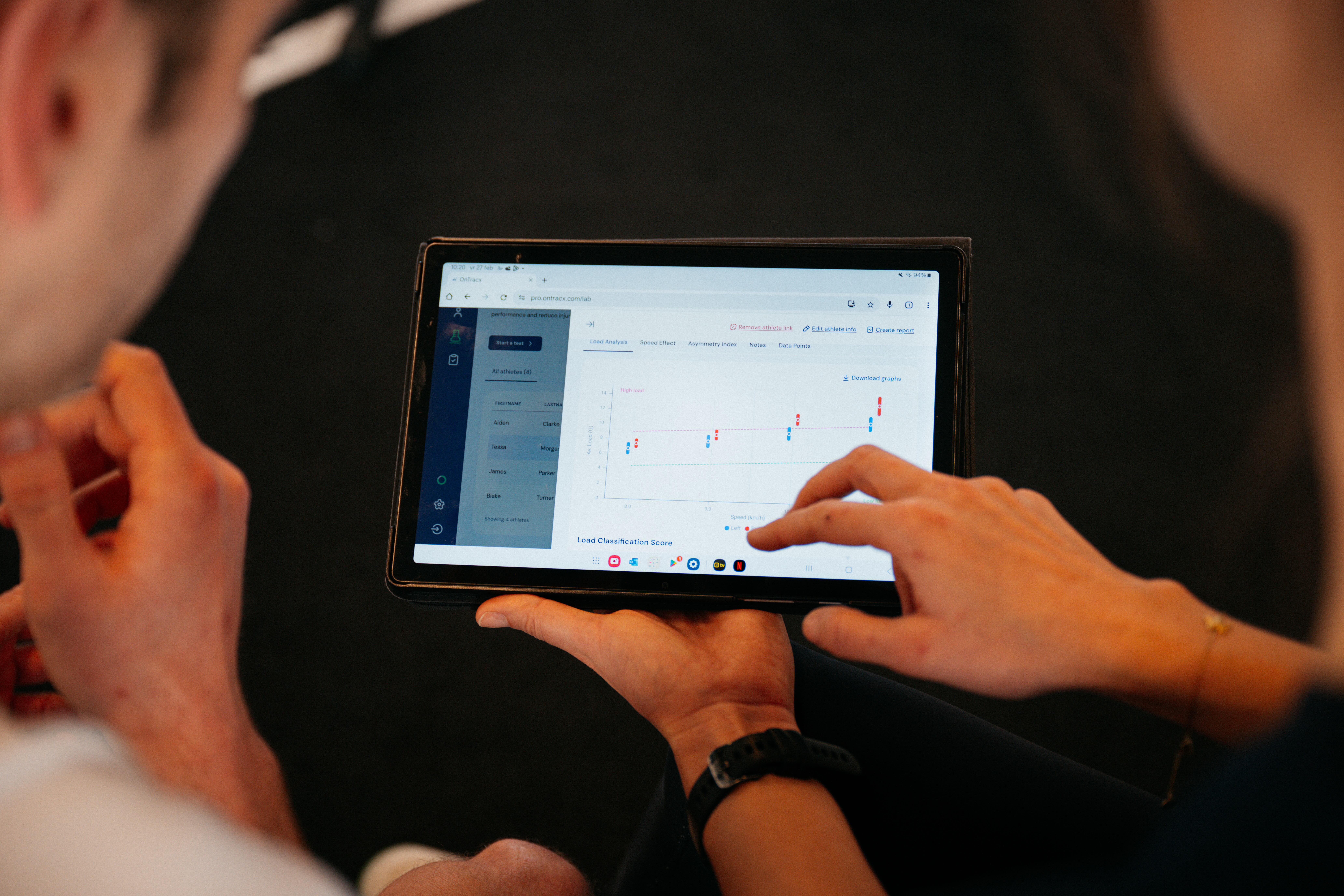
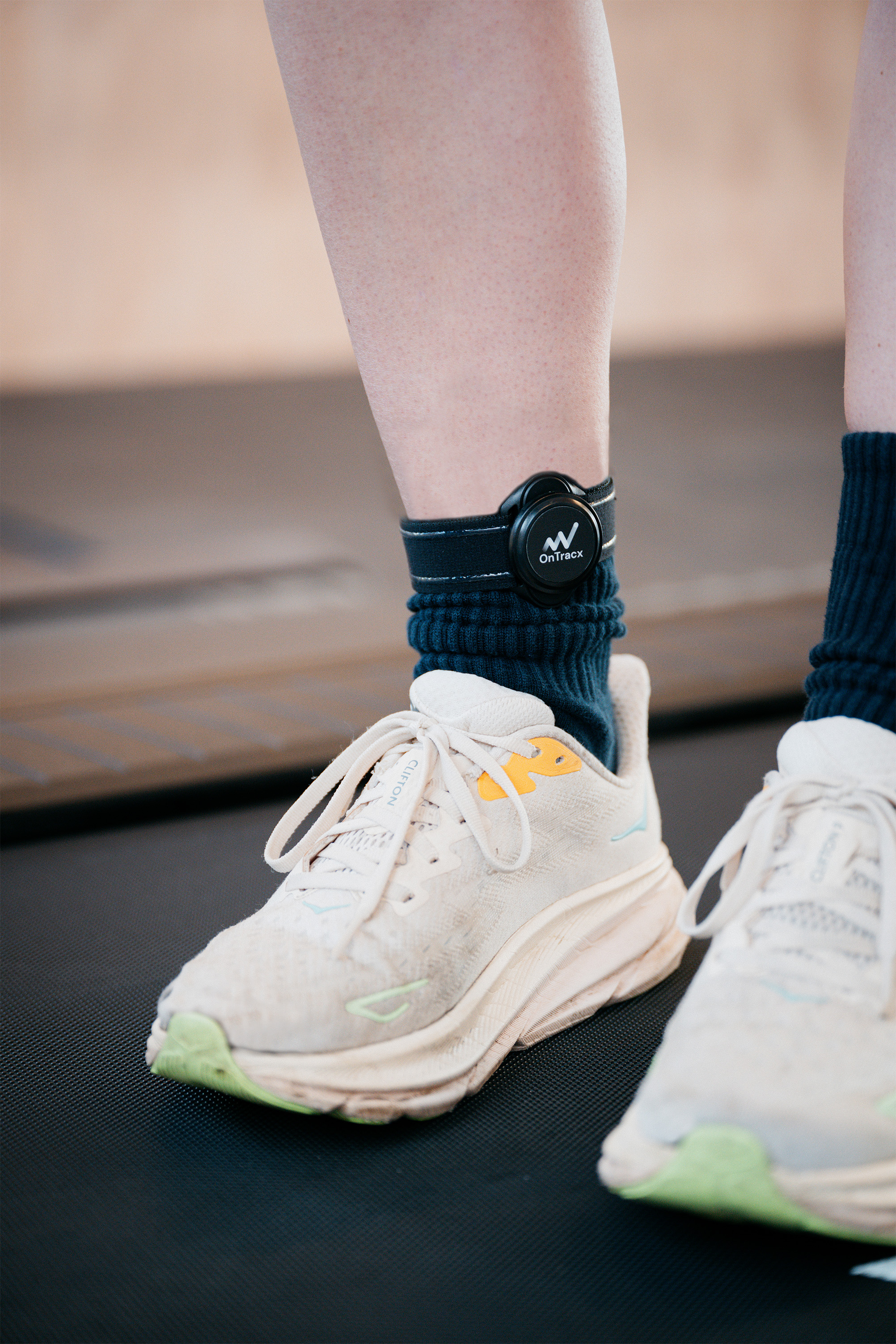
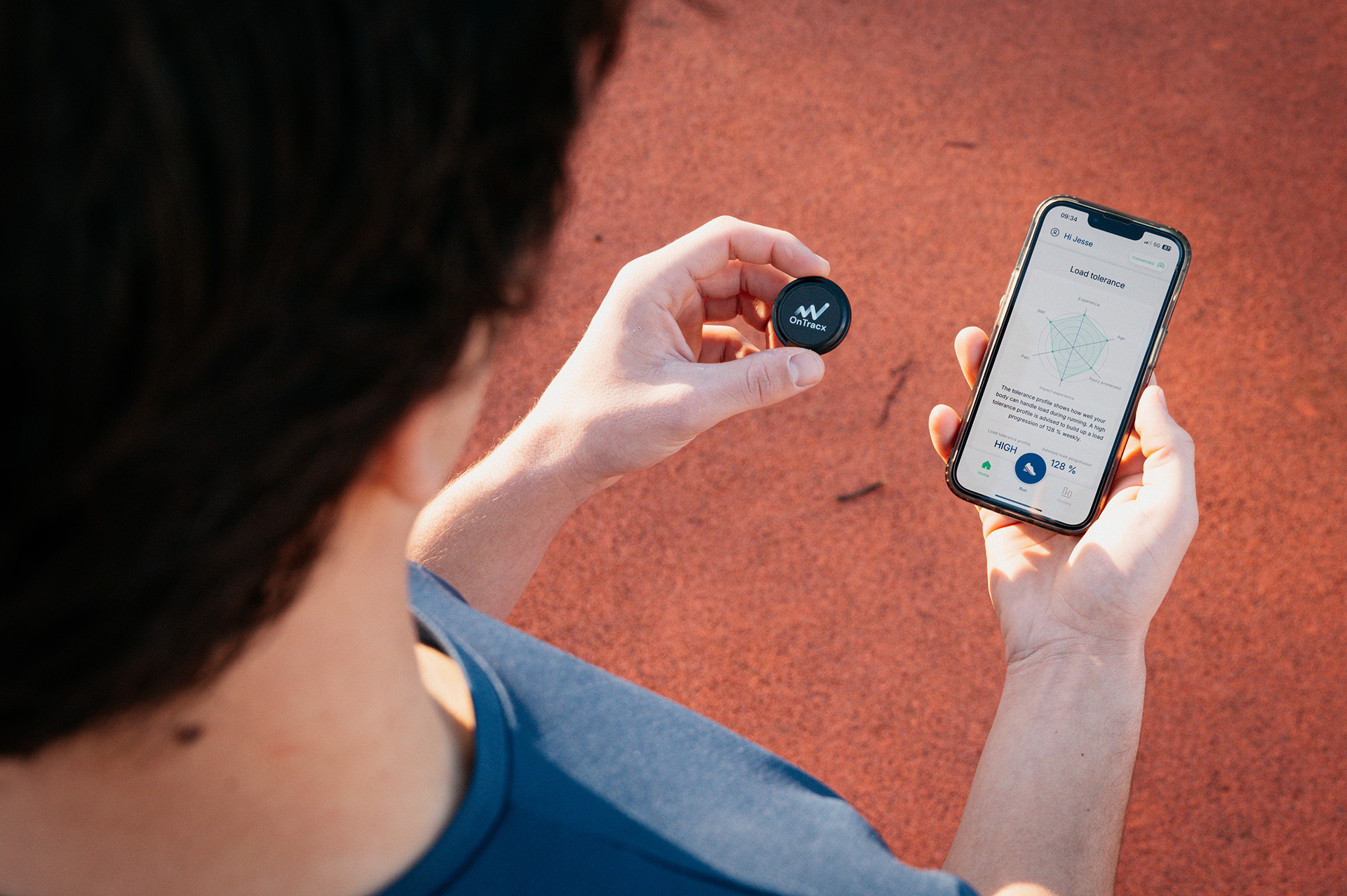
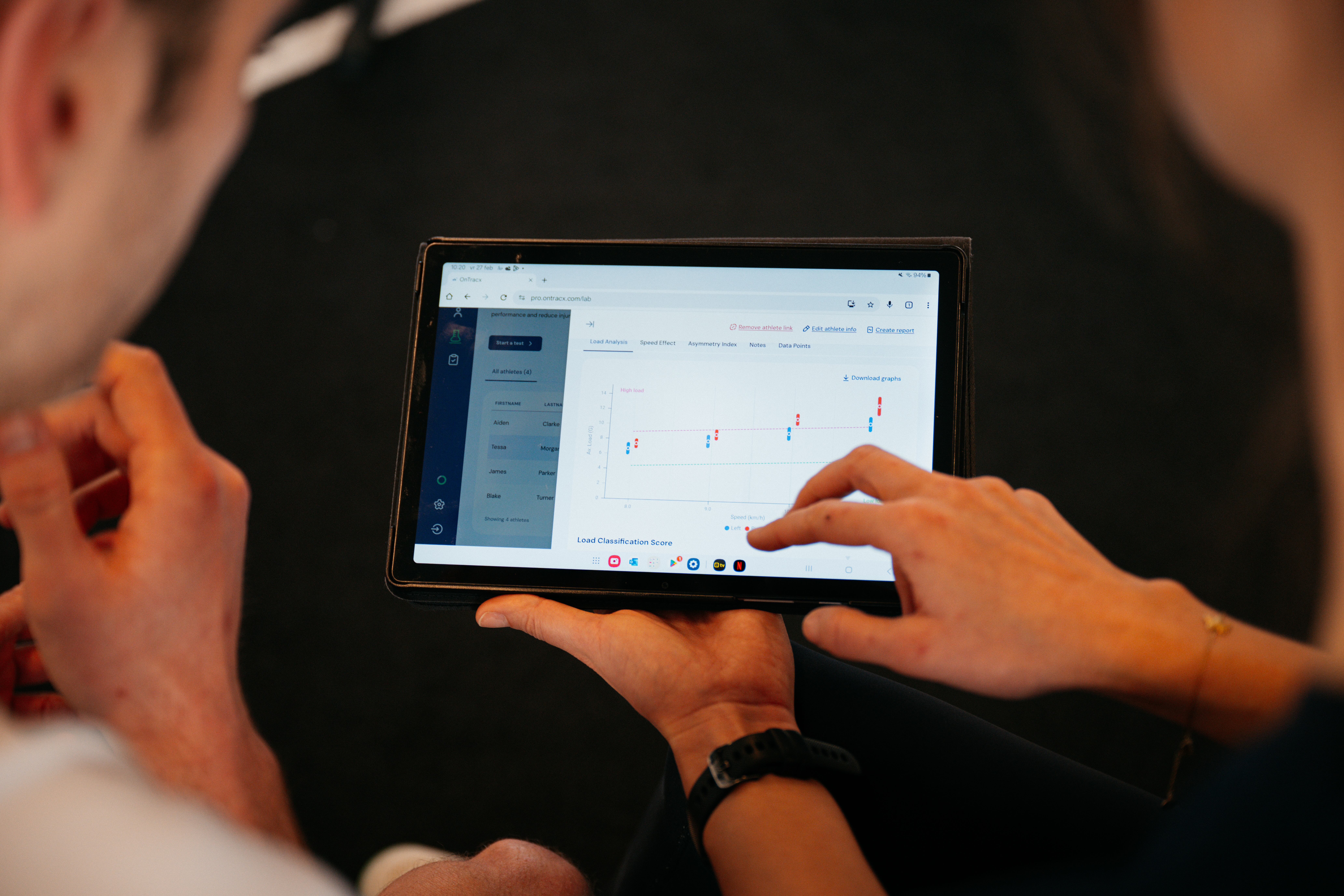
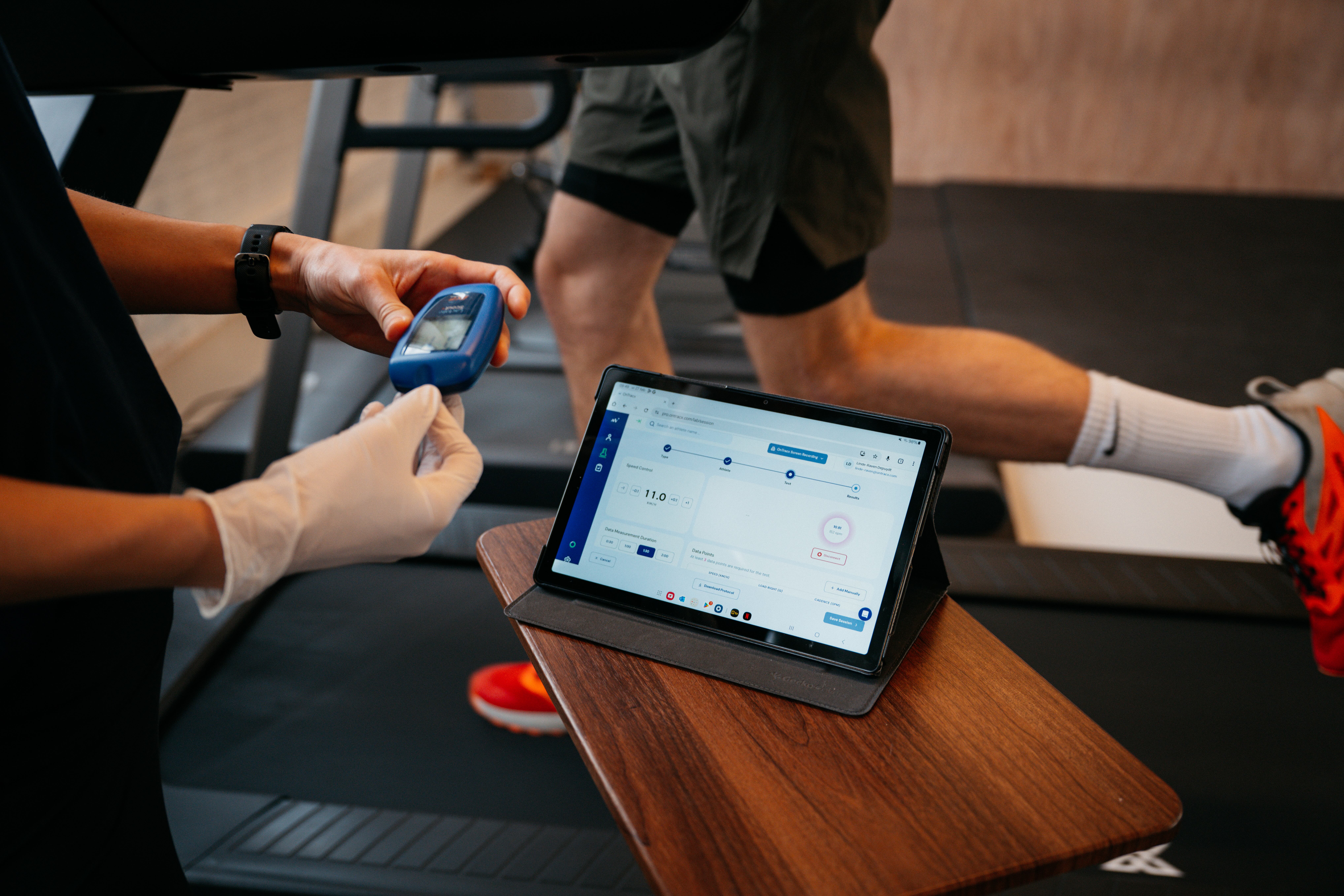
OnTracx already measures the mechanical load your body absorbs on every single run, either through a sensor or through a personal estimate. And because every run gets tagged to the shoe you wore, we can now show the accumulated load sitting in one specific pair of shoes instead of just its odometer reading.
That's the simplest possible use of it: total mechanical load tied to your shoe, not a generic distance printed on the box.
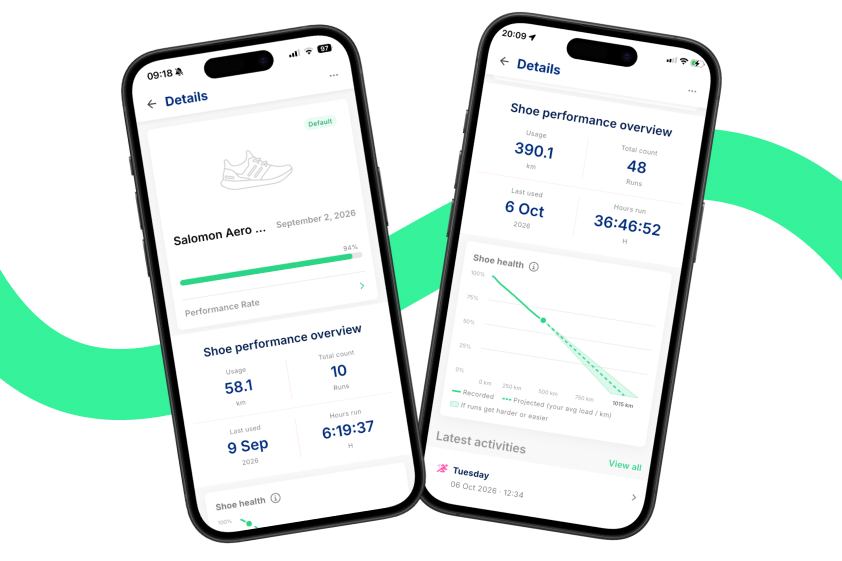
One thing we won't claim: this personal tracking actually prevents injuries better than the generic rule does. Nobody should, including us.
The research so far doesn't even agree that worn-out cushioning is dangerous, so it's a stretch to claim replacing it sooner, based on your own data, is safer.
As Outside magazine science columnist Alex Hutchinson has put it, the whole guidance has always rested on "some mix of cumulative experience and imperfect data, some of it published and some presumably locked away in shoe-company filing cabinets."
A personal number doesn't get you out of that sentence. It's just a better guess.
Why the same mileage doesn't mean the same load
What we do replace is one specific fiction: that a 60-kilogram low-impact runner and a 95-kilogram high-impact runner wear out identical foam at an identical rate.
They don't, and the load data says by how much.
That's not a cure for the odometer myth. It's one fewer wrong assumption sitting inside it, which is a smaller claim than it sounds and still, we think, worth making.
Take-home message
The 800-kilometre rule was always a guess dressed up as a fact. Ours is still a guess. It's just no longer everyone's guess. Your mileage, and your shoe's, may finally vary based on who you are and how you run.


.png)












%20(5).png)


%20(3).avif)
%20(4).avif)


.jpg)