TABLE OF CONTENTS
Share
PATIENT PROFILE
Age/sex: 37 year old female
Episode: 2nd recurrence (1 yr since first)
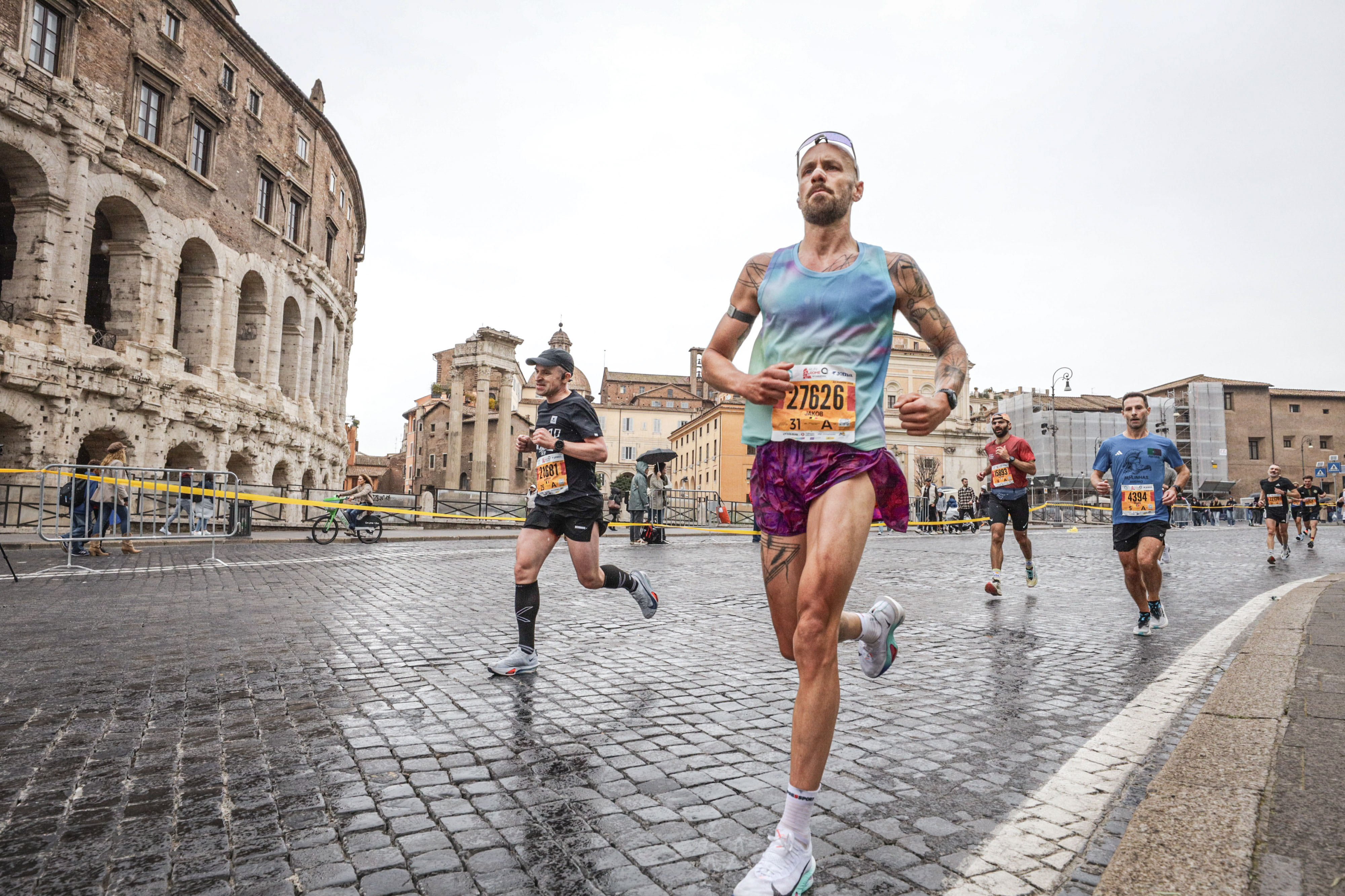
Running history: Stopped Oct — restarted independently
GOAL: 2×/week pain-free running up to 7 km
CLINICAL PRESENTATION
Diagnosis and contributing factors
The patient re-presented with anteromedial tibial pain after racing a 5 km event without a graduated build-up. The previous episode had resolved with minimal intervention and no structured reconditioning, leaving the underlying load tolerance deficit unaddressed.
The patient was initially diagnosed with Medial Tibial Stress Syndrome (MTSS) in combination with concomitant peroneal tendinitis, as confirmed by ultrasound examination.
Symptom severity was moderate, with pain characterised primarily as a recurring pressure sensation rather than acute pain. Running and plyometric drills could be performed largely pain-free at clinical review, but persistent low-grade pressure at the distal tibia/ankle remained between sessions.
Contextual load: The patient is highly active outside running — working full-time on the shop floor at Decathlon and training twice weekly in the gym. High occupational physical load on working days therefore substantially raised total daily tissue stress, independent of her running program.
TREATMENT APPROACH
In-clinic interventions
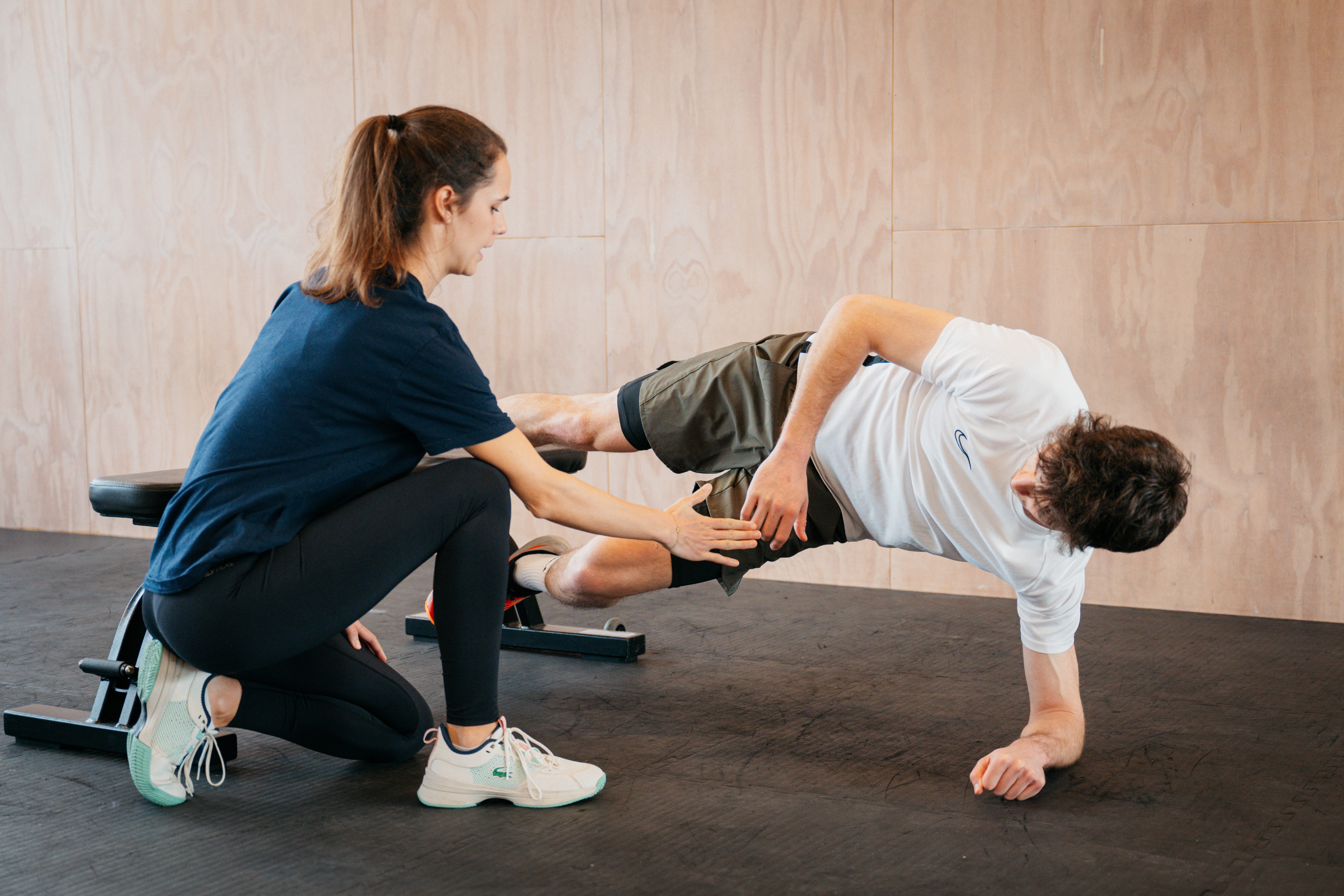
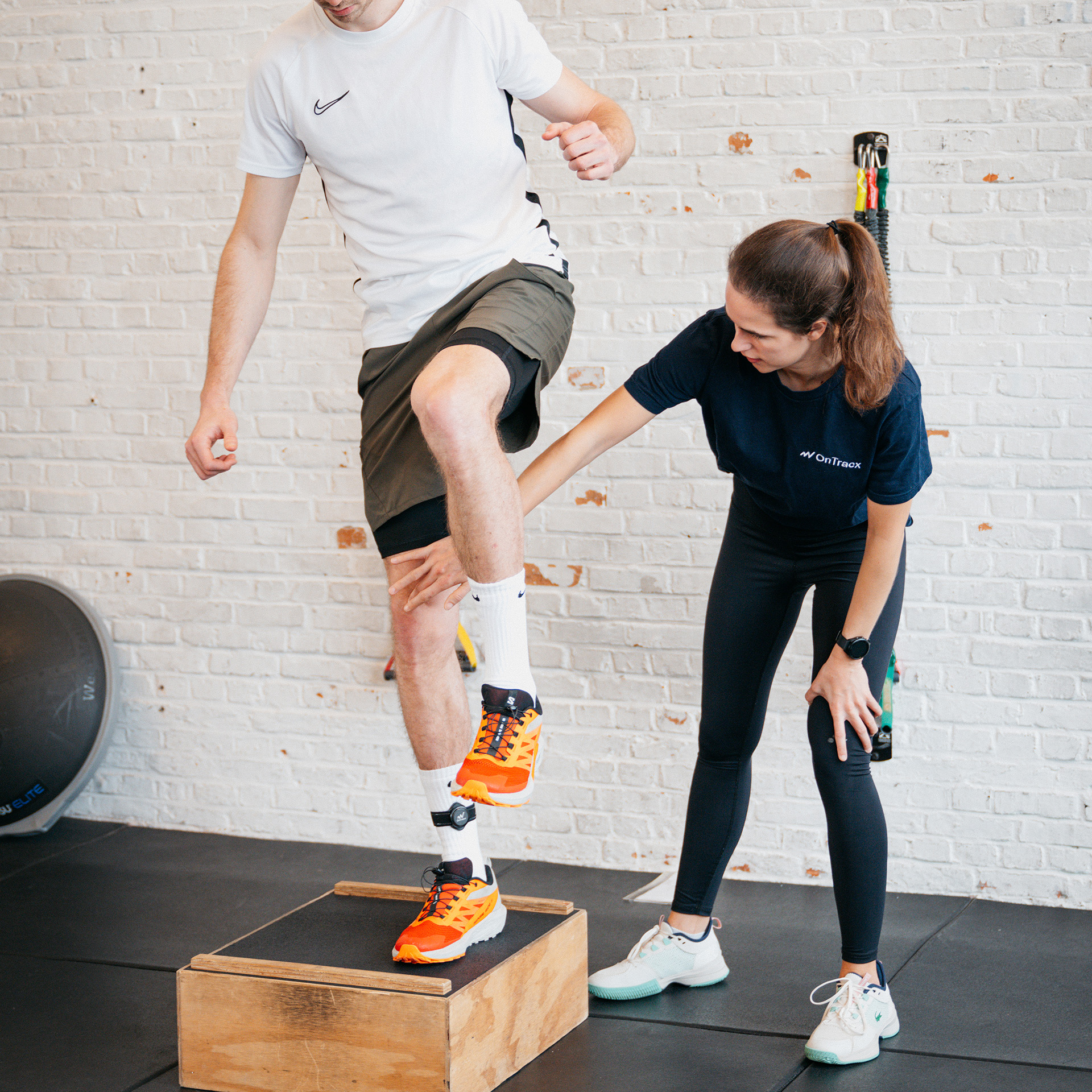
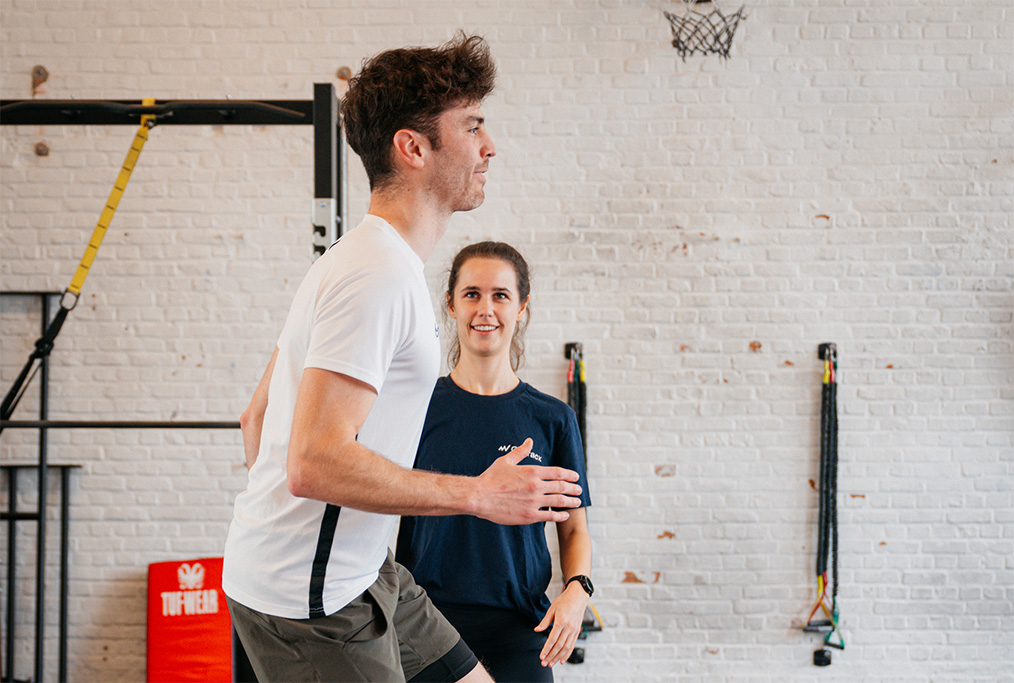
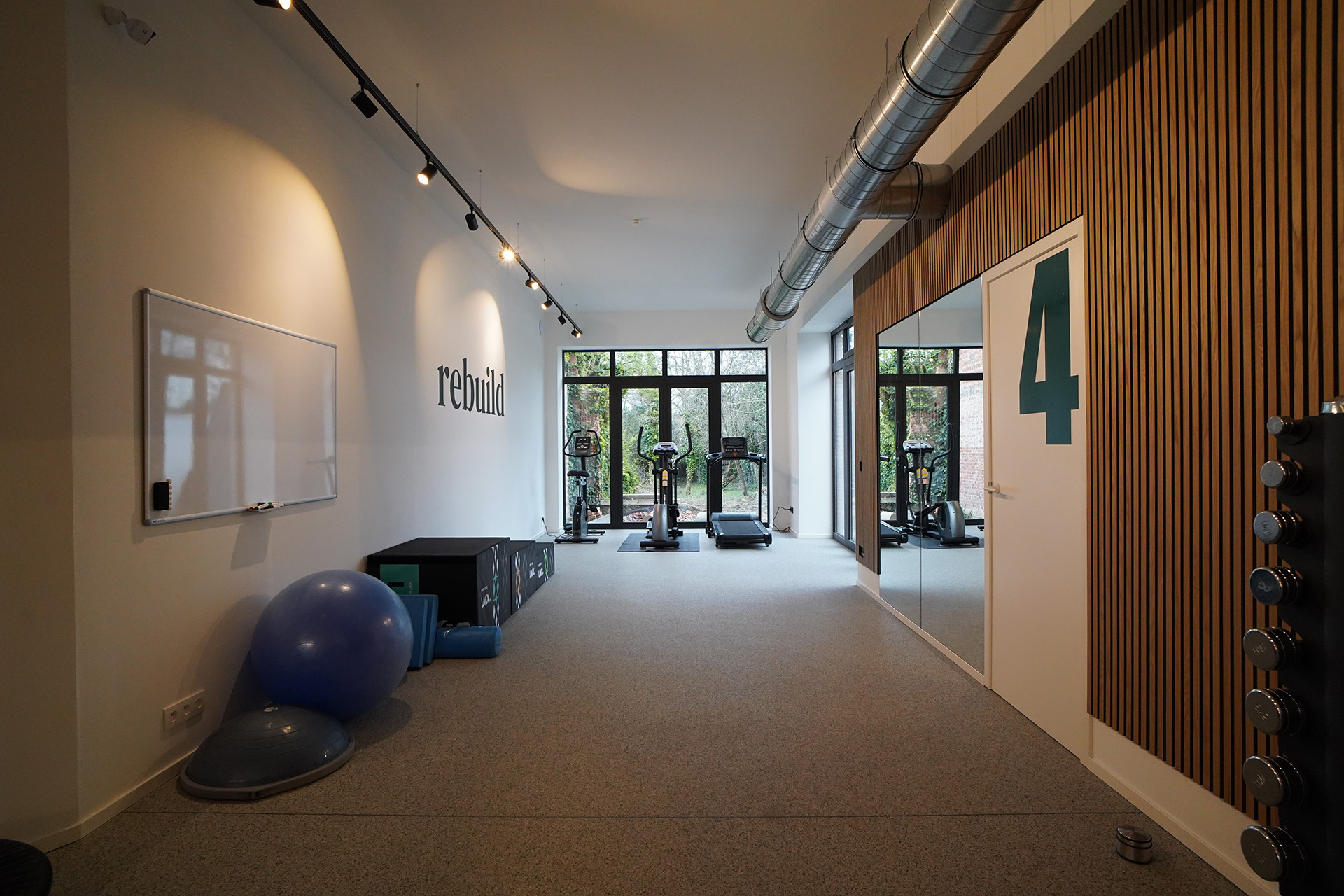
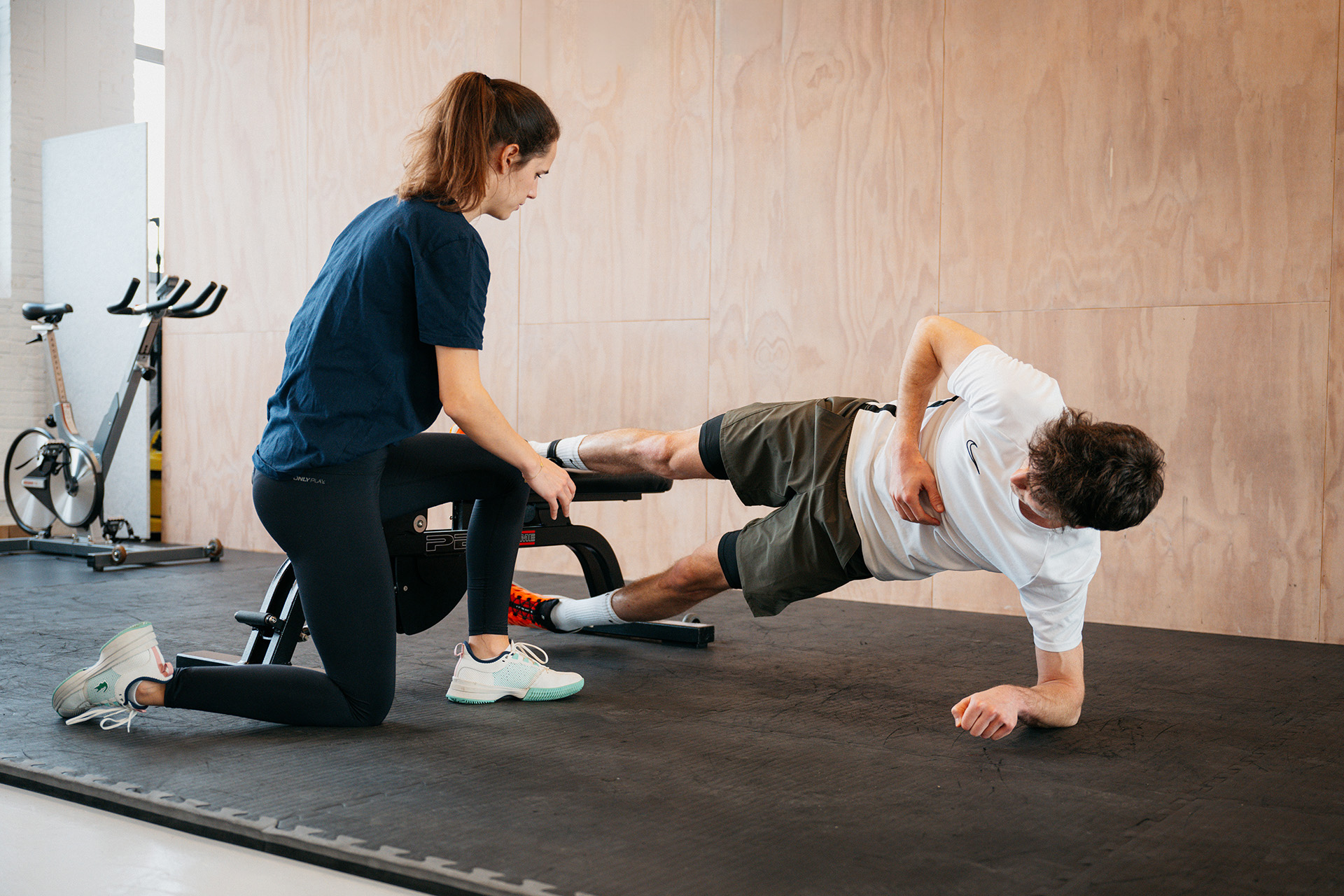
Manual therapy focused on restoring ankle and foot joint mobility through targeted mobilization. Dry needling targeted m. tibialis posterior, the calf complex and m. tibialis anterior to reduce hypertonia. Neuromuscular training addressed ankle stability deficits, with progressive loading of the calf musculature. Gait retraining centred on increasing cadence without increasing pace to reduce the load placed on the tibia with each stride. Running was restricted to flat terrain during the early phase.
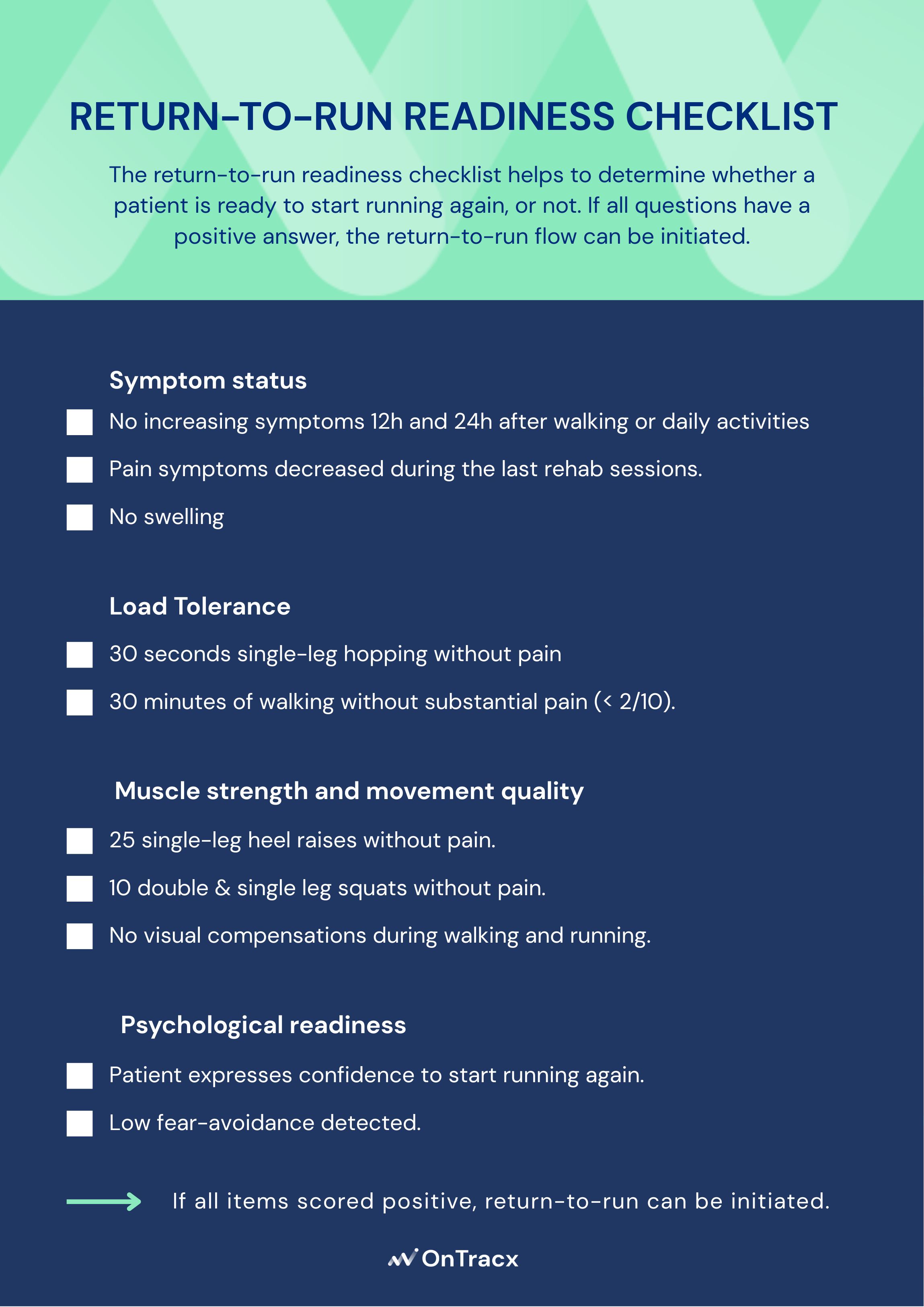
Return-to-run program
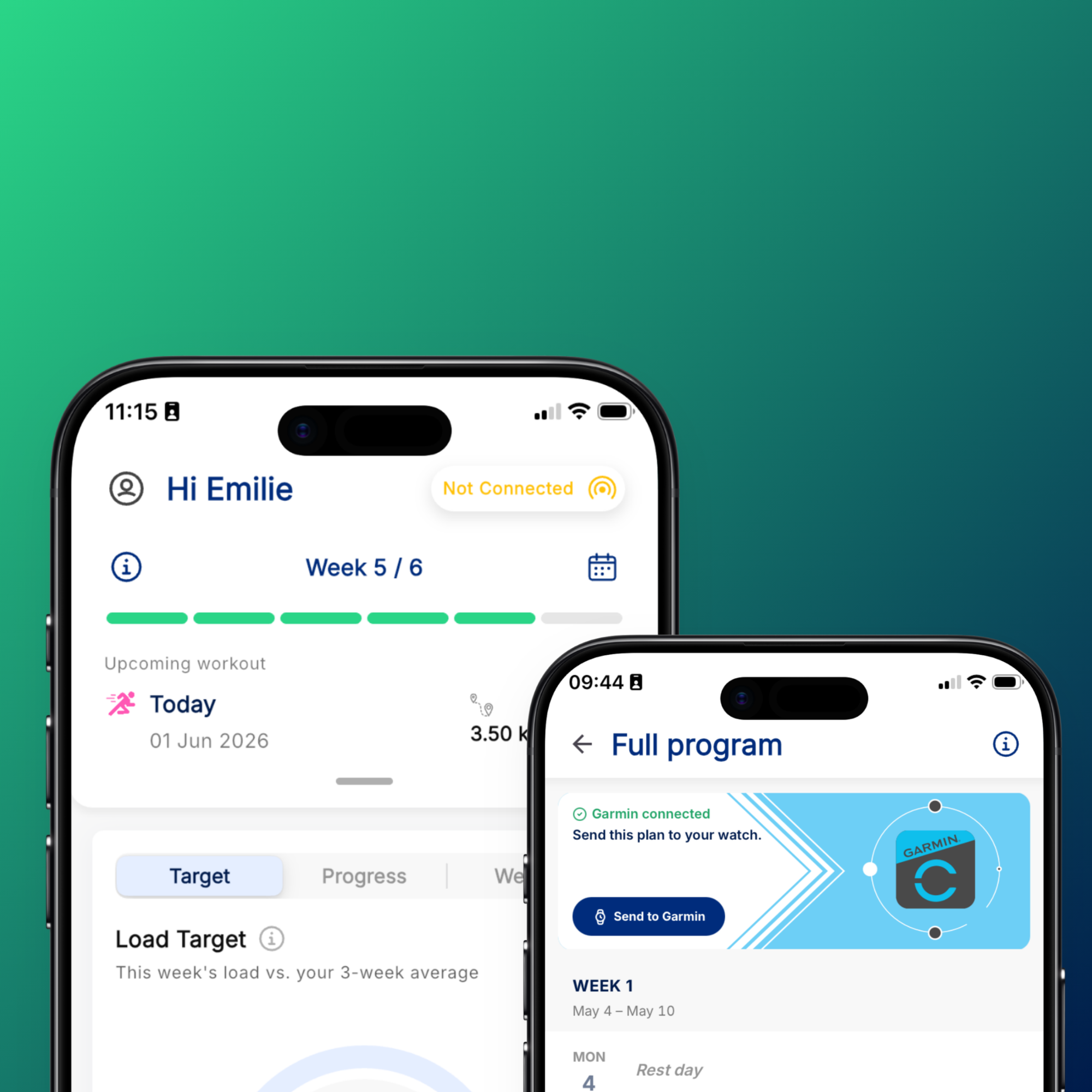
Progression (start date: 23 March)
(Representation on vertical timeline)
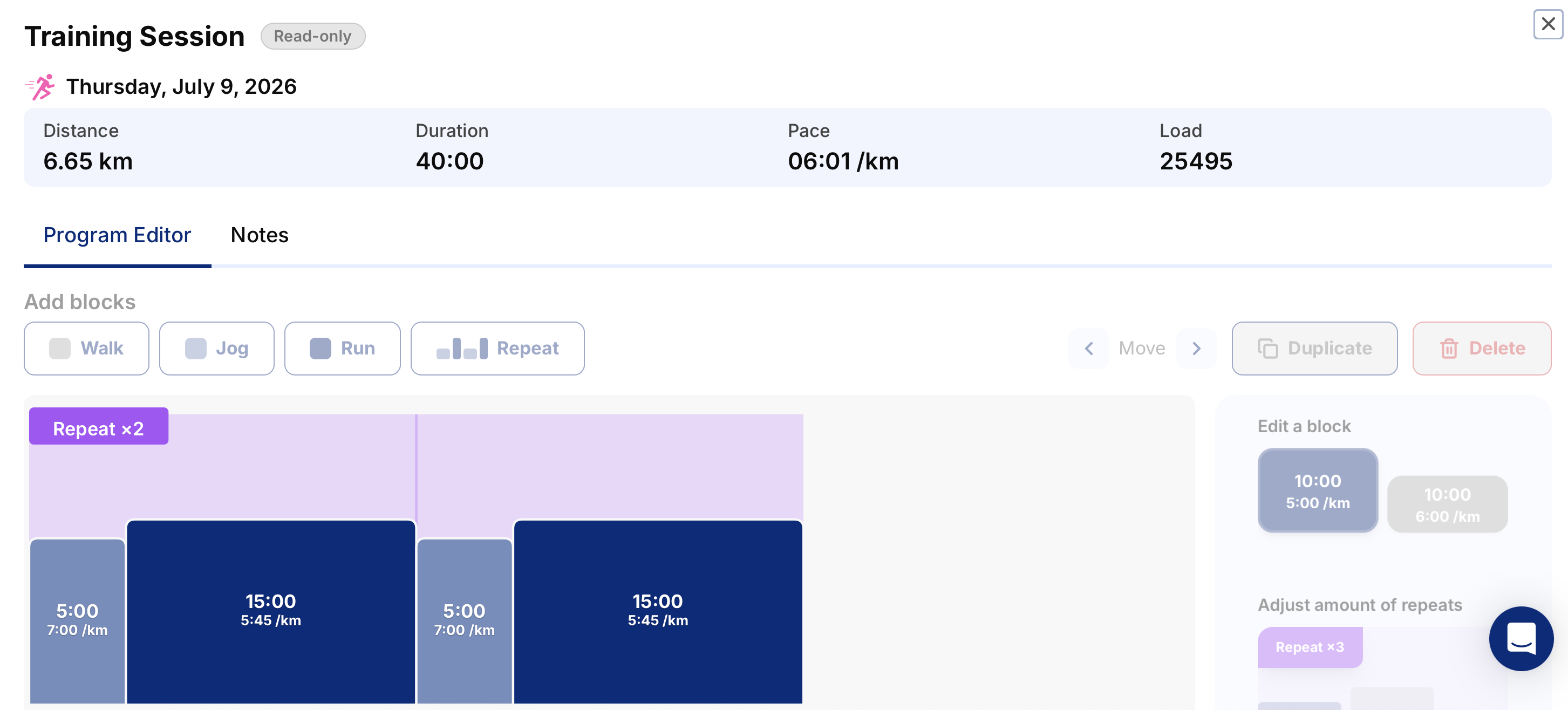
Phase 1 — walk/run intervals, 2×/week
Alternating walking and running bouts. Emphasis on cadence cue adoption and flat-surface running. Sessions occasionally skipped on physically demanding workdays to prevent cumulative overload.
Phase 2 — continuous running, progressive volume
Transition to uninterrupted running. Pace held at approximately 7:00 min/km. Current status: 17 minutes continuous running (≈ 2.5 km). No significant pain episodes to date.
Target — 7 km comfortable and consistent
Progressive volume increase toward the patient's goal of 7 km twice weekly at a comfortable, sustainable pace.
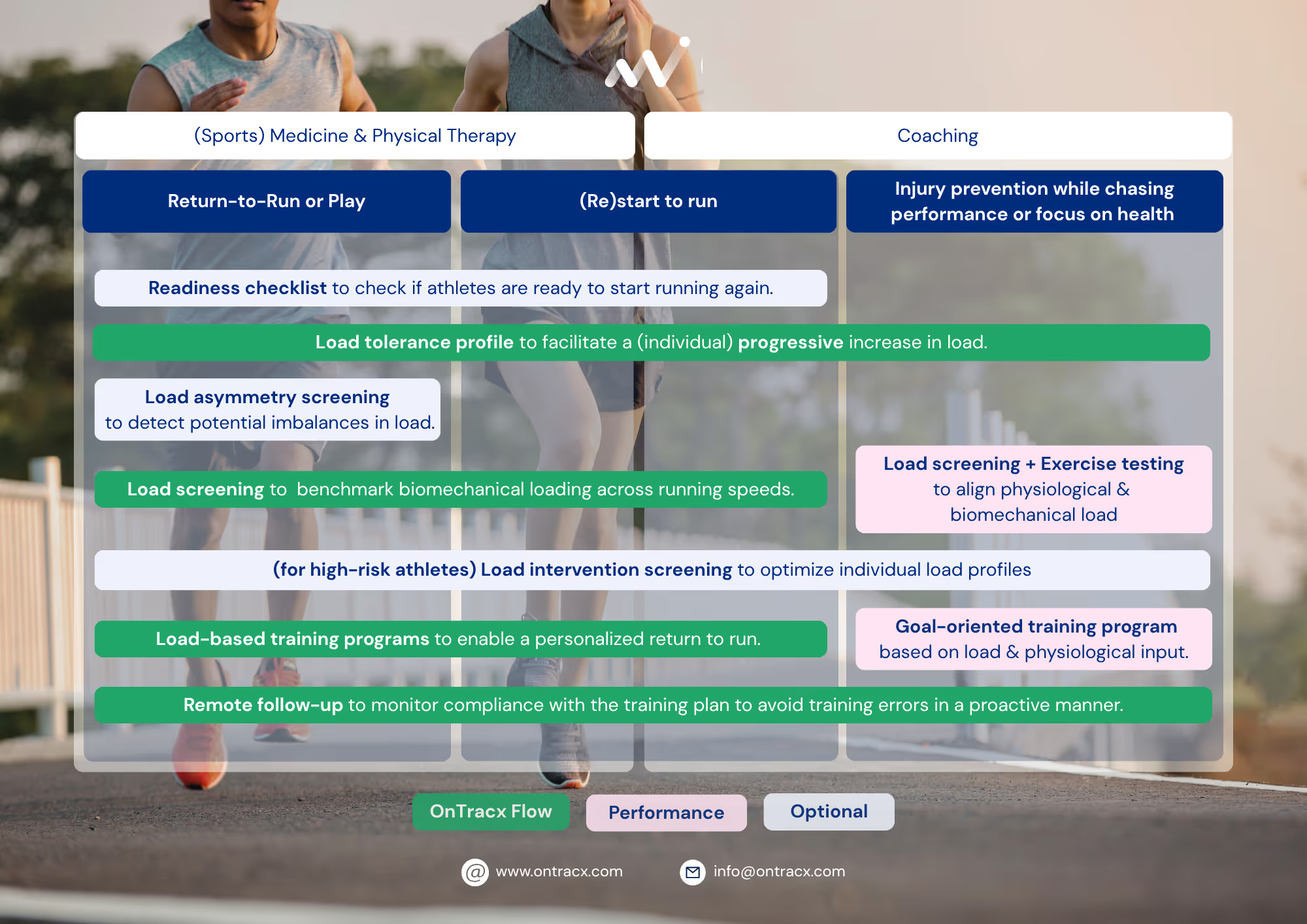
ONTRACX FINDINGS
Value of field monitoring
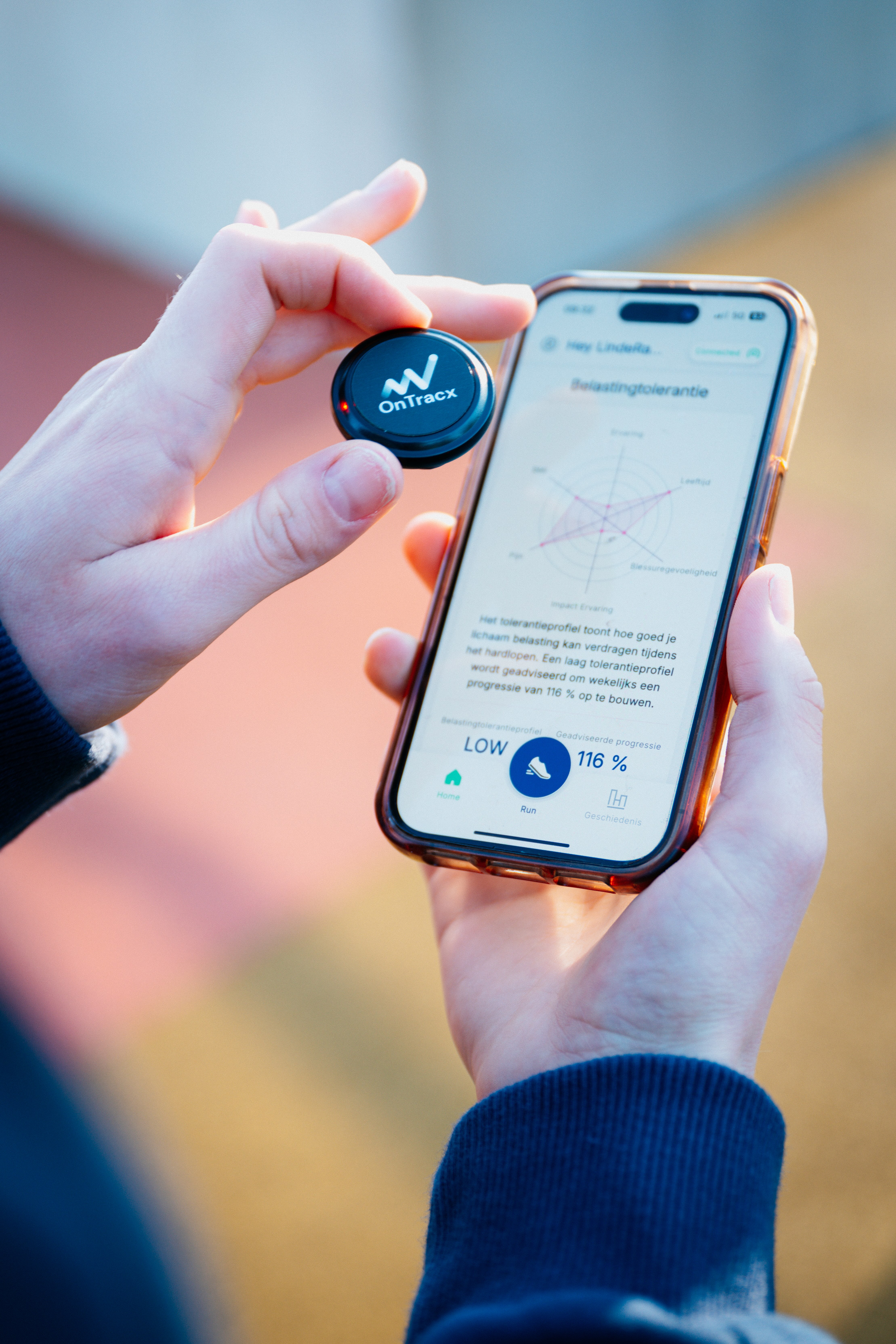
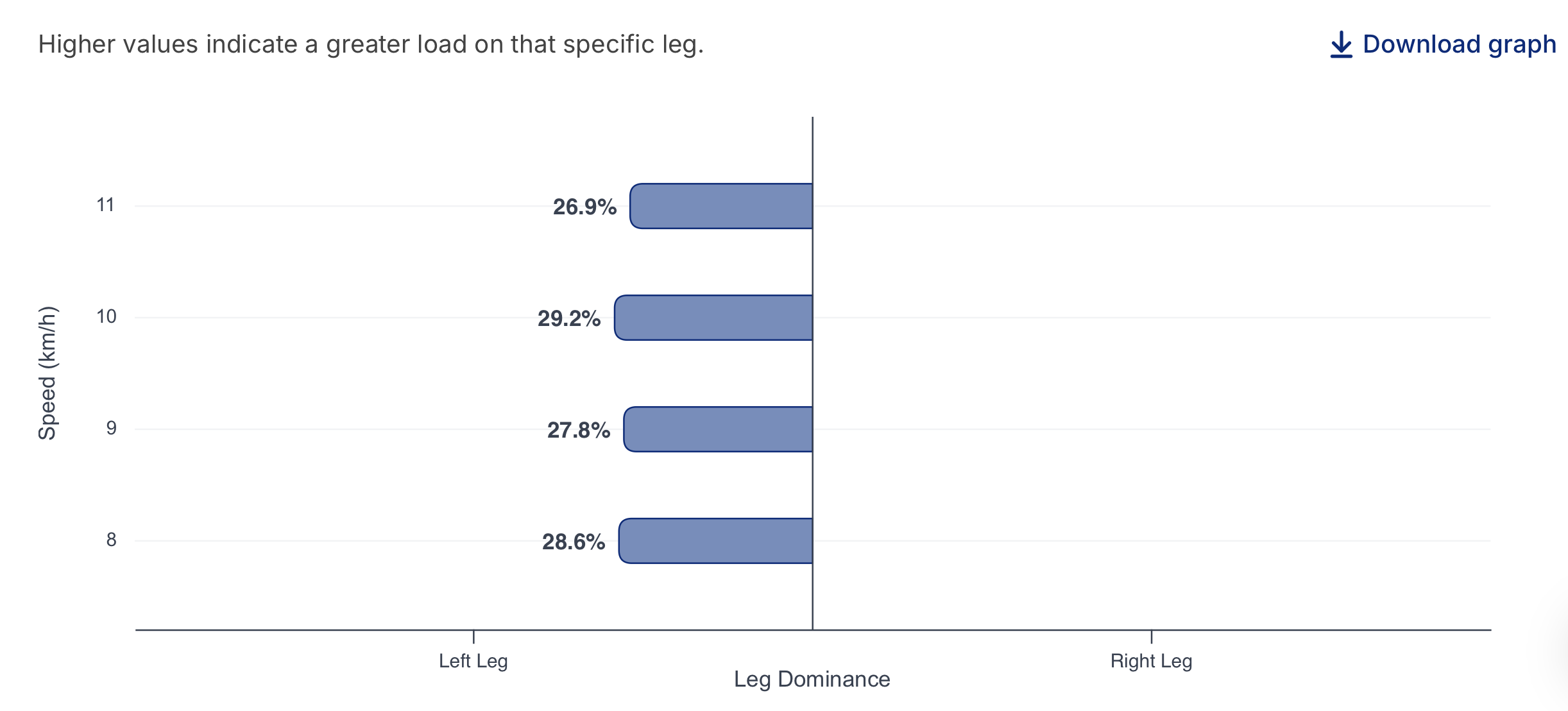
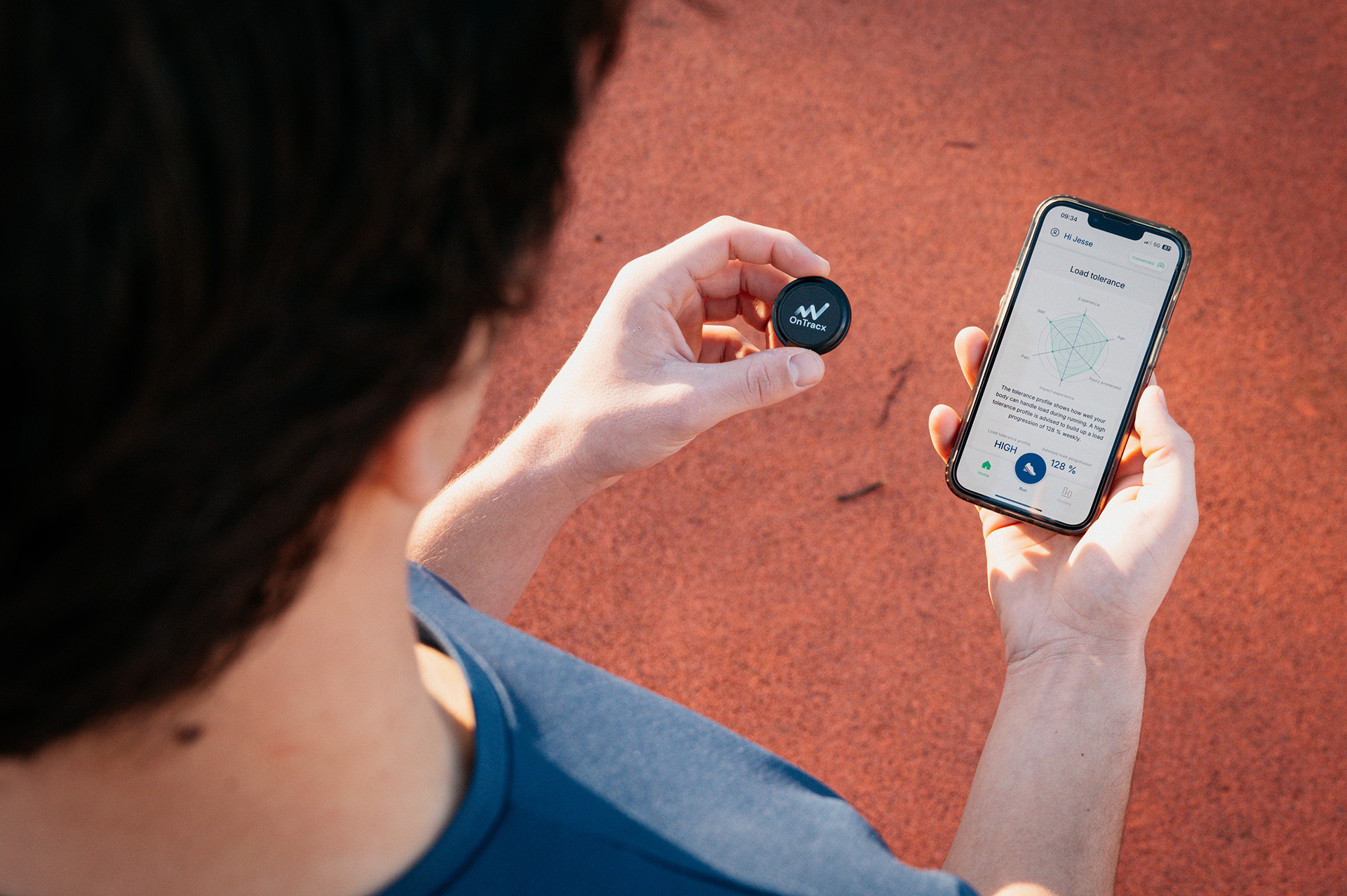
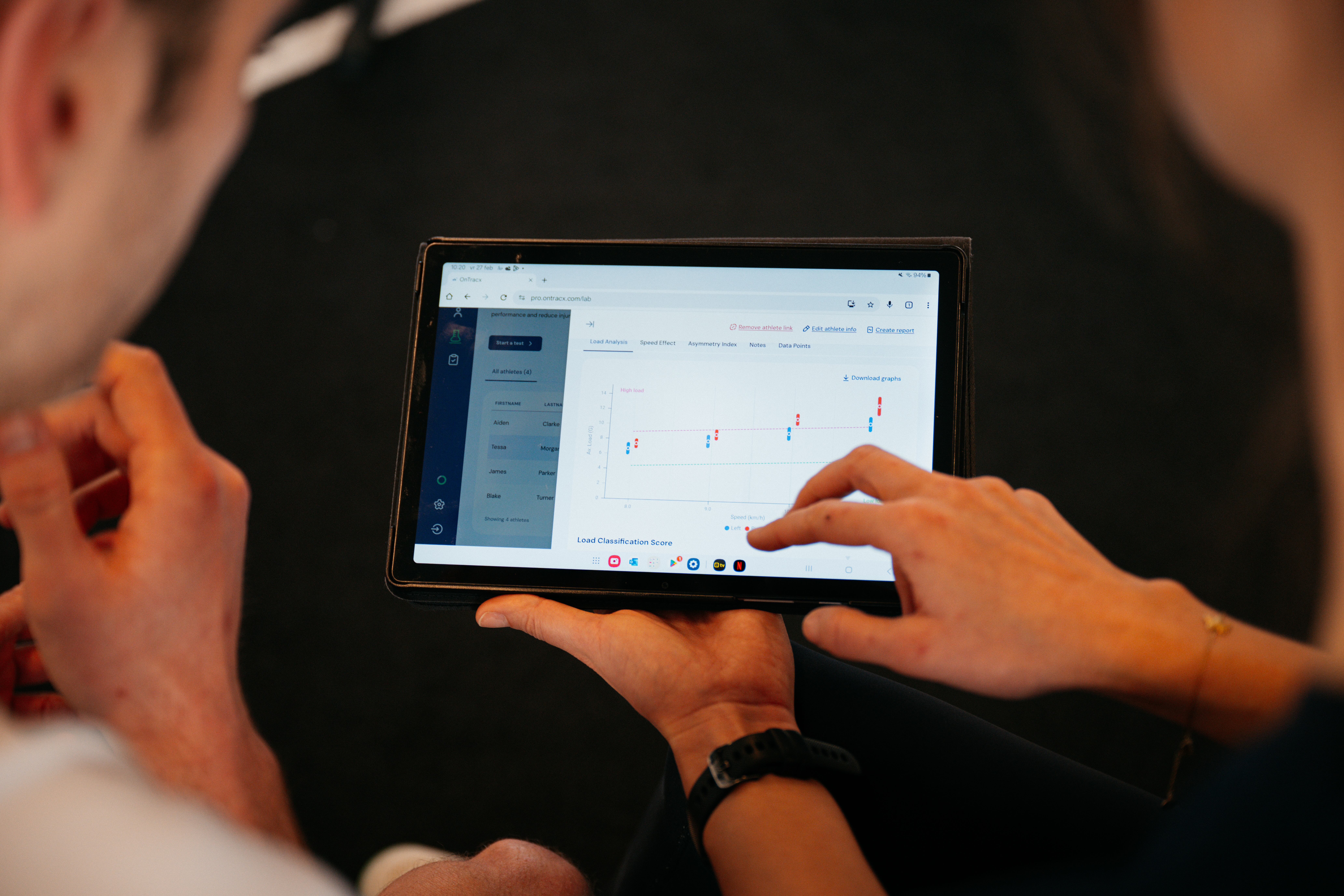
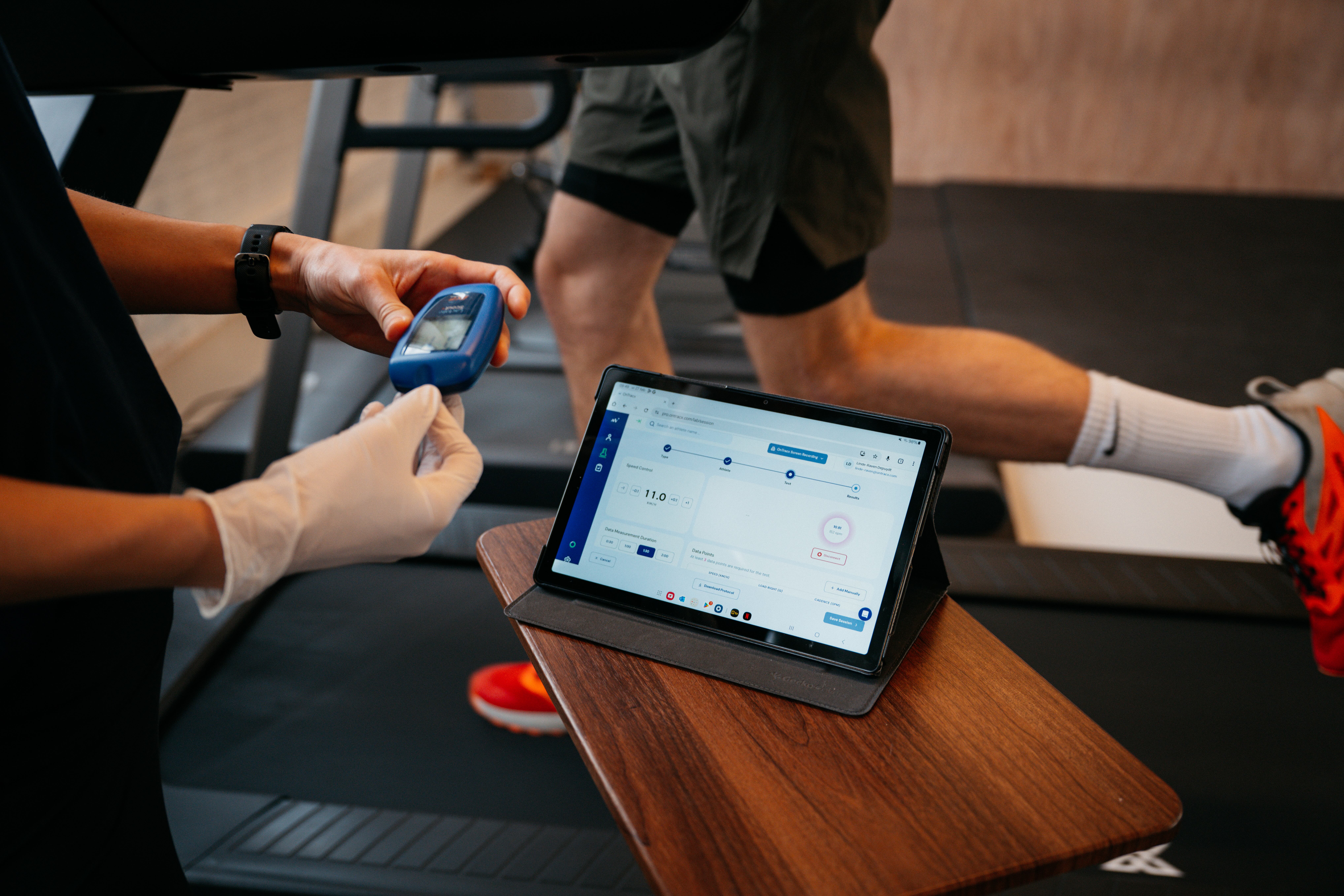
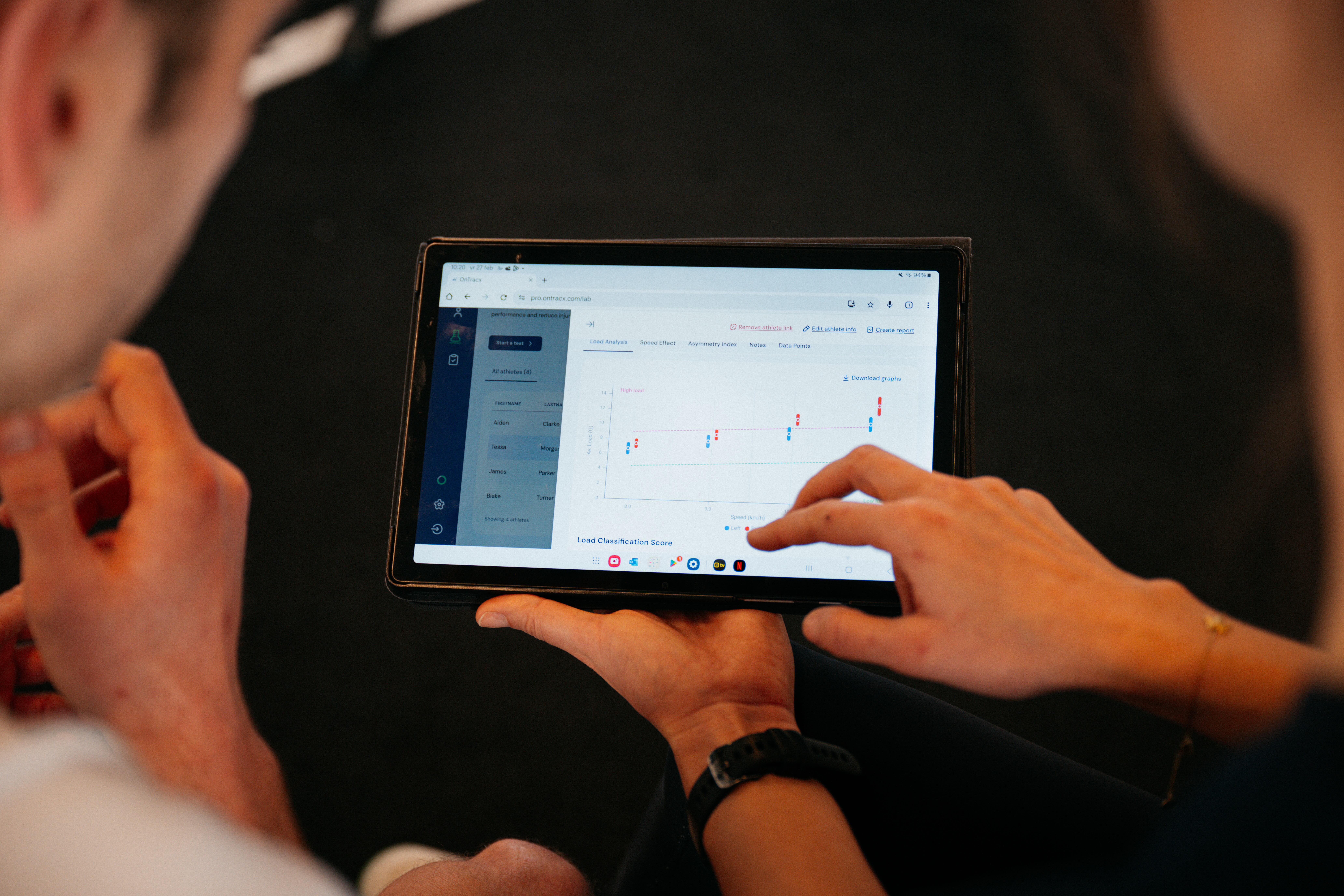
Low absolute load with a slow, linear increase at higher running speeds confirmed that the return-to-run pace was appropriately conservative — consistent with safe tissue adaptation parameters for Medial Tibial Stress Syndrome (MTSS).
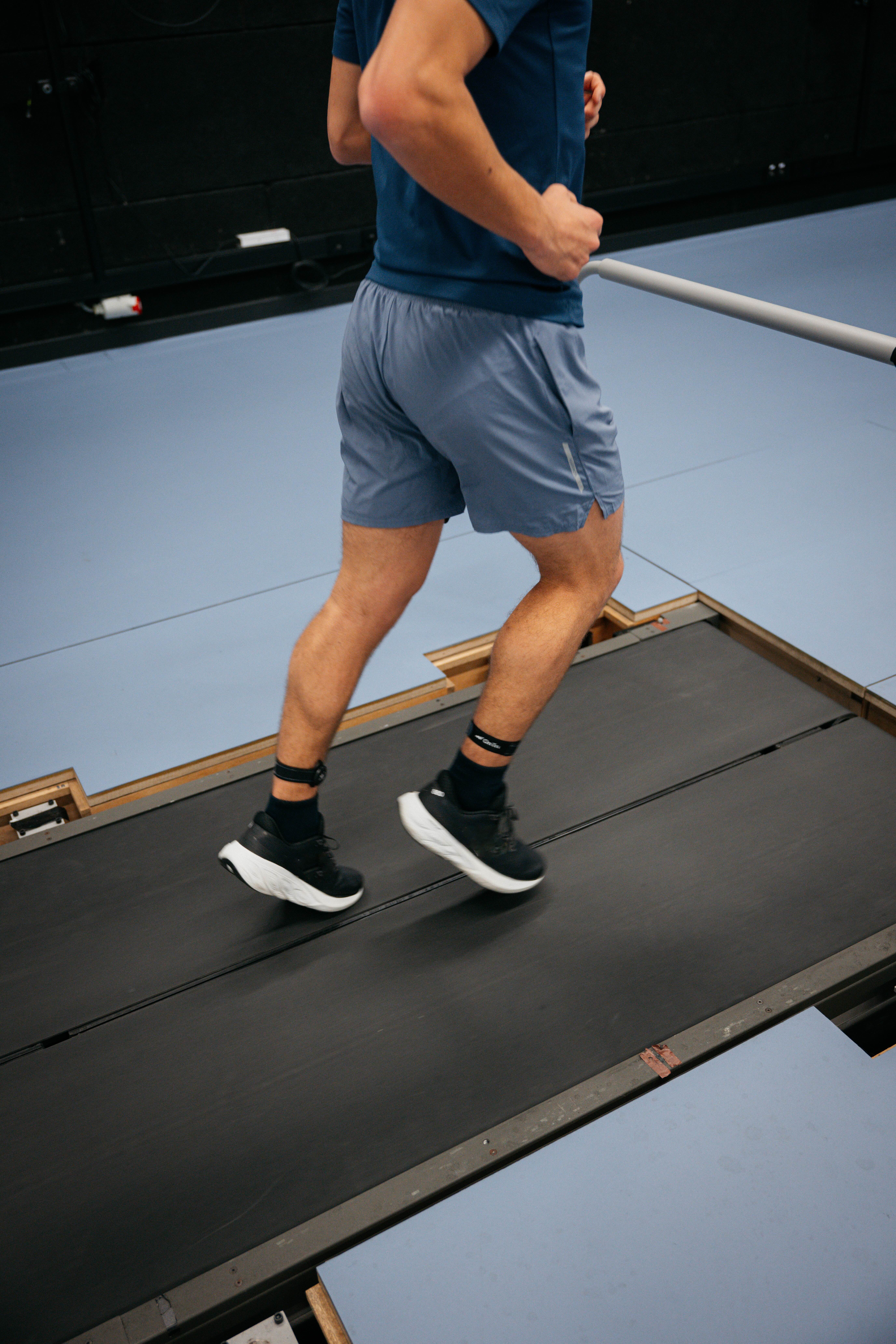
Asymmetric loading pattern detected: greater load accumulation on the left side, suggesting a compensatory strategy — likely related to protective offloading of the symptomatic right limb. This finding would not have been identifiable through clinic-based assessment alone.
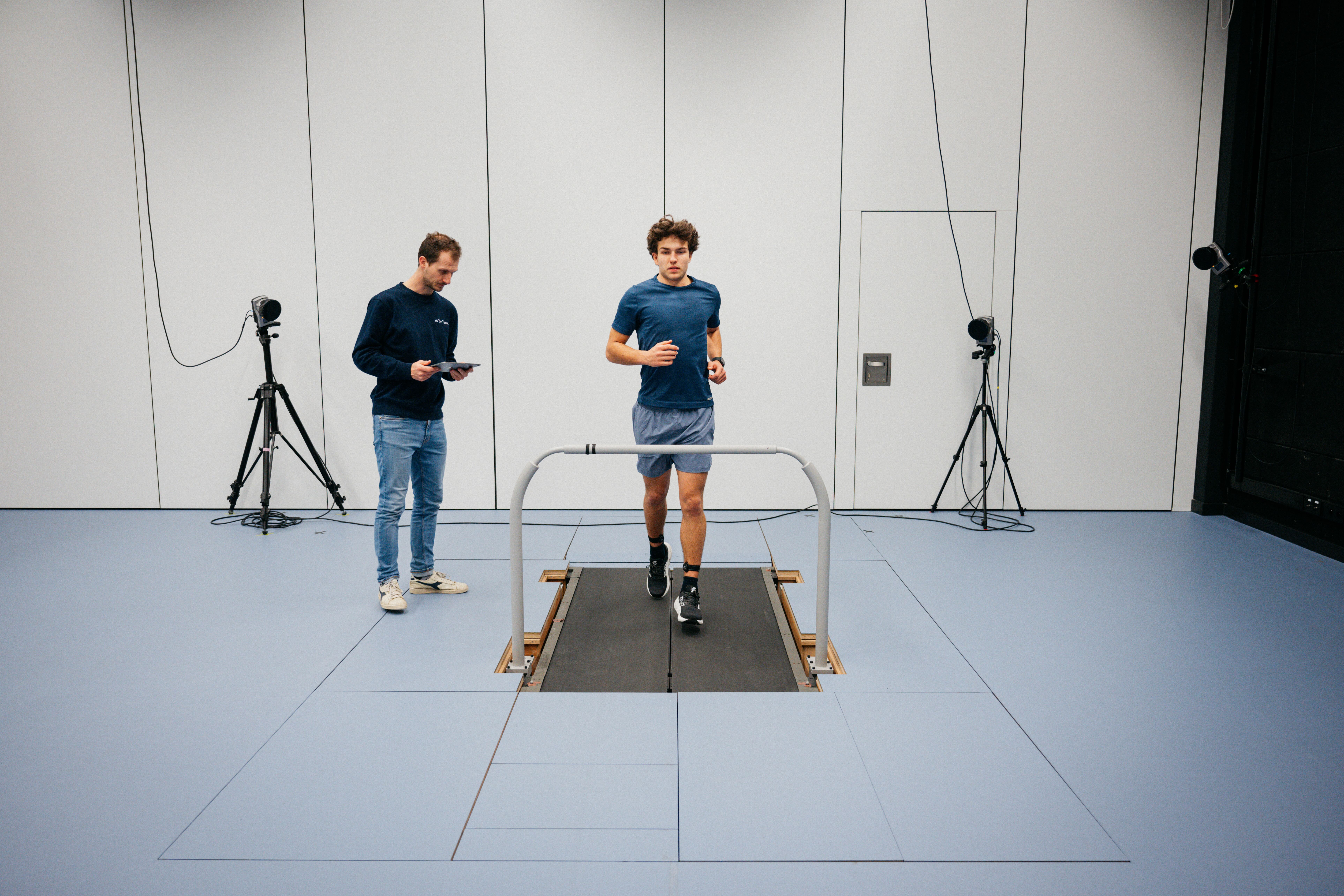
No pain reproduced during testing. Objective monitoring provided reassurance to both therapist and patient, supporting continued progression despite the patient's understandable anxiety about aggravation.
CLINICAL REASONING
Why this approach worked
The key driver of success was resisting the temptation to accelerate return-to-run. A very gradual reintroduction allowed the patient to rebuild tissue tolerance in the context of an already high background activity level. Consistent gym attendance was maintained throughout — preserving general capacity while running volume was deliberately kept low.
Increased cadence was an effective, low-barrier intervention: it redistributed load away from the tibia per stride without requiring pace reduction, making it practically sustainable for a motivated recreational runner.
Symptom fluctuation tracked clearly to occupational load peaks rather than training load, a pattern confirmed through the combination of weekly clinical follow-up and field monitoring data.
Key clinical takeaway💡
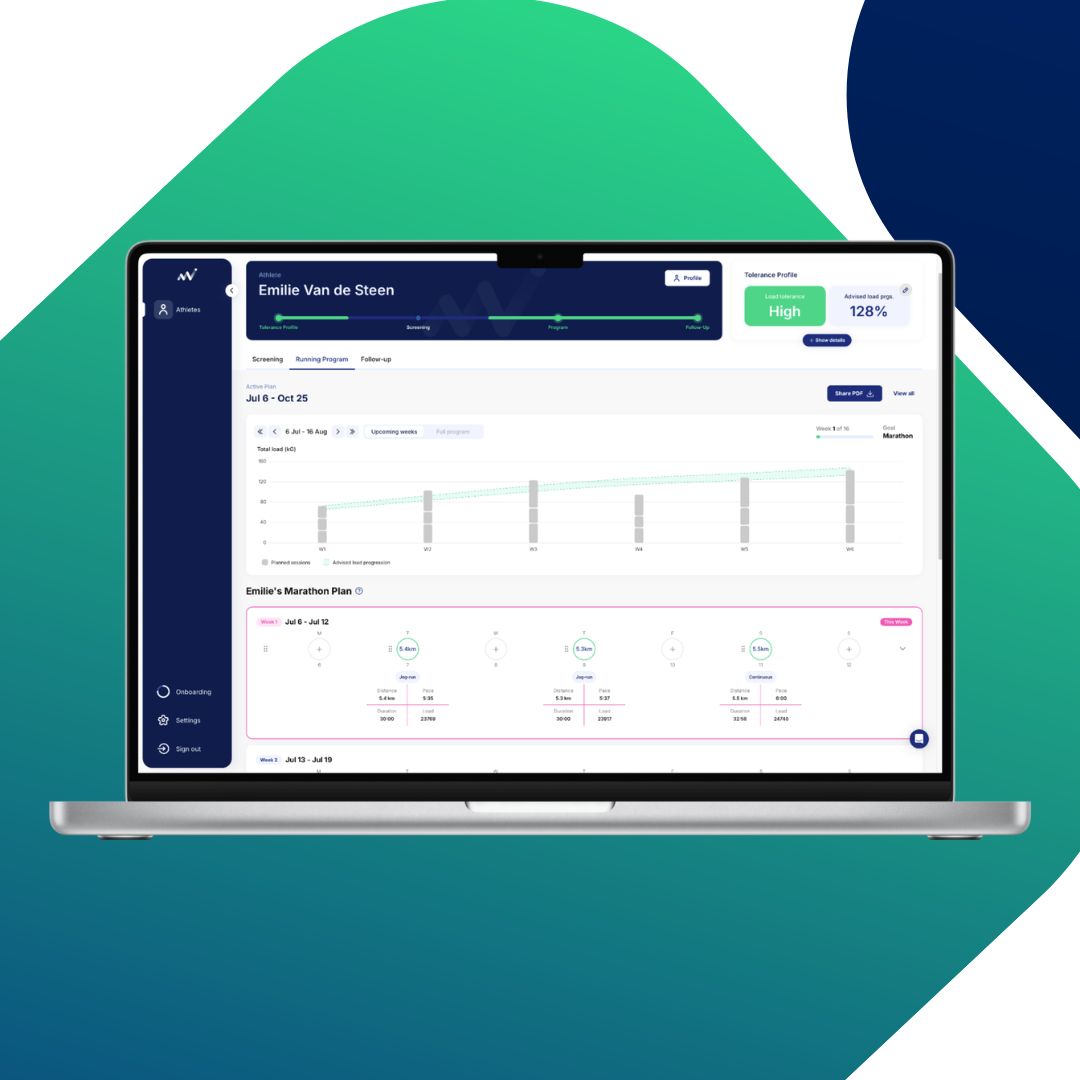
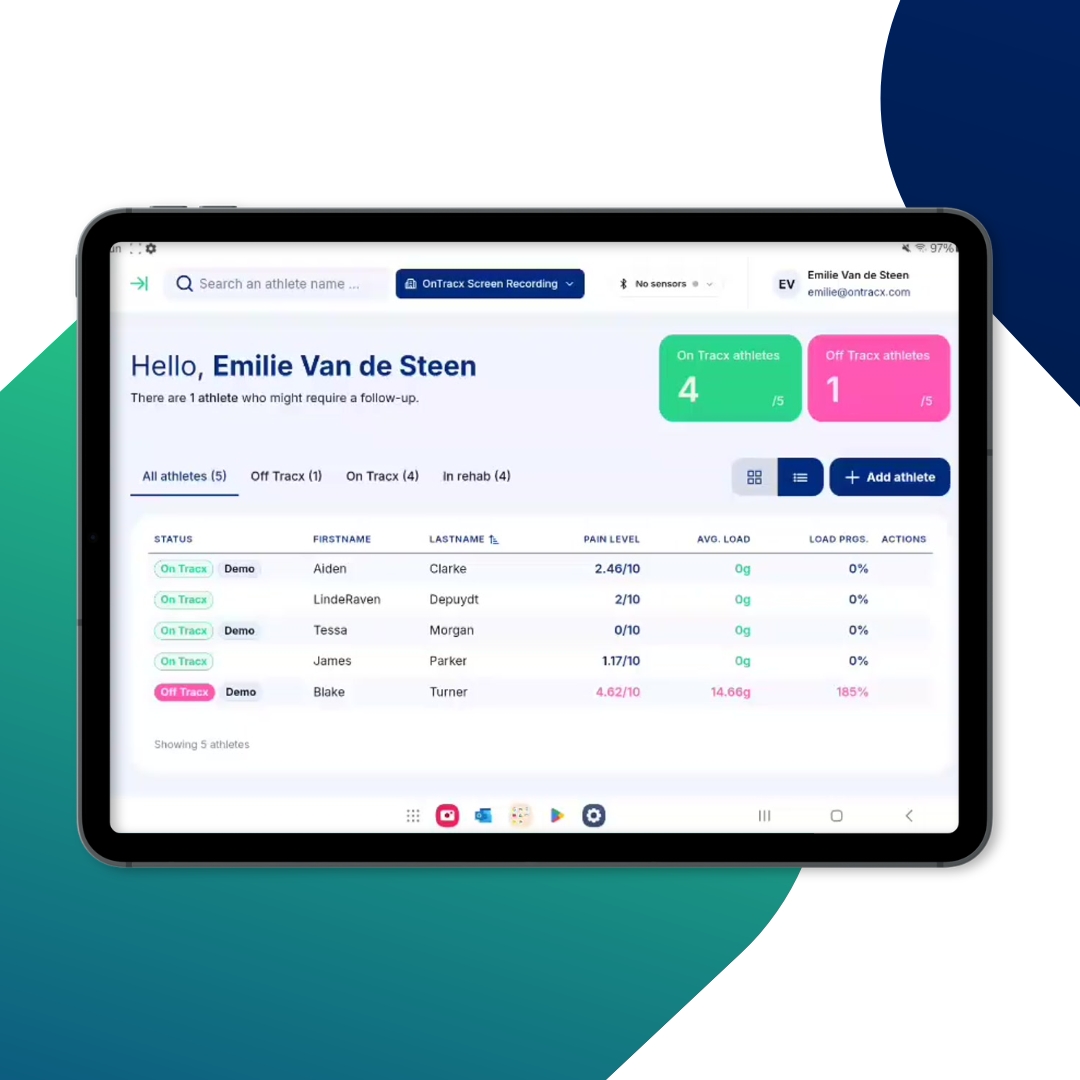
This case highlights the importance of an individualized training progression that takes the patient’s overall physical load throughout the week into account. The combination of weekly in-clinic follow-up and a structured training build-up through OnTracx supported a tailored
.png)





%20(5).png)

%20(3).avif)
%20(4).avif)


.jpg)